





Specialized Gynecomastia Surgery for Los Angeles Men | CONTACT US








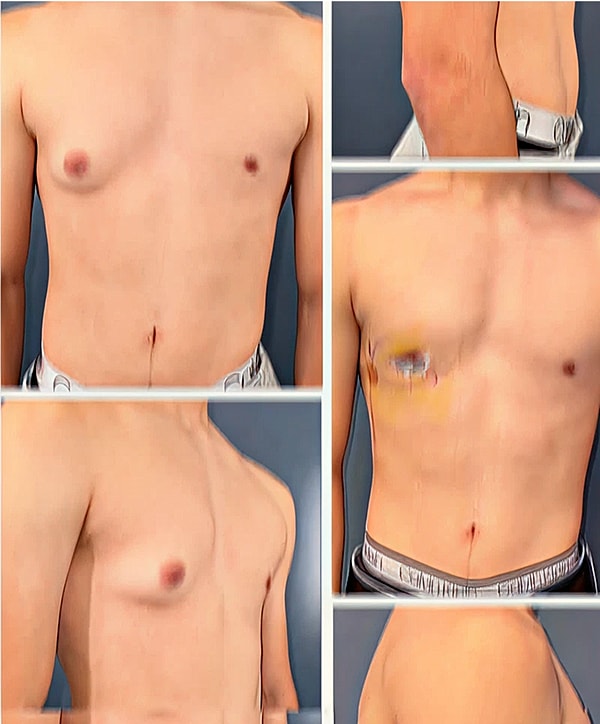
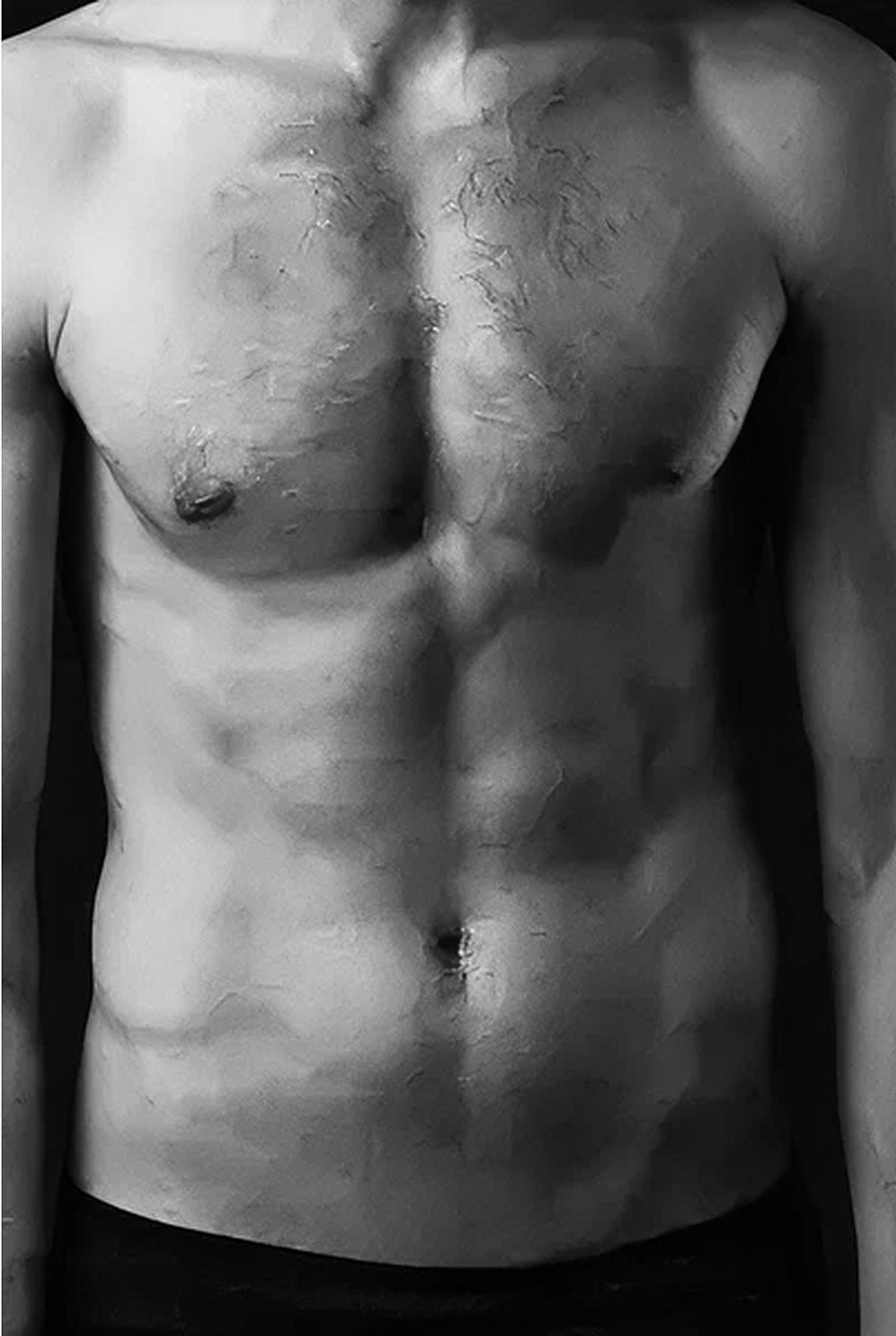
See the results Dr. Cruise has achieved for men with a wide range of chest anatomy, tissue volume, skin laxity, and gynecomastia types in our extensive Los Angeles gynecomastia surgery gallery.







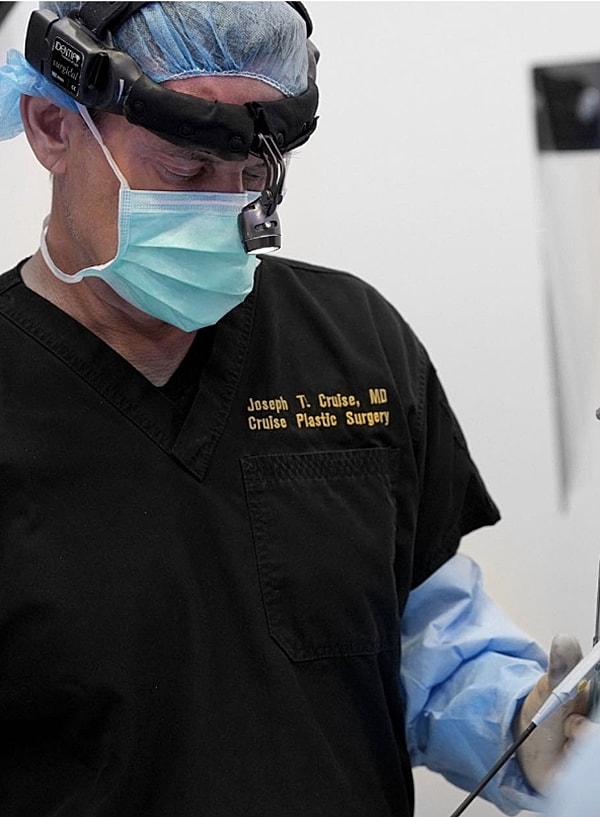
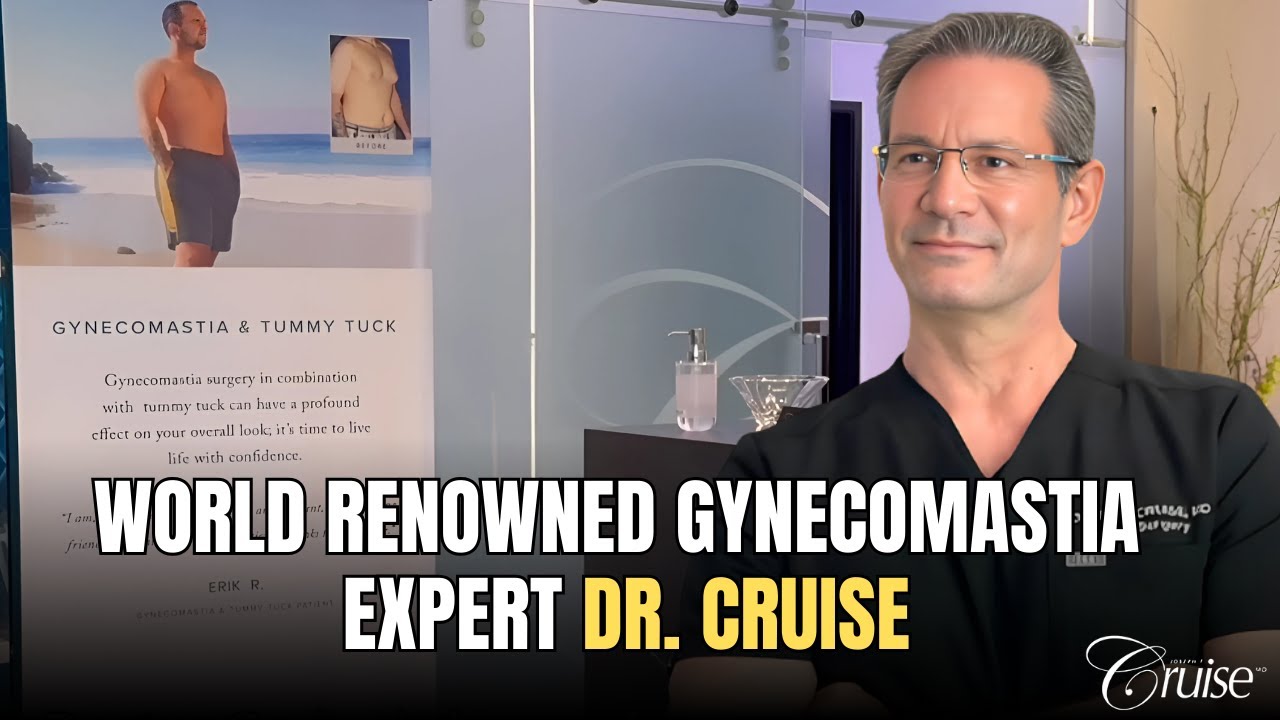
Joseph T. Cruise, M.D. is a board-certified plastic surgeon with more than 20 years of experience and an international reputation for his work in gynecomastia treatment.
Many plastic surgeons perform male breast reduction as one of numerous procedures. Dr. Cruise has devoted a substantial part of his career to studying how gynecomastia develops, how each type changes the chest, and which surgical techniques create a flatter, more masculine contour. Men from Los Angeles and around the world seek his expertise, particularly for cases involving puffy nipples, significant glandular tissue, chest sagging, asymmetry, or skin excess.
That depth of experience led him to develop the Cruise Classification System, which divides gynecomastia into six types based on breast tissue, nipple position, skin laxity, and the shape of the lateral chest fold. His role begins with an accurate diagnosis and continues through surgical planning, recovery, and long-term follow-up, with clear information at every stage.


Before deciding on gynecomastia surgery in Los Angeles, you need to know what is creating the fullness in your chest, because the cause is not always purely anatomical and may involve a hormonal imbalance, certain medications, or liver disease alongside glandular tissue, excess fat, stretched skin, nipple position, and the lateral breast roll that shape your diagnosis and surgical plan.
Dr. Cruise developed the Cruise Classification System after treating thousands of gynecomastia cases. It gives men a clearer way to understand the condition, compare the six types, and see why the same operation won’t produce the right result for every chest. With an accurate classification, you can make decisions based on your anatomy and the result you want to achieve.

The images below show the six gynecomastia types identified by Dr. Cruise. Compare them with your own chest to see which anatomy appears most familiar. As the classification advances, skin laxity increases, and the nipple sits progressively lower. Those changes often require a different incision pattern or a more extensive lift to create a properly contoured chest.

Type 1 gynecomastia is limited primarily to firm glandular tissue beneath the nipple and areola. Even men with low body fat and a defined chest can develop a noticeable projection in this area. Dr. Cruise typically corrects Type 1 through a small incision that allows him to remove the concentrated tissue and flatten the nipple-areolar complex while keeping visible scarring to a minimum.
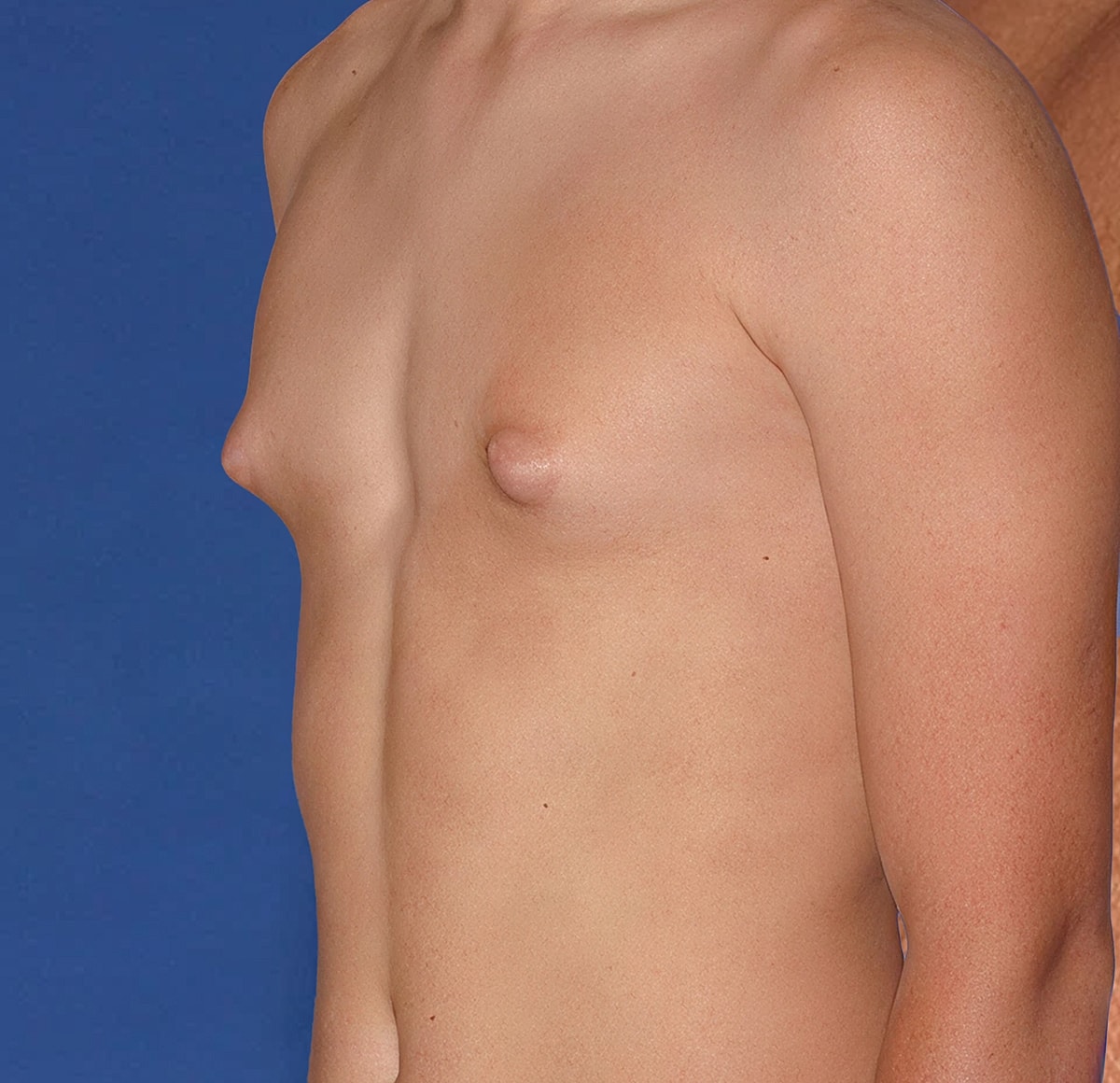
Type 2 is often called classic adult gynecomastia. The excess tissue spreads beyond the nipple-areolar complex and across the chest fold, creating a fuller or more rounded appearance. Treatment commonly combines liposuction with direct gland excision so that both fatty and dense breast tissue can be addressed. Dr. Cruise carefully blends the treated areas into the surrounding chest to preserve natural definition and prevent an over-resected look.
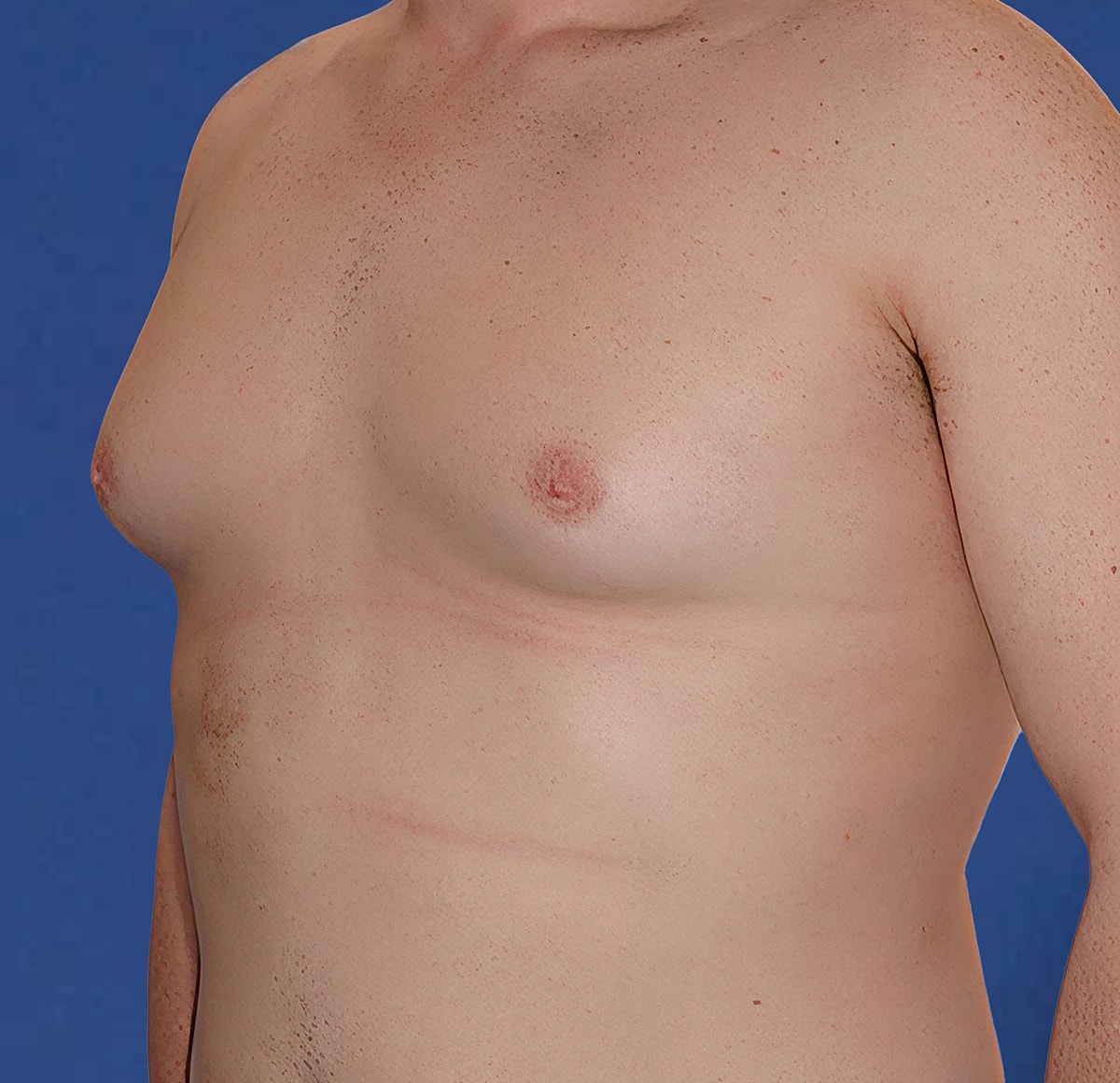
Type 3 gynecomastia usually includes excess breast tissue along with mild to moderate skin looseness. These changes can become more noticeable with age, weight fluctuation, or a gradual loss of skin elasticity. Dr. Cruise plans treatment around the amount of gland, fat, and loose skin present, using tissue removal and an appropriate skin-tightening technique to produce a firmer chest contour.
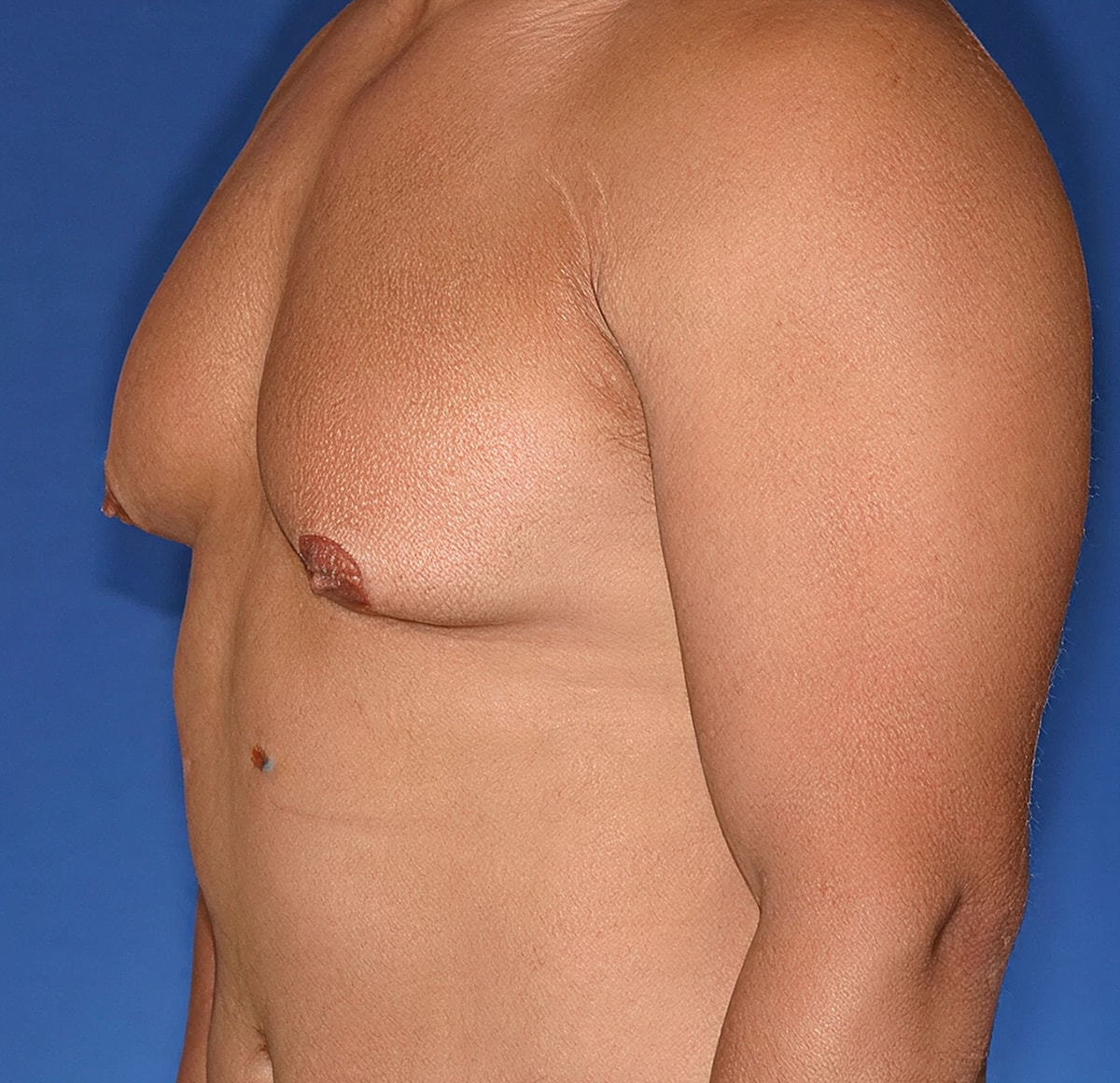
With Type 4 gynecomastia, excess tissue reaches into the axilla, and the nipple-areolar complex has dropped below the lower border of the pectoral muscle. A chest lift allows Dr. Cruise to remove breast tissue and loose skin, and in more severe cases, excise excess skin while raising the nipple to a more masculine position. The operation is designed around the individual chest so that the resulting shape looks balanced from the front and side, with natural-looking results that still preserve masculine contour.
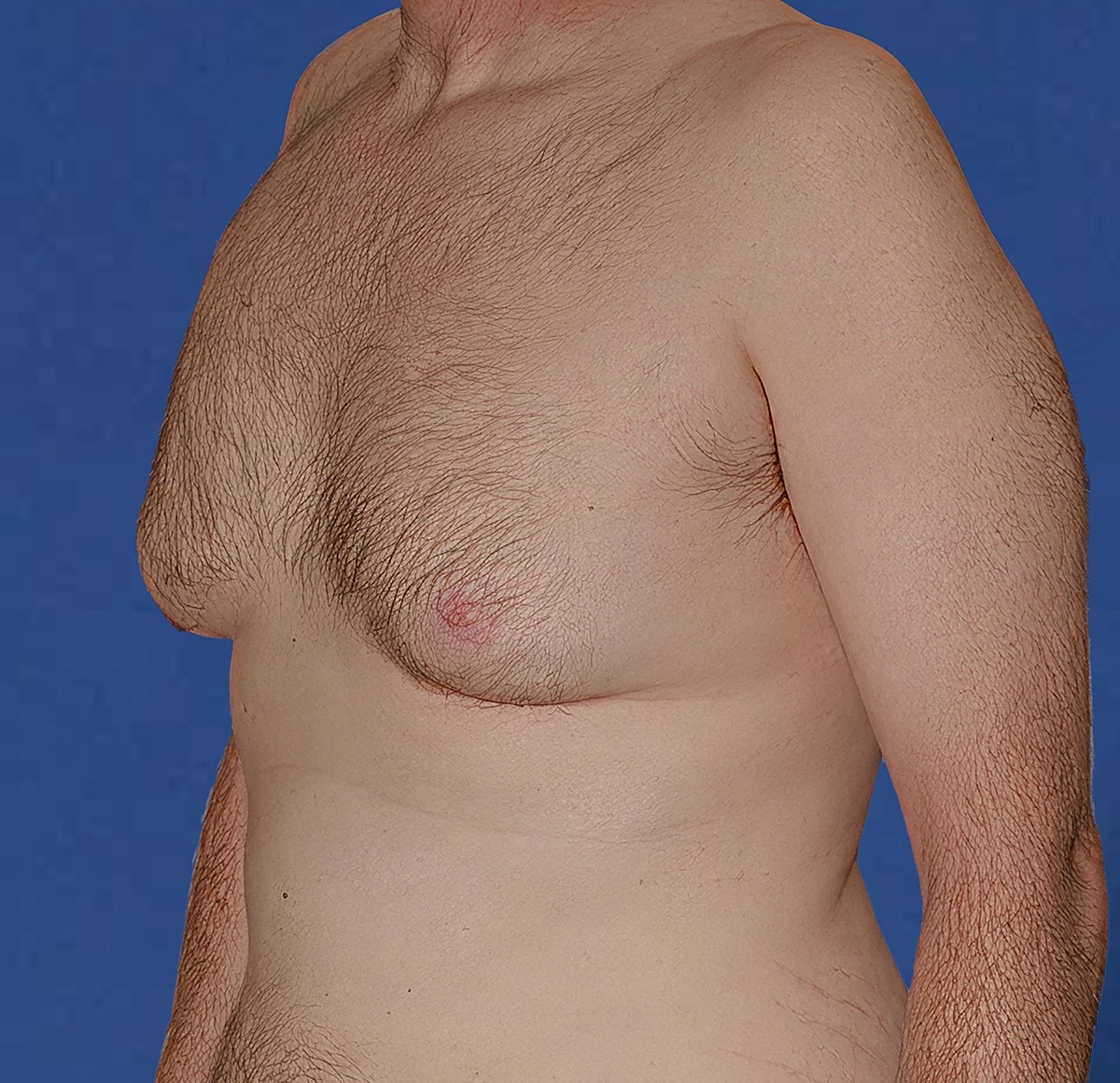
Type 5 gynecomastia involves greater skin laxity, lower nipple placement, and a breast roll that continues through the armpit; some men also have extra skin extending laterally, which affects the surgical design. Correcting the center of the chest alone would leave the side contour untreated. Dr. Cruise uses a chest and armpit lift to remove excess tissue, tighten loose skin, and reposition the nipple when this approach is needed to correct gynecomastia by improving both the central chest and side contour.
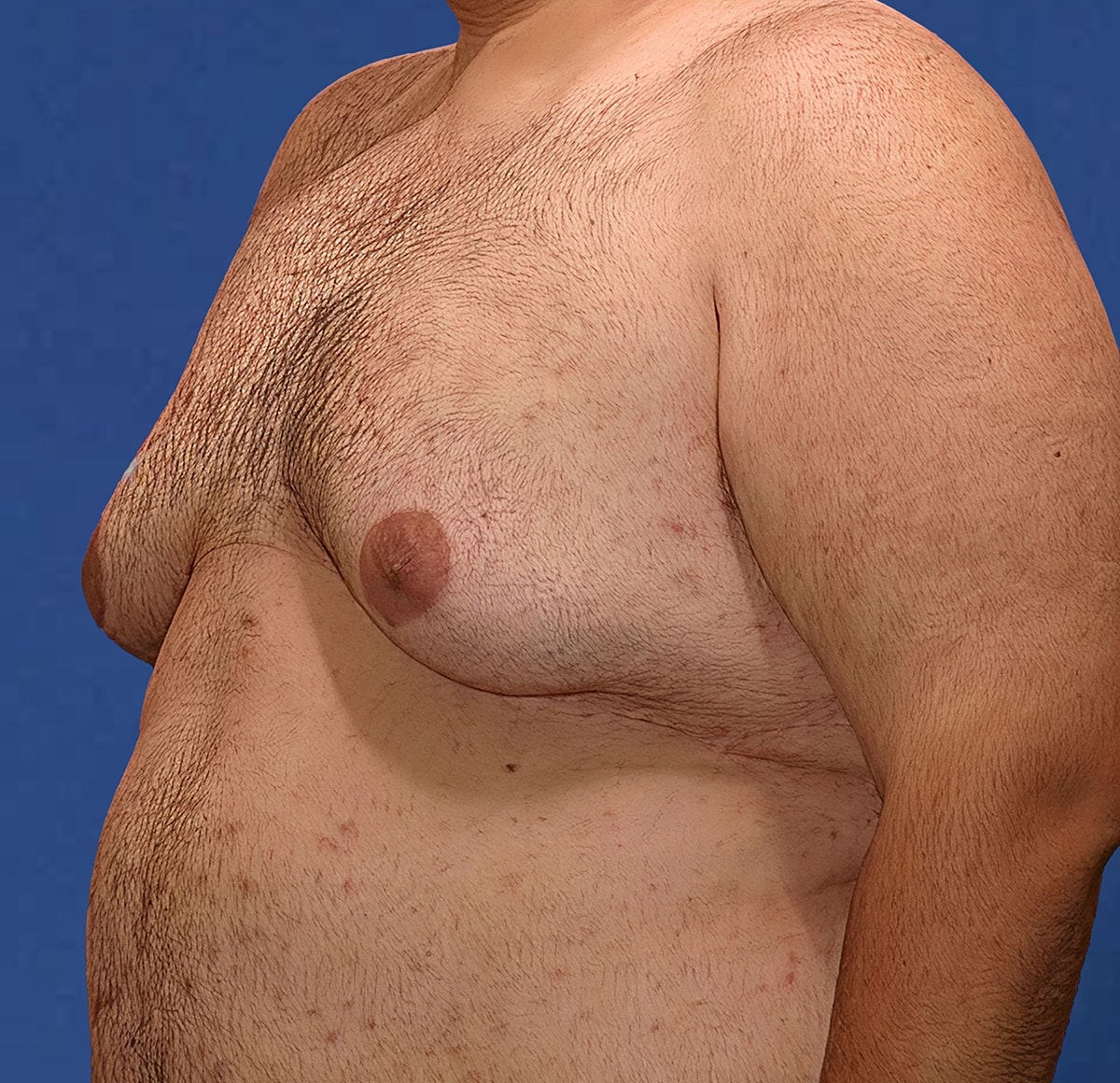
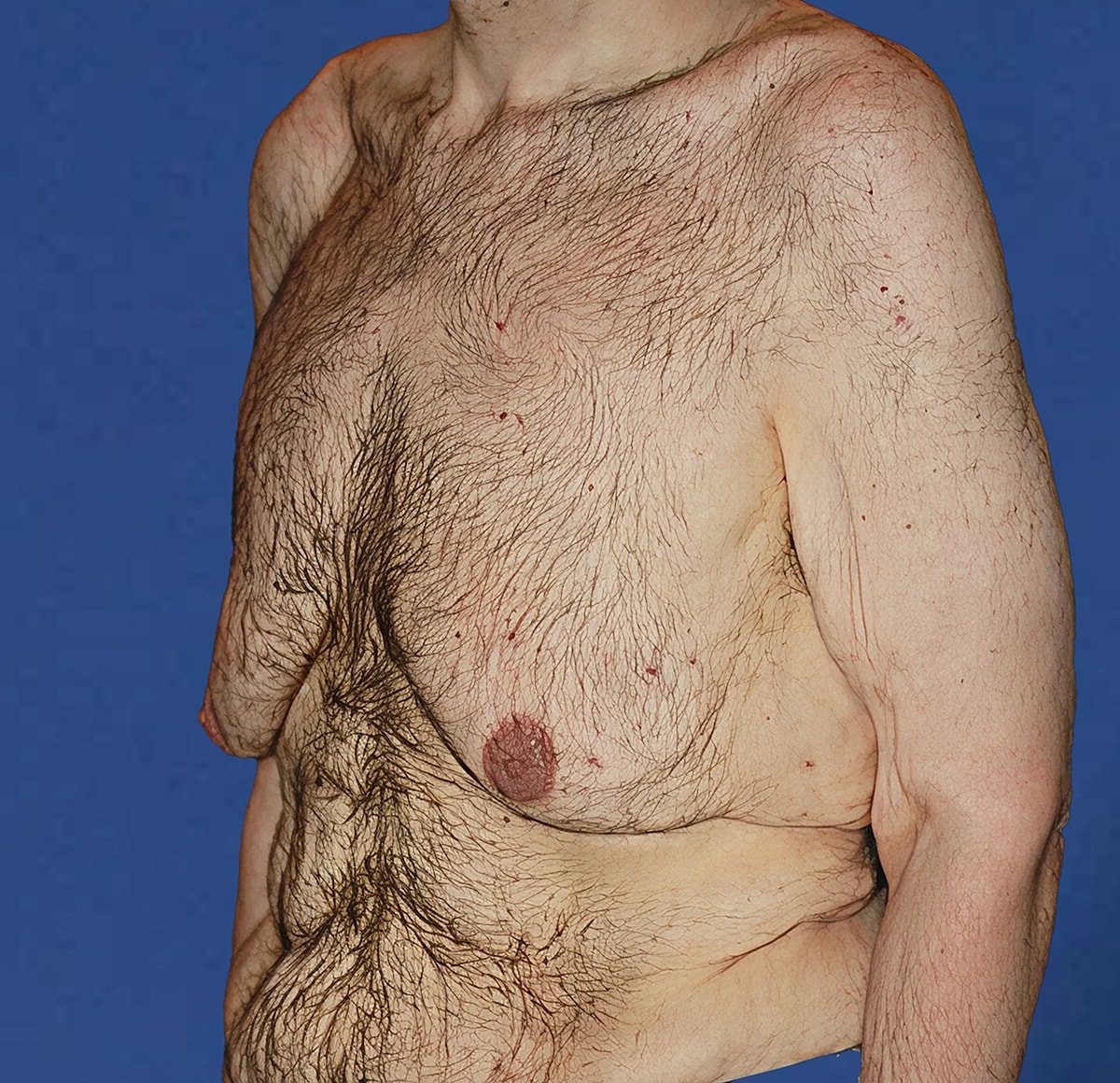
Type 6 is the most extensive gynecomastia classification. Significant loose skin and tissue continue from the chest through the armpits and around the back, often following massive weight loss. An upper body lift removes this tissue across the full circumference of the upper torso. The incision is necessarily more extensive, but it gives Dr. Cruise the access required to create a substantial improvement in chest and upper-body contour.

For information about other cosmetic surgery services in our plastic surgery practice, visit Dr. Cruise’s sister website at www.cruiseplasticsurgery.com. That site also covers aesthetic procedures beyond gynecomastia, and men considering treatment can learn more about gynecomastia surgery through the patient videos and linked resources. You can also access lagynecomastia.org through lagyne.com and ocgyne.com.



True gynecomastia involves firm glandular tissue that cannot be removed through diet or exercise. Pseudo gynecomastia develops when excess fat creates fullness across the chest area. Many patients have a combination of breast tissue, fat, and loose skin, particularly after significant weight loss.
Losing weight may reduce chest fat, but it won’t eliminate established glandular tissue or tighten substantial excess skin.
During your consultation, Dr. Cruise examines the composition of your chest, reviews your medical history and current medications, and may recommend blood tests when a hormonal imbalance or another medical cause is suspected. This diagnosis determines which surgical options belong in your treatment plan.
Your male breast reduction surgery may include:
By identifying the source of enlarged breasts before surgery, Dr. Cruise can select the techniques most likely to correct gynecomastia, produce natural-looking results, and minimize scarring.
DETERMINE – Identify which type of gynecomastia most closely matches your chest. Good candidates are healthy and free of serious medical conditions. Candidates should also not smoke and may be asked to stop nicotine before surgery.
SEND IN PHOTOS – Men throughout Los Angeles, across the country, and overseas often have demanding schedules or live too far away for an initial office visit. FastTrack email consultations, virtual Zoom consultations, and in-person consultations are available.
CONTACT US – Reach out with your questions or schedule a consultation; contact Dr. Cruise to discuss your options.


Get direct answers about male breast enlargement, including abnormal breast development linked to adolescent gynecomastia, hormonal causes, or weight-related changes, as well as diagnosis, surgery, recovery, and causes such as certain drugs and anabolic steroids from a surgeon who has treated more than 5,000 gynecomastia cases.
The blog covers the physical causes of chest fullness, Dr. Cruise’s approach to different gynecomastia types, scar placement, healing, and the emotional effect the condition can have on men at any age, with guidance on the best treatment and when men may be advised to lose weight before surgery.
“Gynecomastia is not a disease. It is not about breast tissue, it is about self-confidence.” – Dr. Cruise
For more than two decades, Dr. Cruise has focused on the diagnosis and treatment of gynecomastia. His experience with over 5,000 cases has given him an unusually detailed understanding of how glandular tissue, fat, loose skin, nipple position, and the lateral chest fold affect the final result.
Men seeking gynecomastia surgery in Los Angeles come to Dr. Cruise with mild puffy nipples, advanced chest sagging, post-weight-loss skin excess, asymmetry, and previous surgery that didn’t produce the contour they expected. He identifies the correct classification, explains the available surgical and nonsurgical options, and provides a clear plan for treatment and recovery.