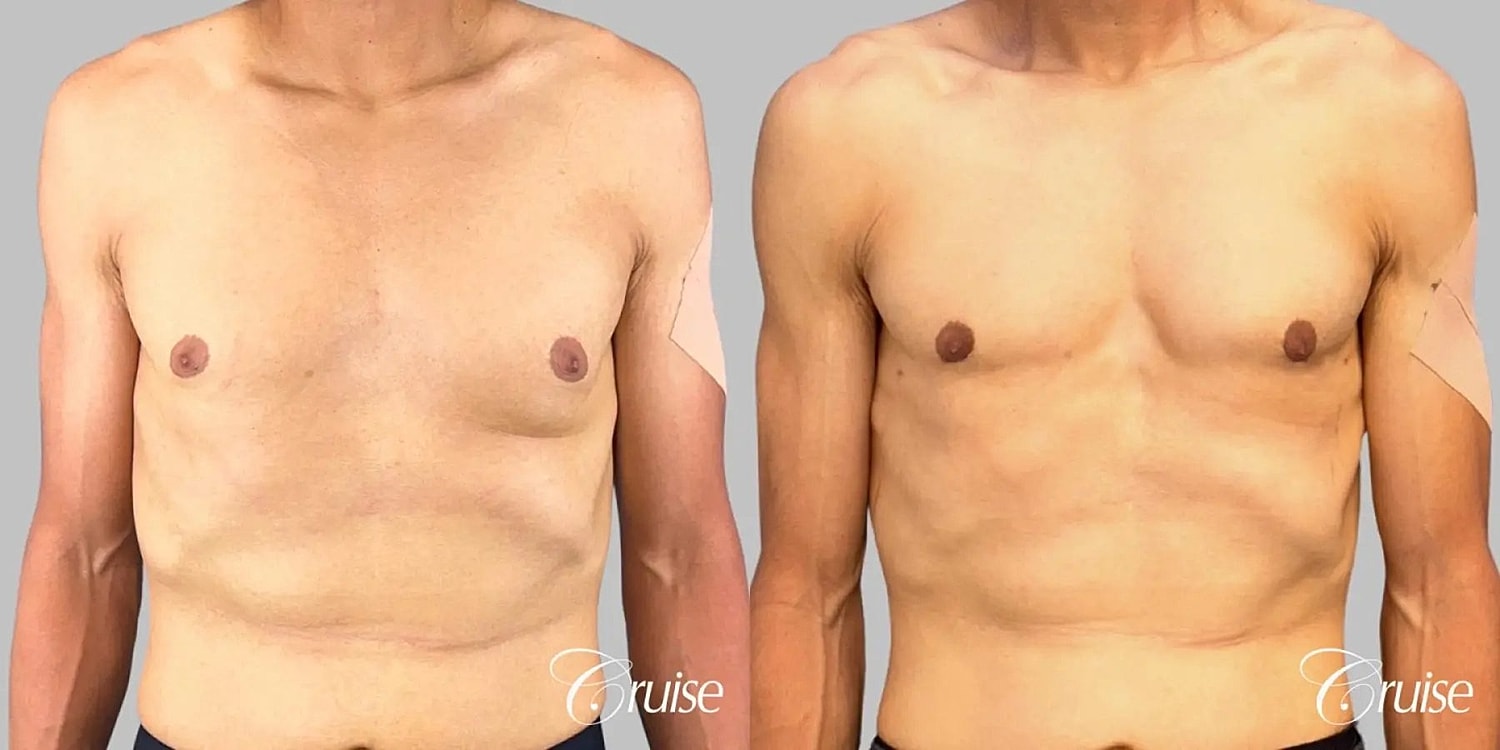
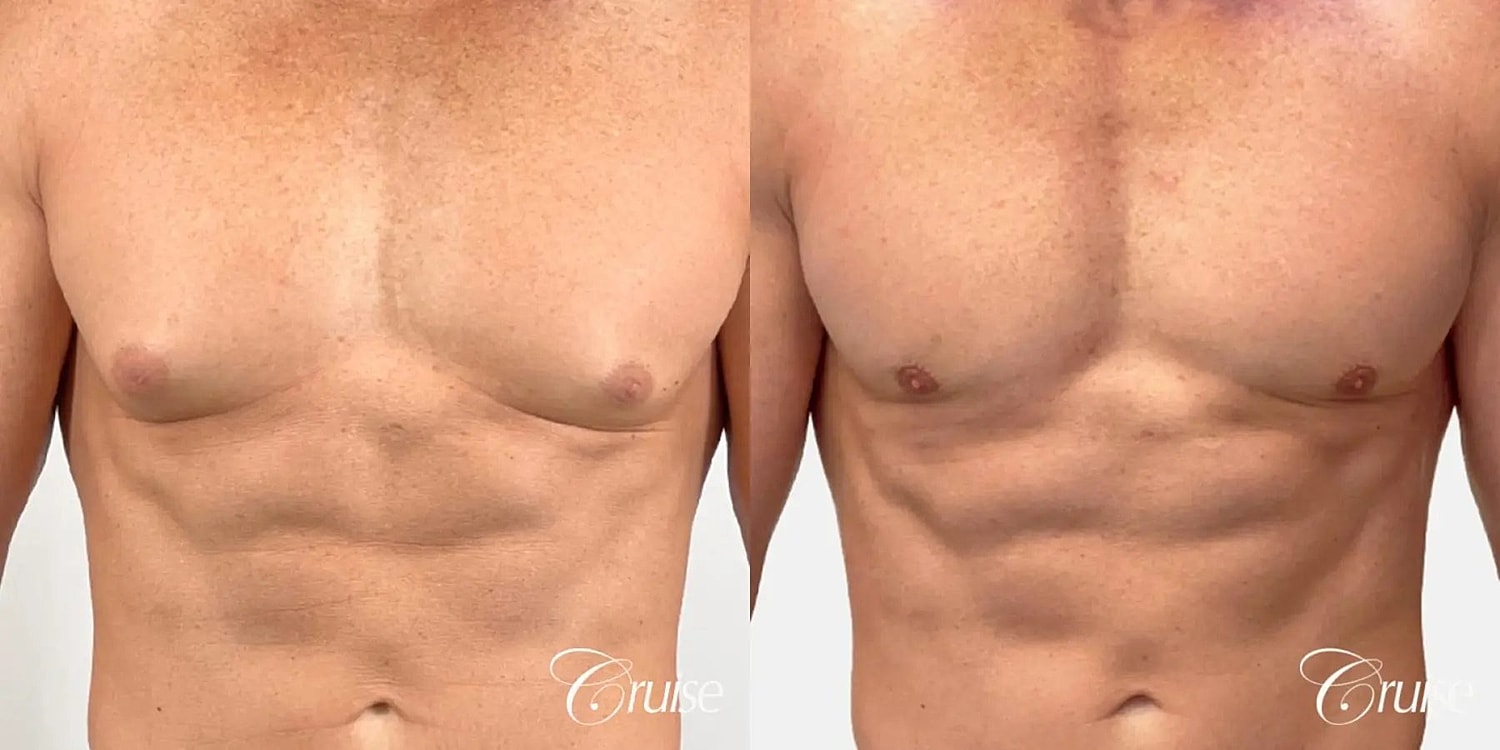
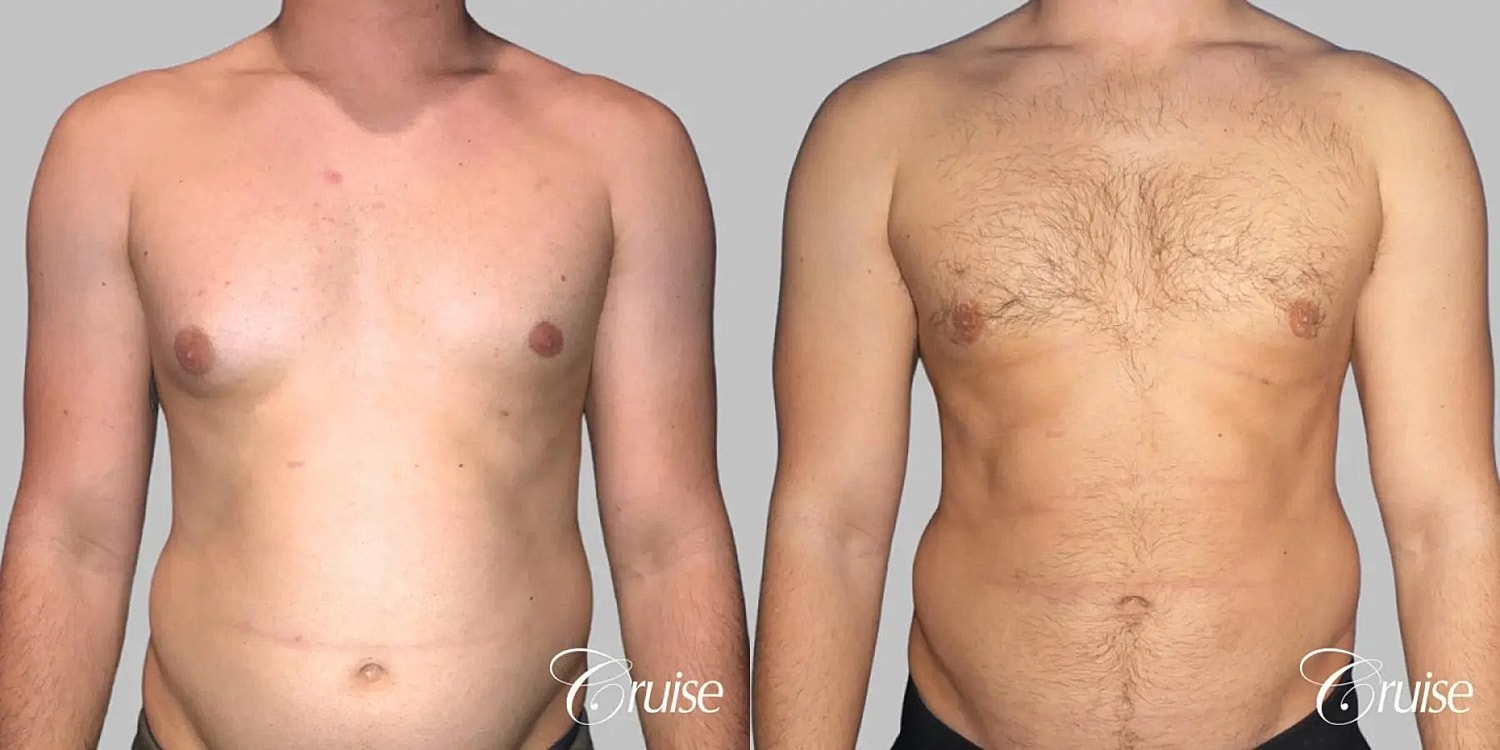
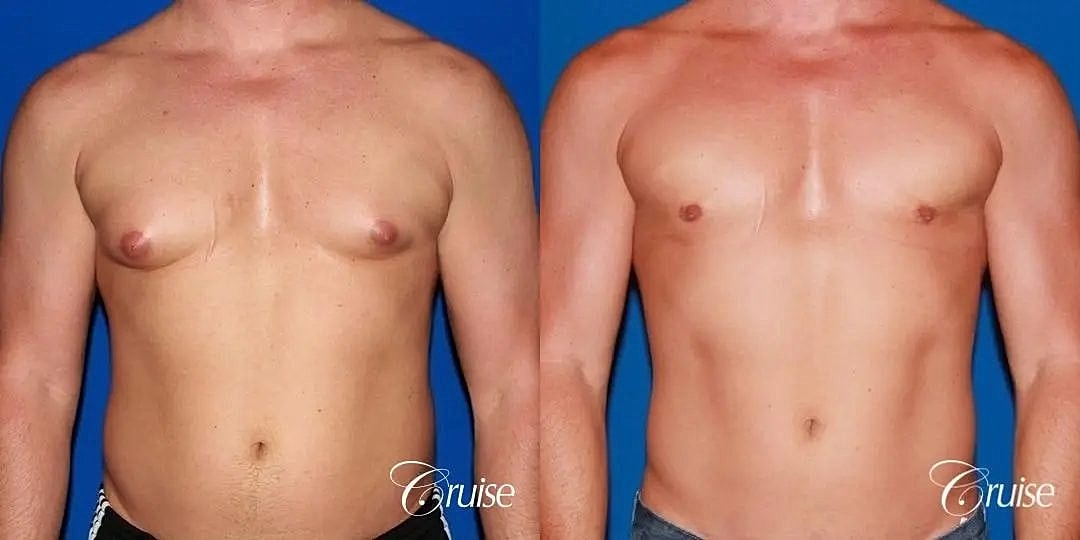
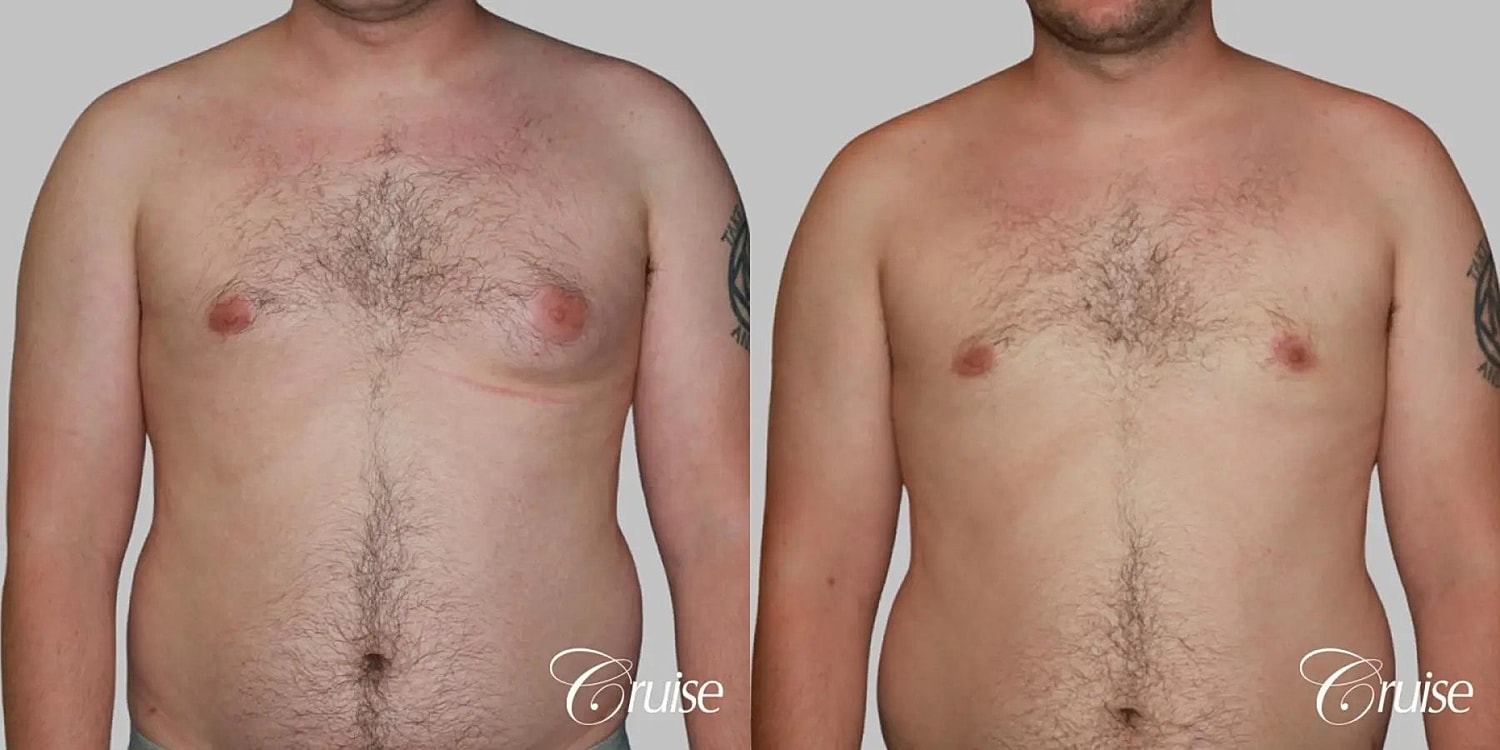
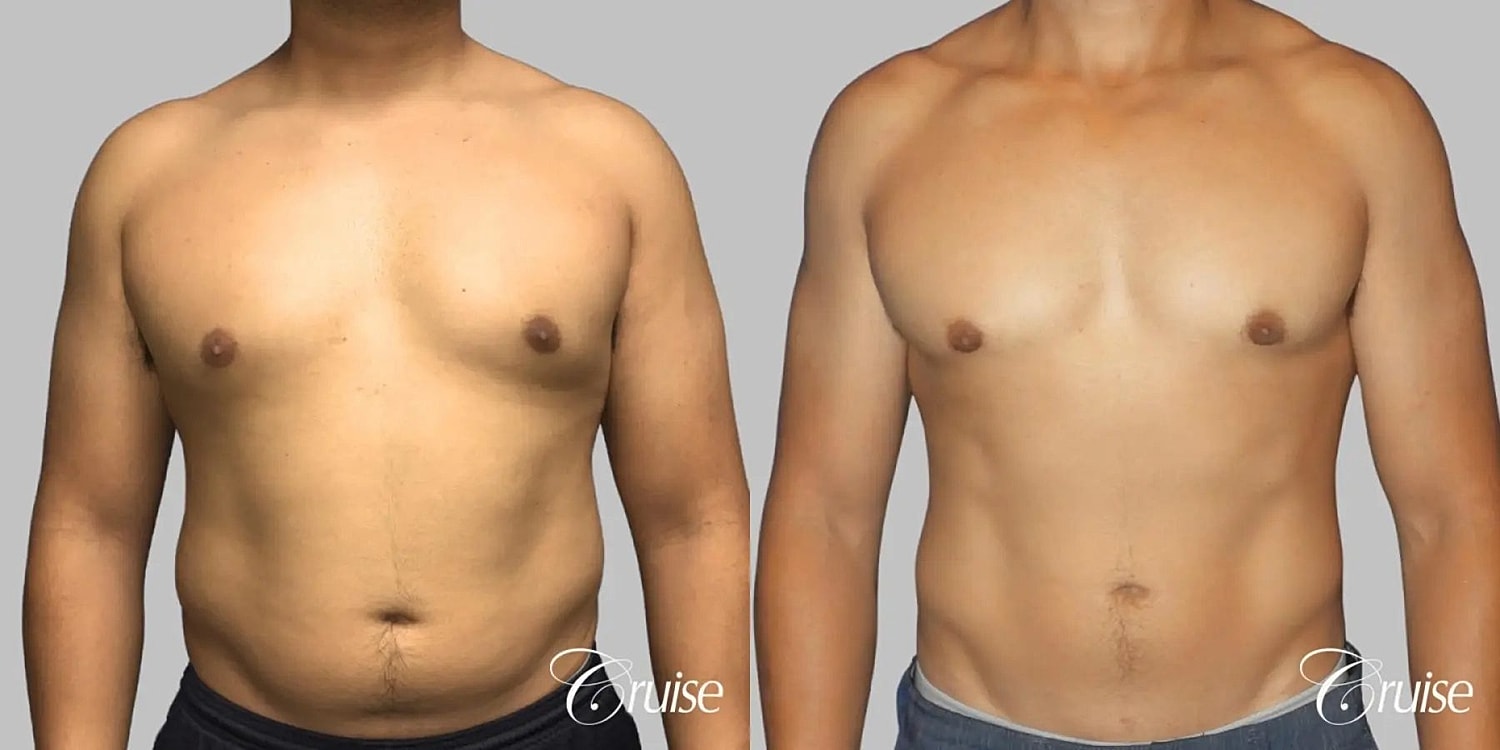
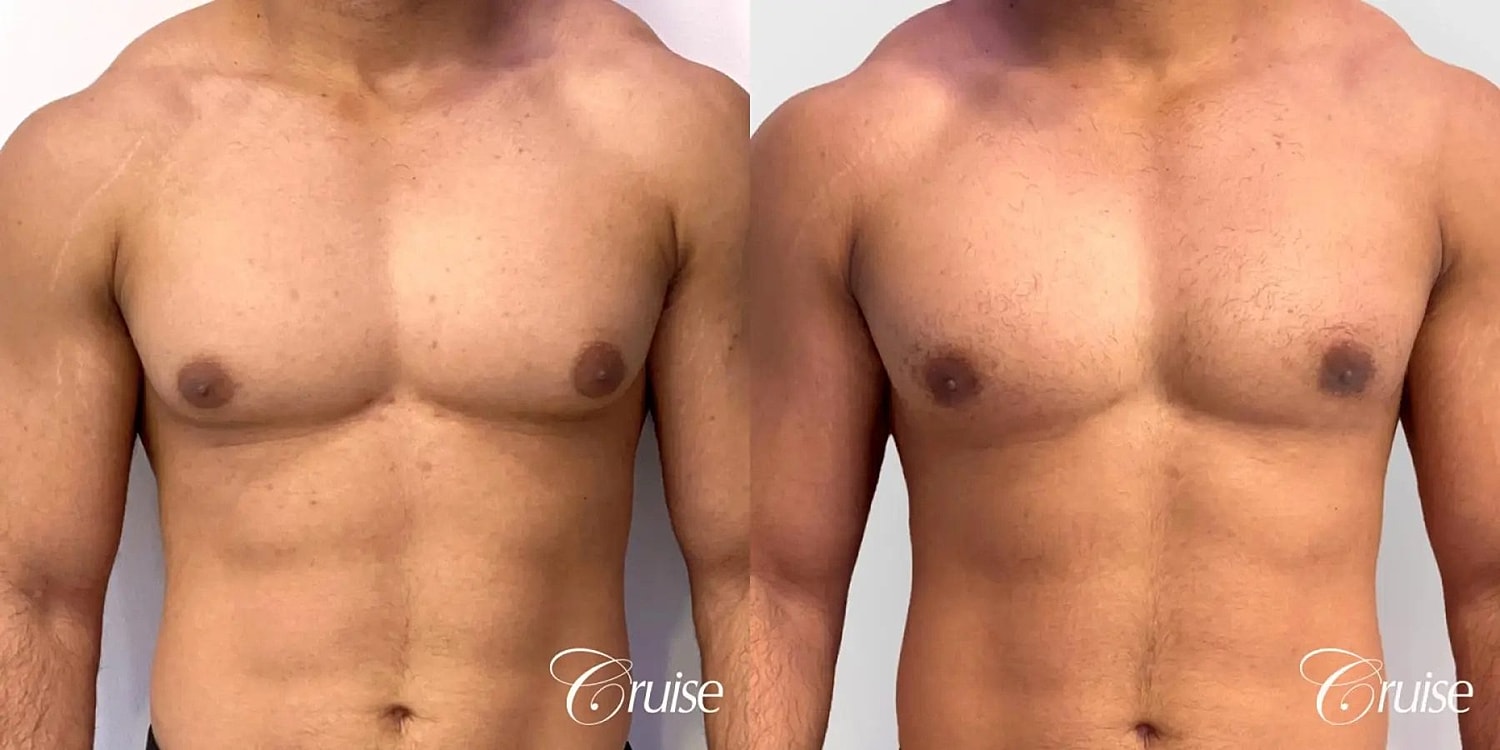
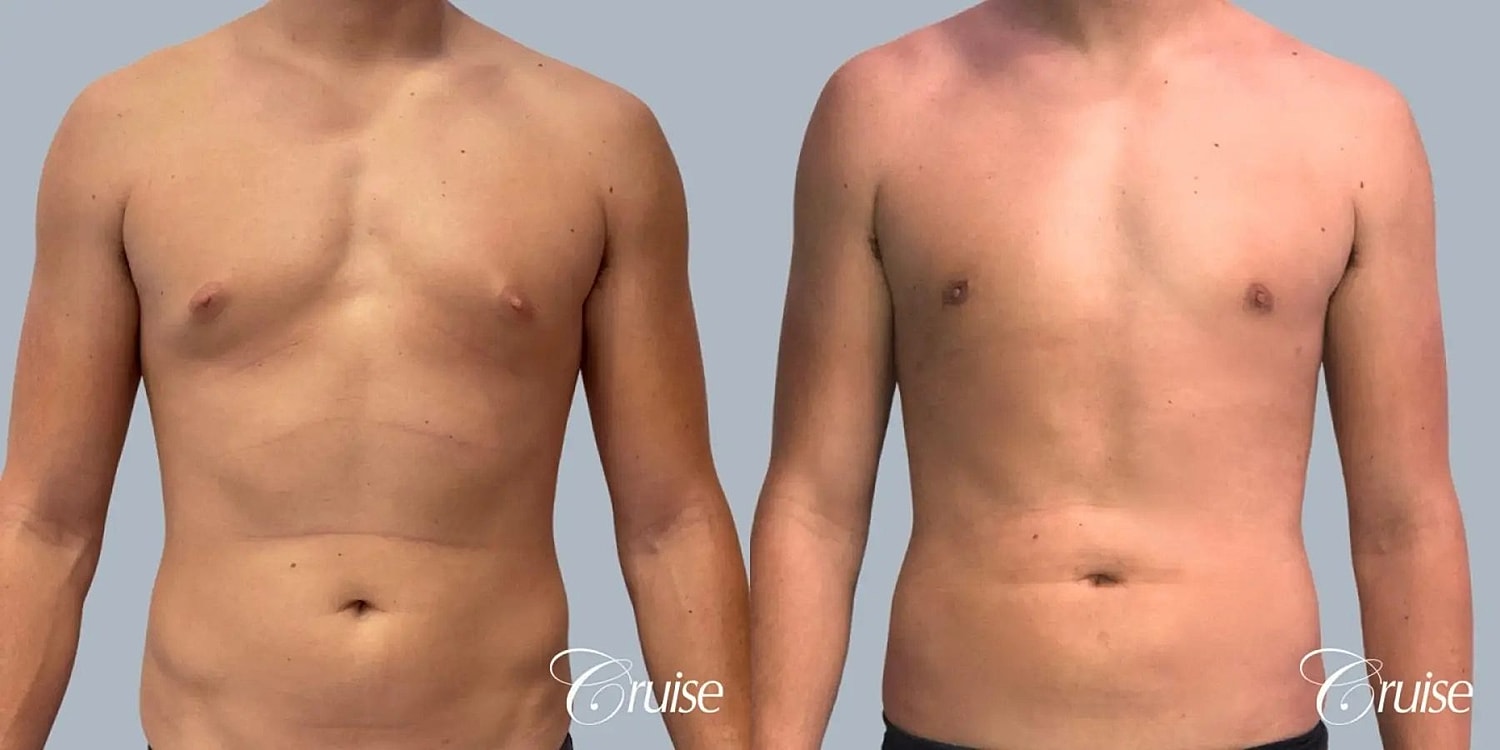
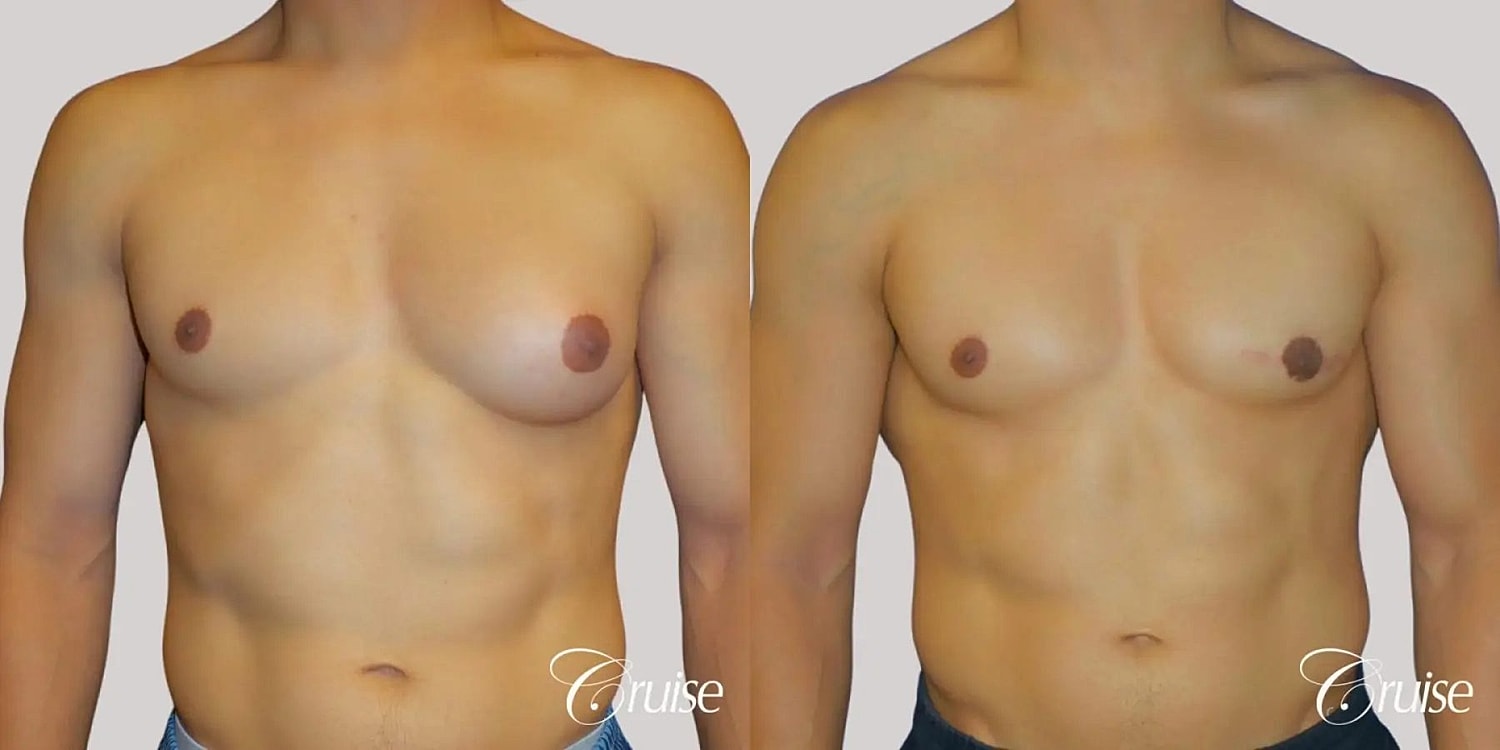
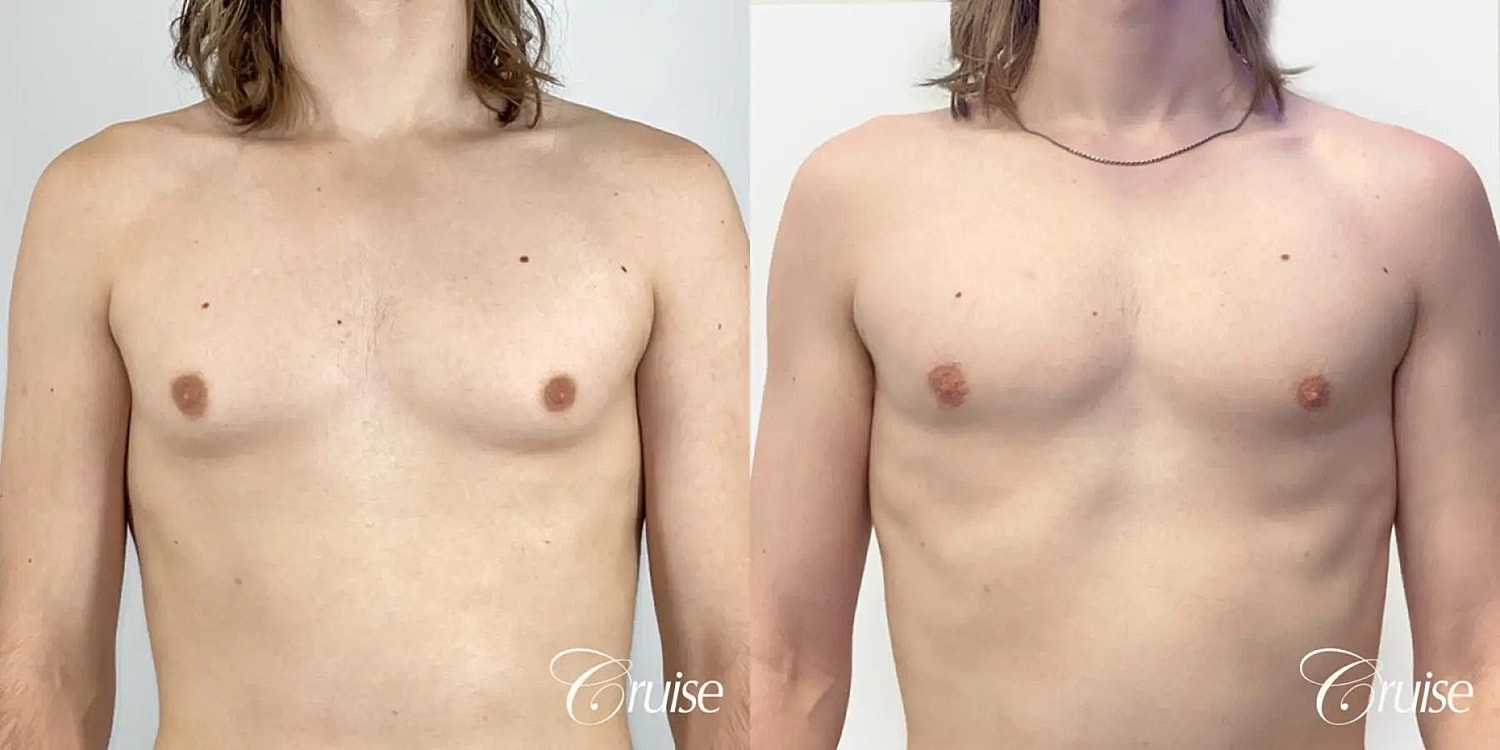
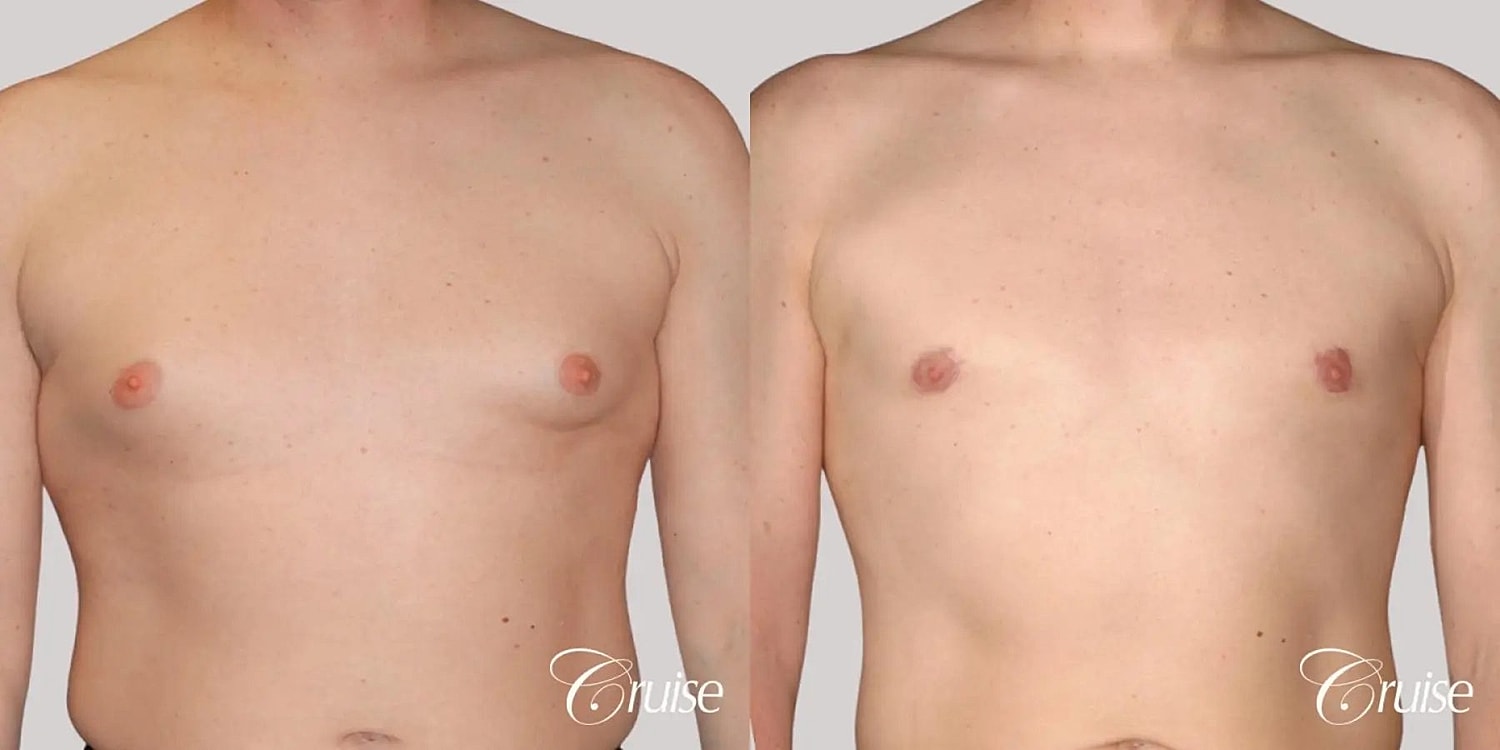
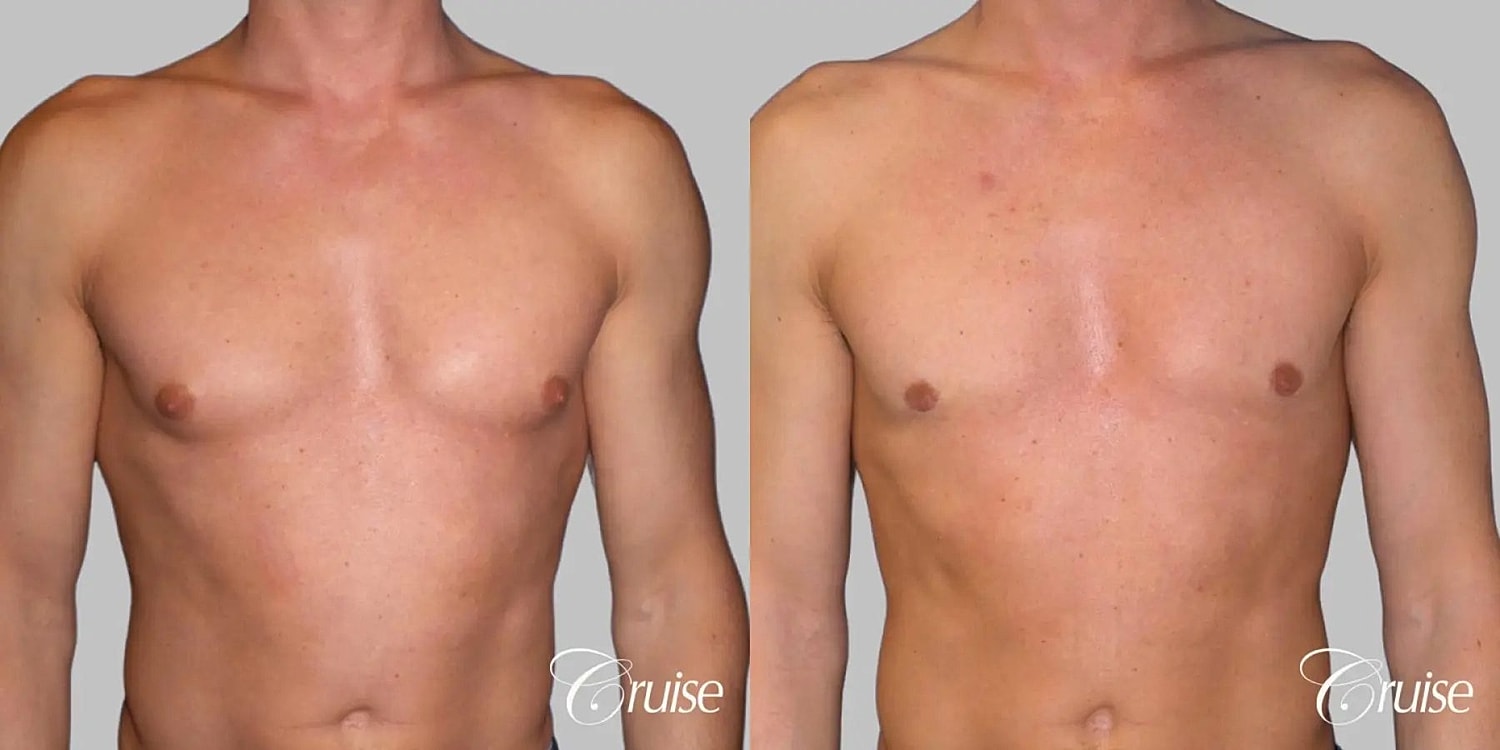
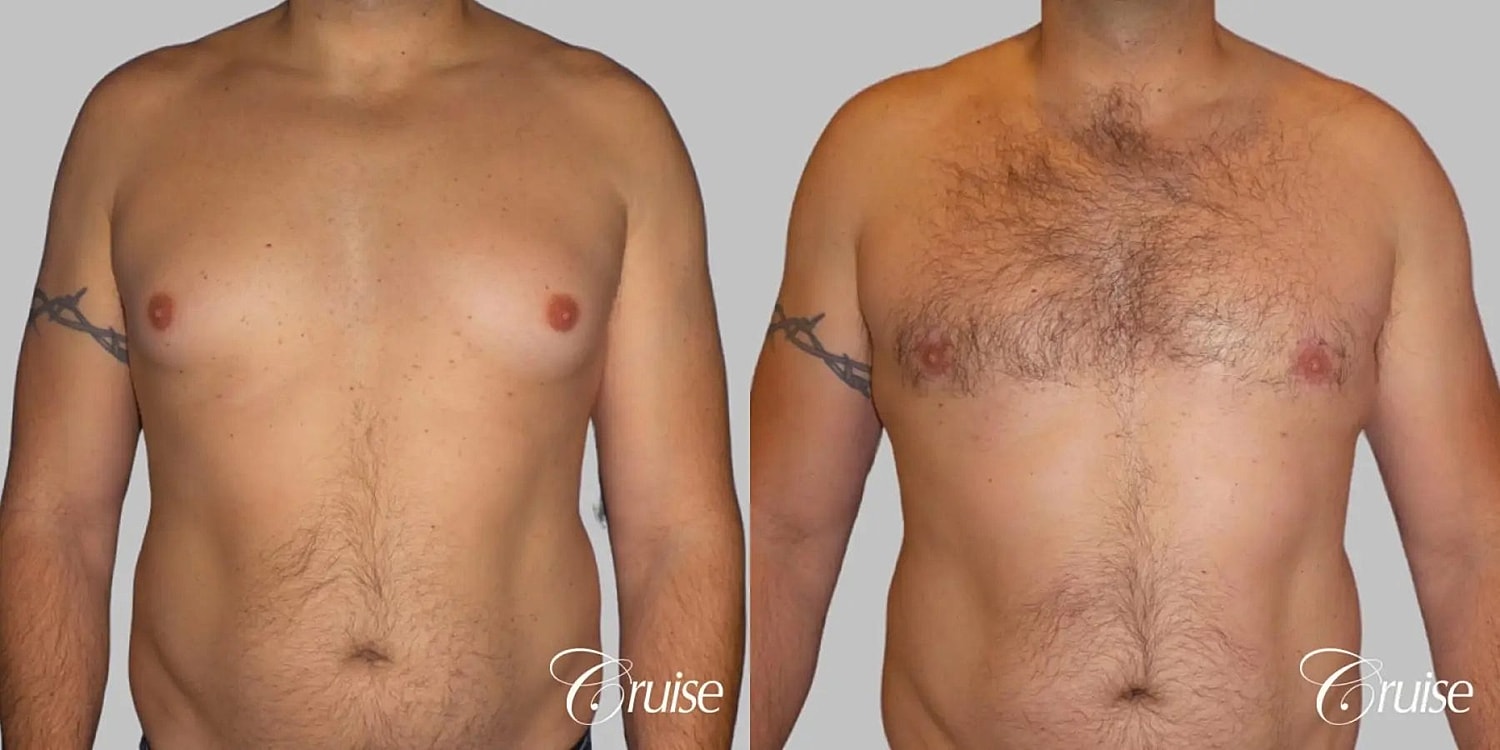
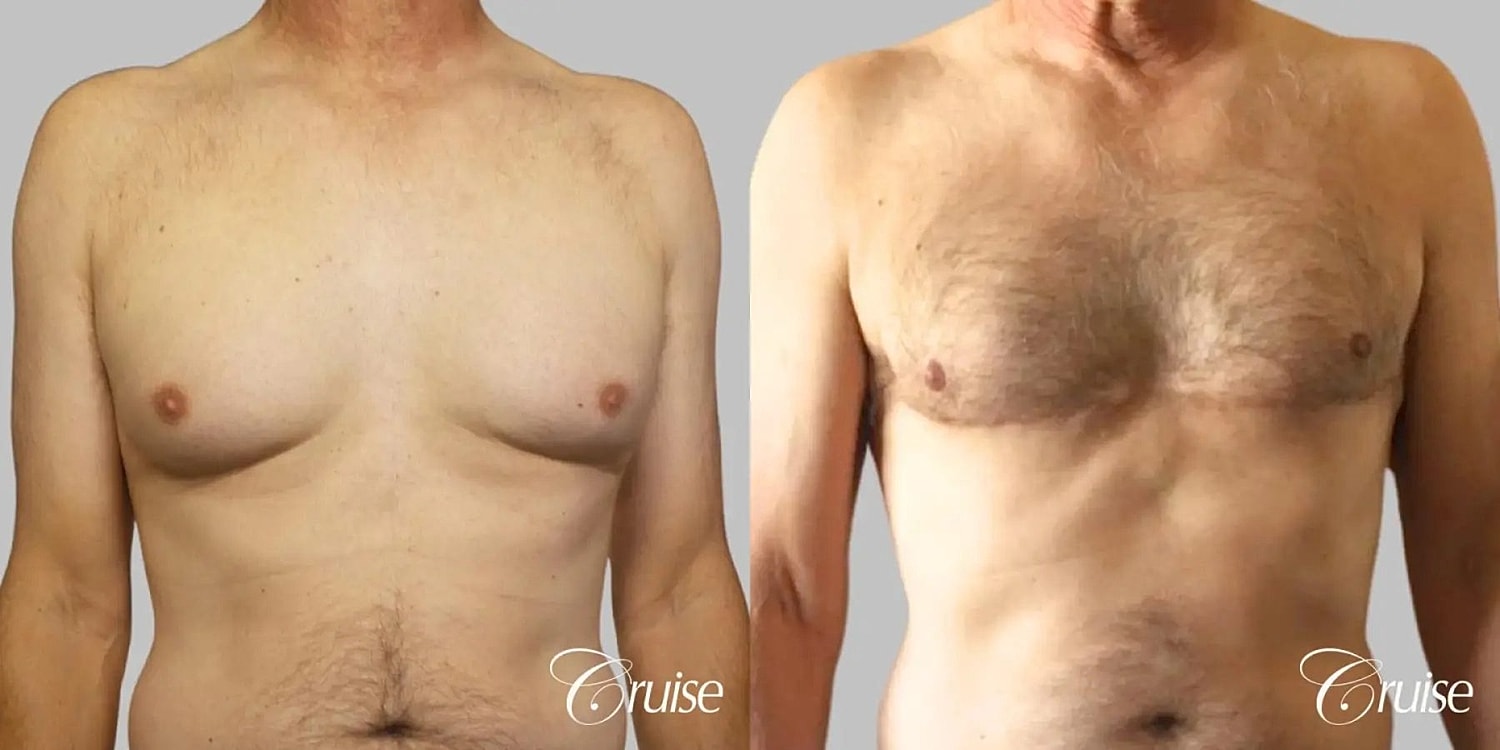
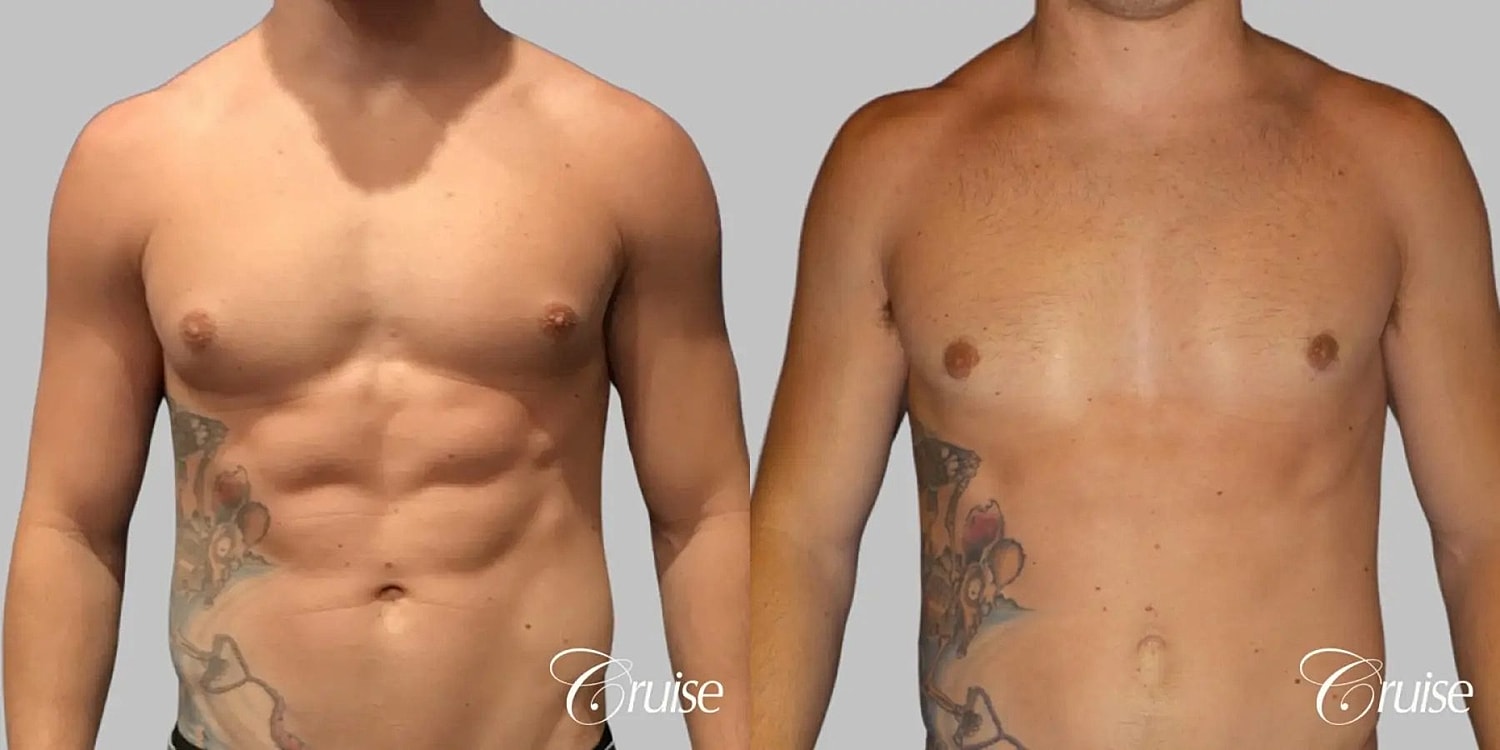
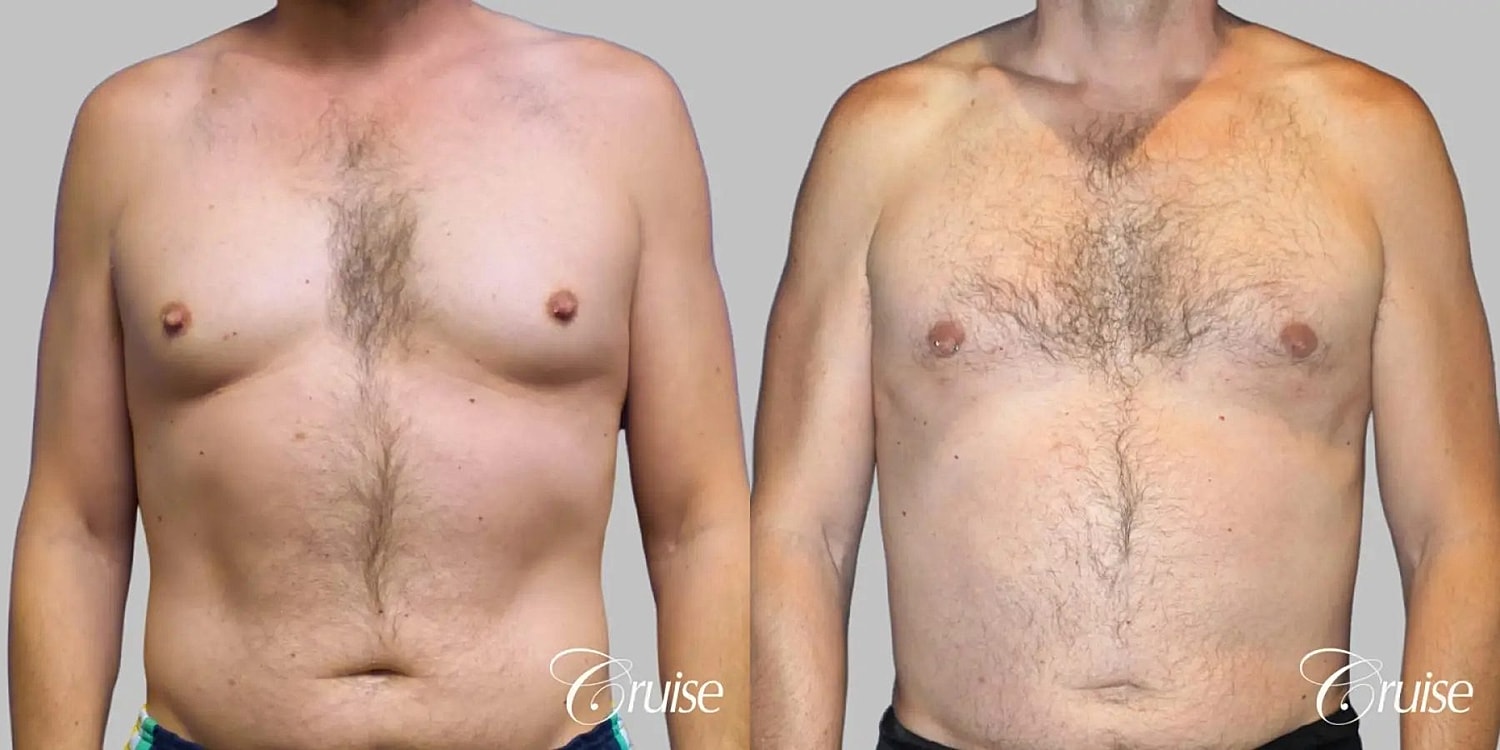
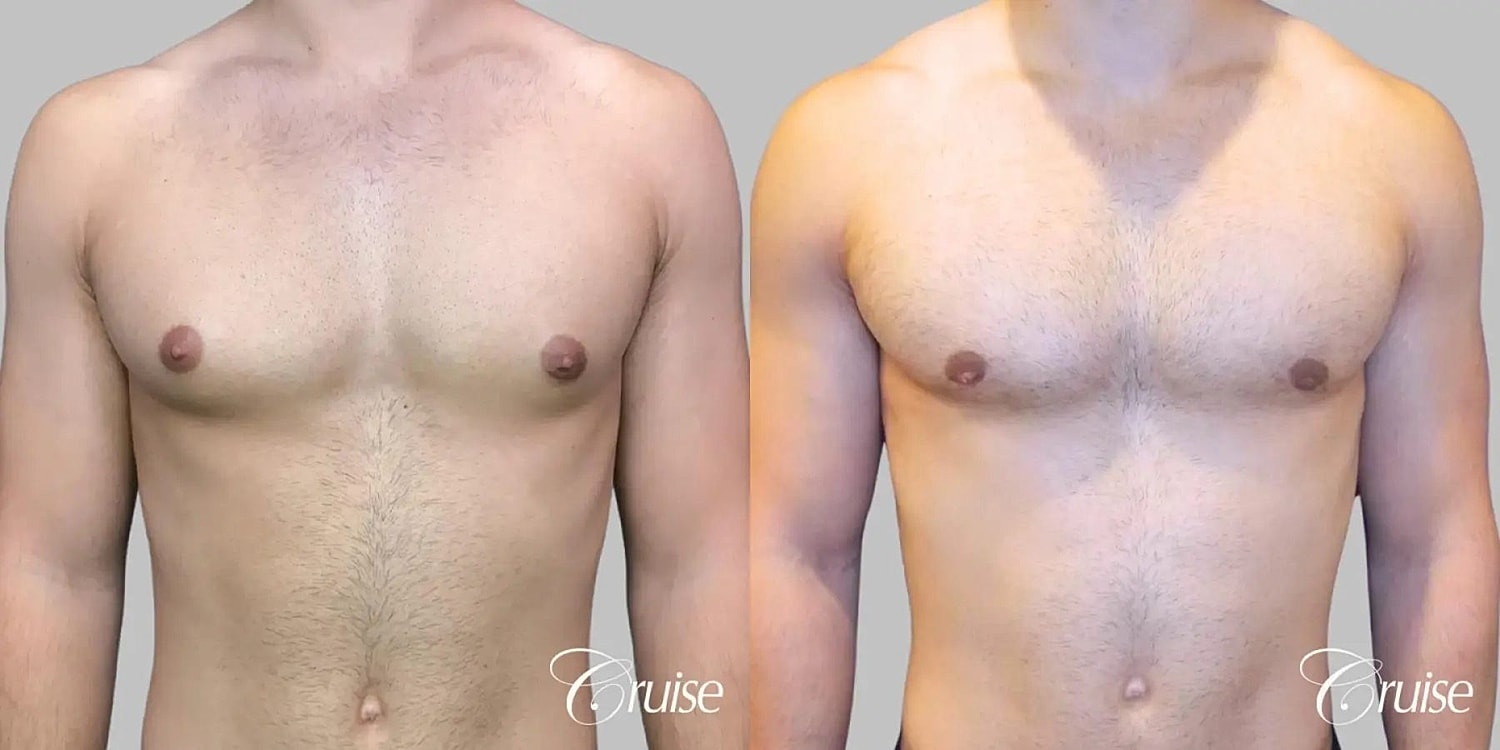
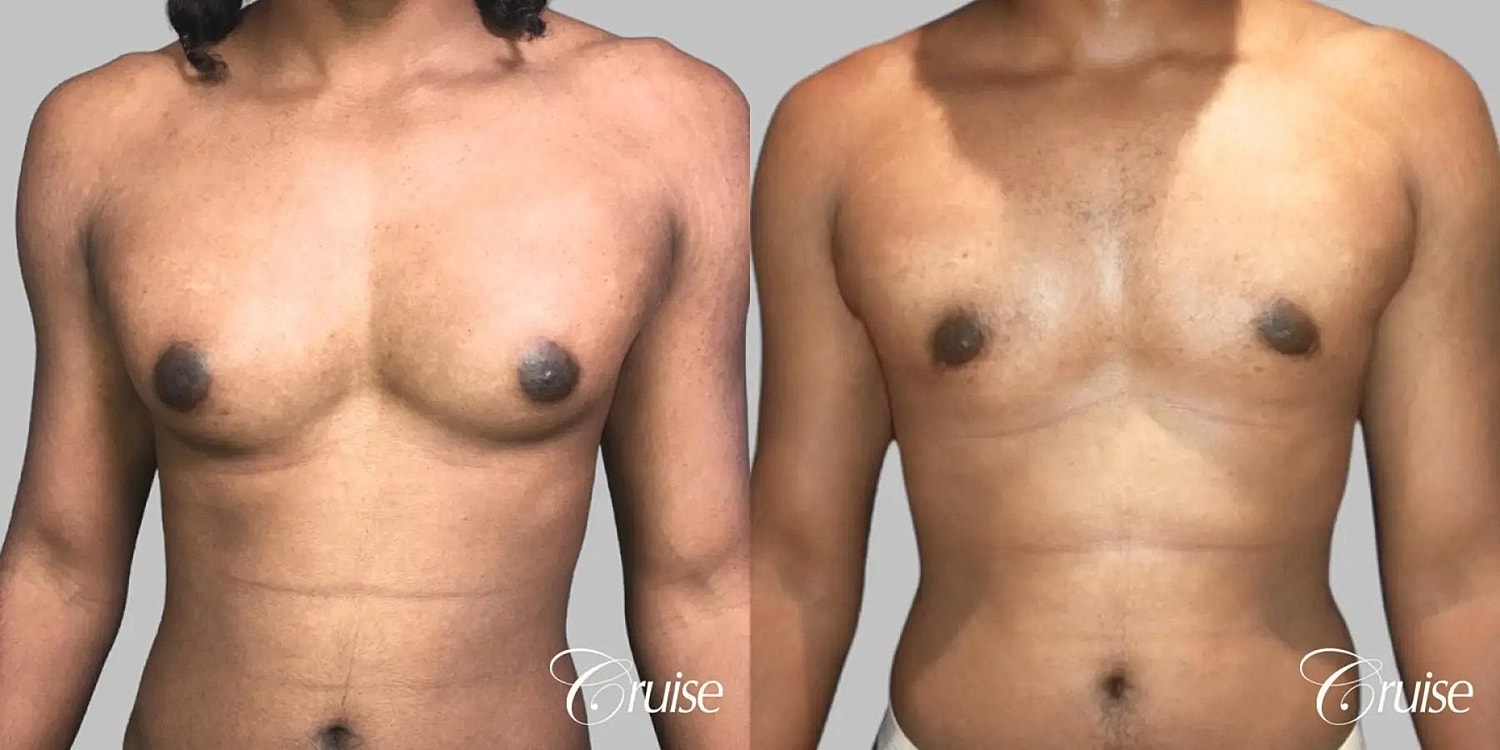
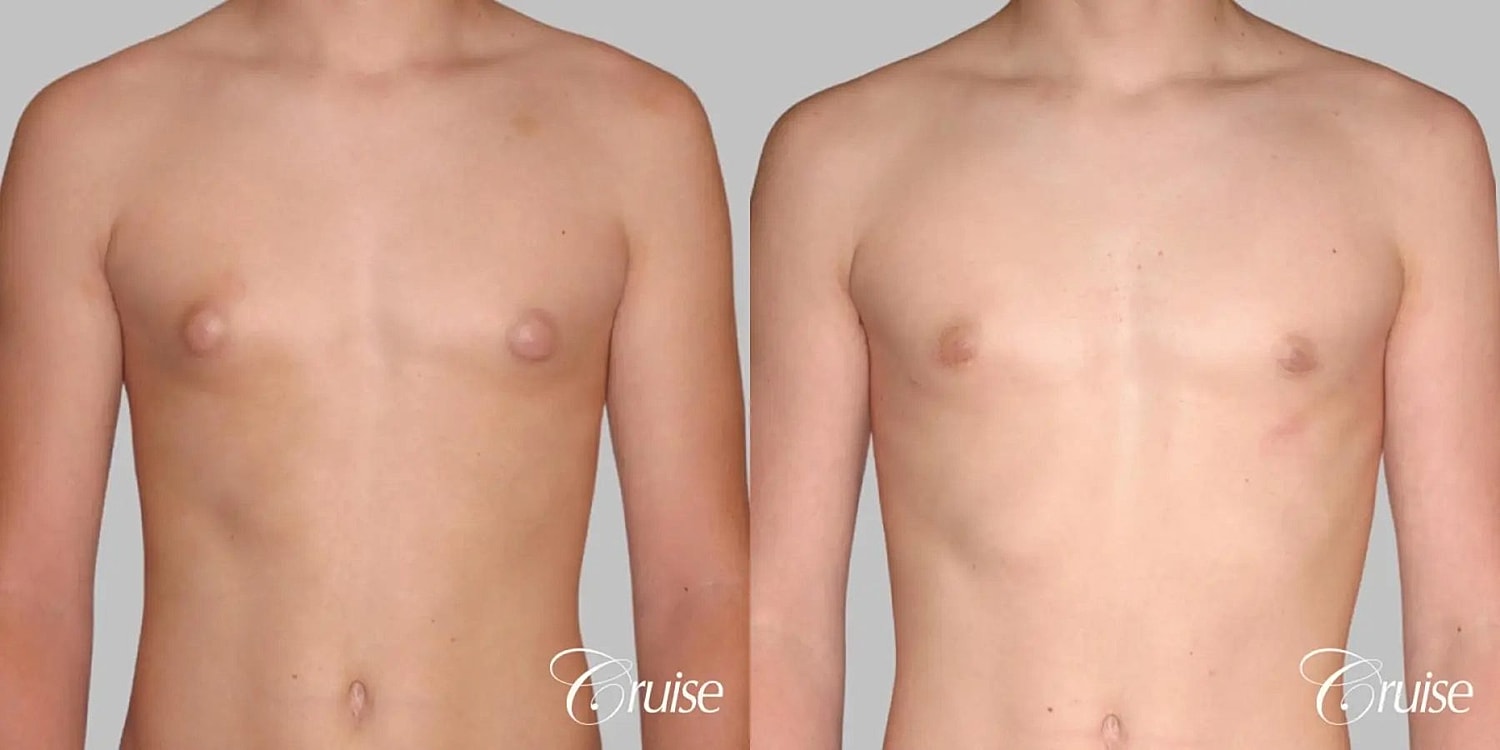
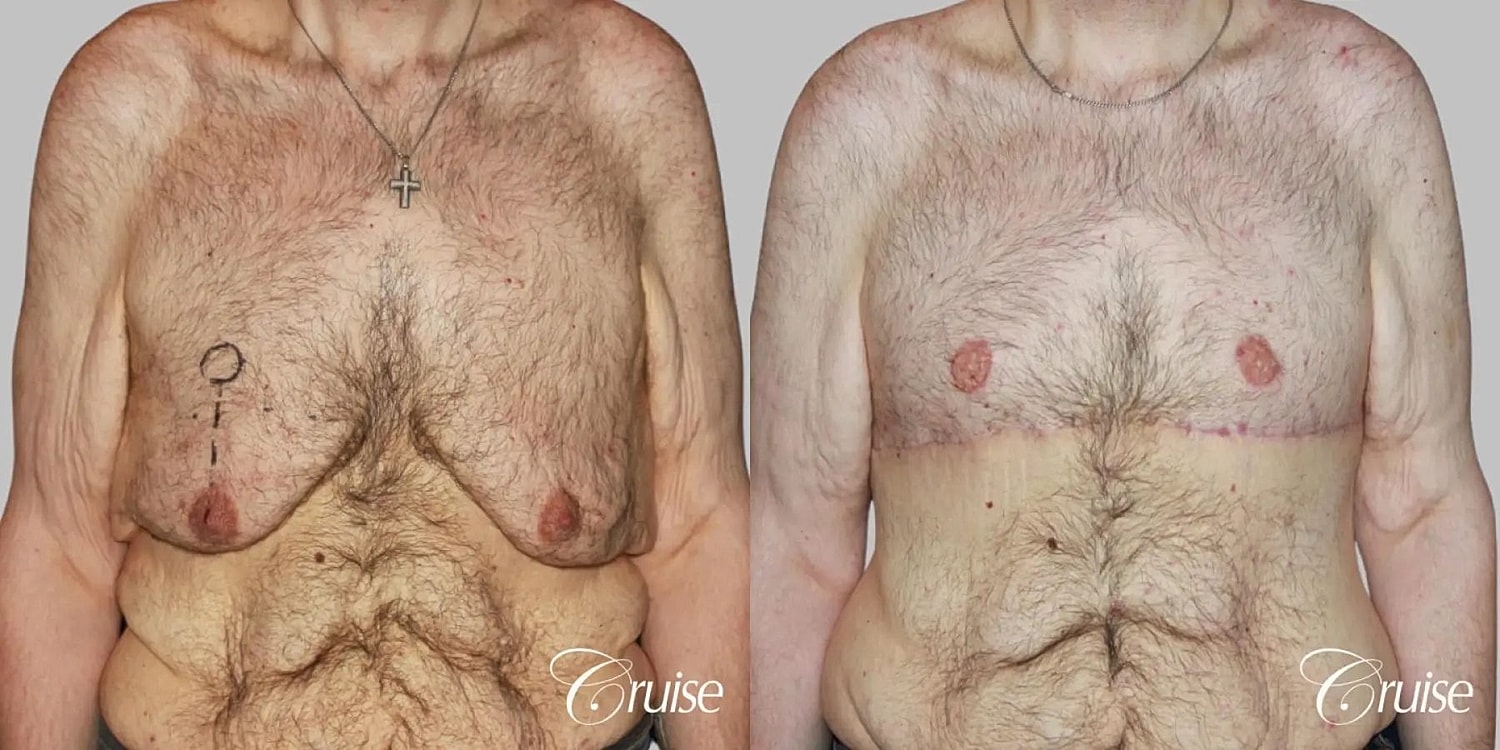
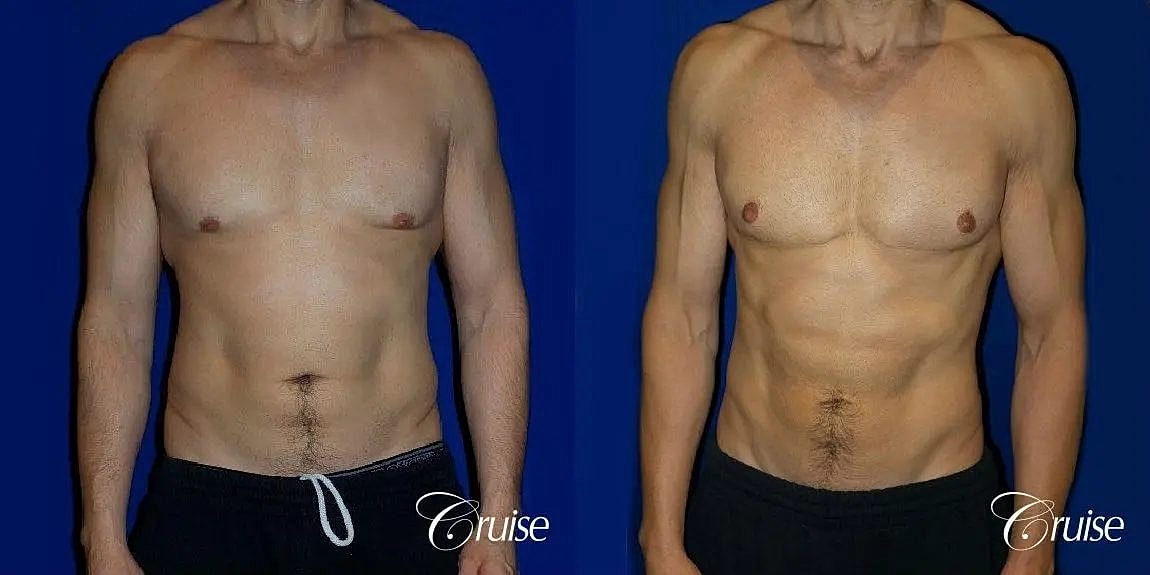
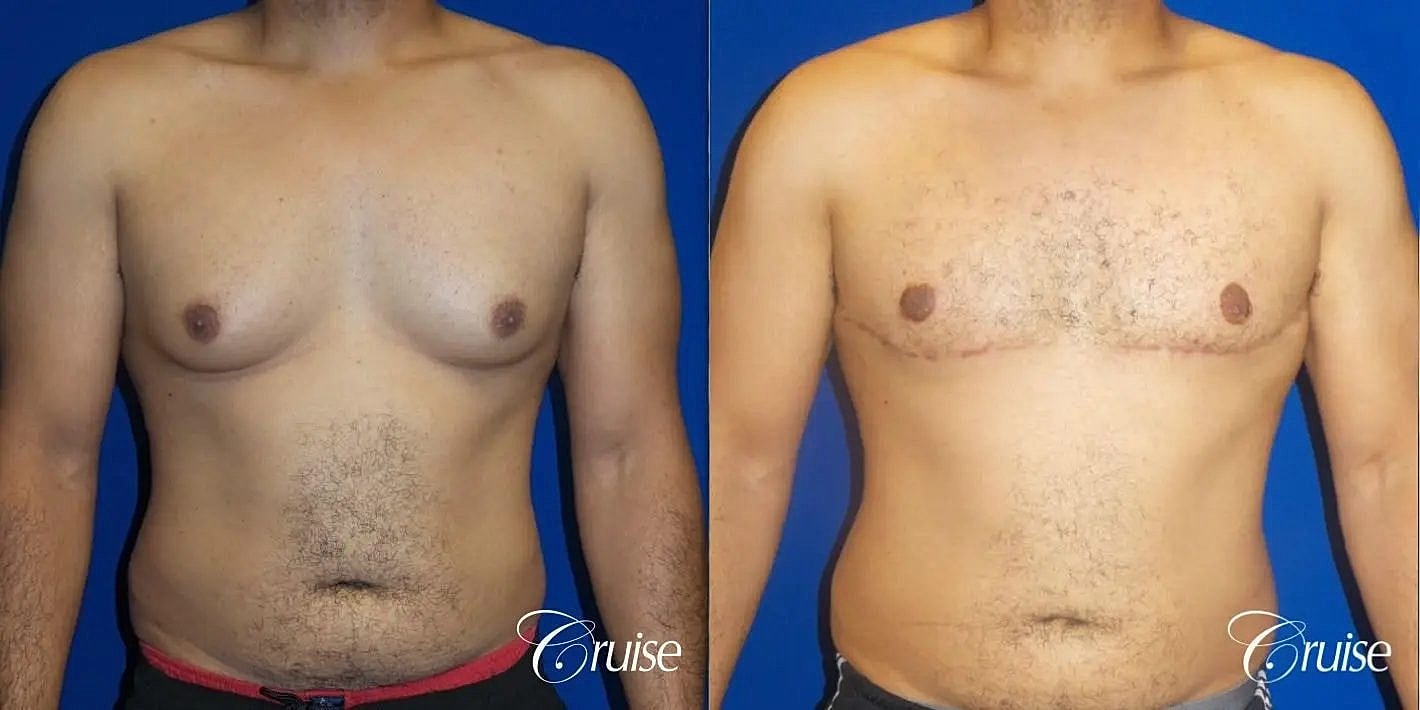
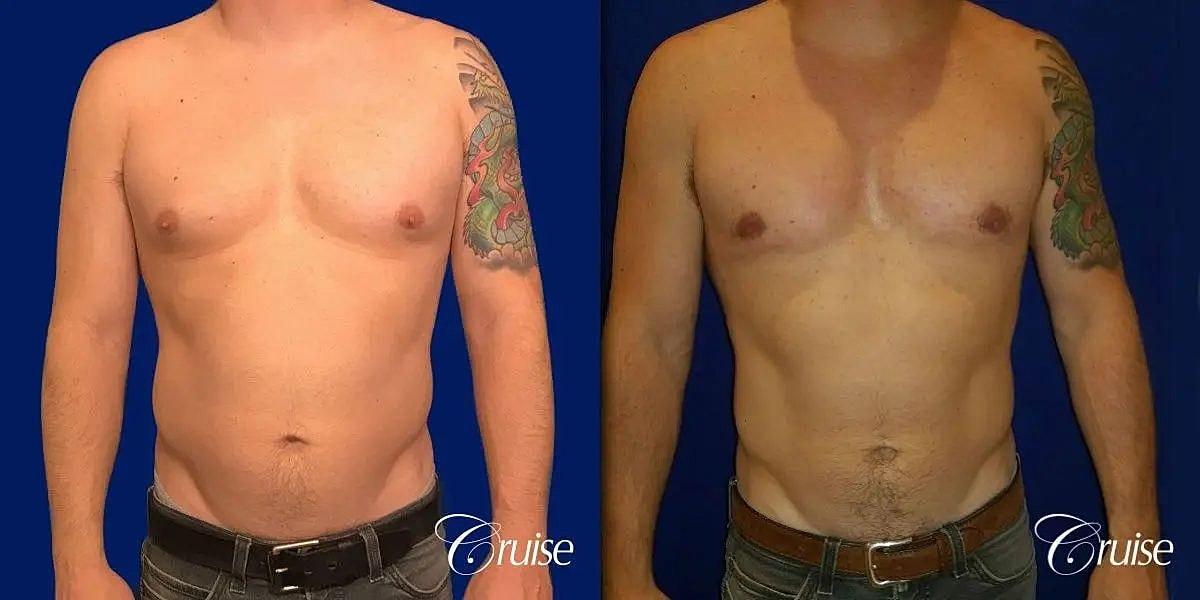
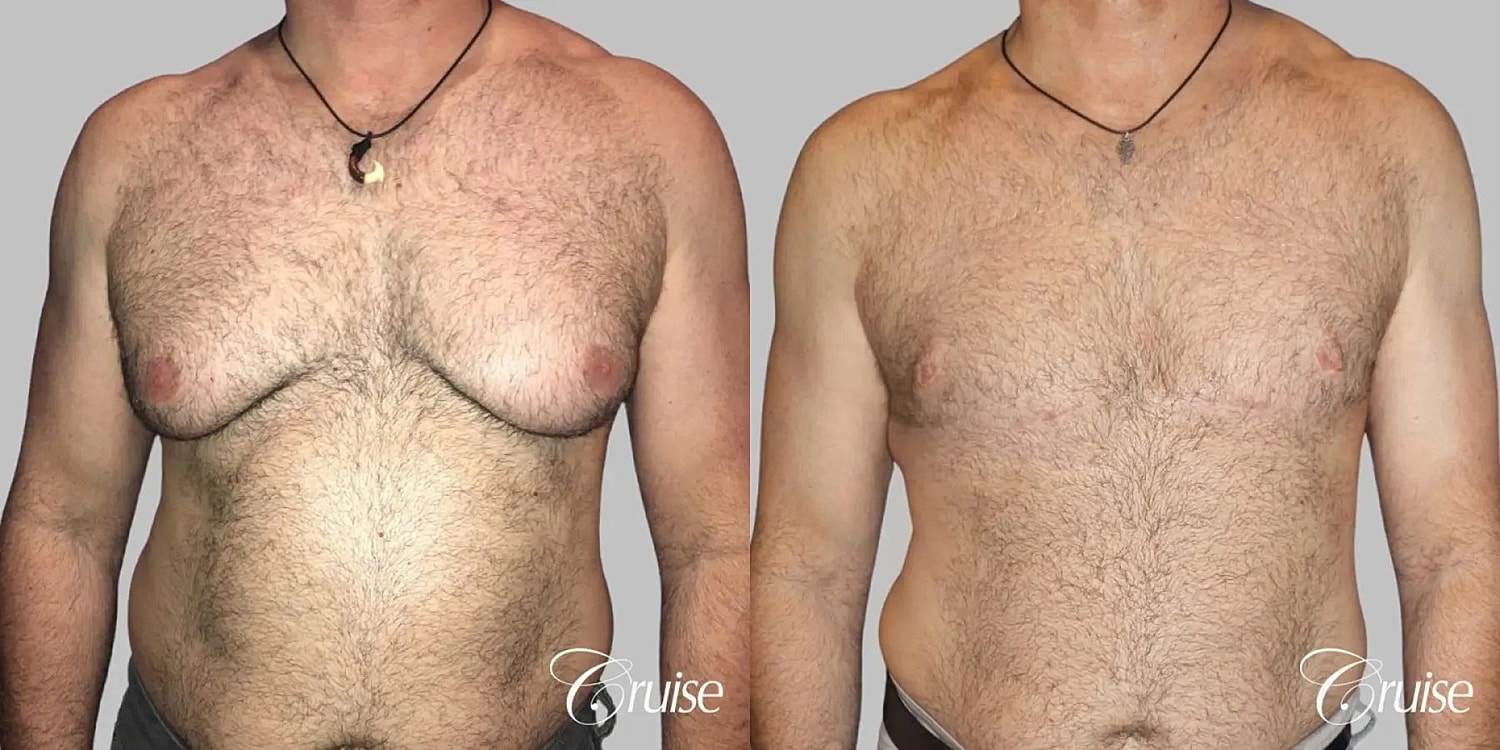
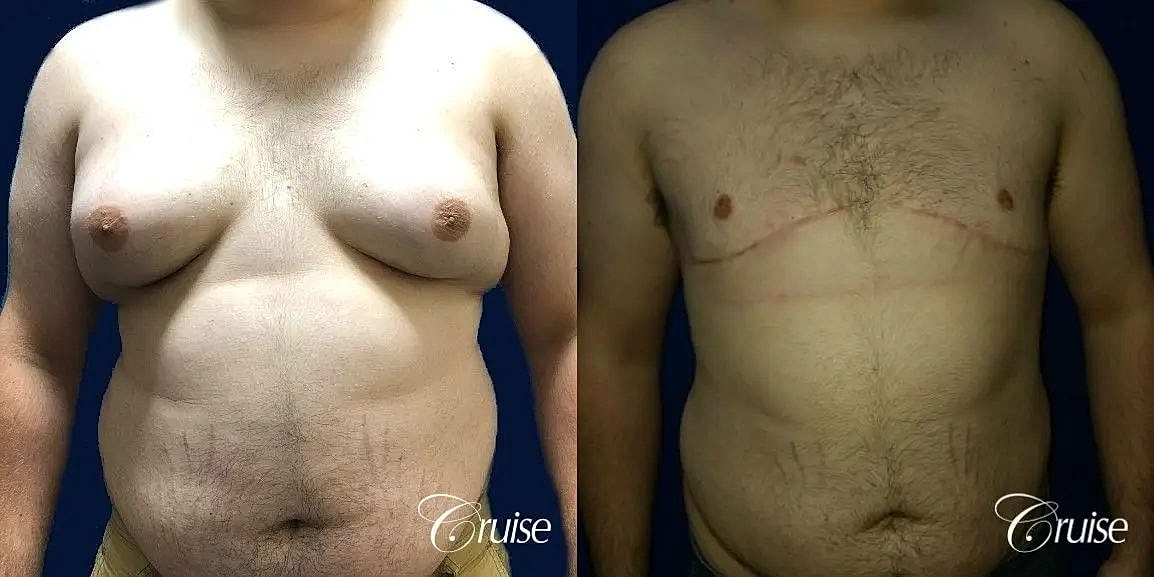
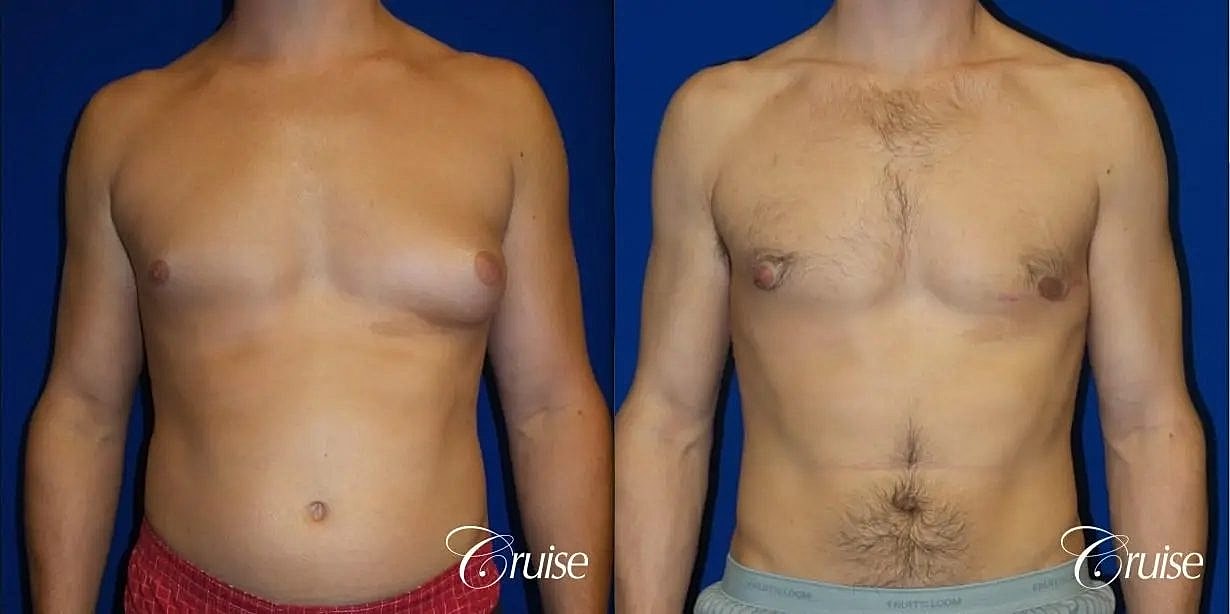
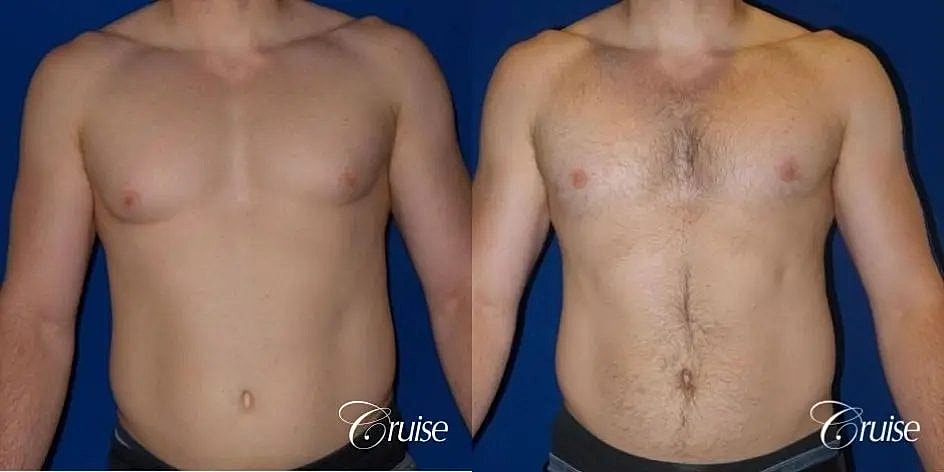
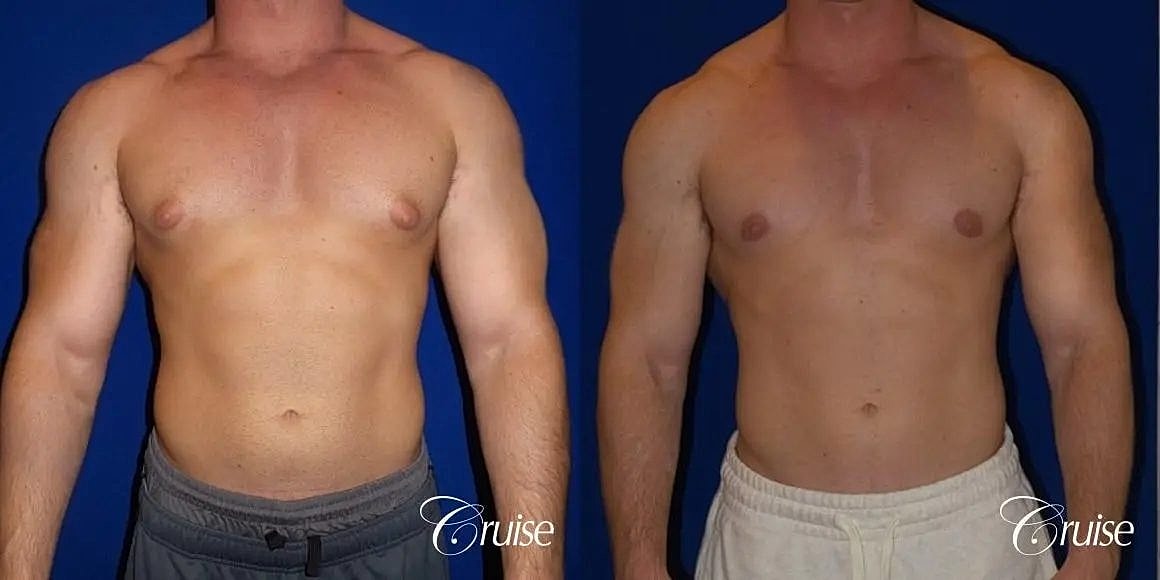
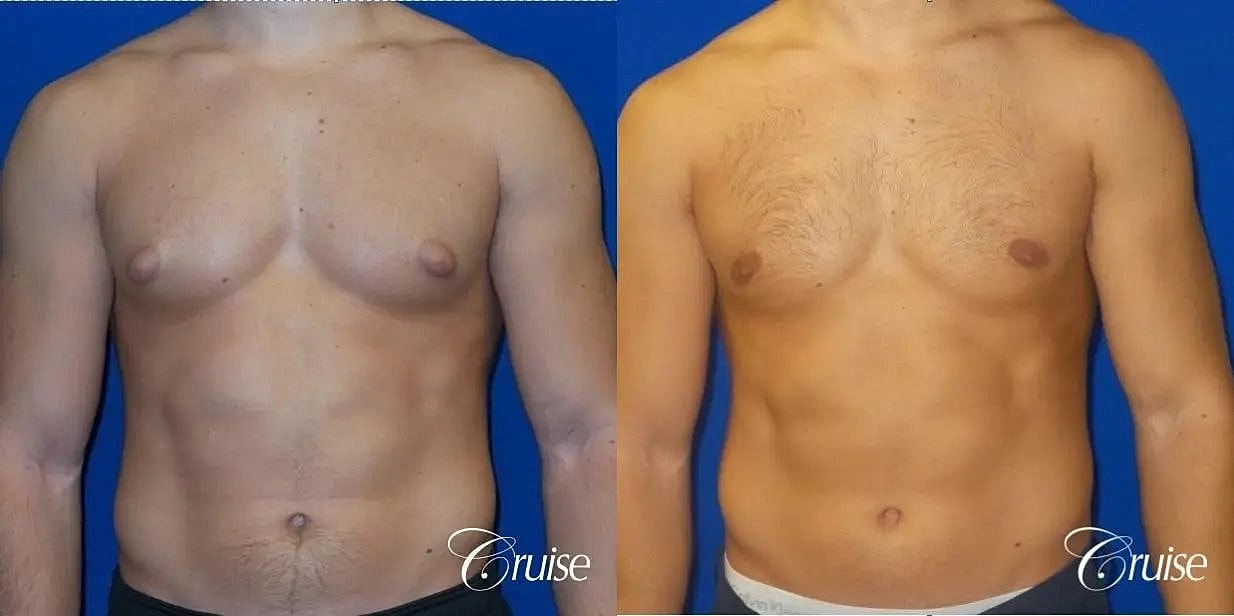
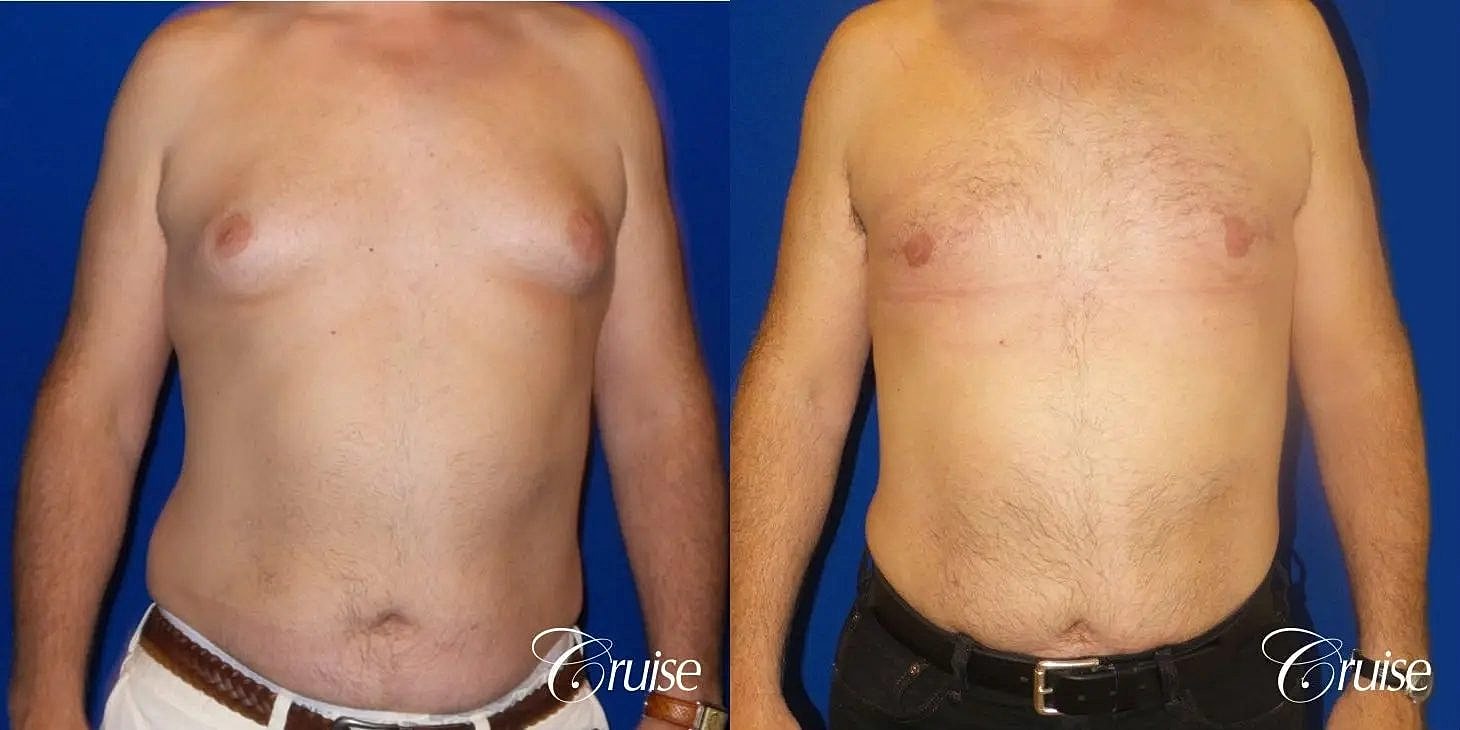
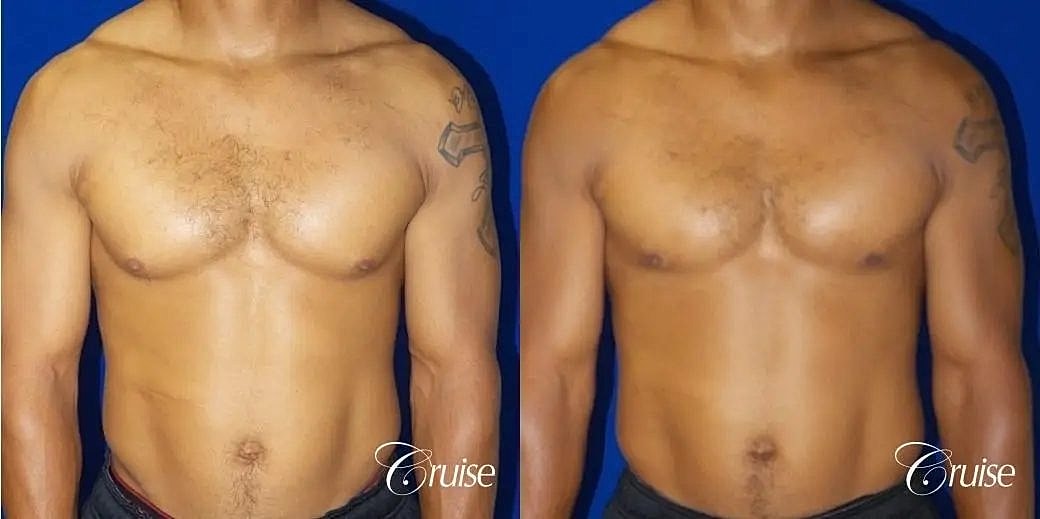
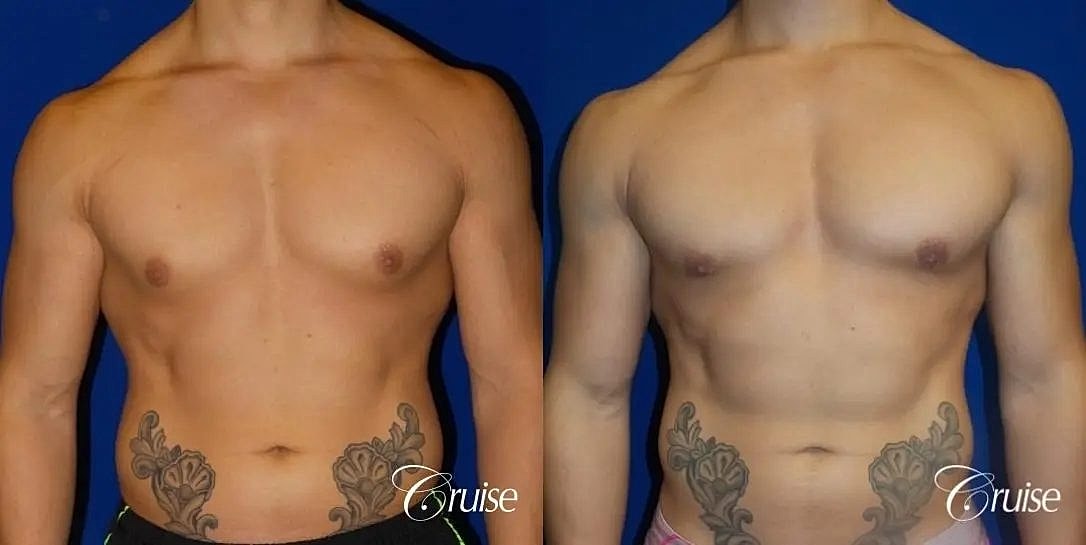
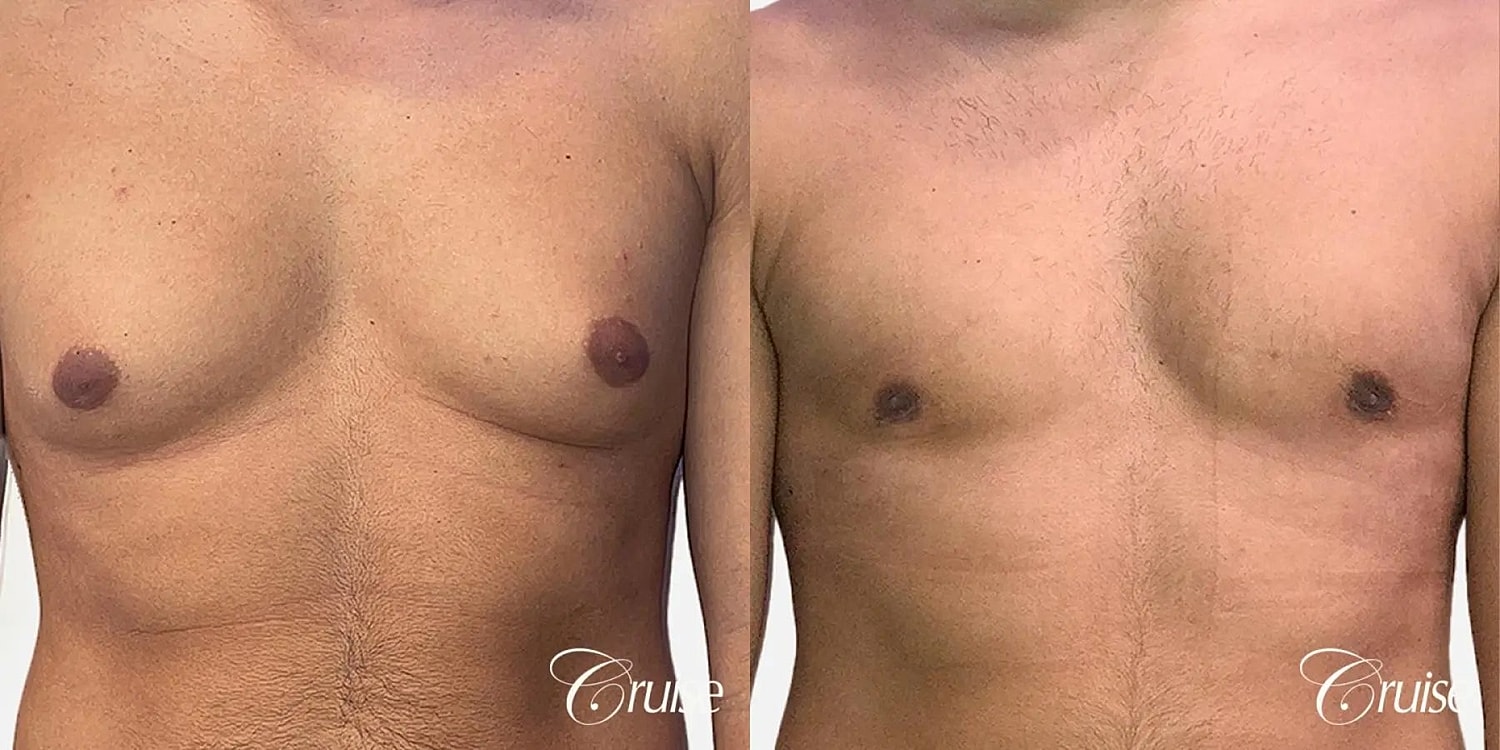
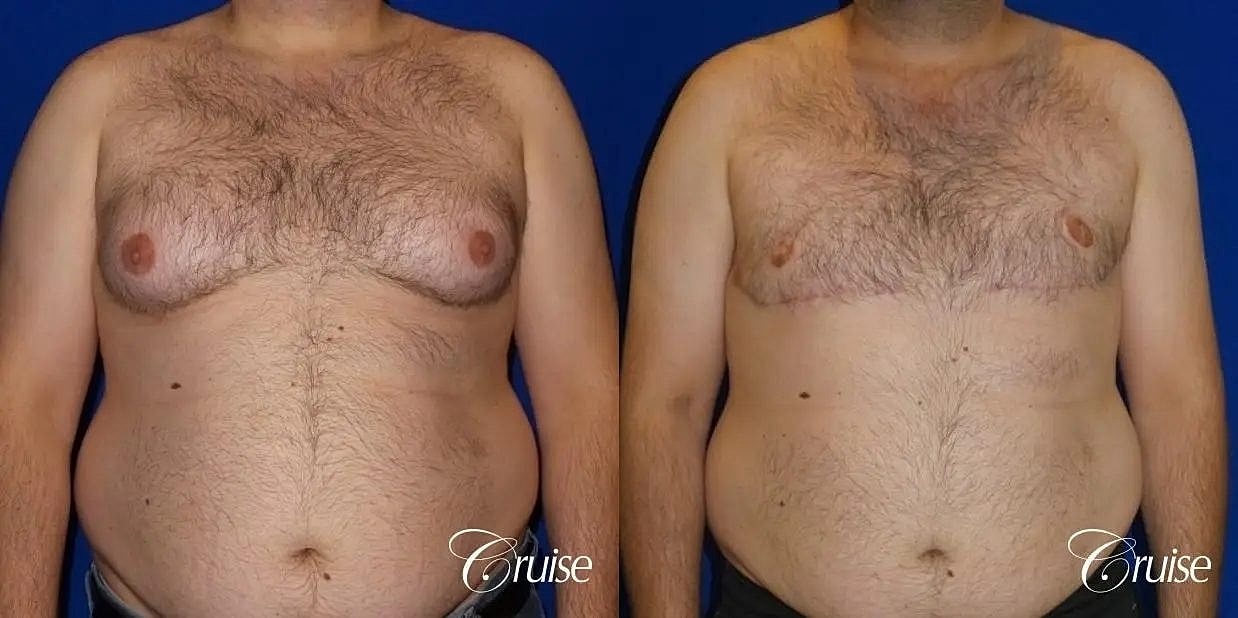
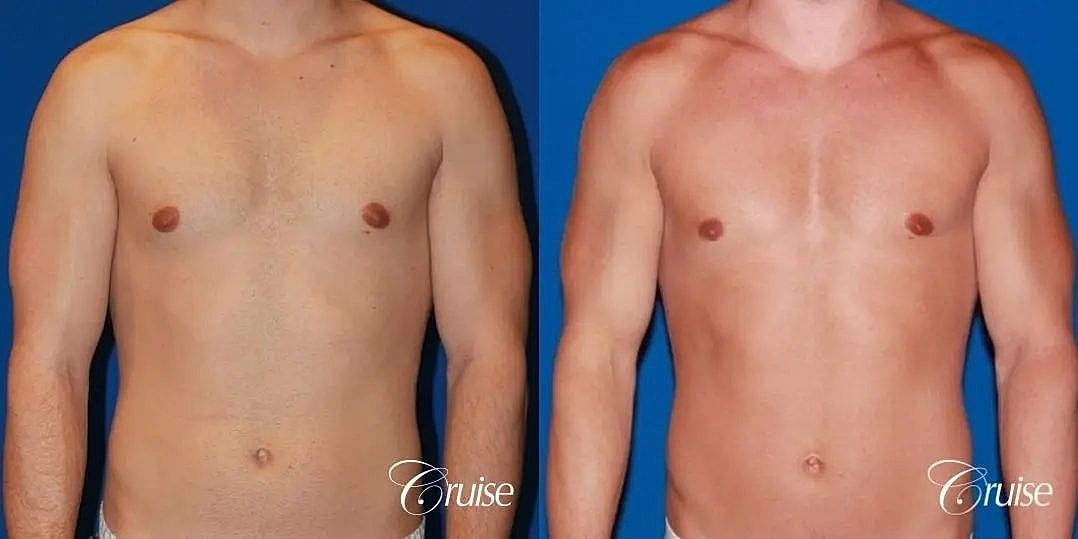
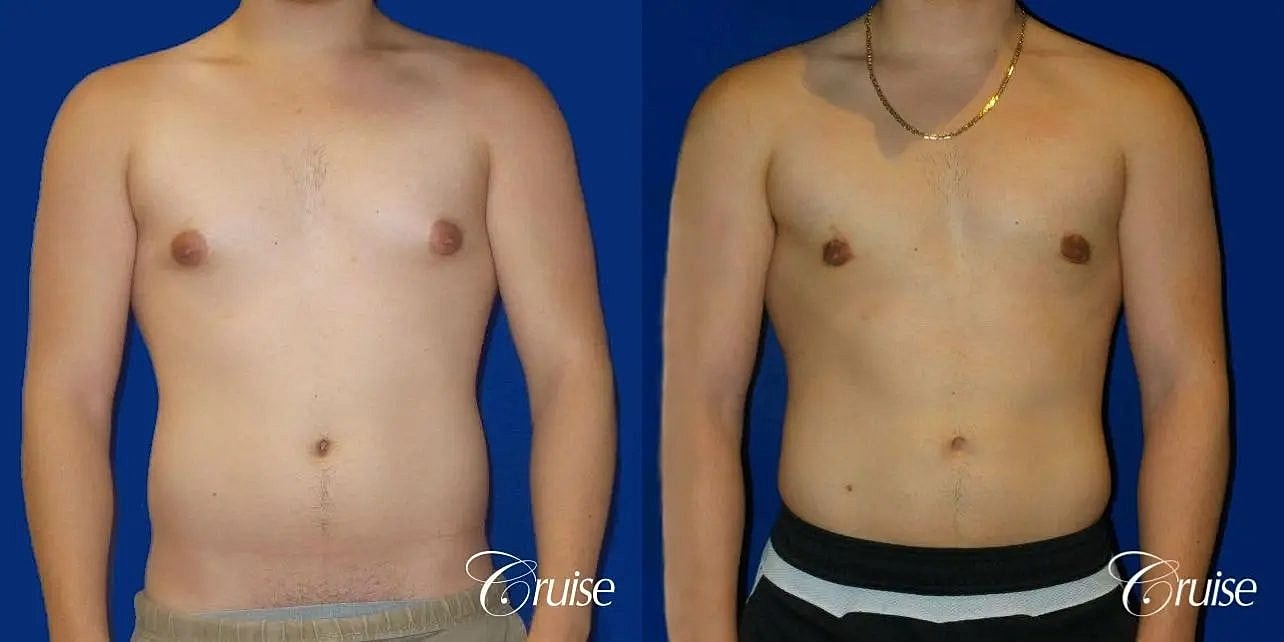
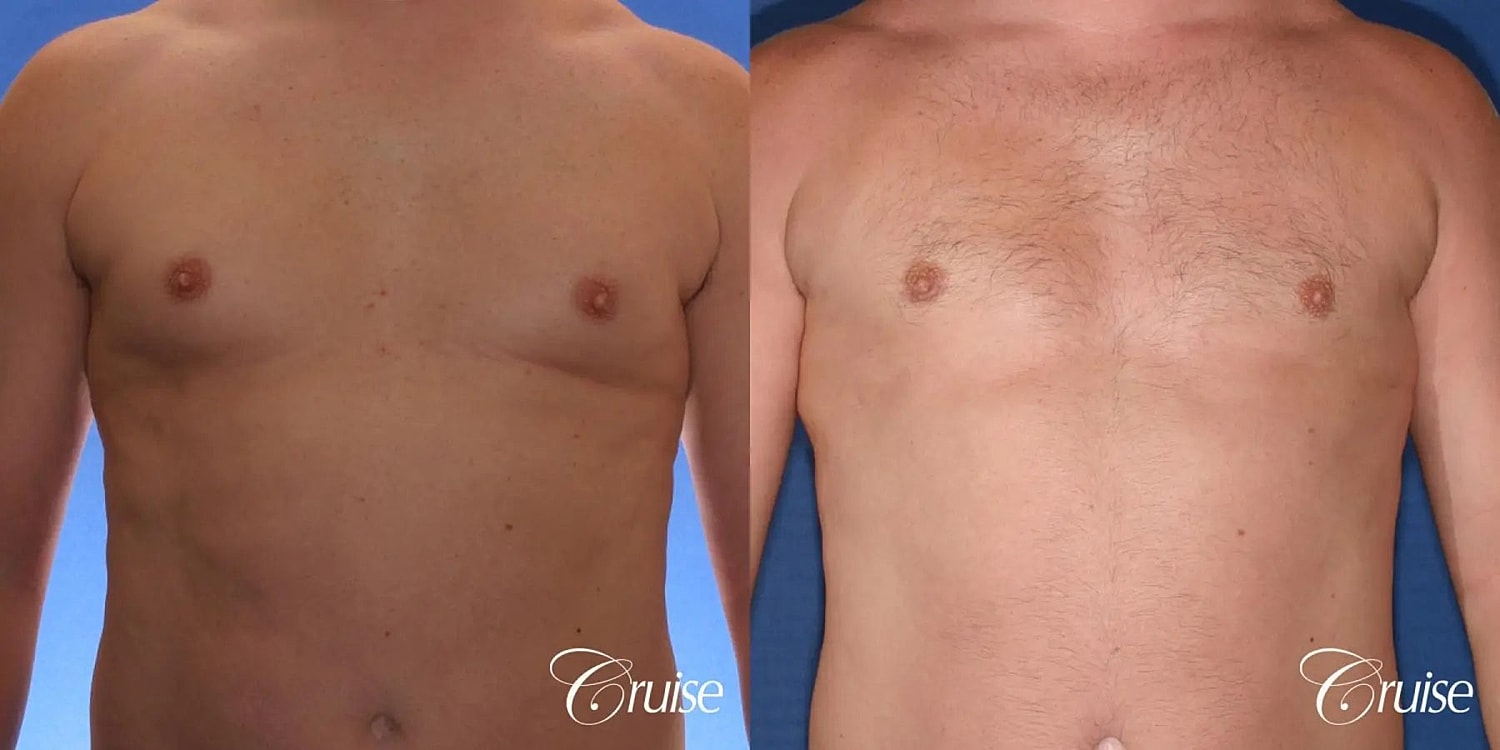
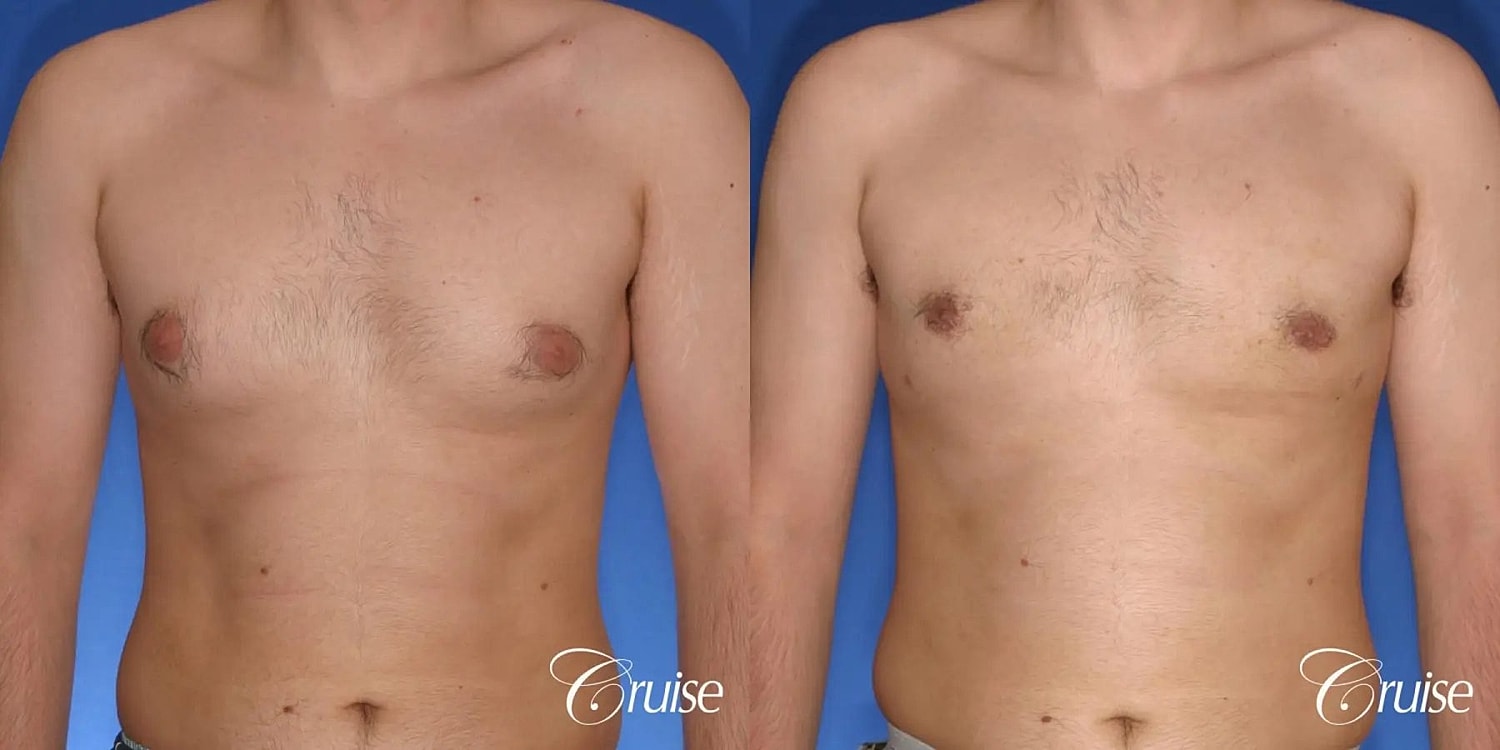
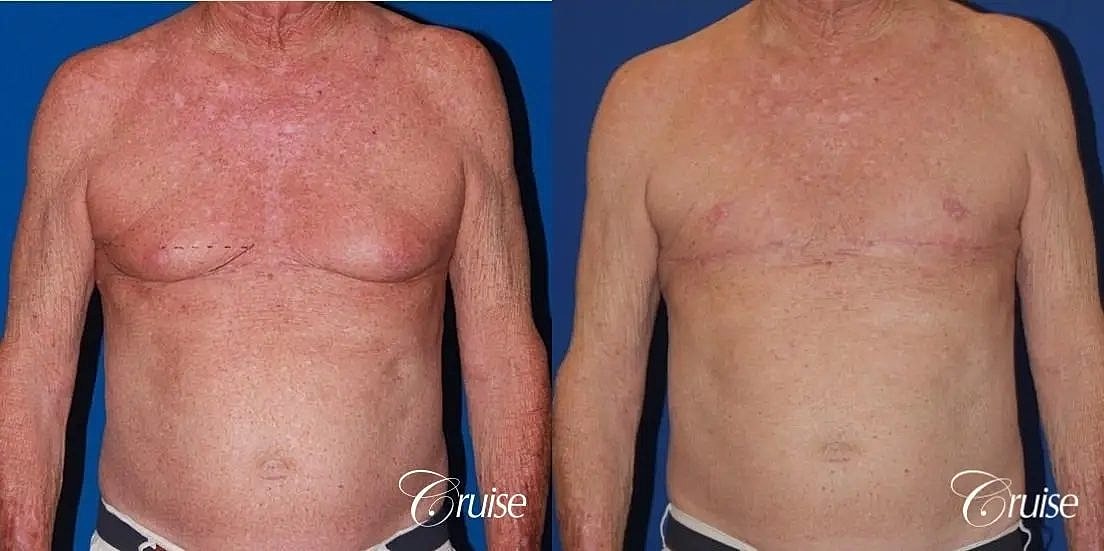
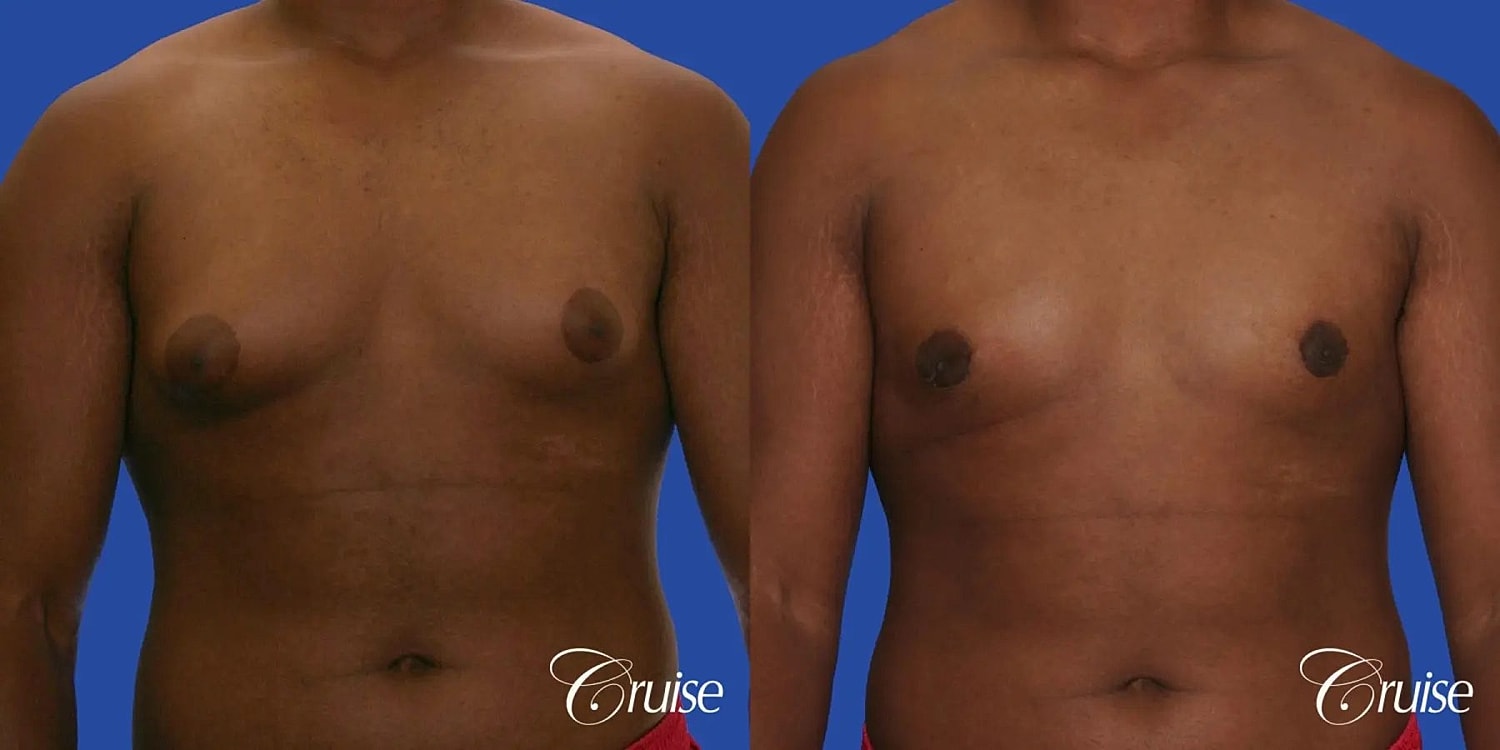
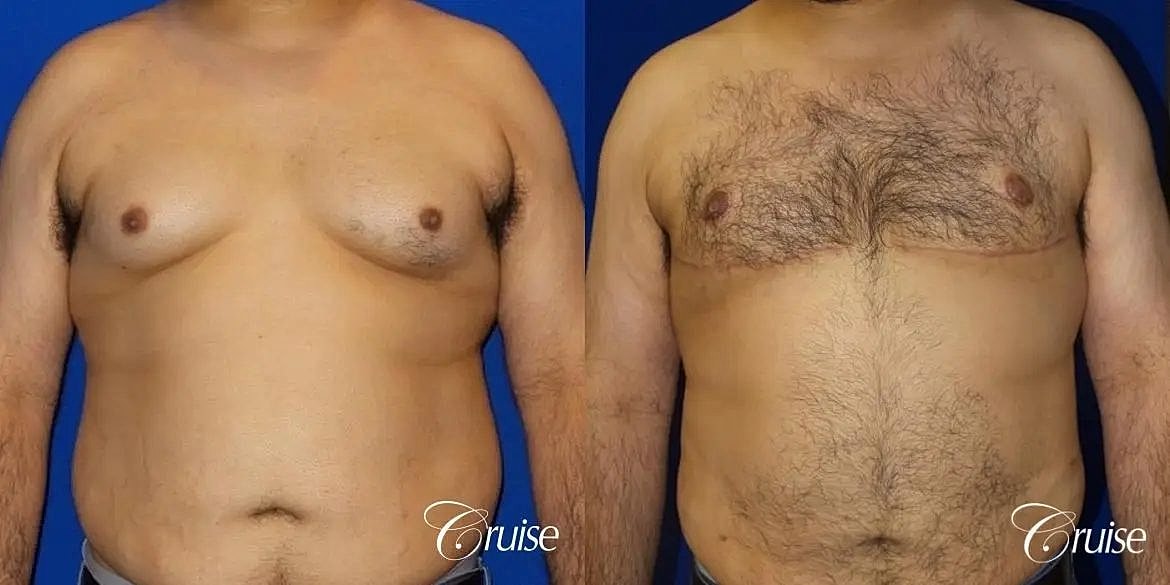
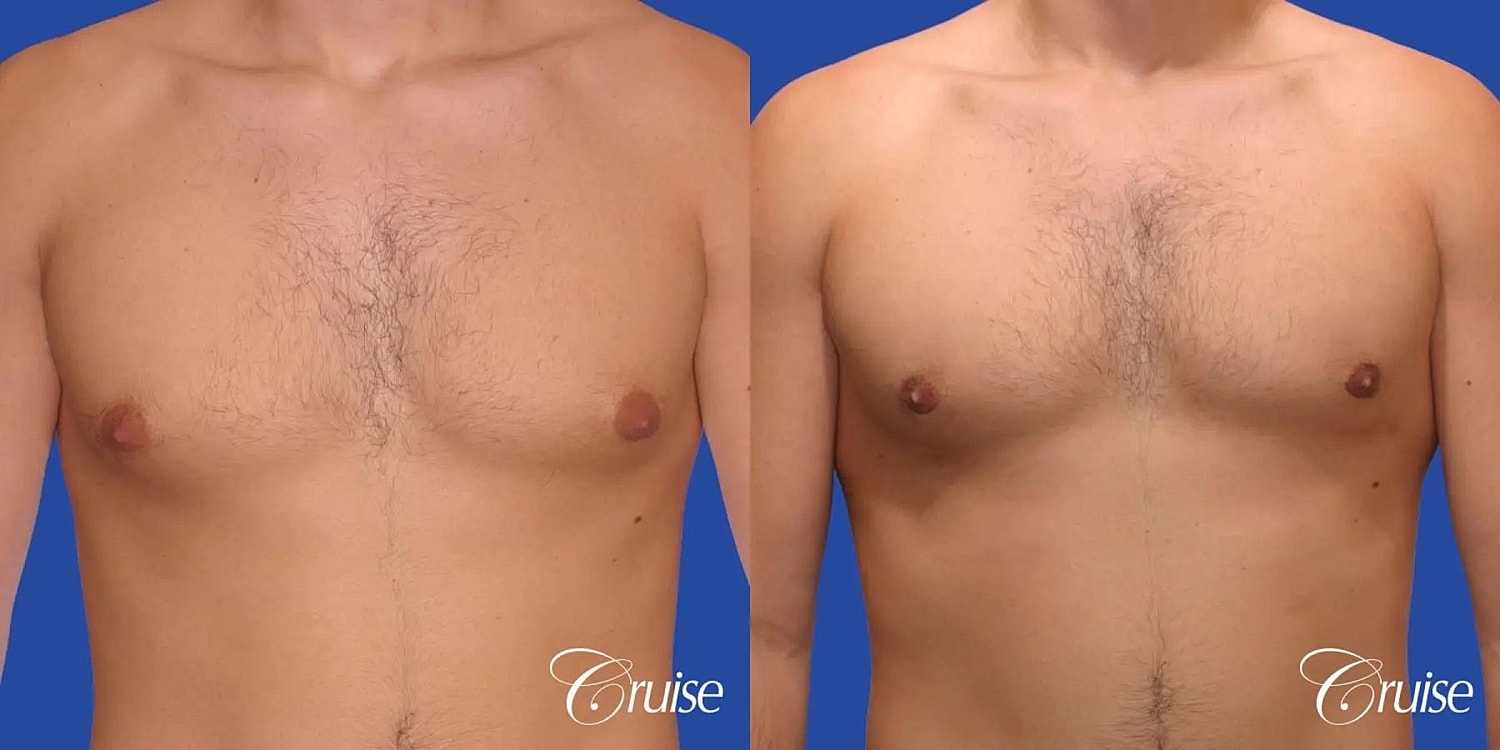
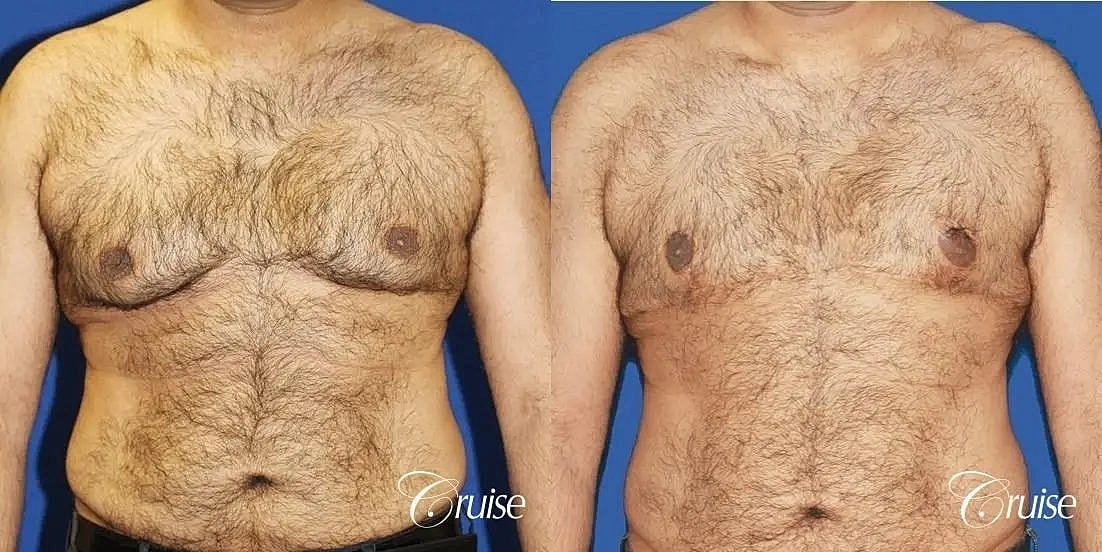
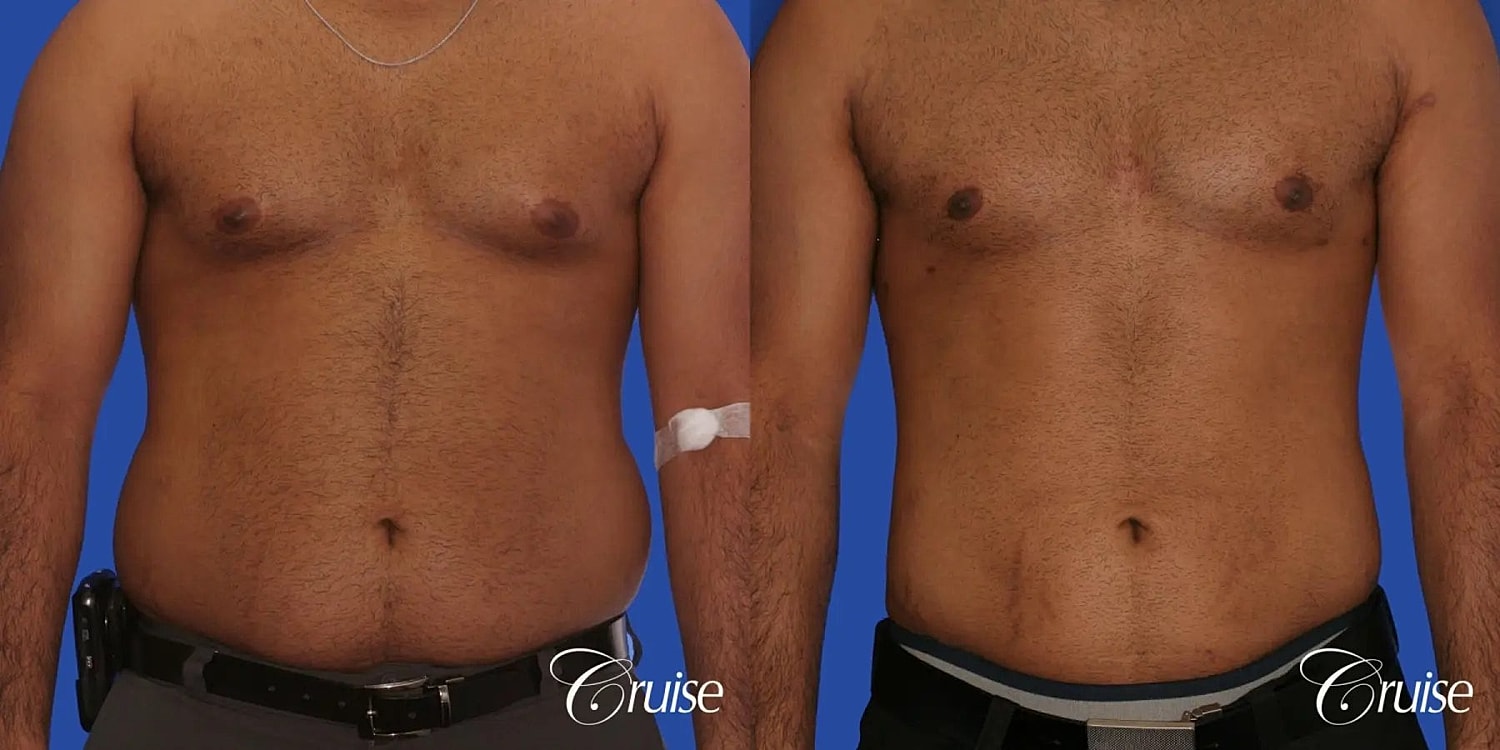
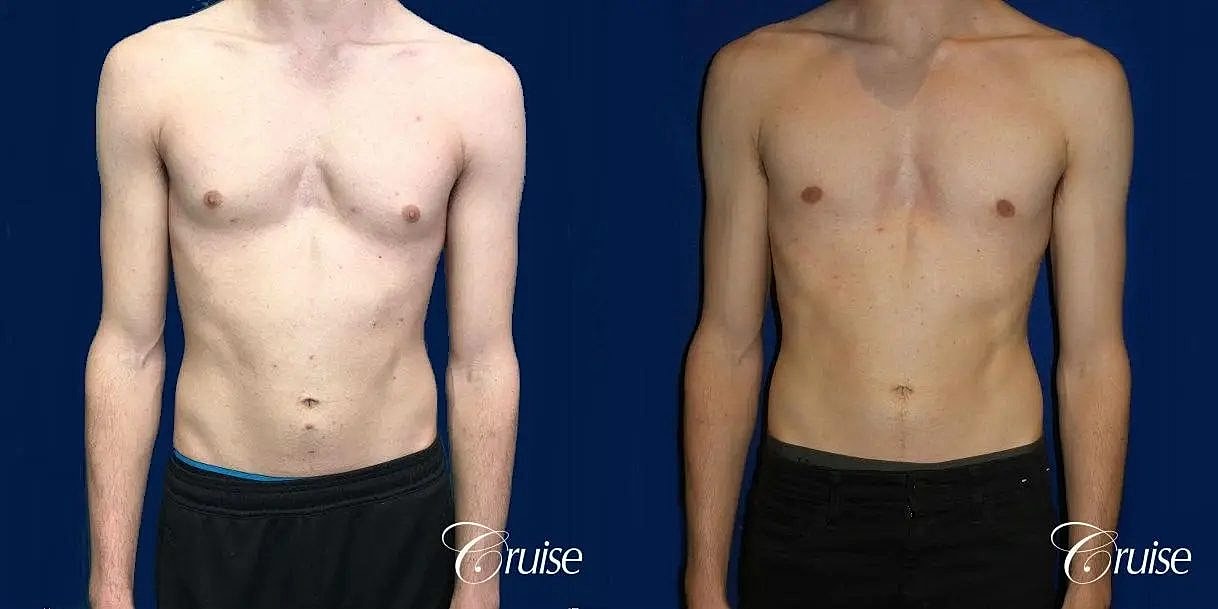
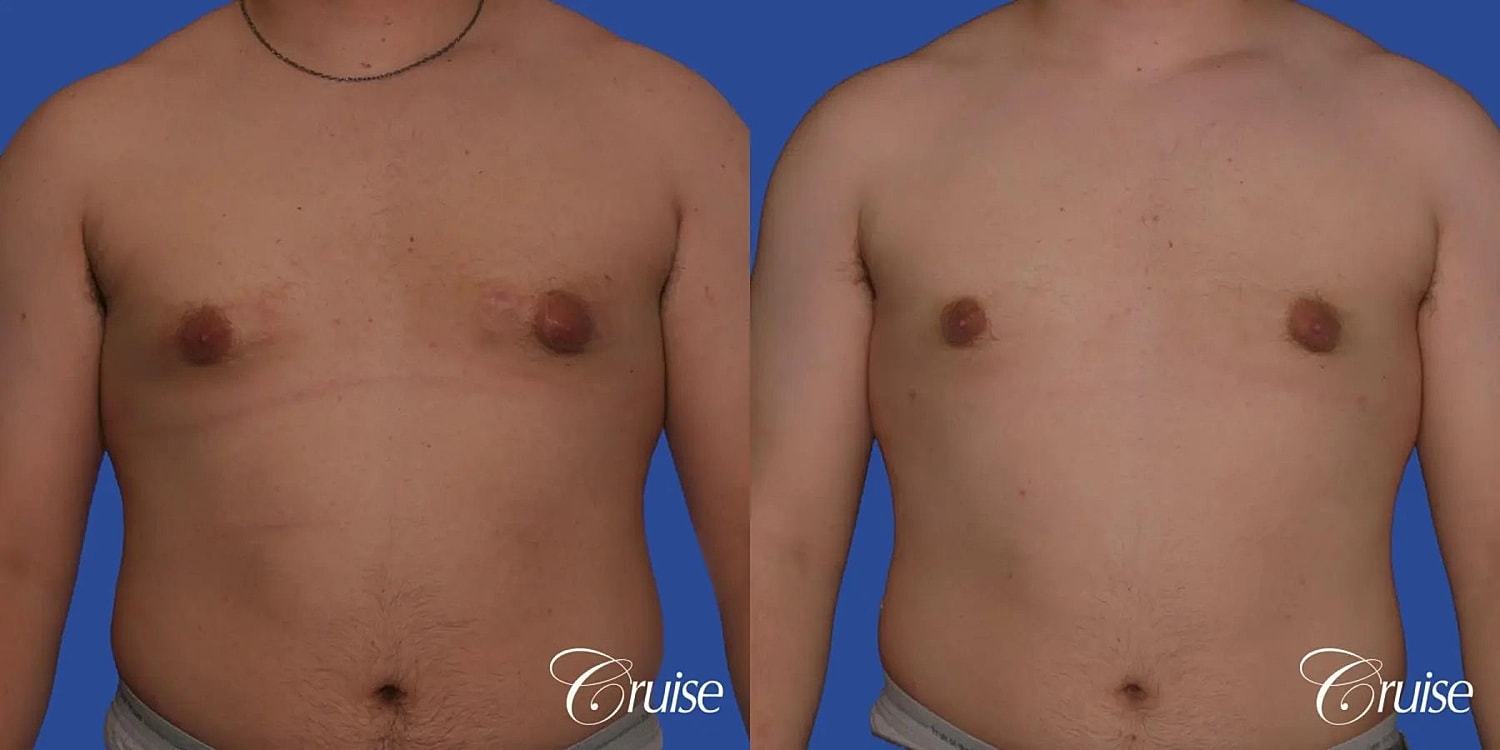
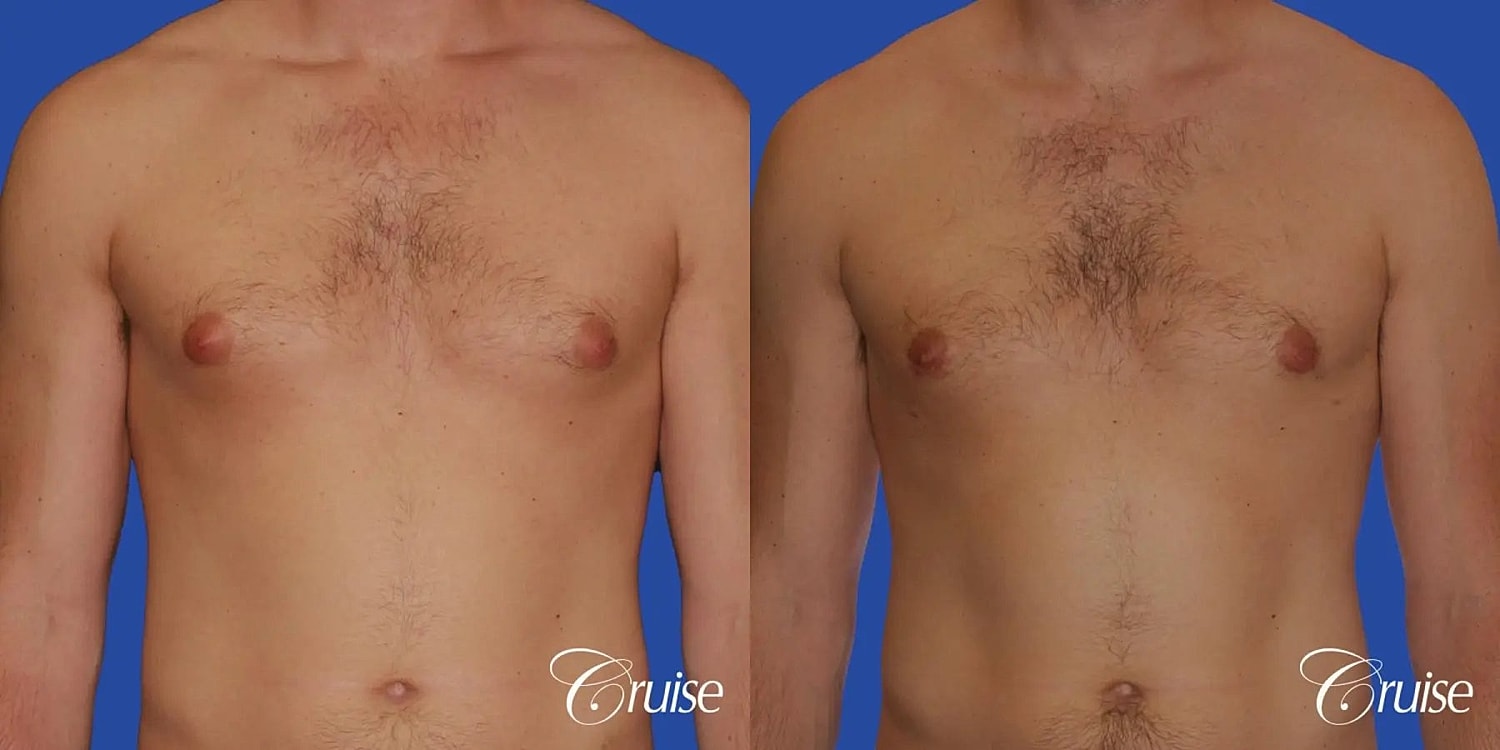
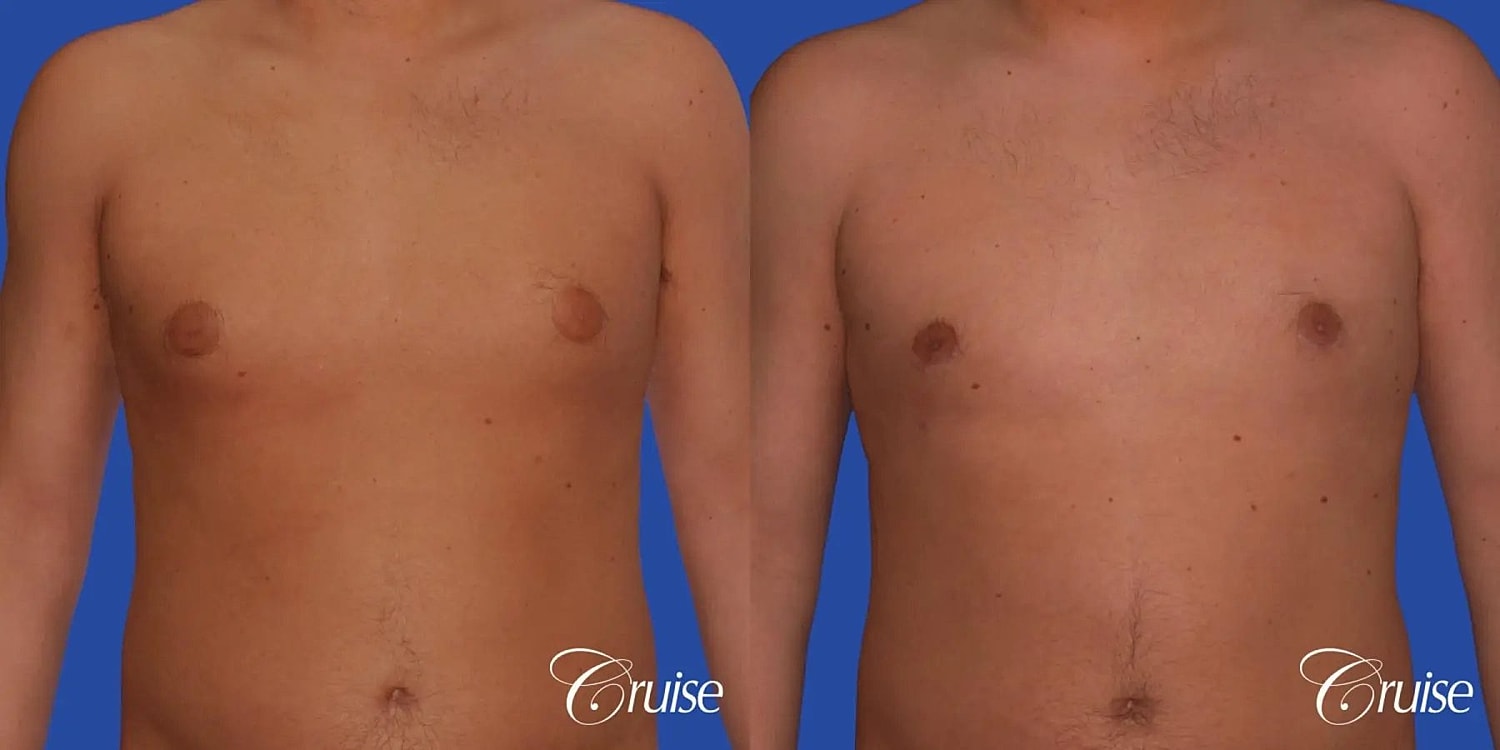
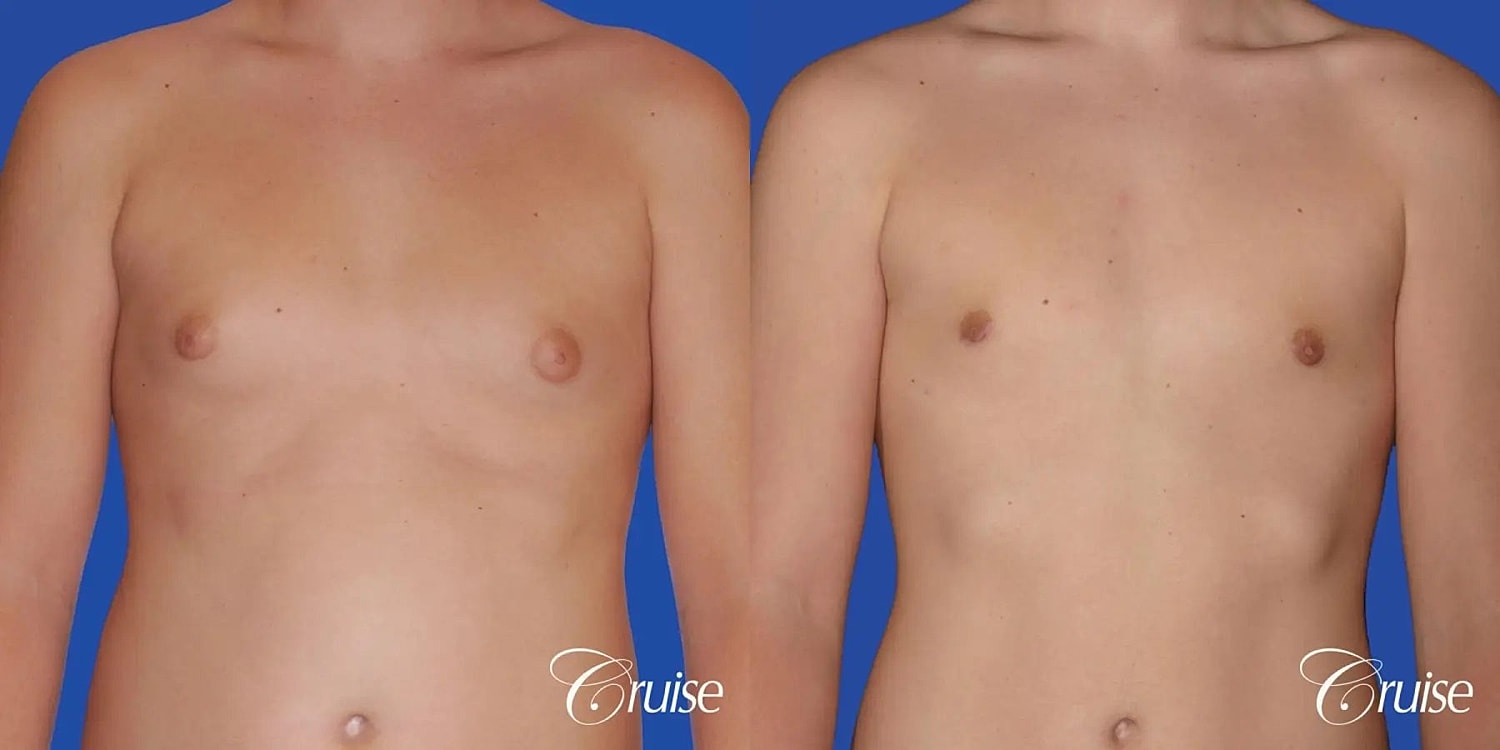
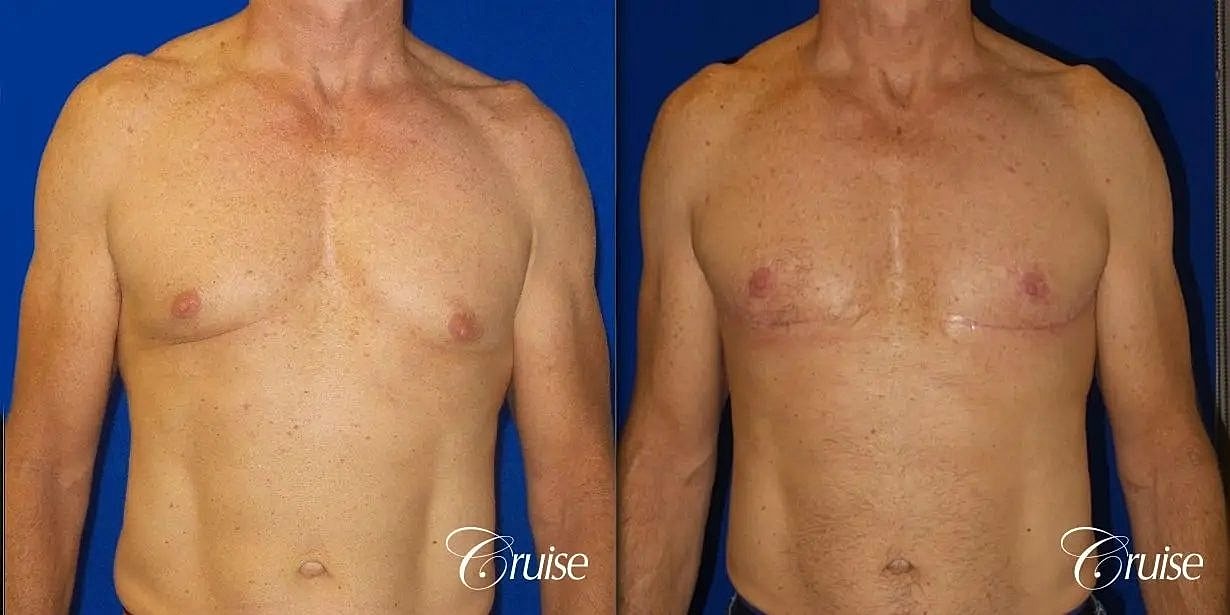
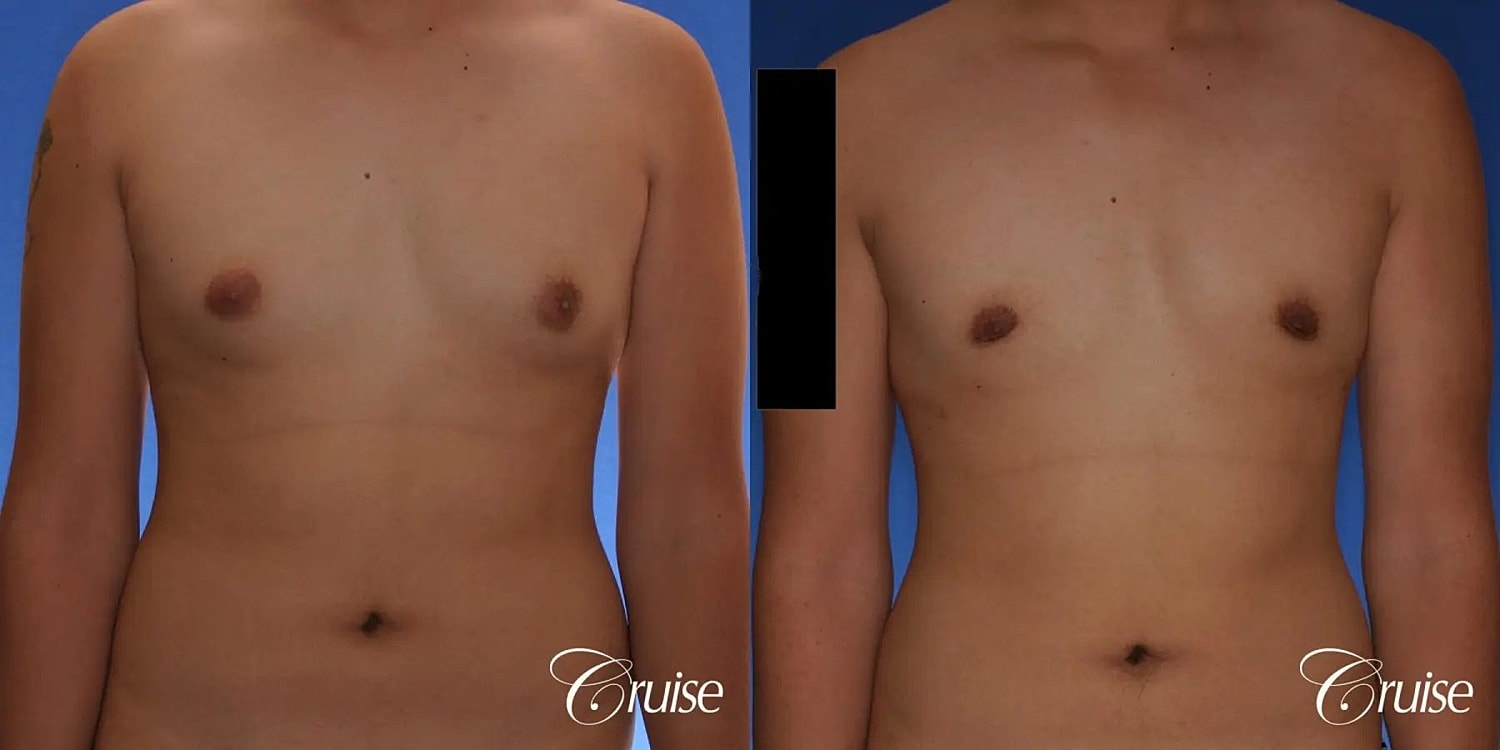
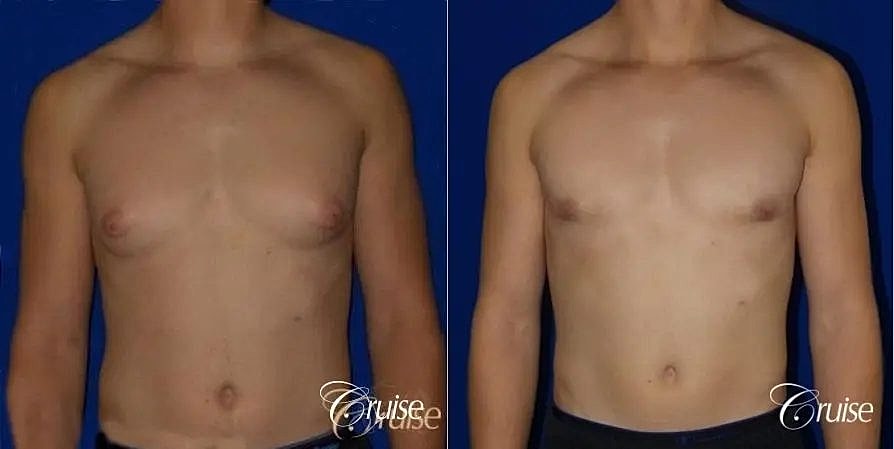
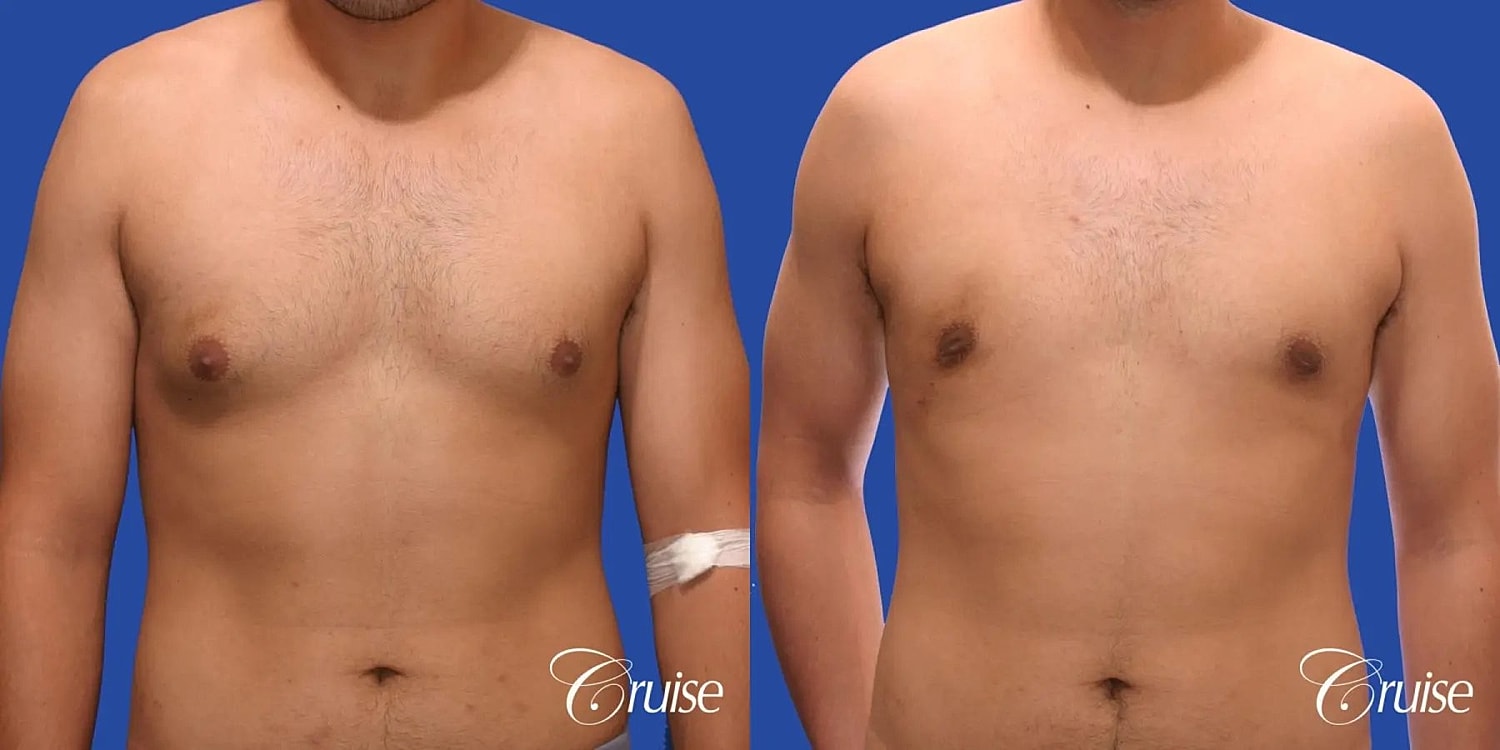
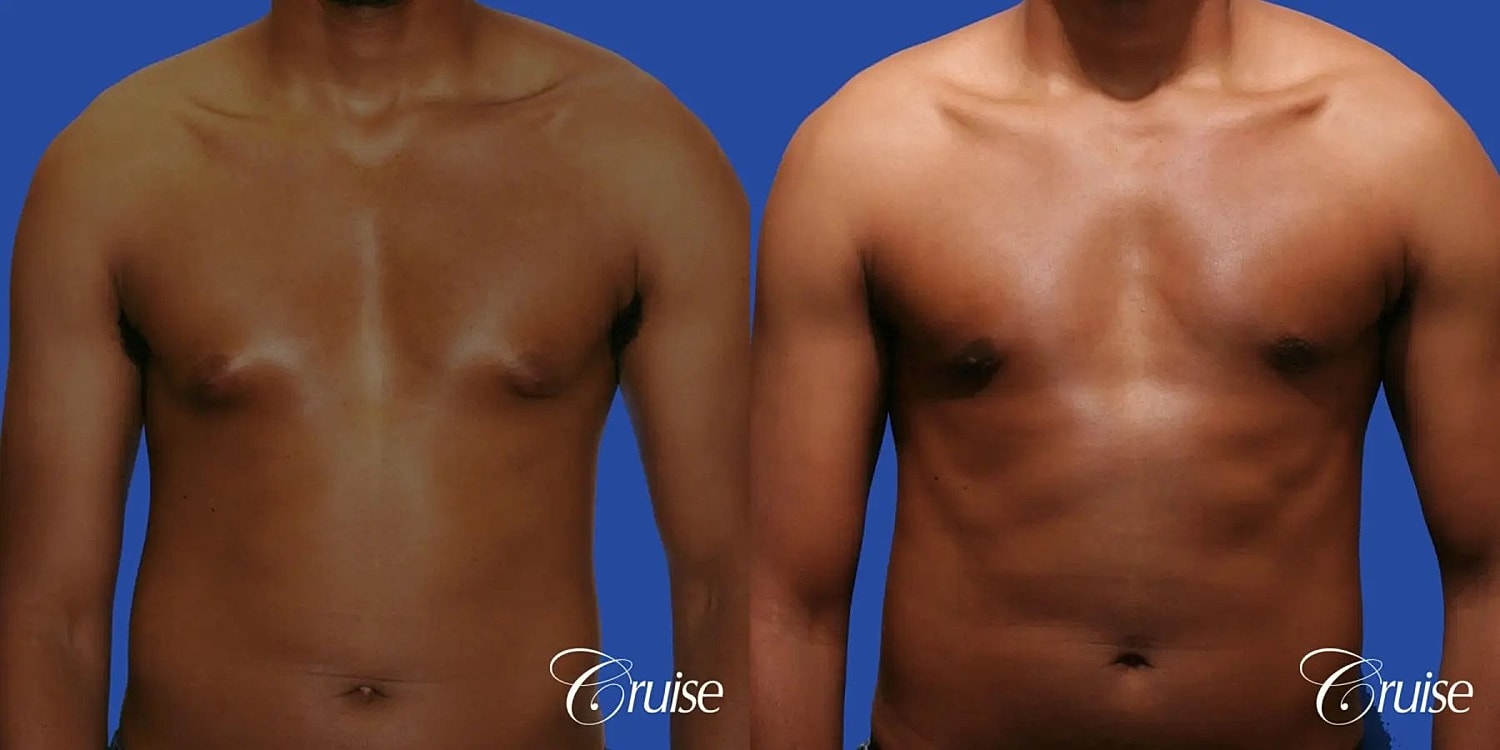
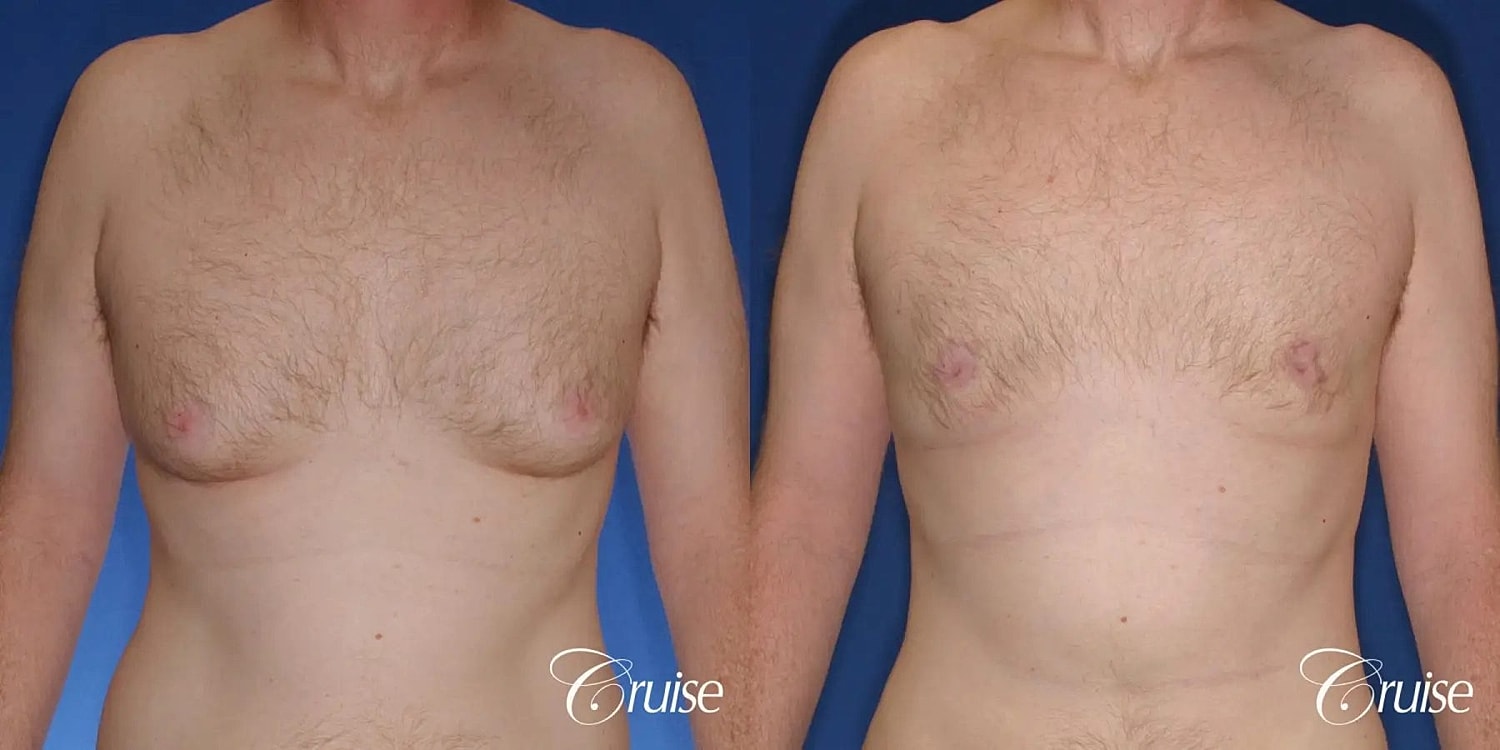
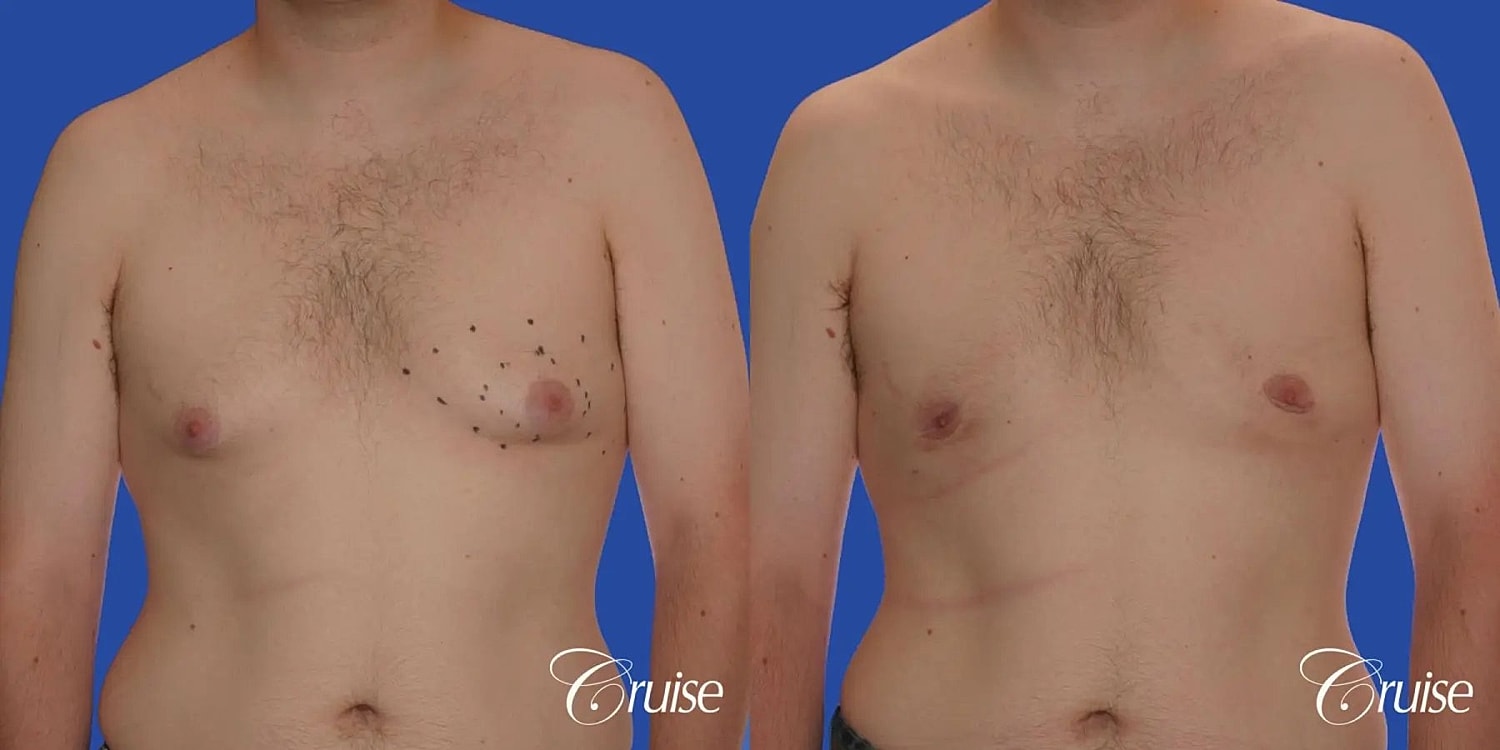
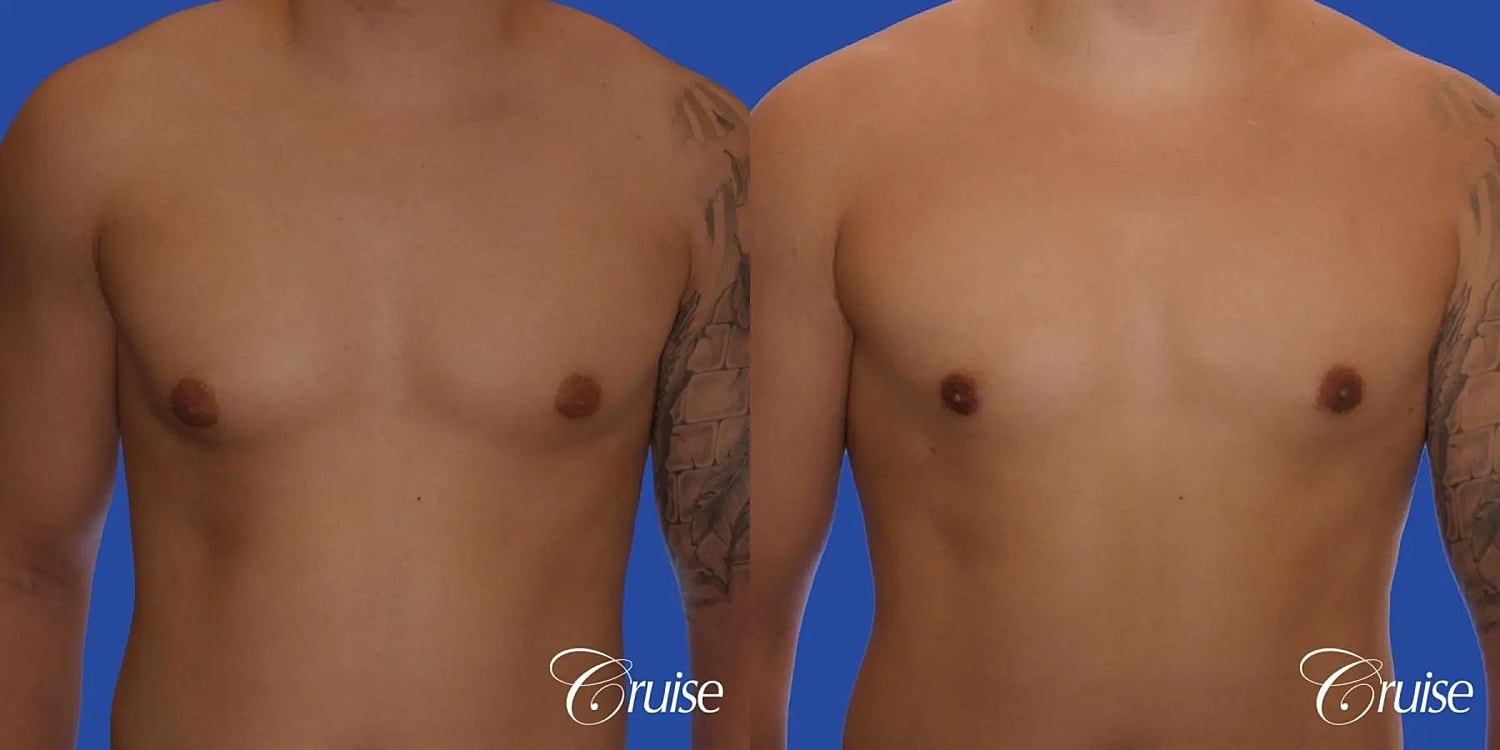
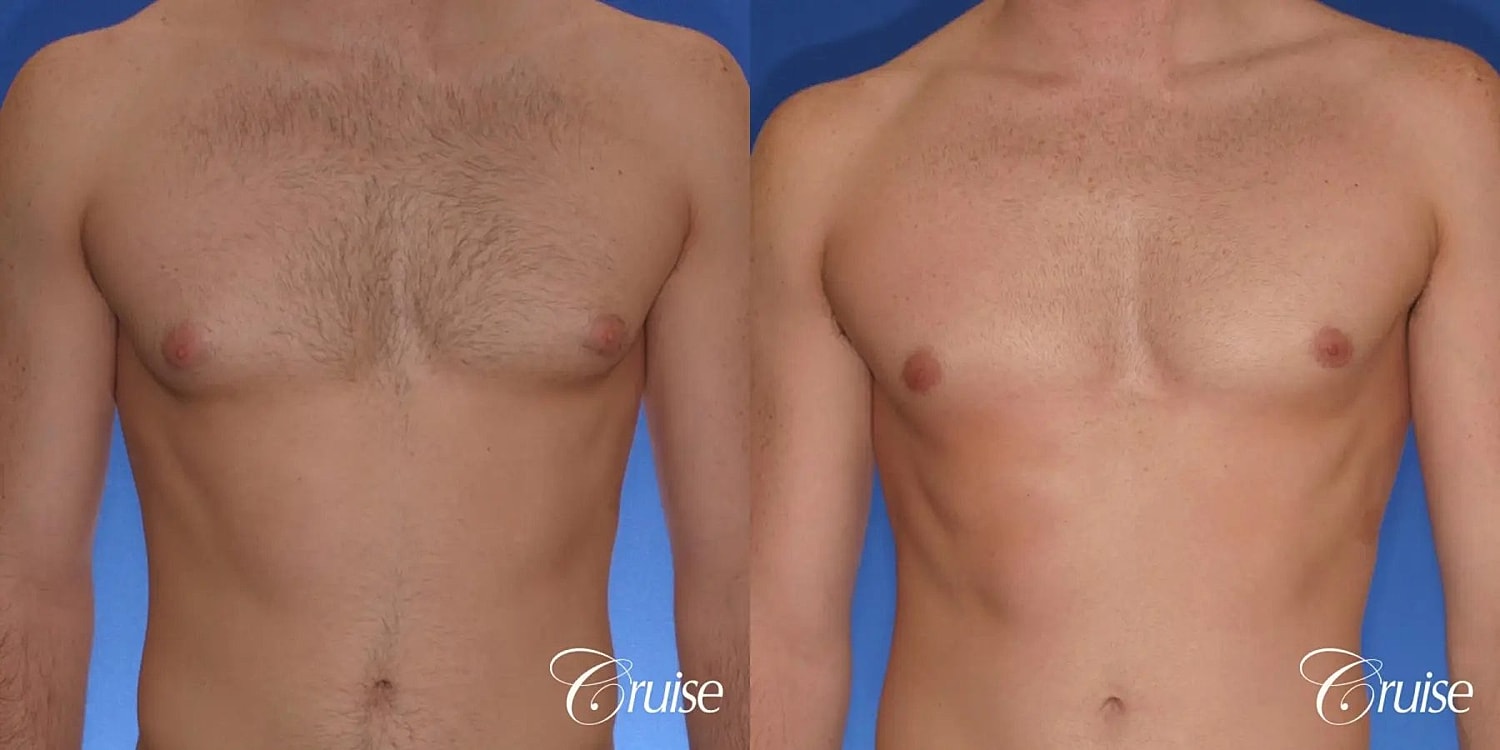
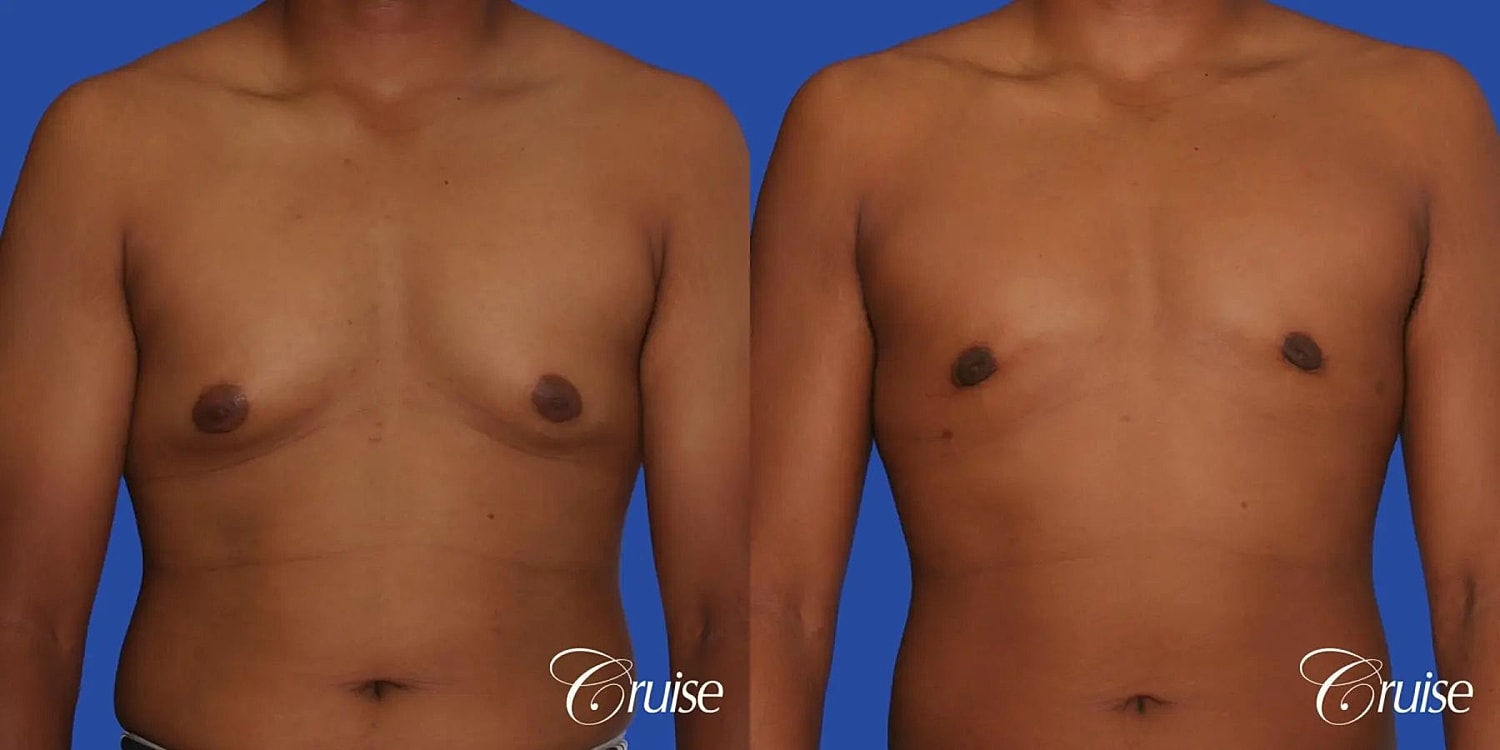
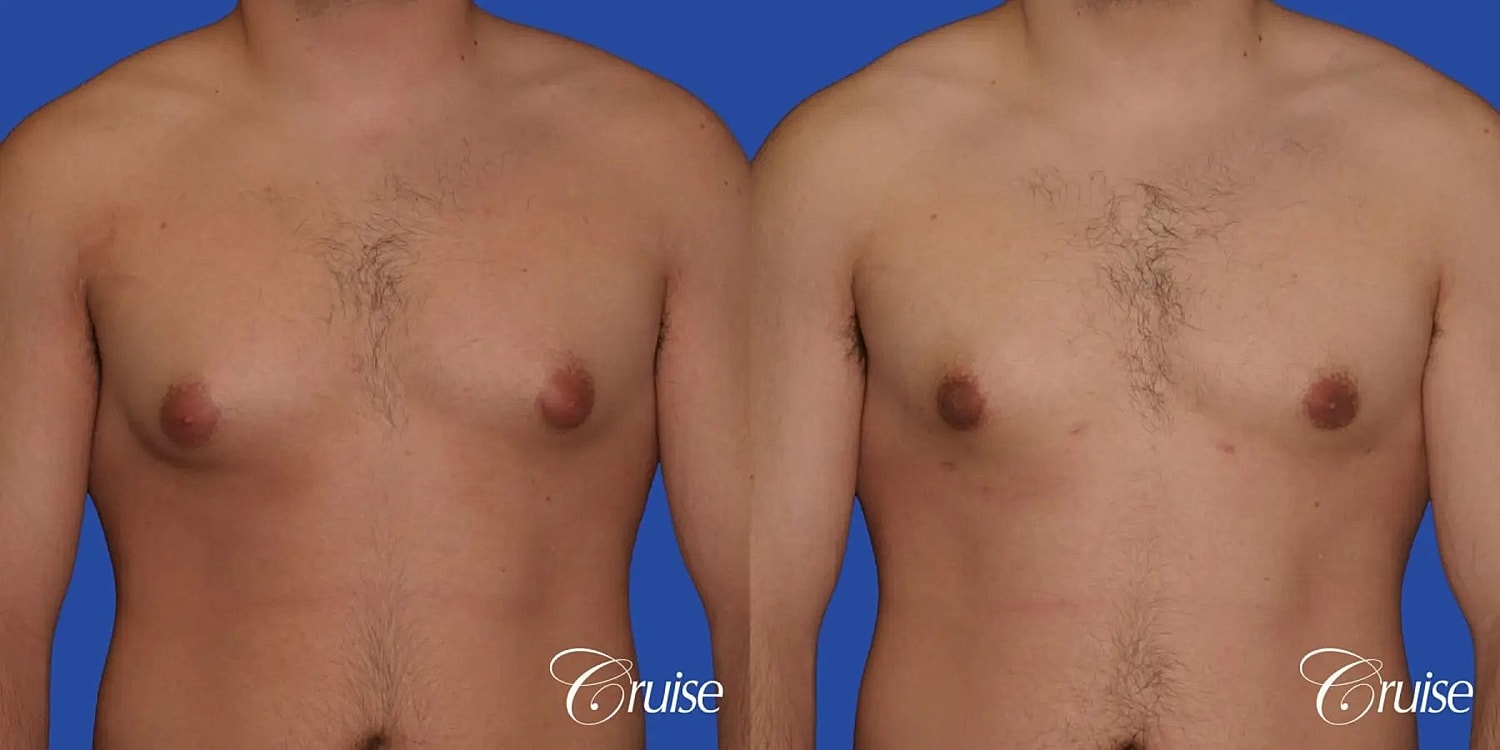
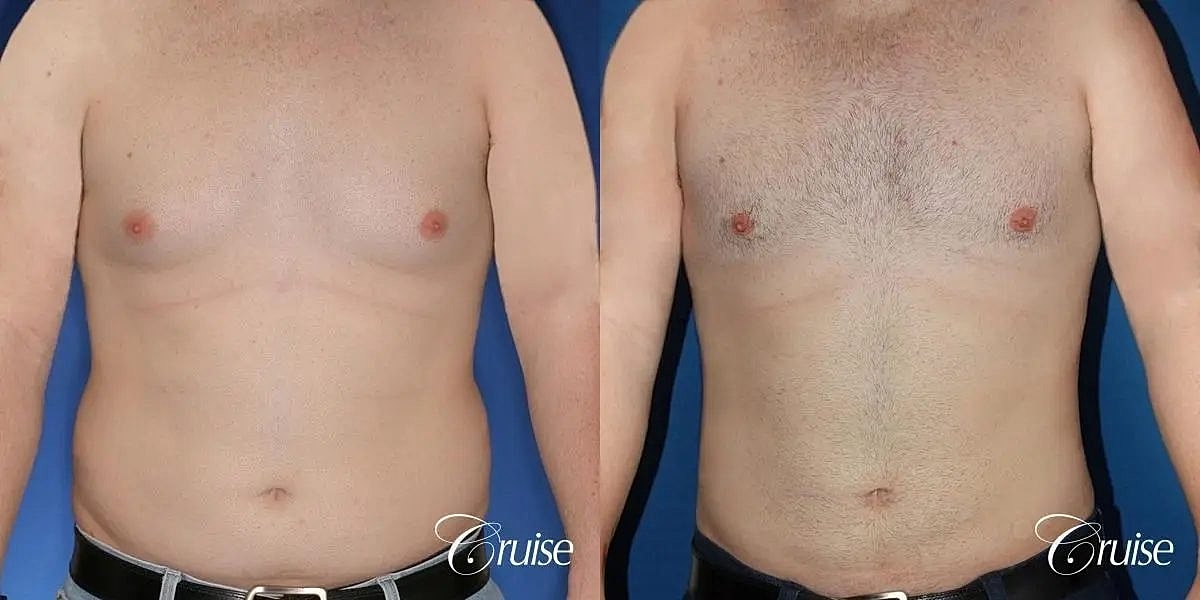
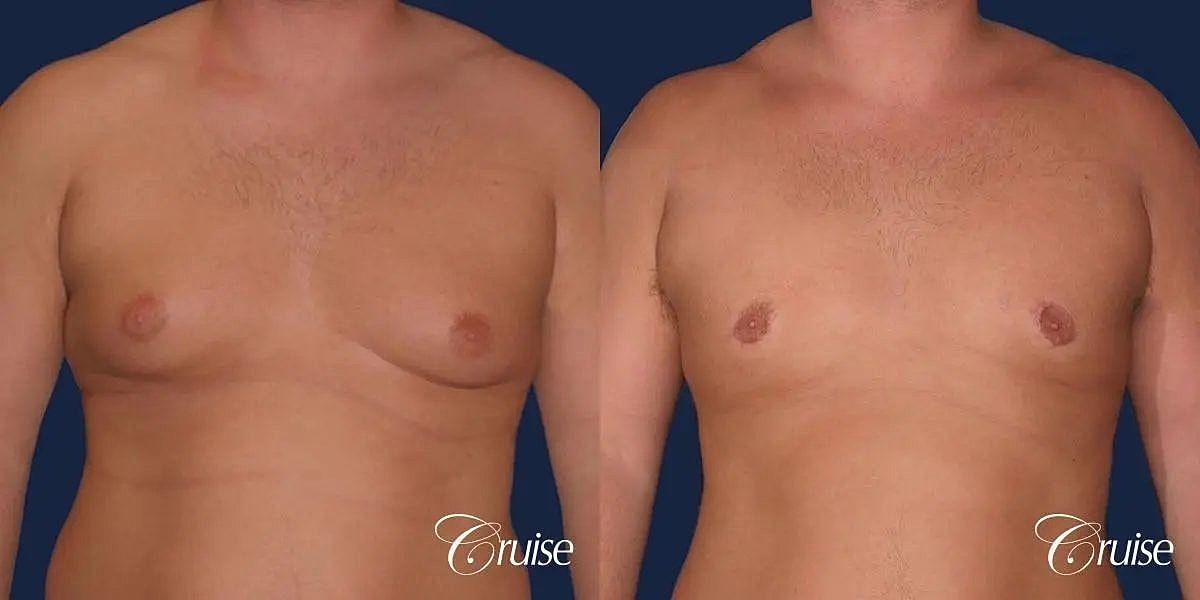
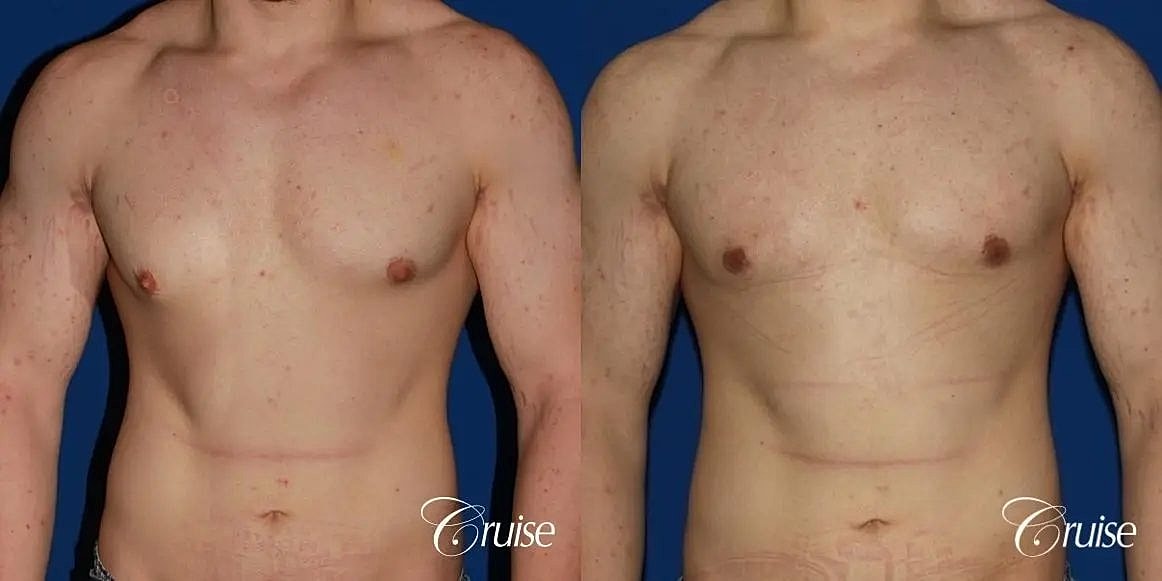
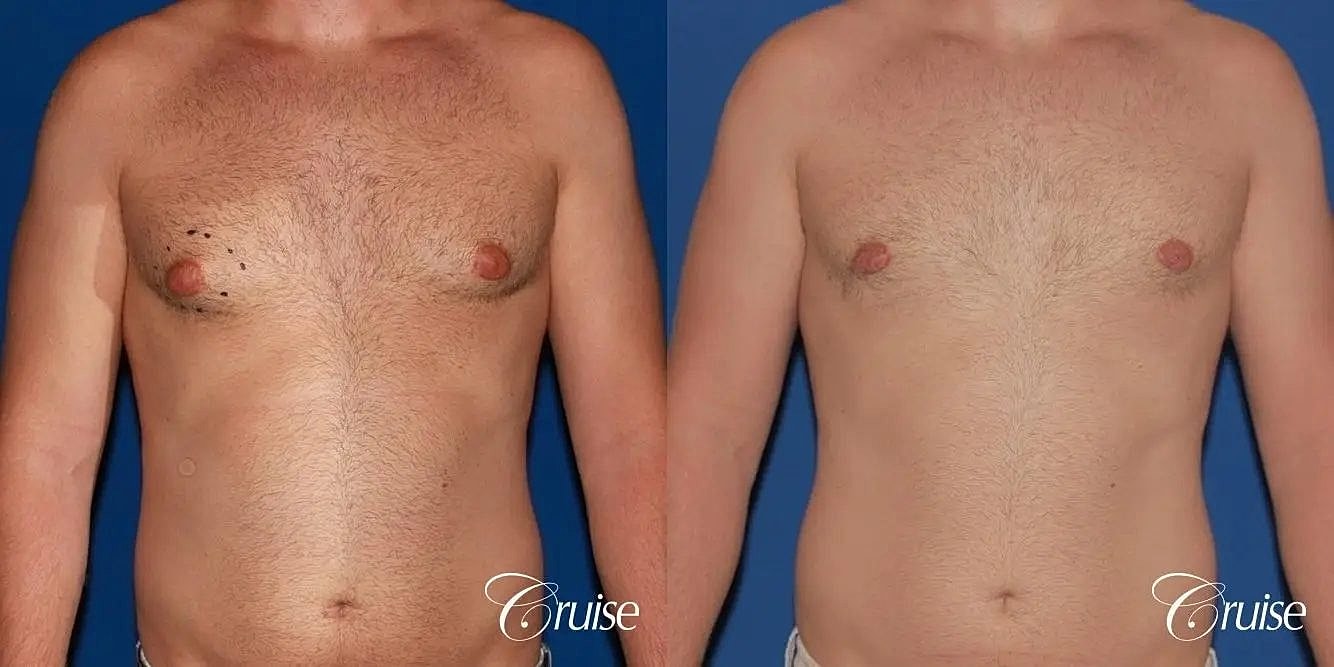
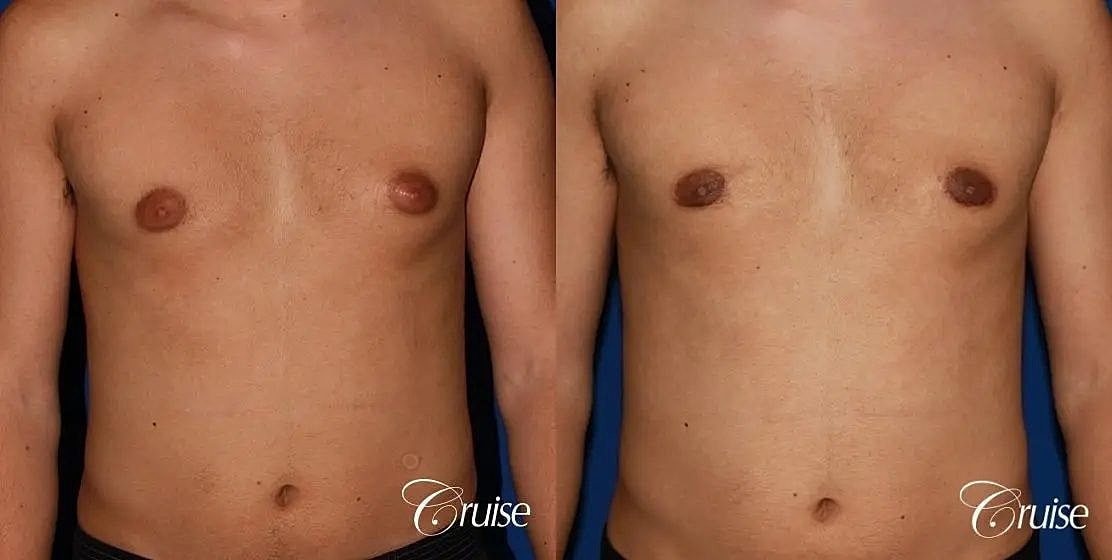
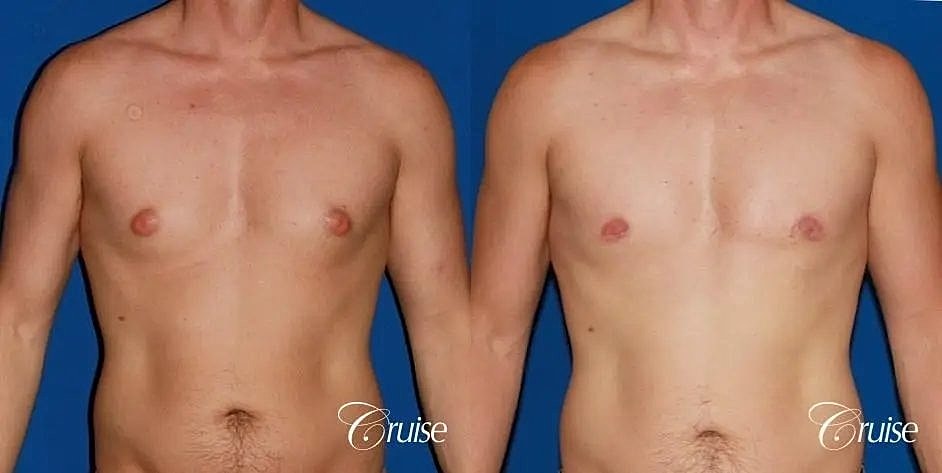
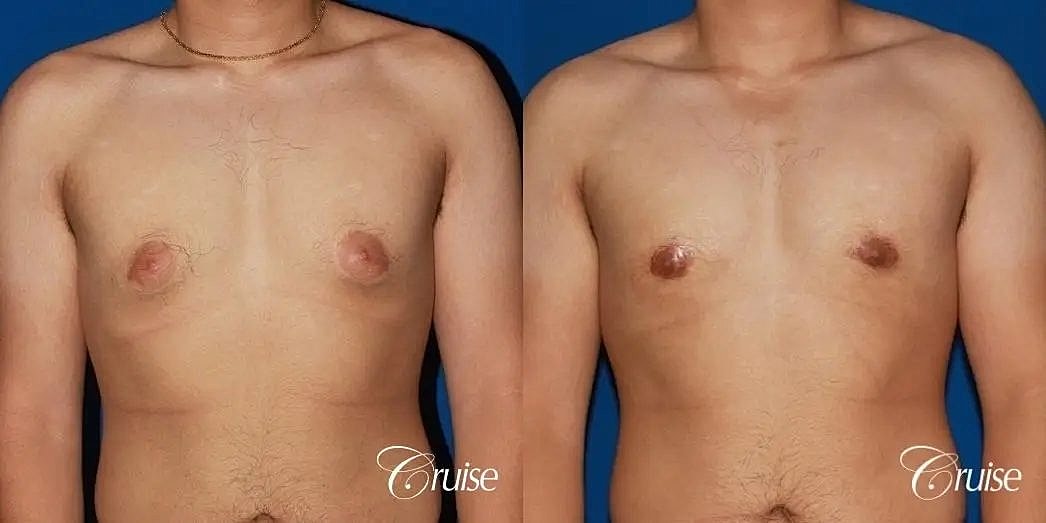
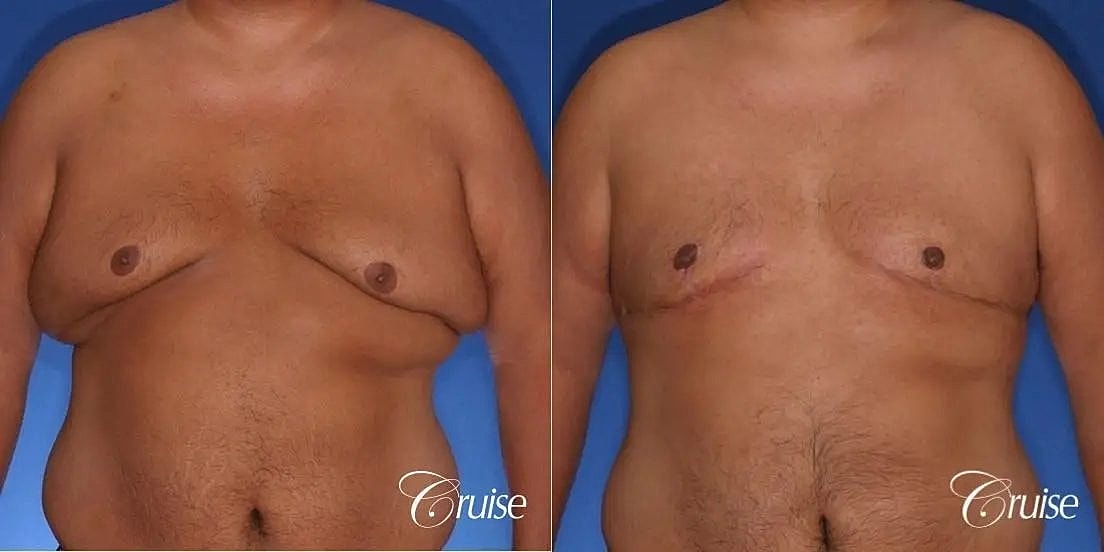
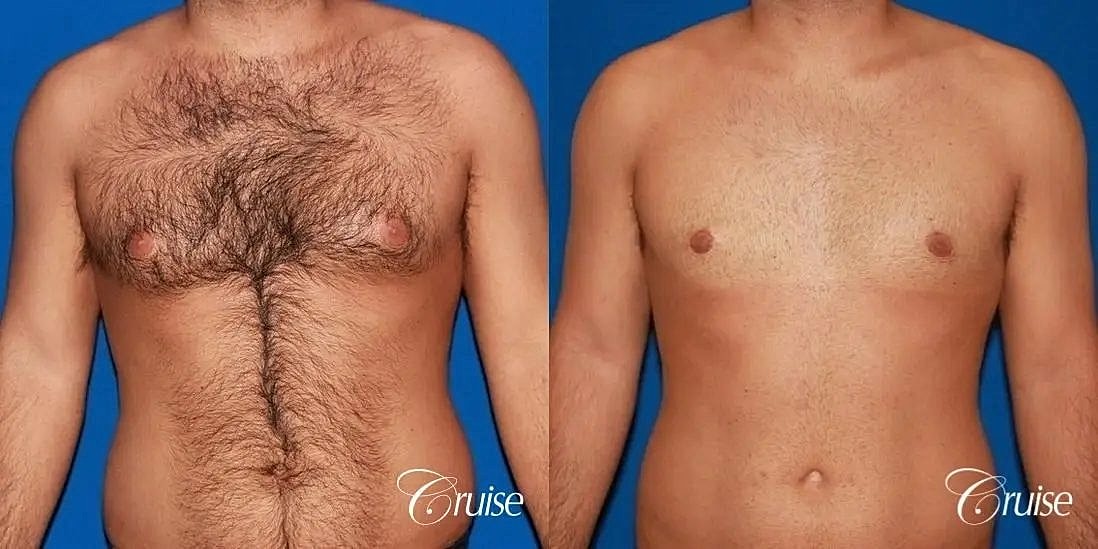
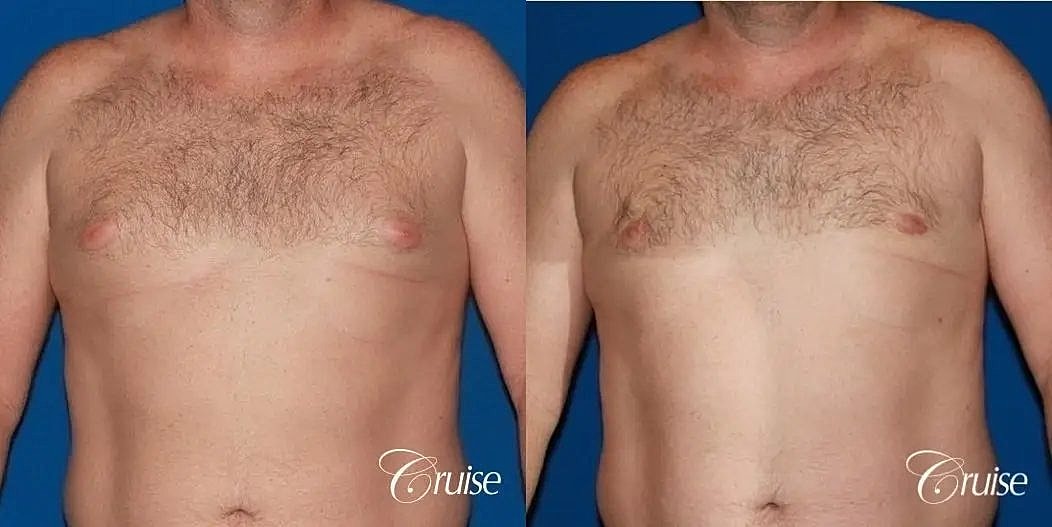
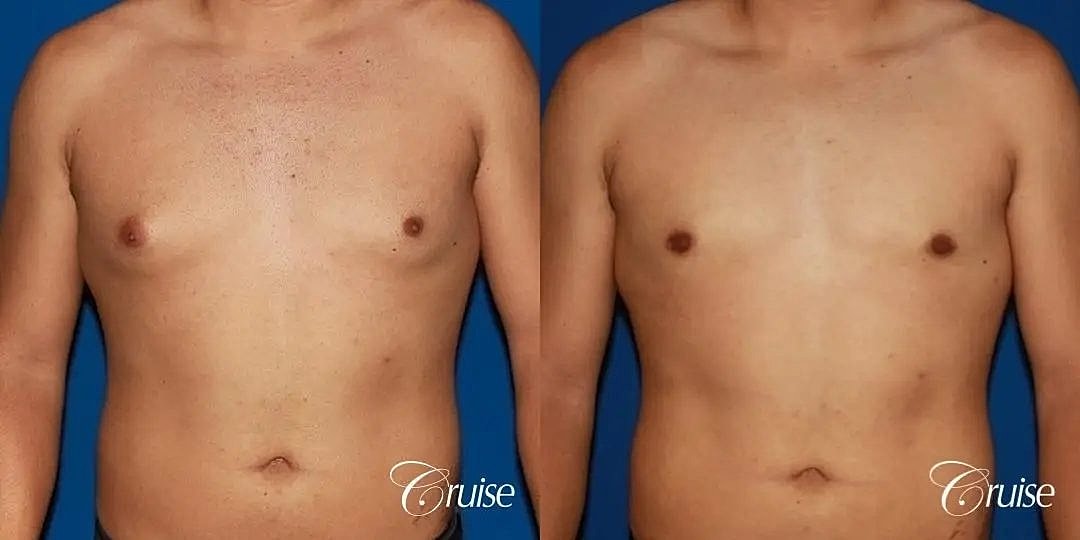
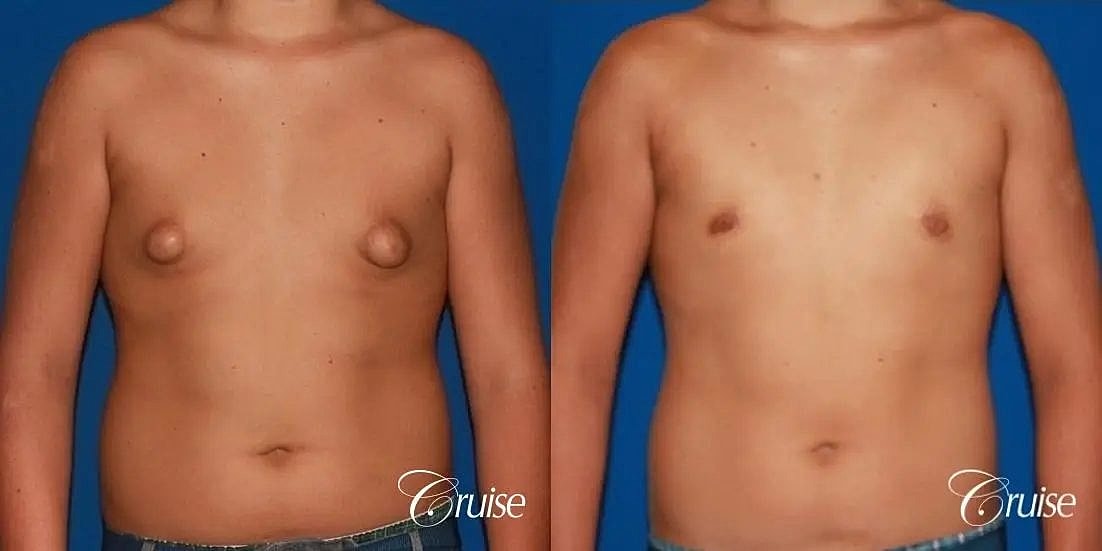
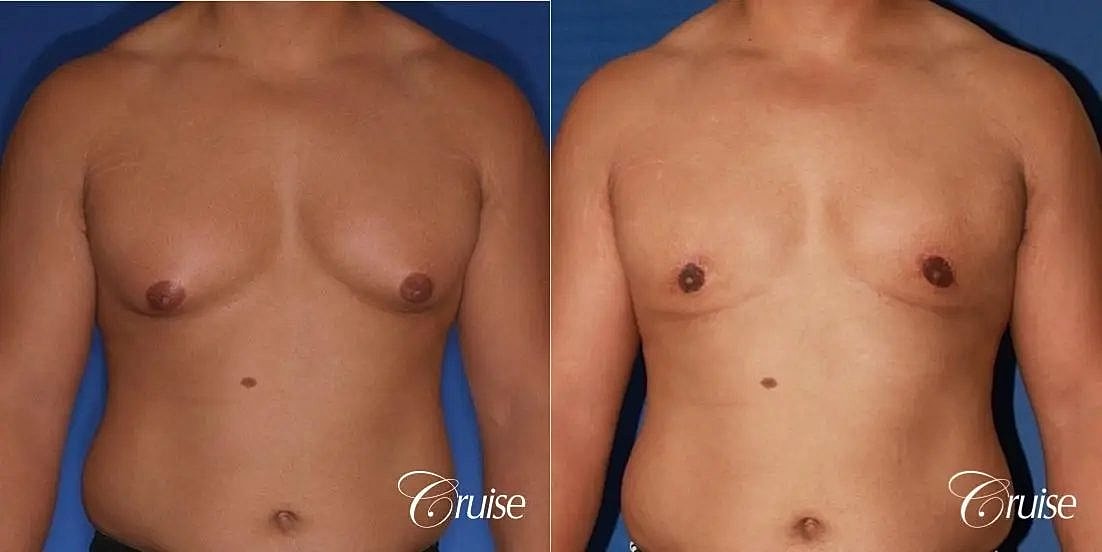
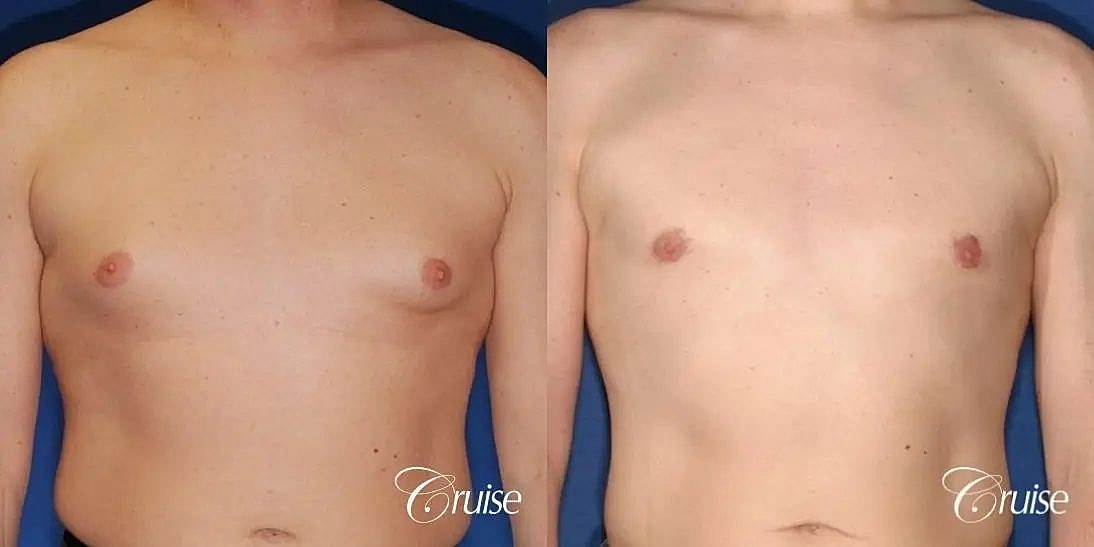
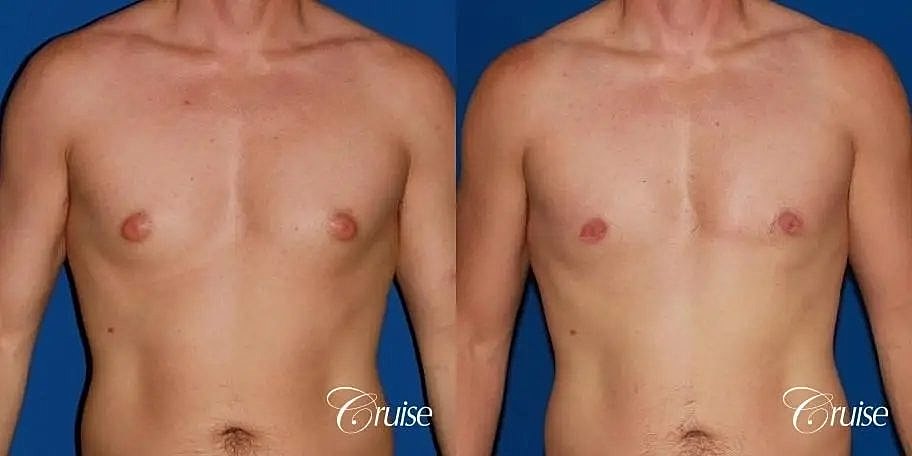
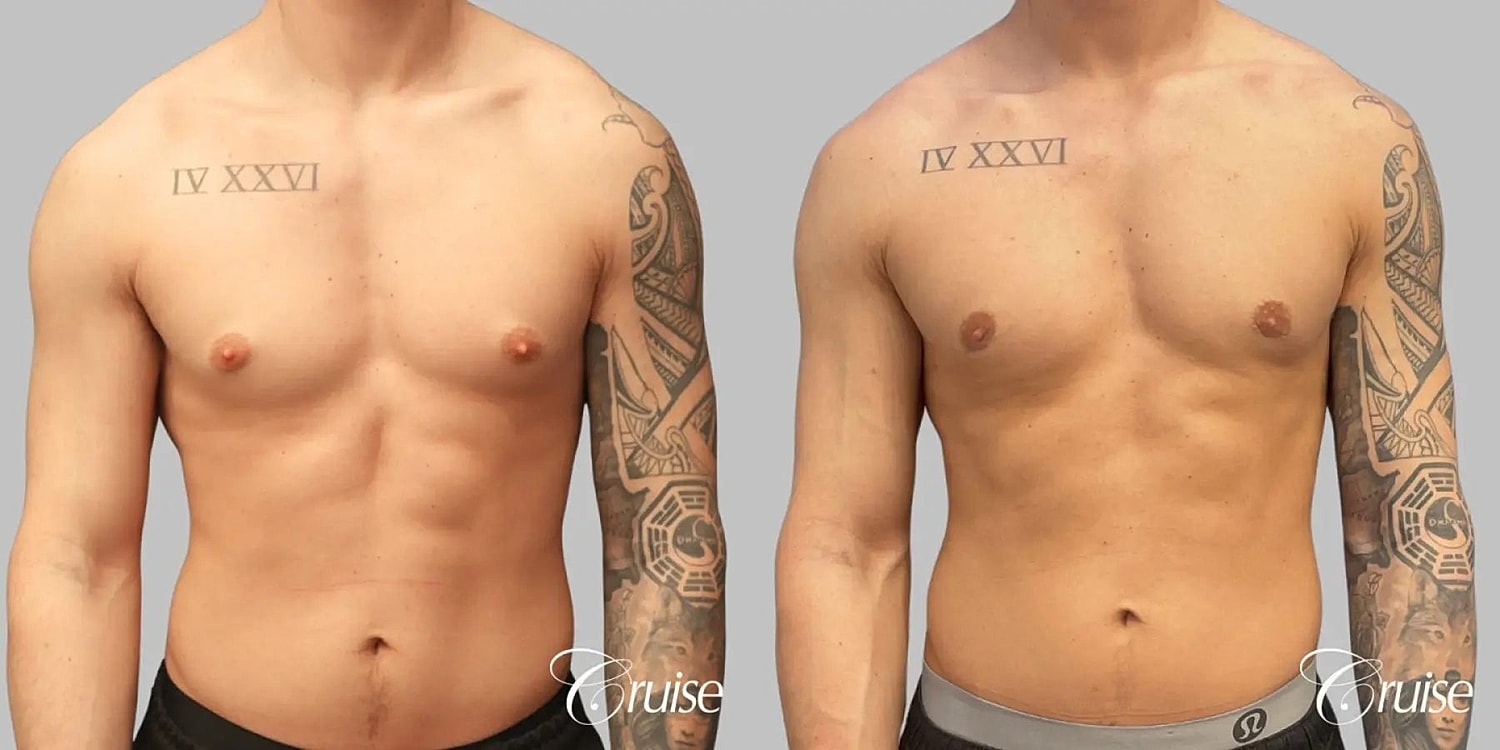
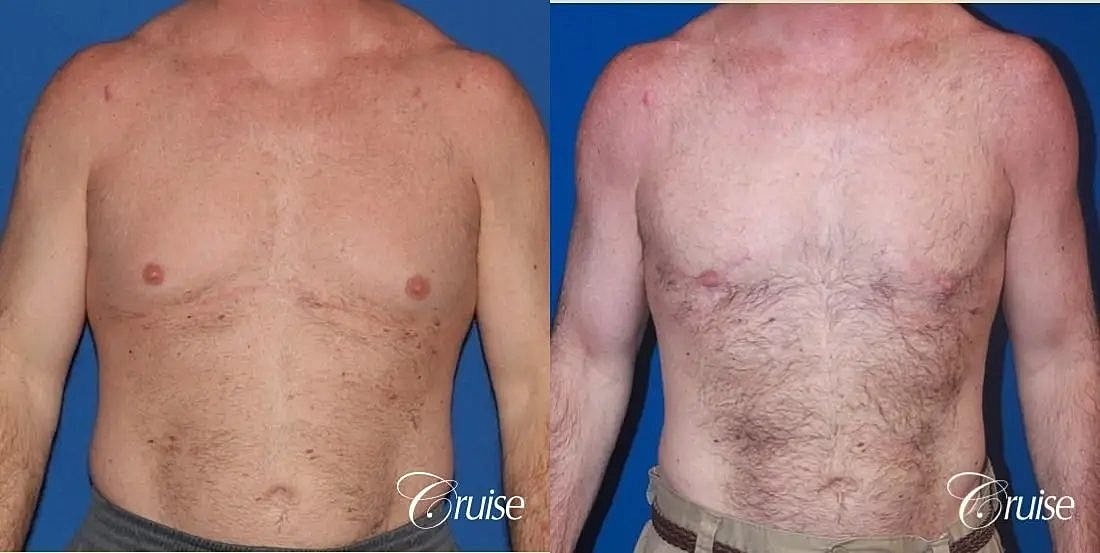
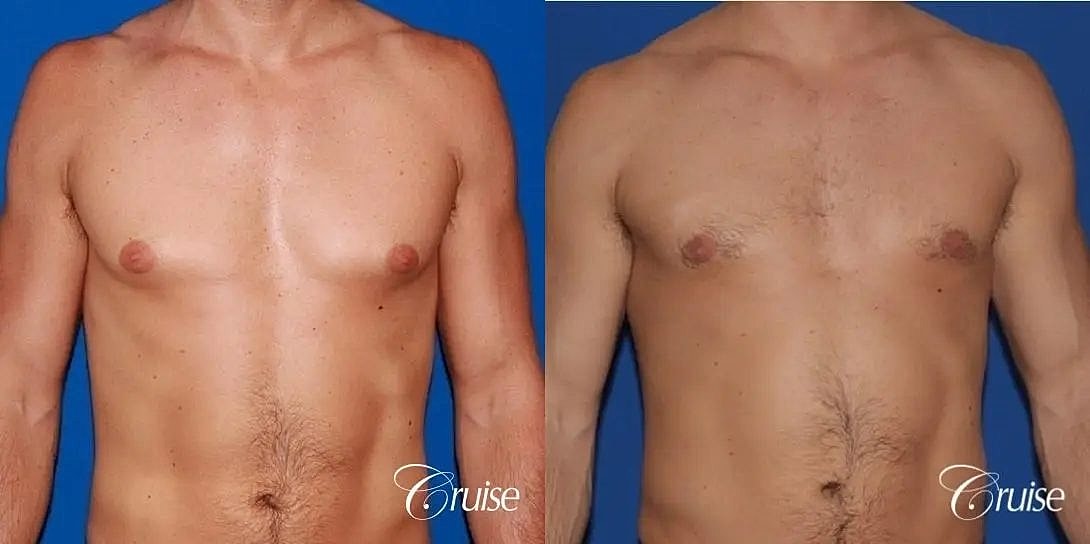
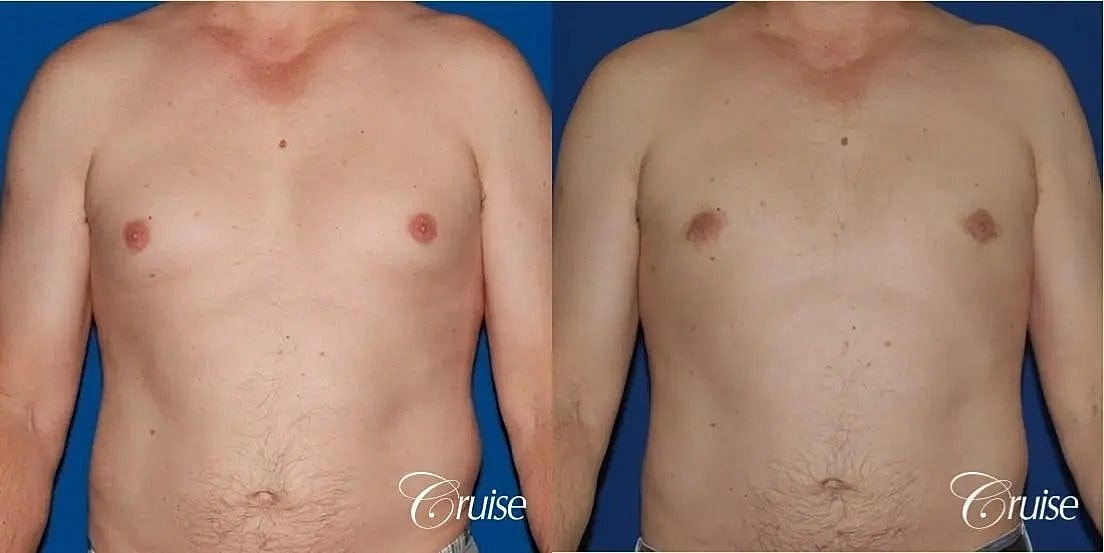
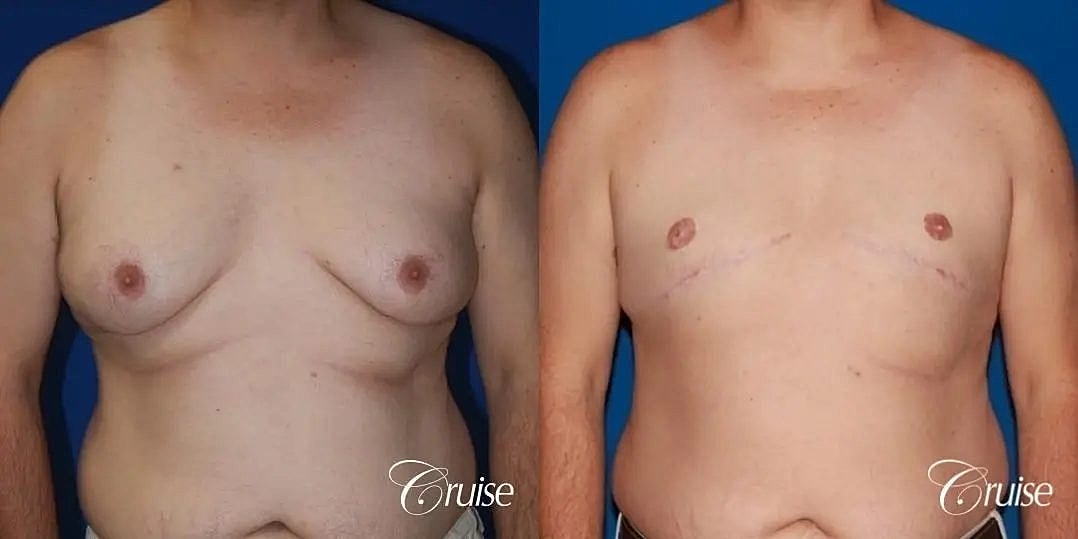
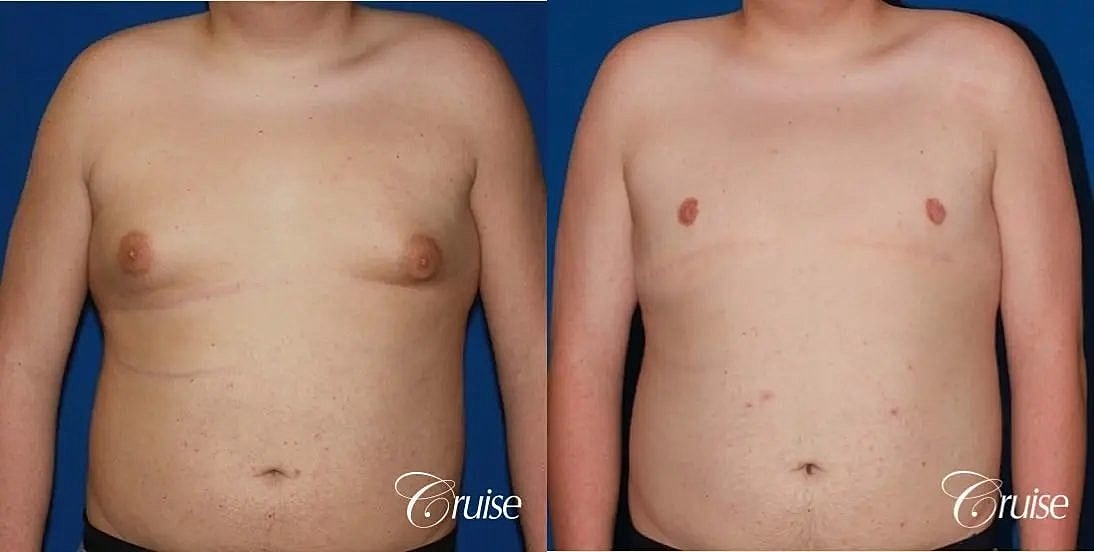
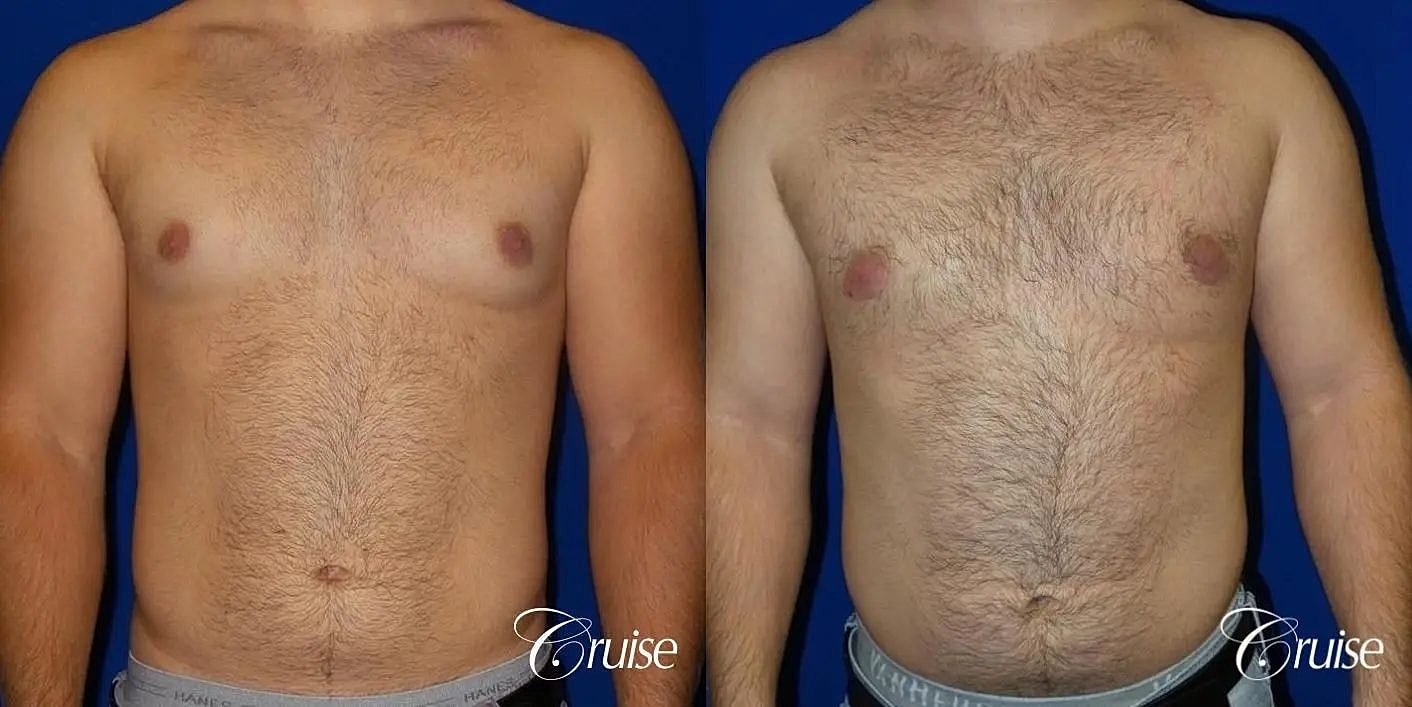
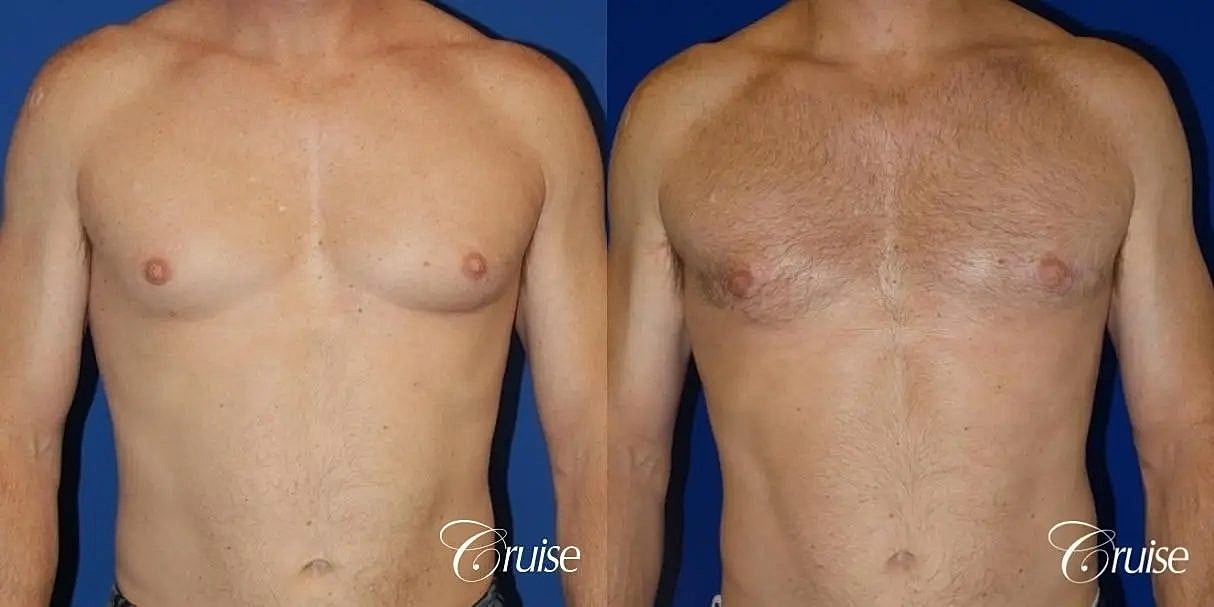
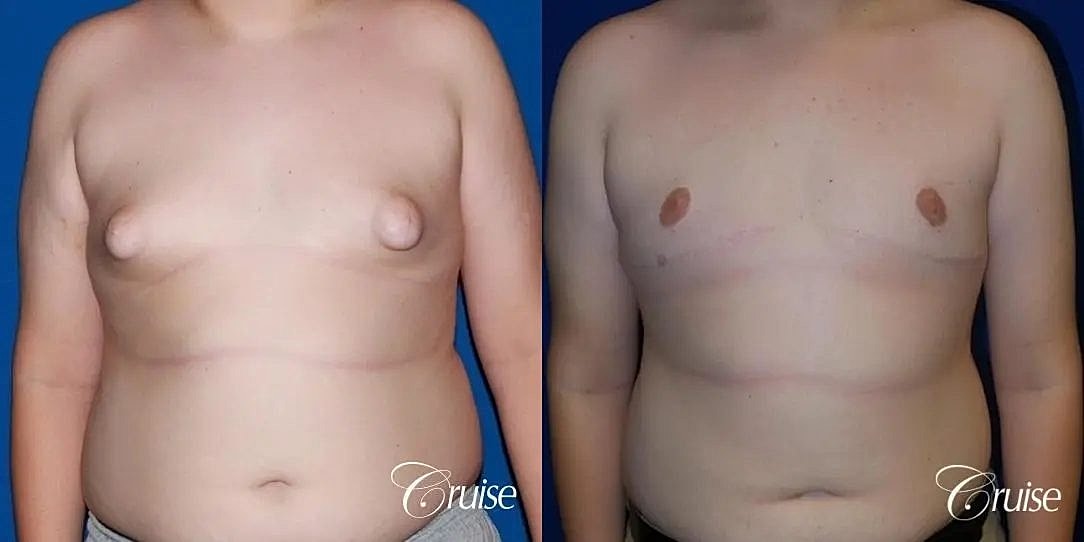
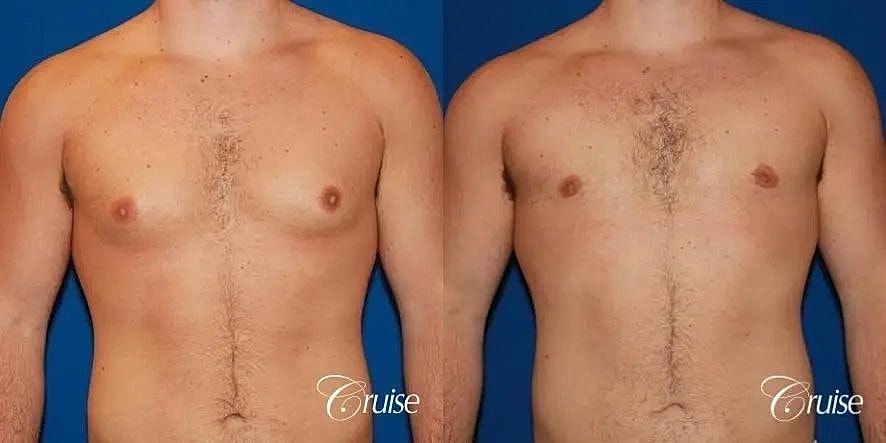
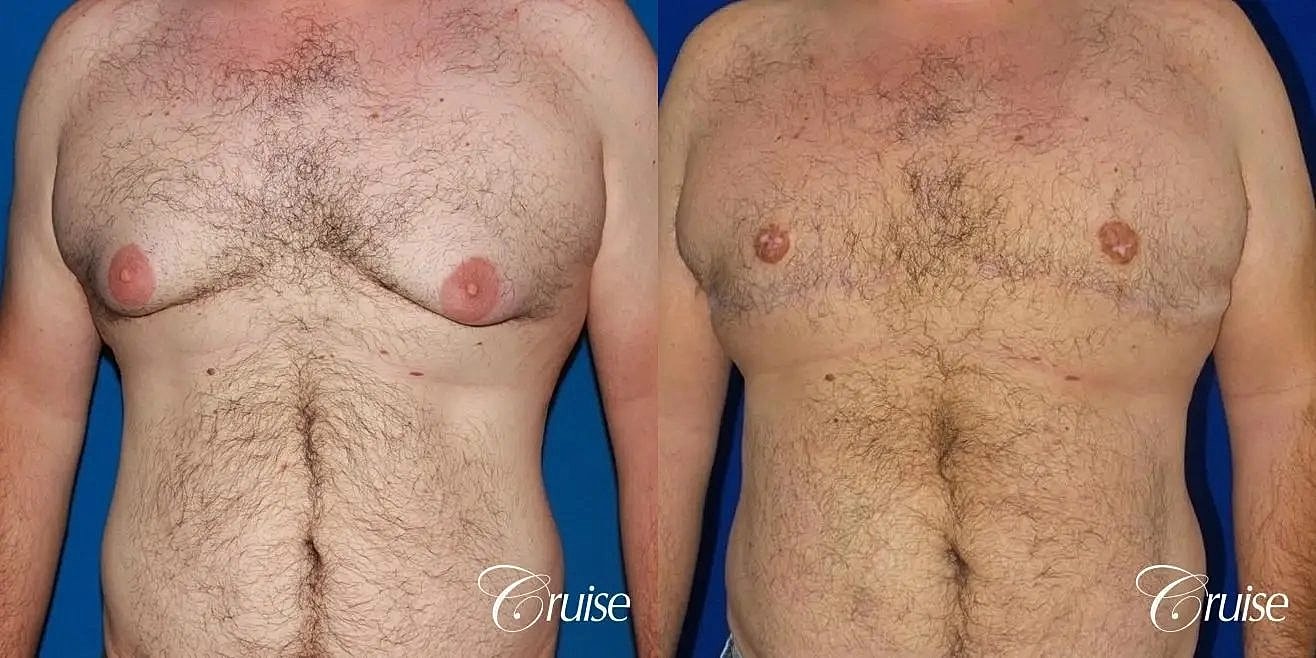
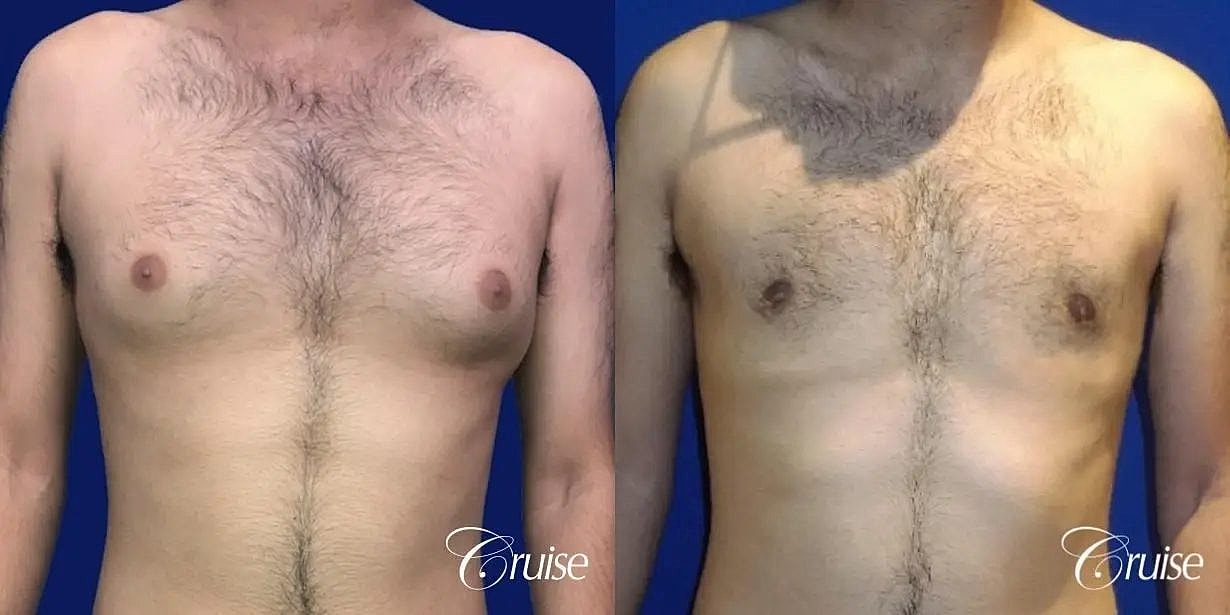
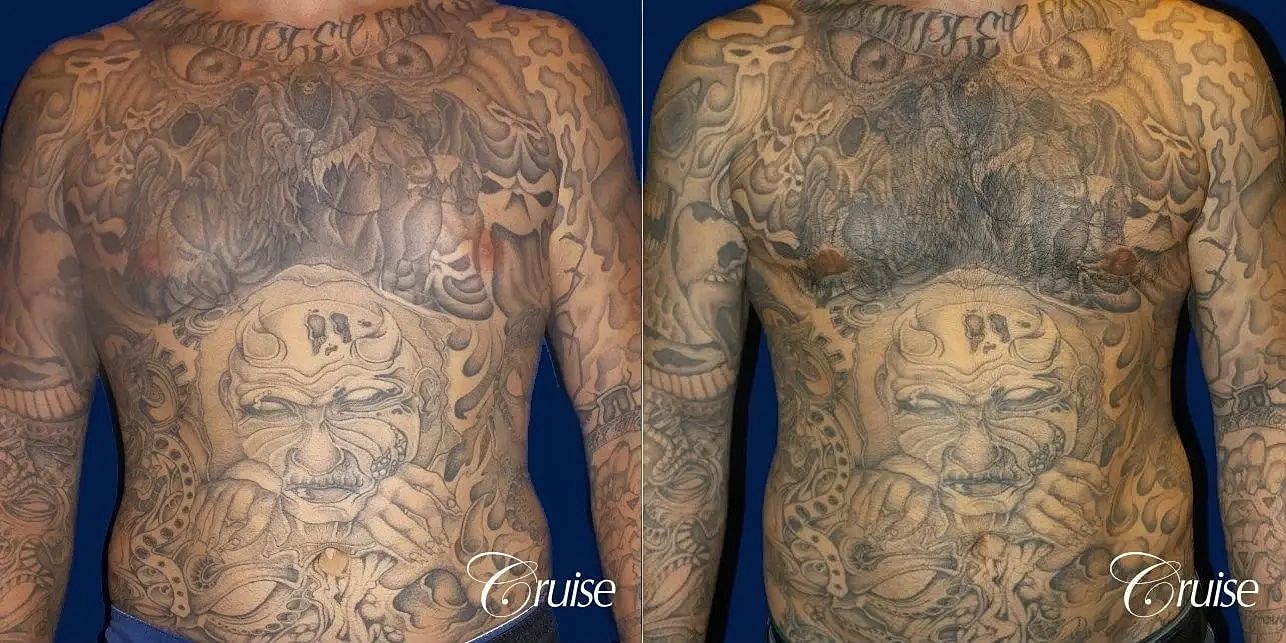
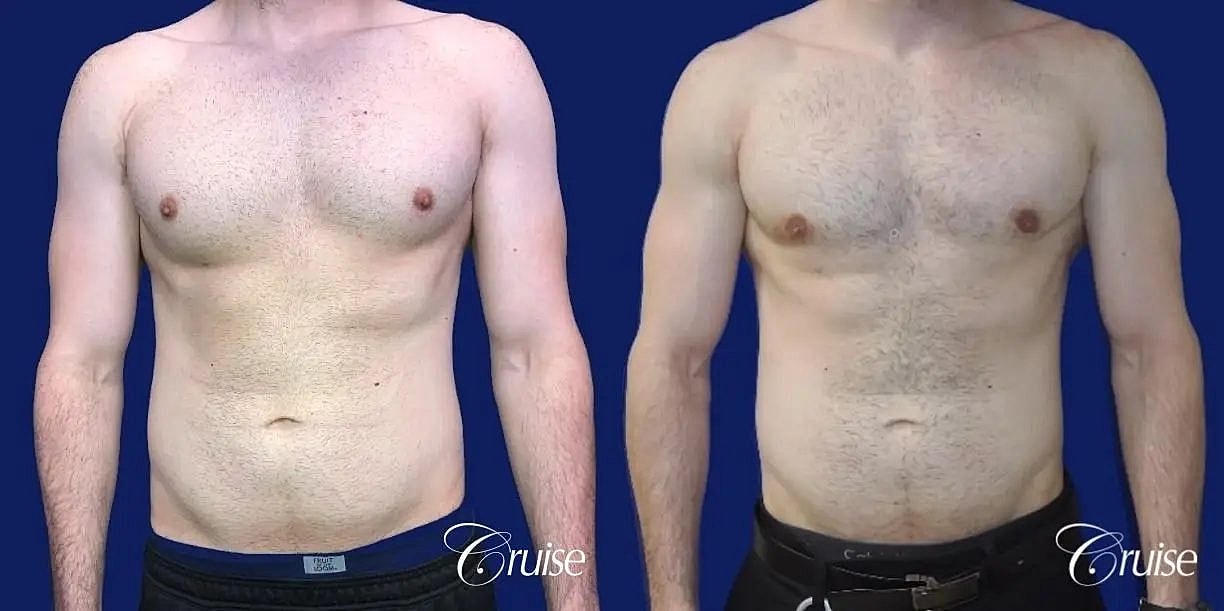
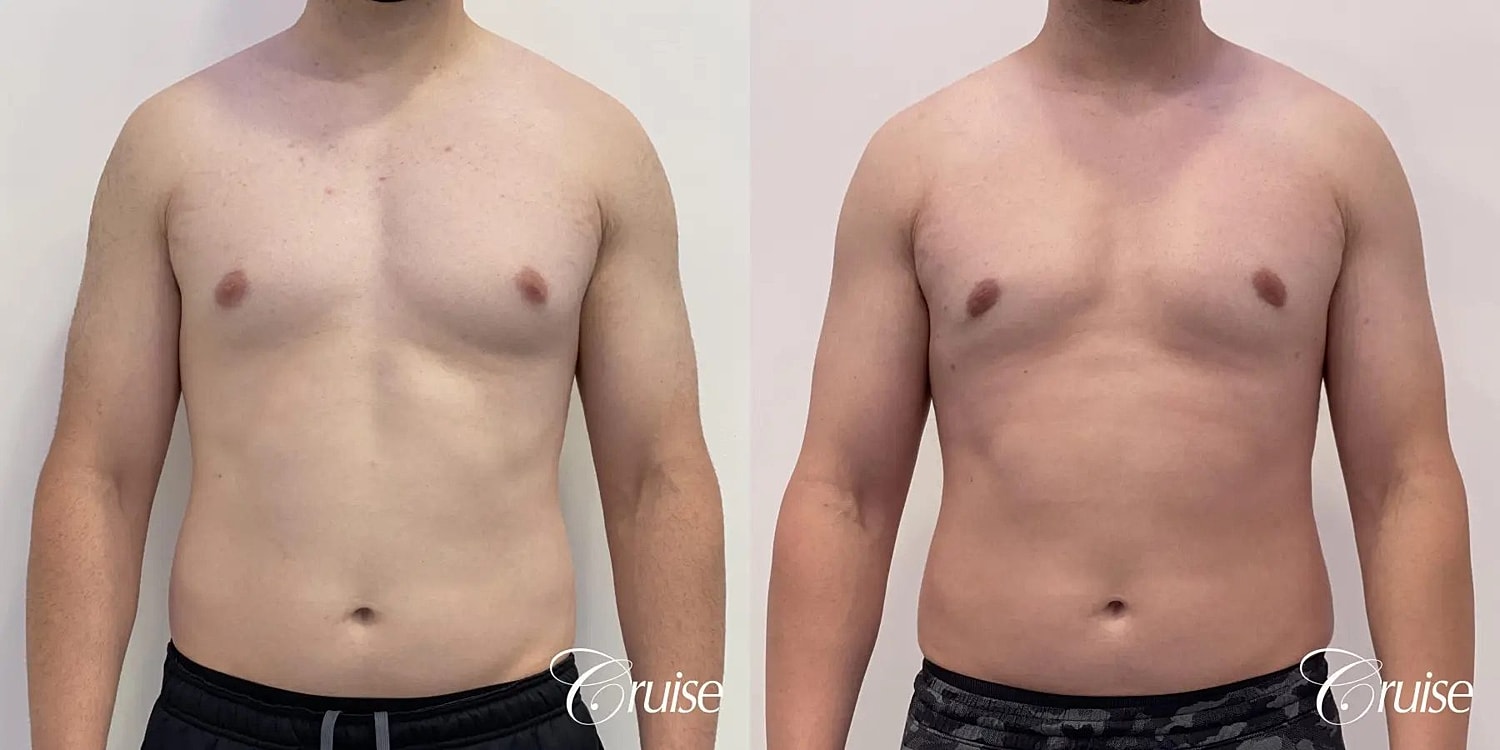
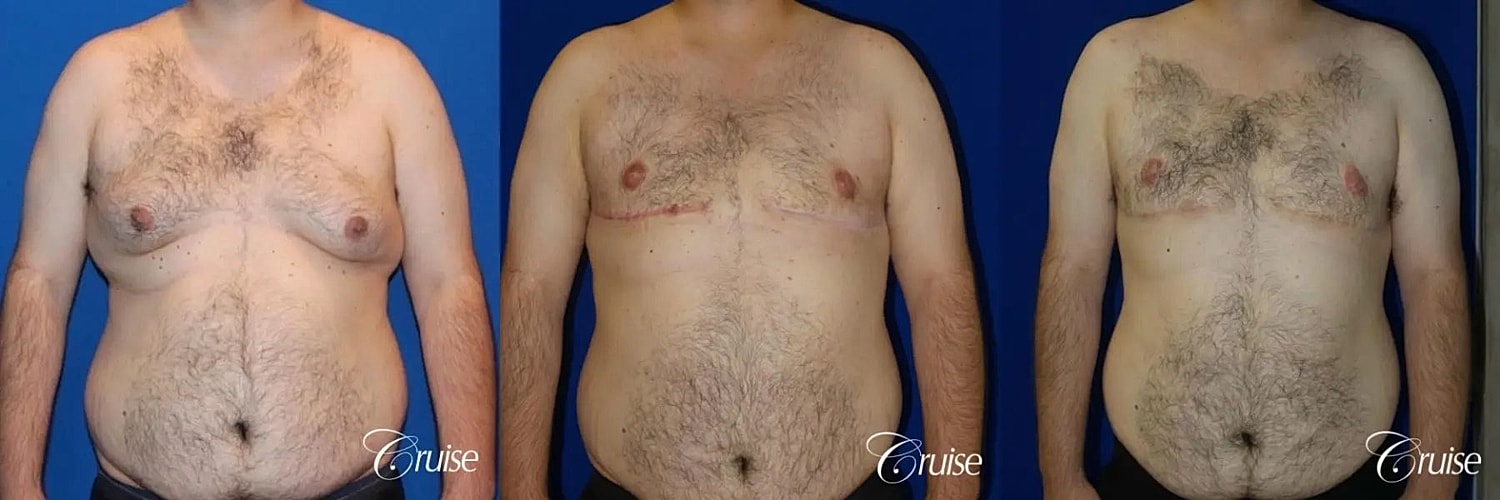
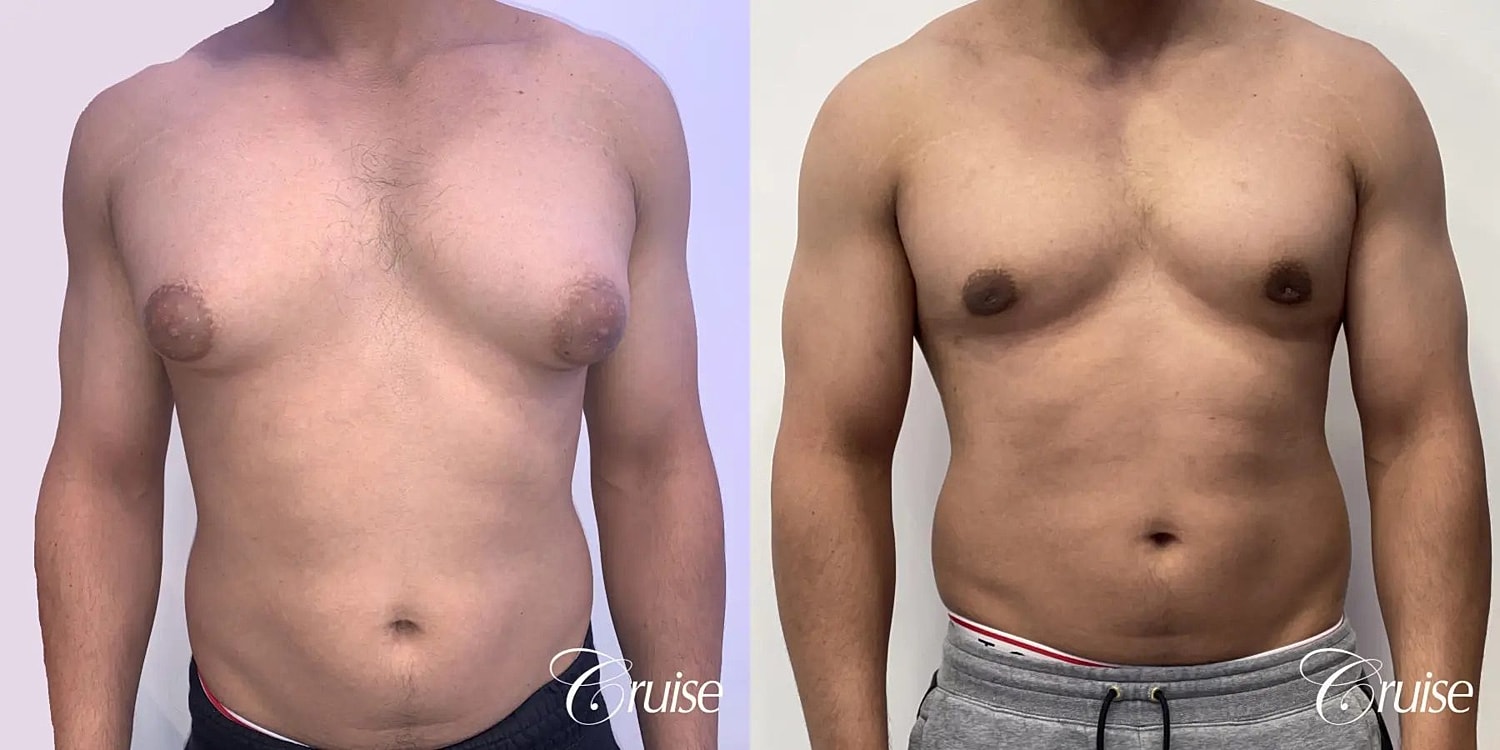
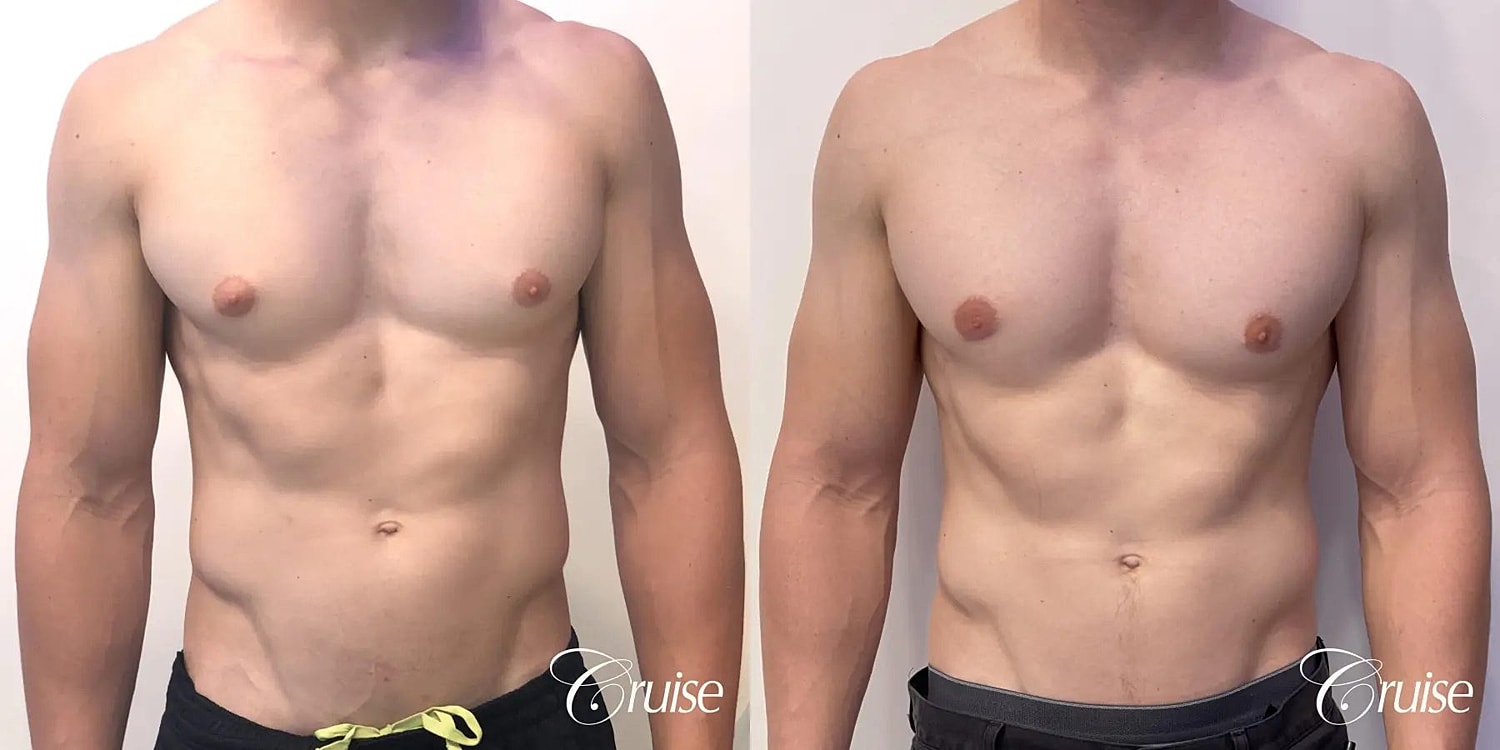
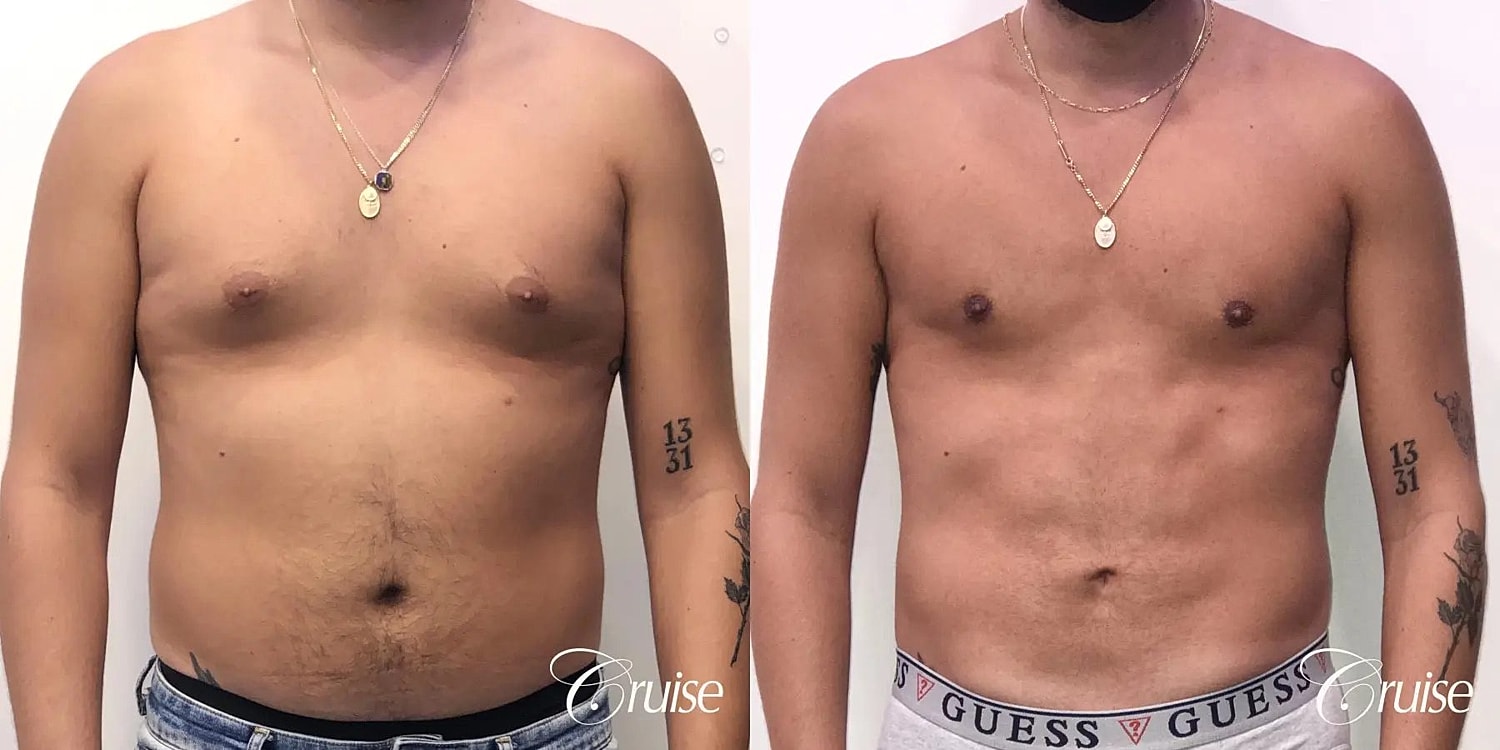
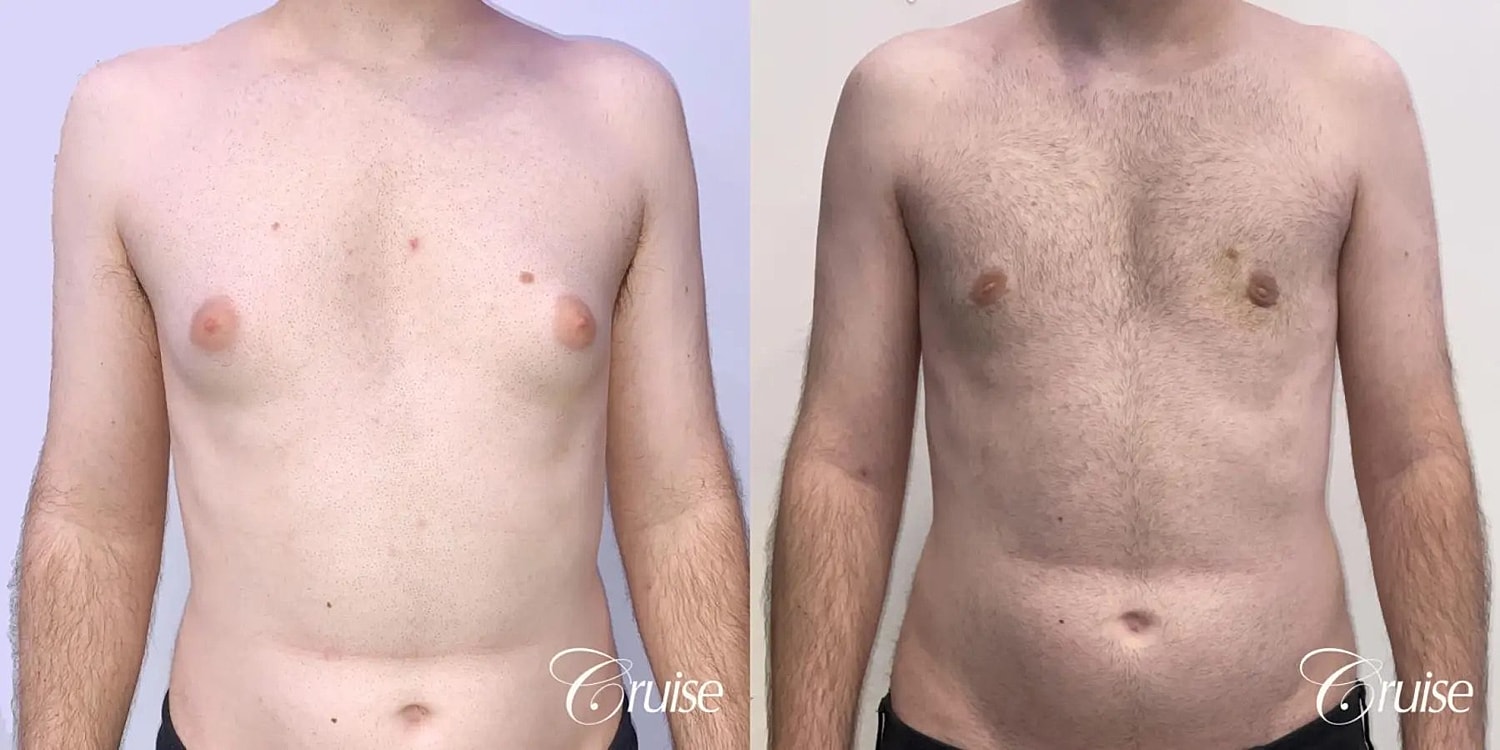
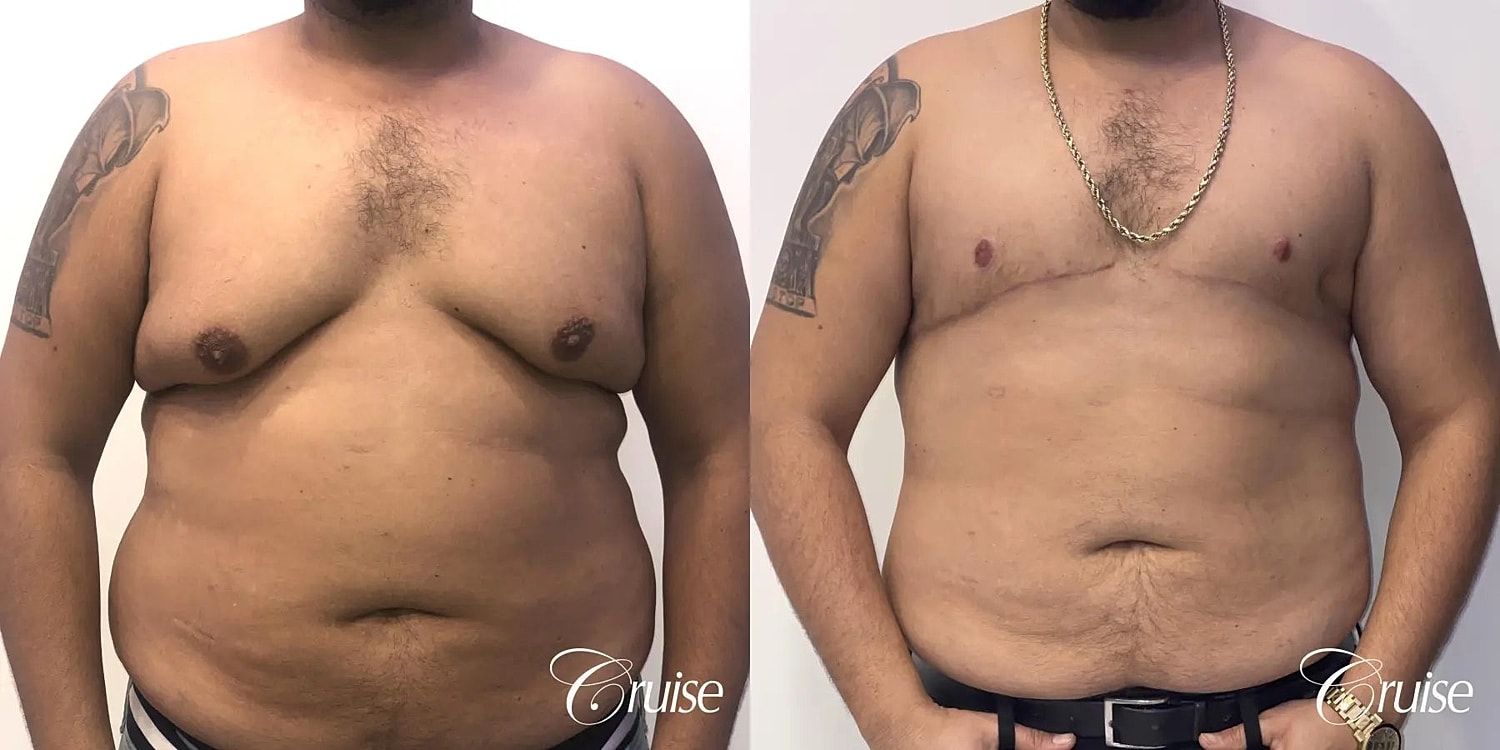
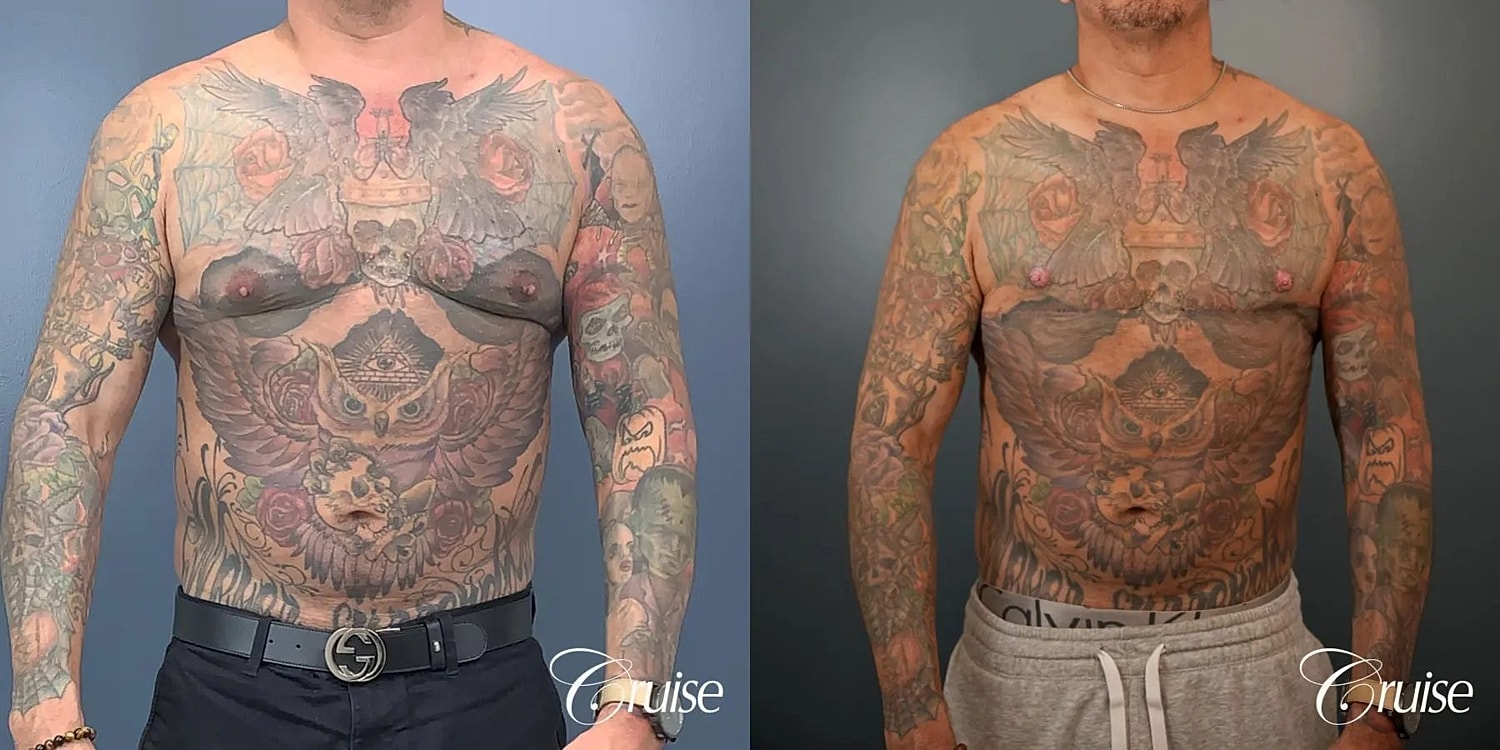
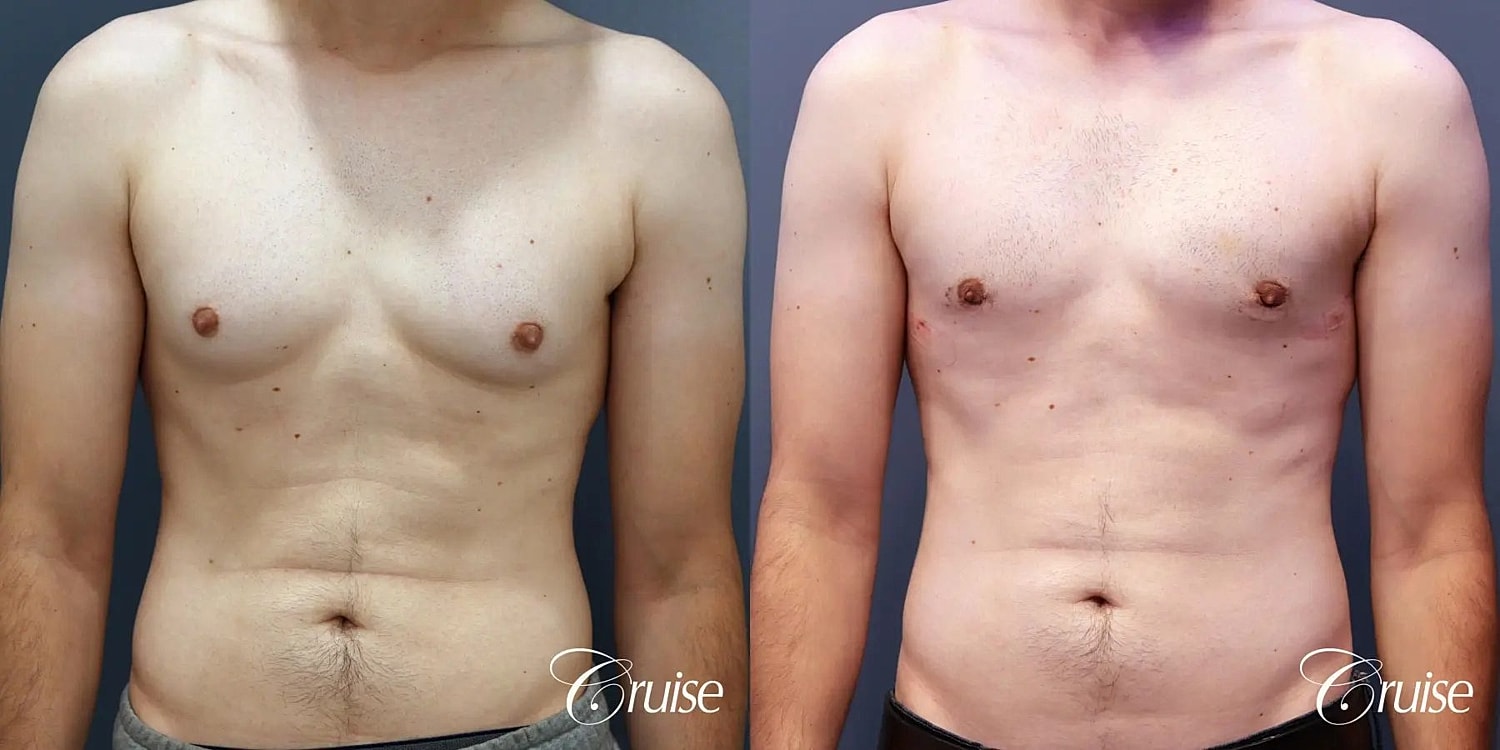
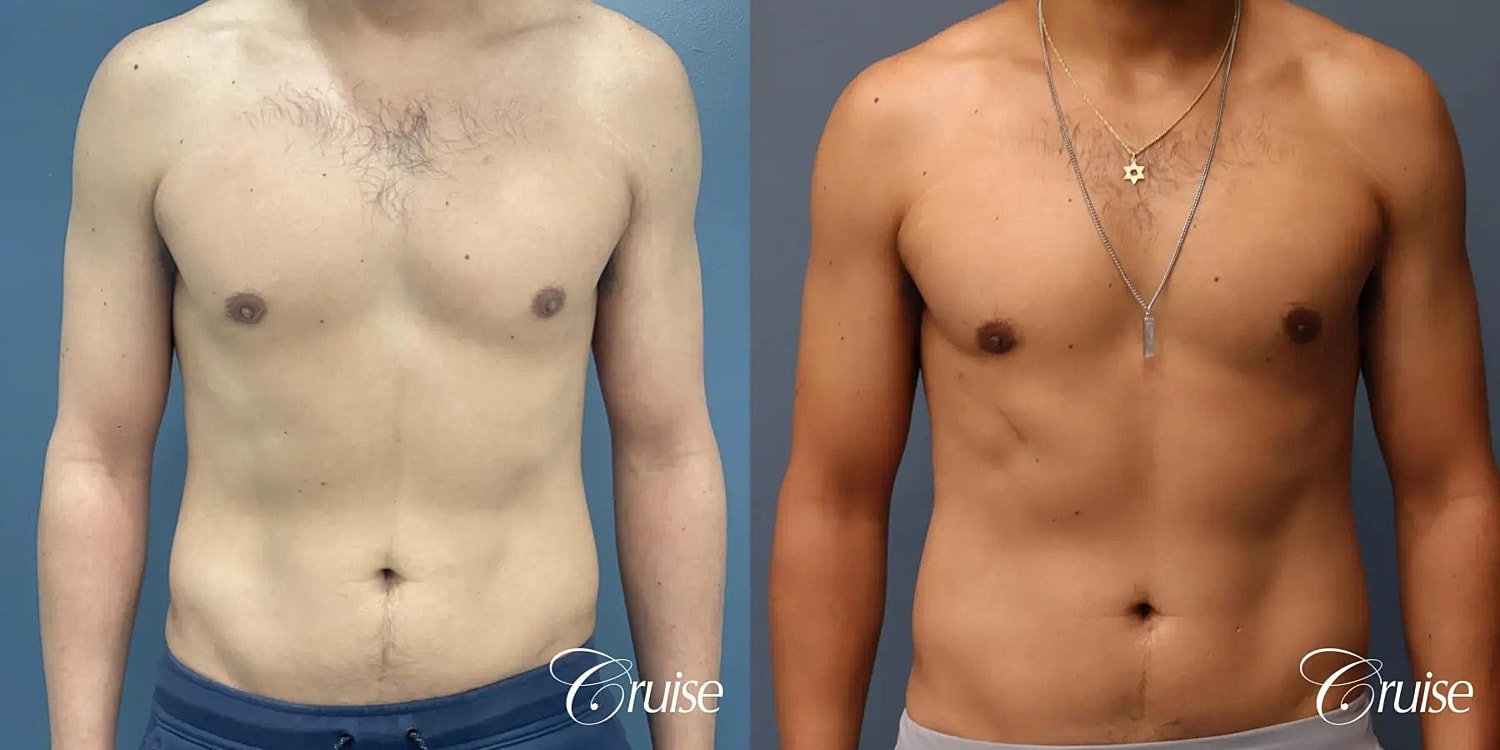
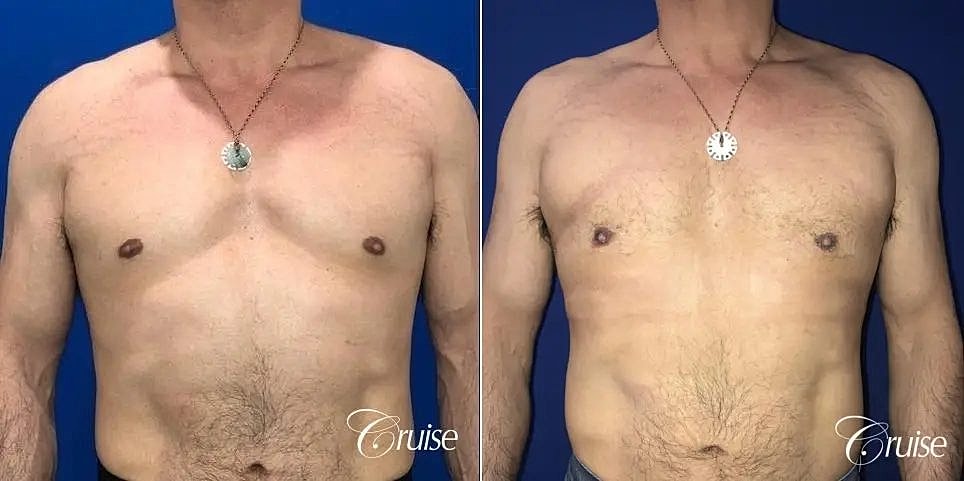
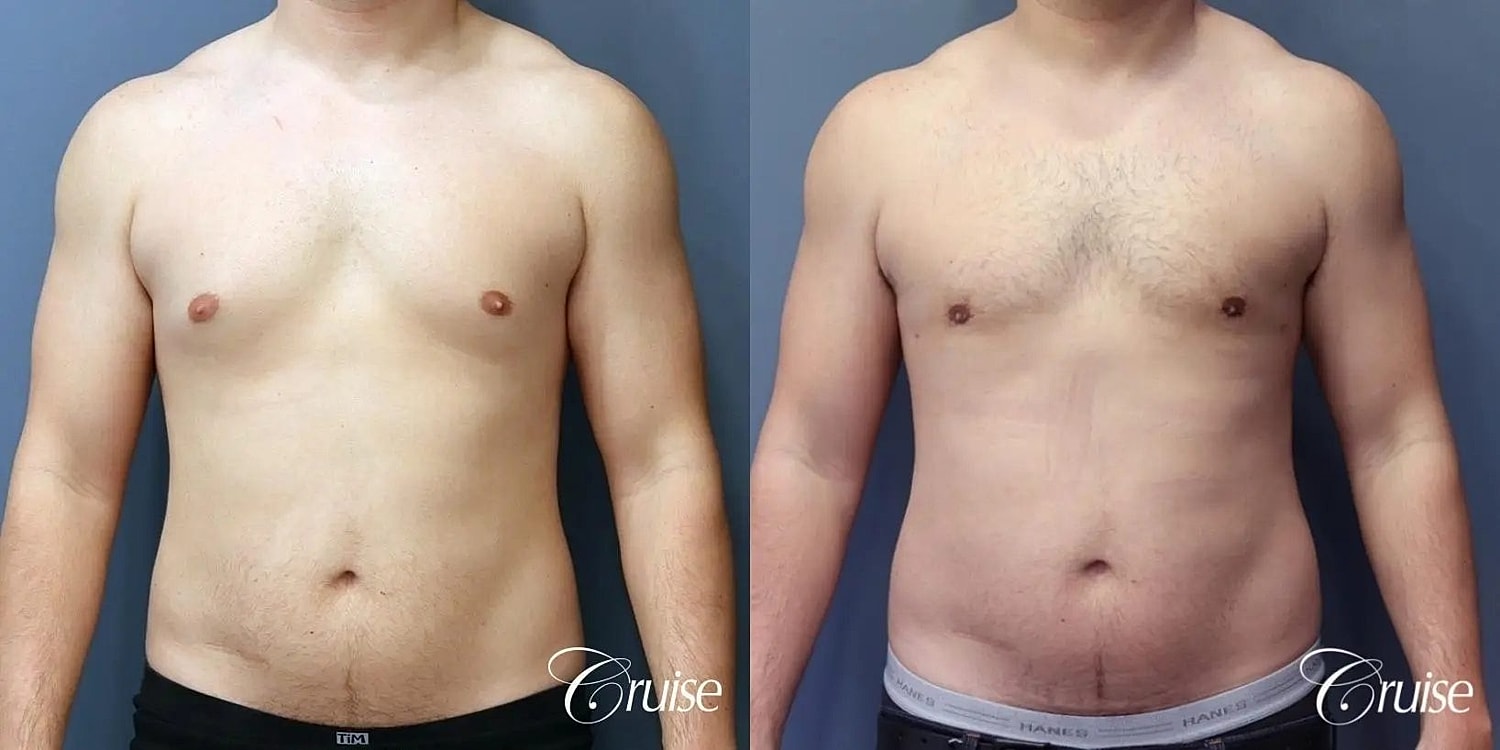
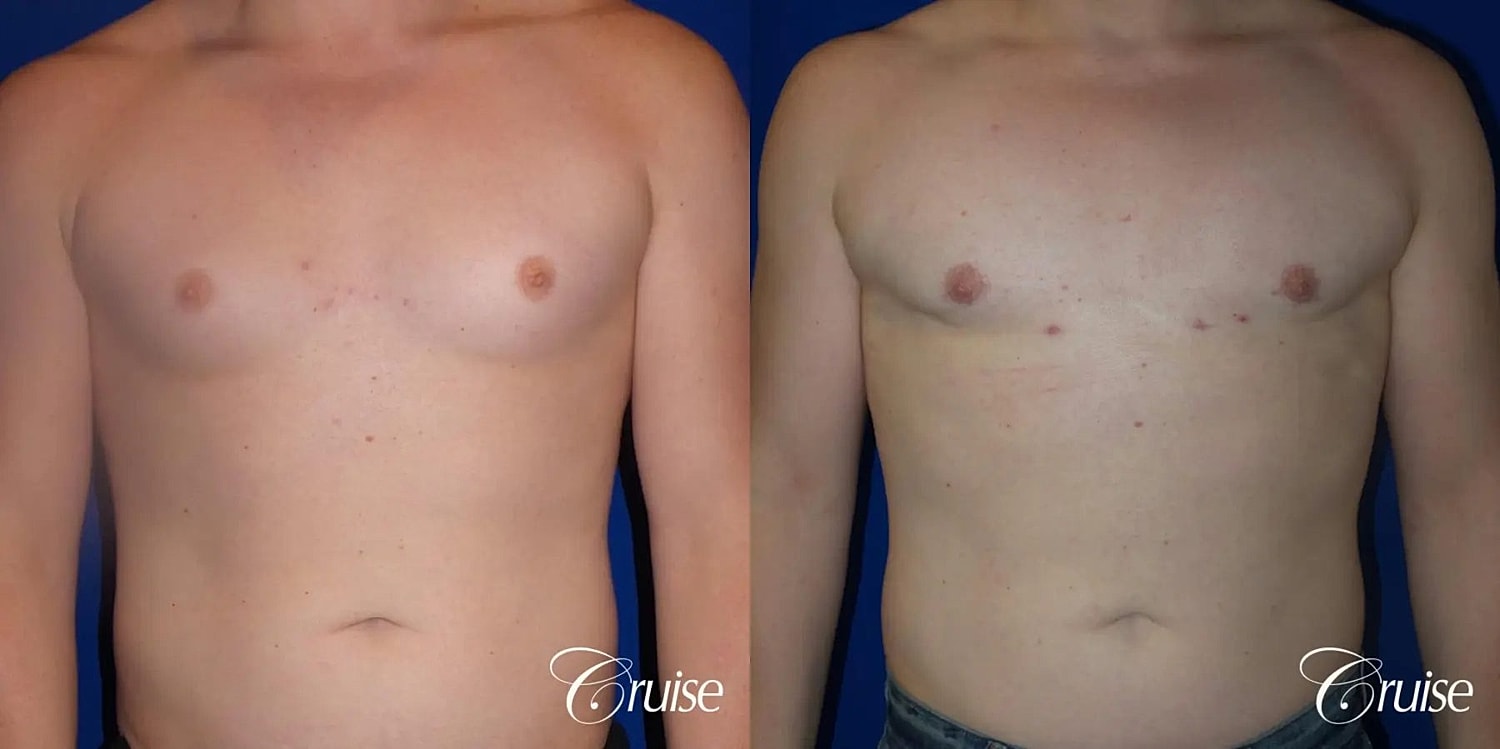
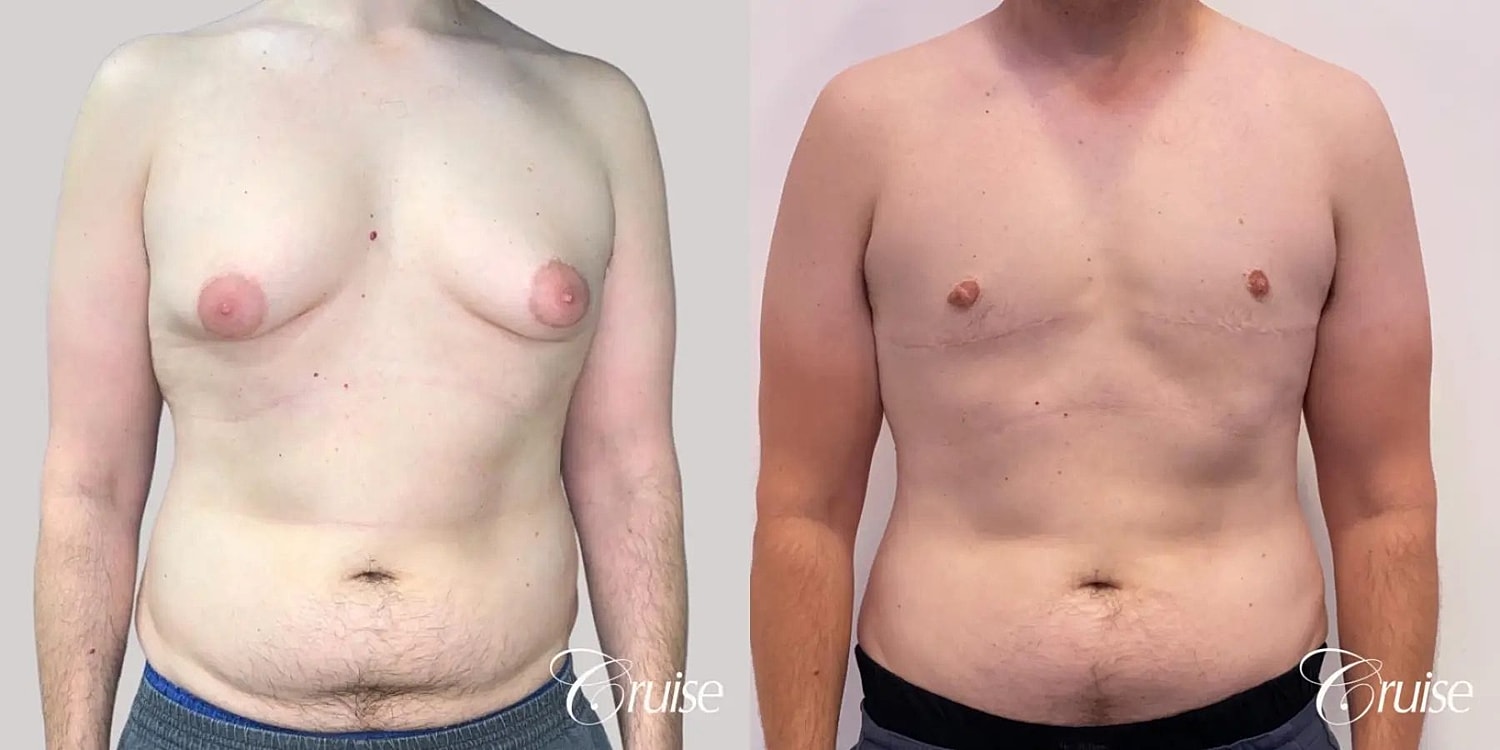
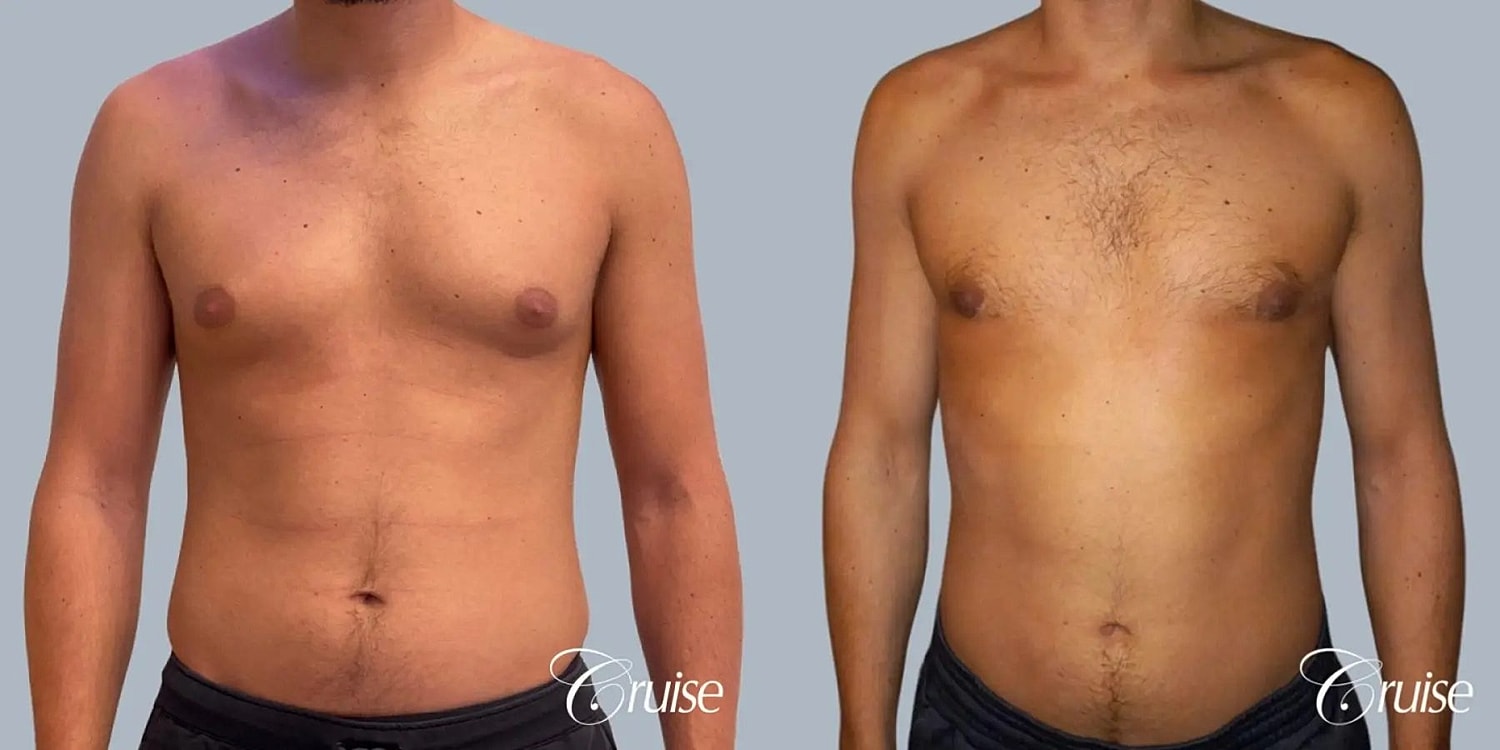
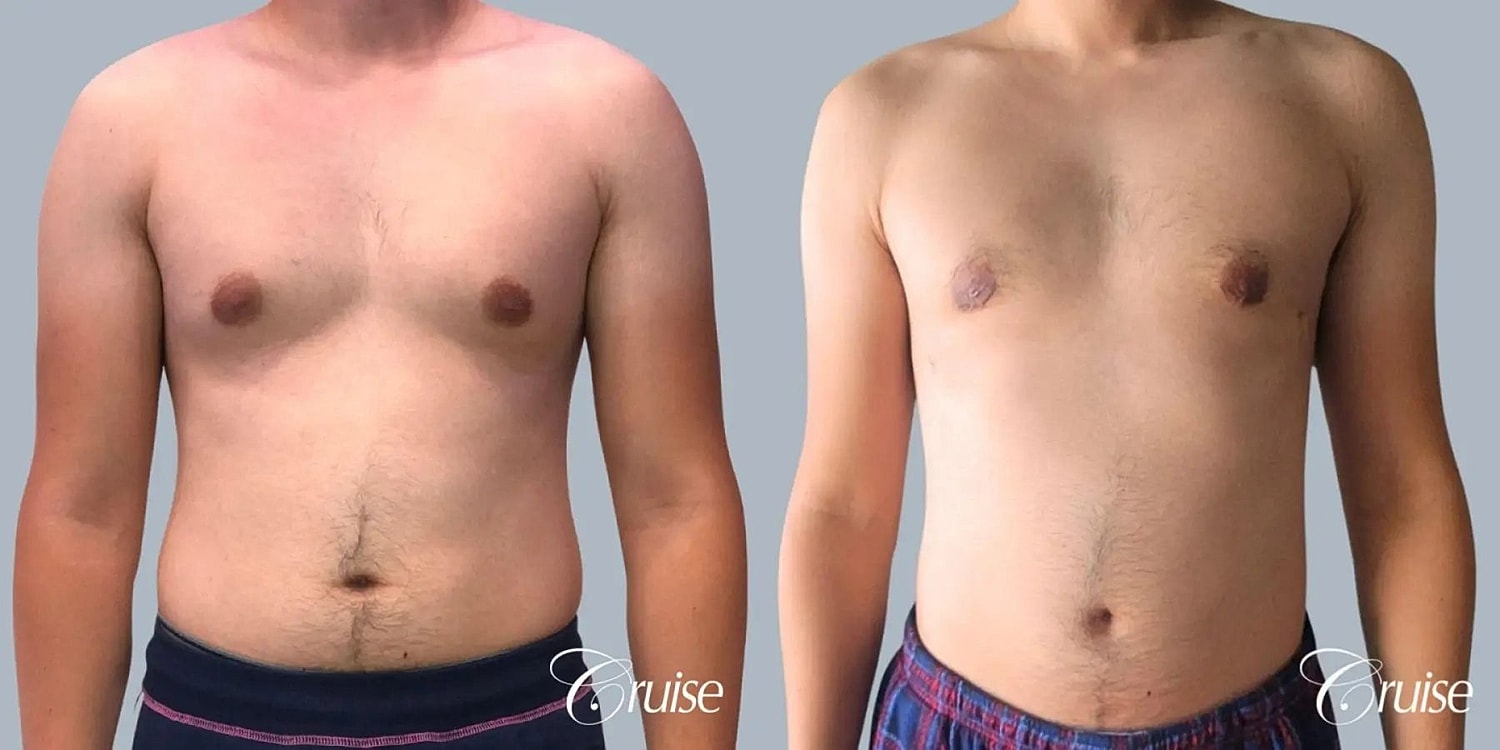
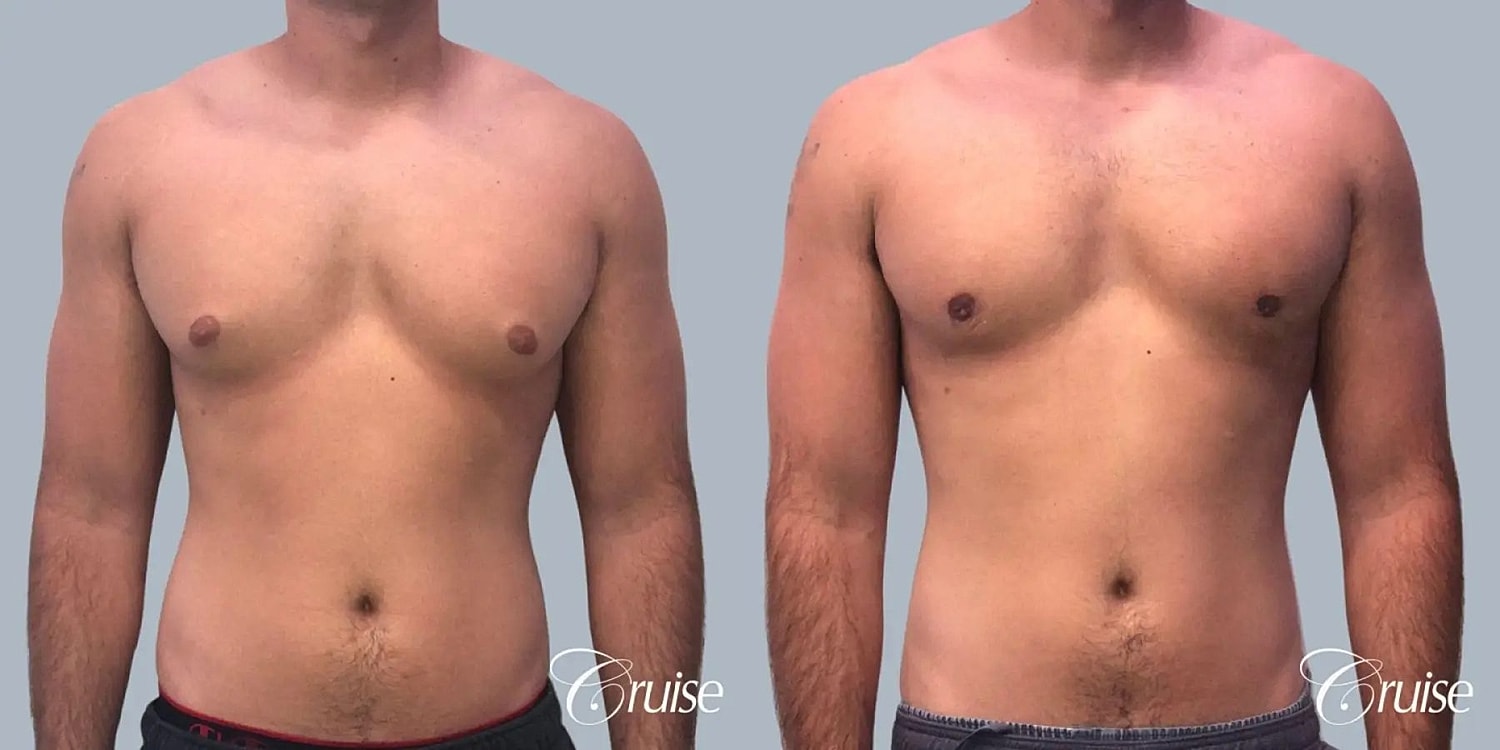
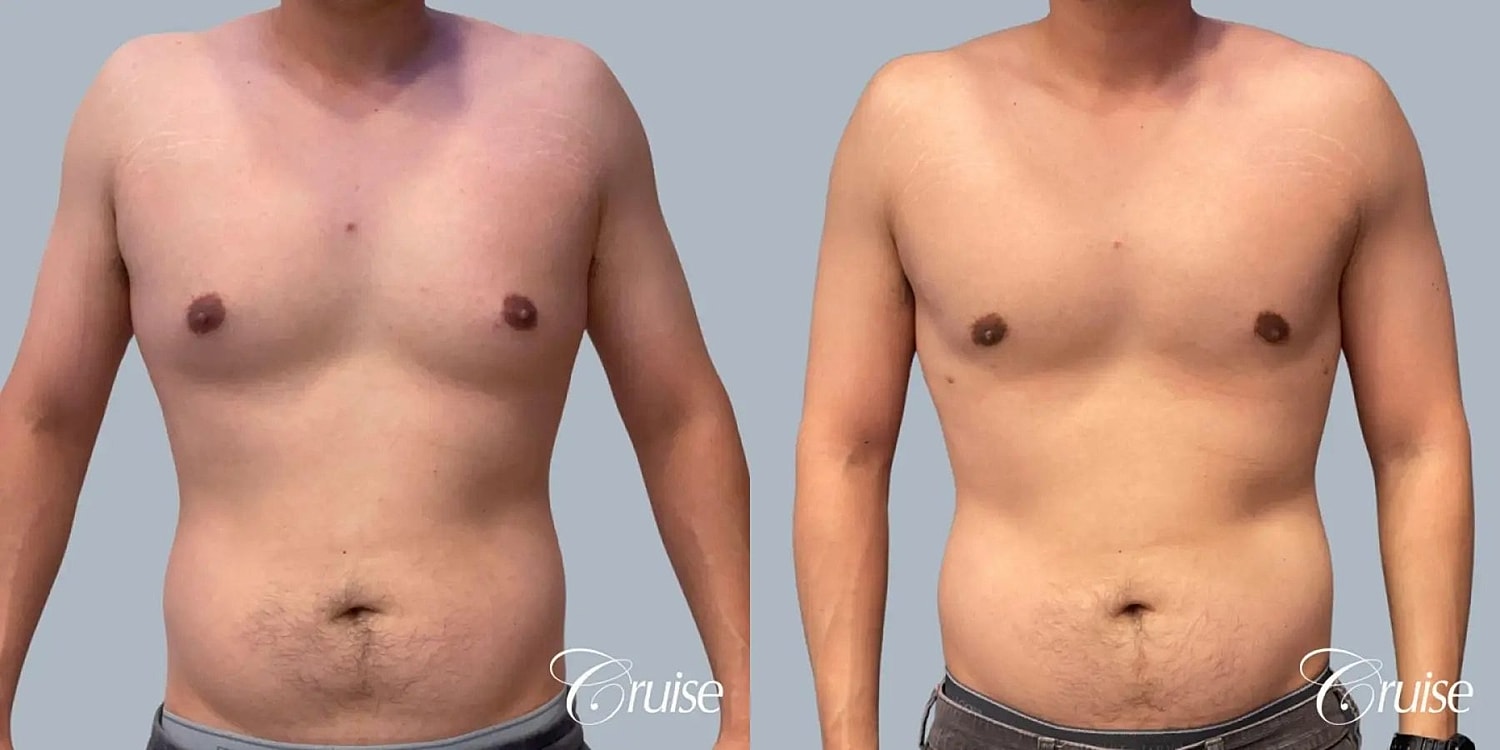
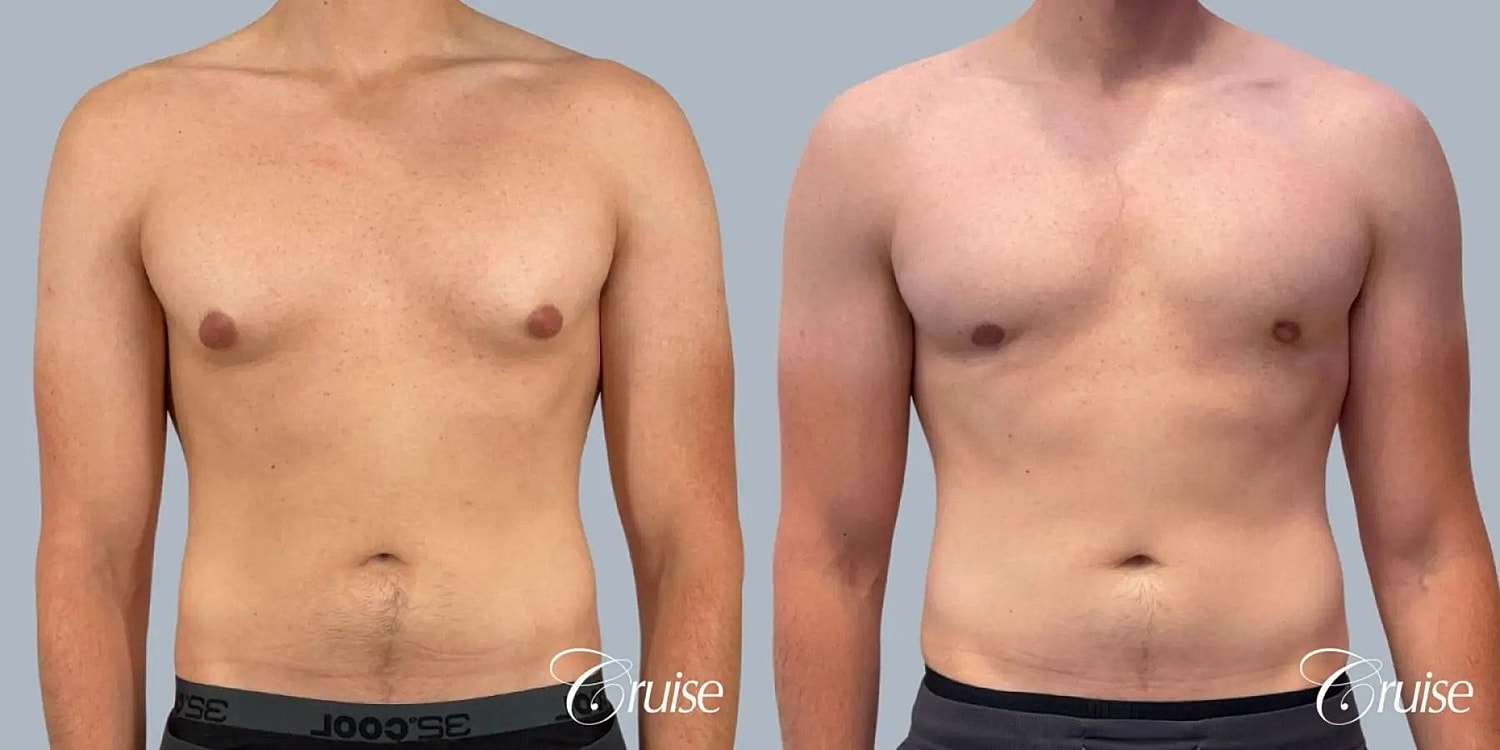
Gynecomastia After Massive Weight Loss
in Los Angeles, CA







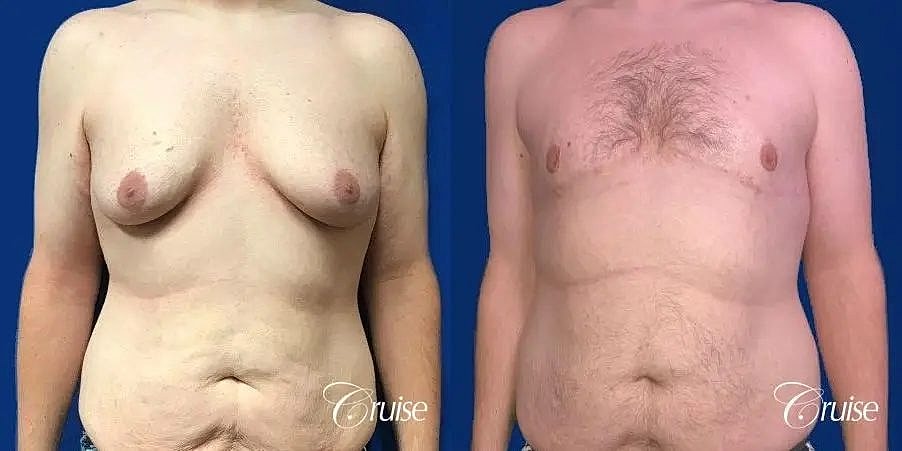
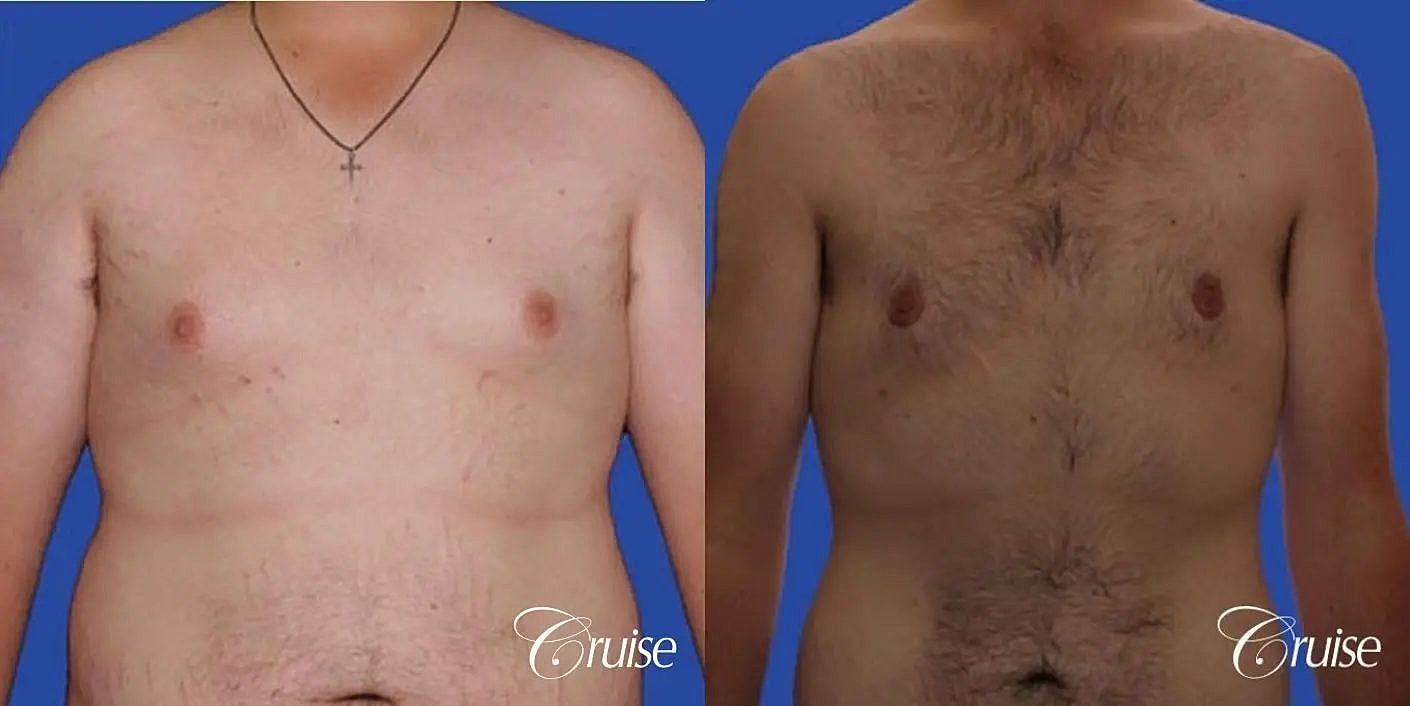
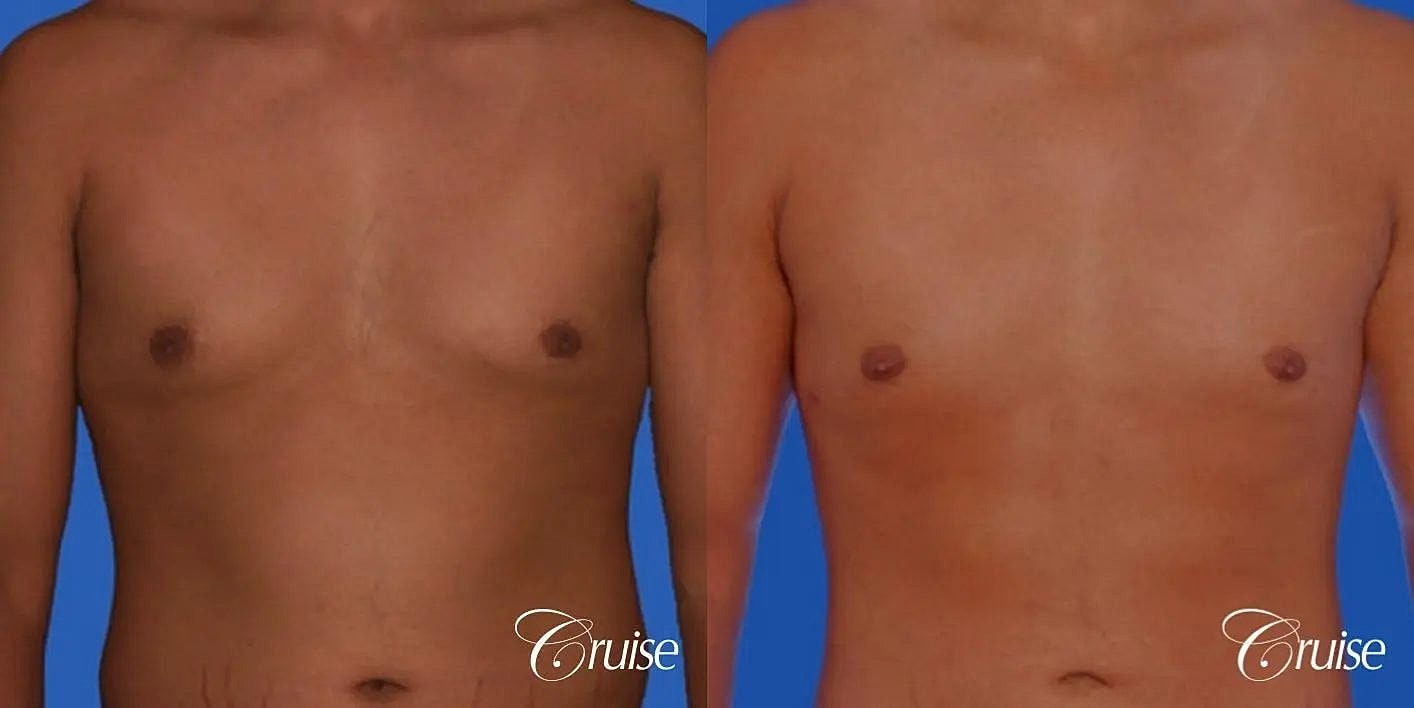
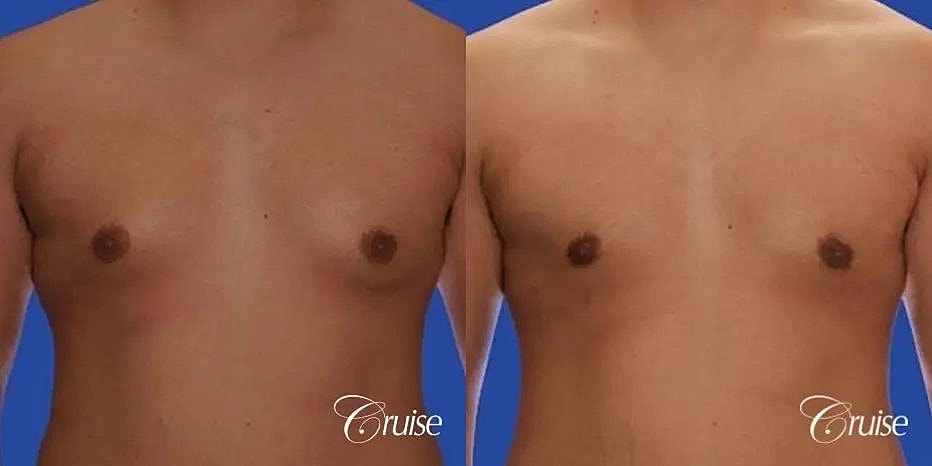
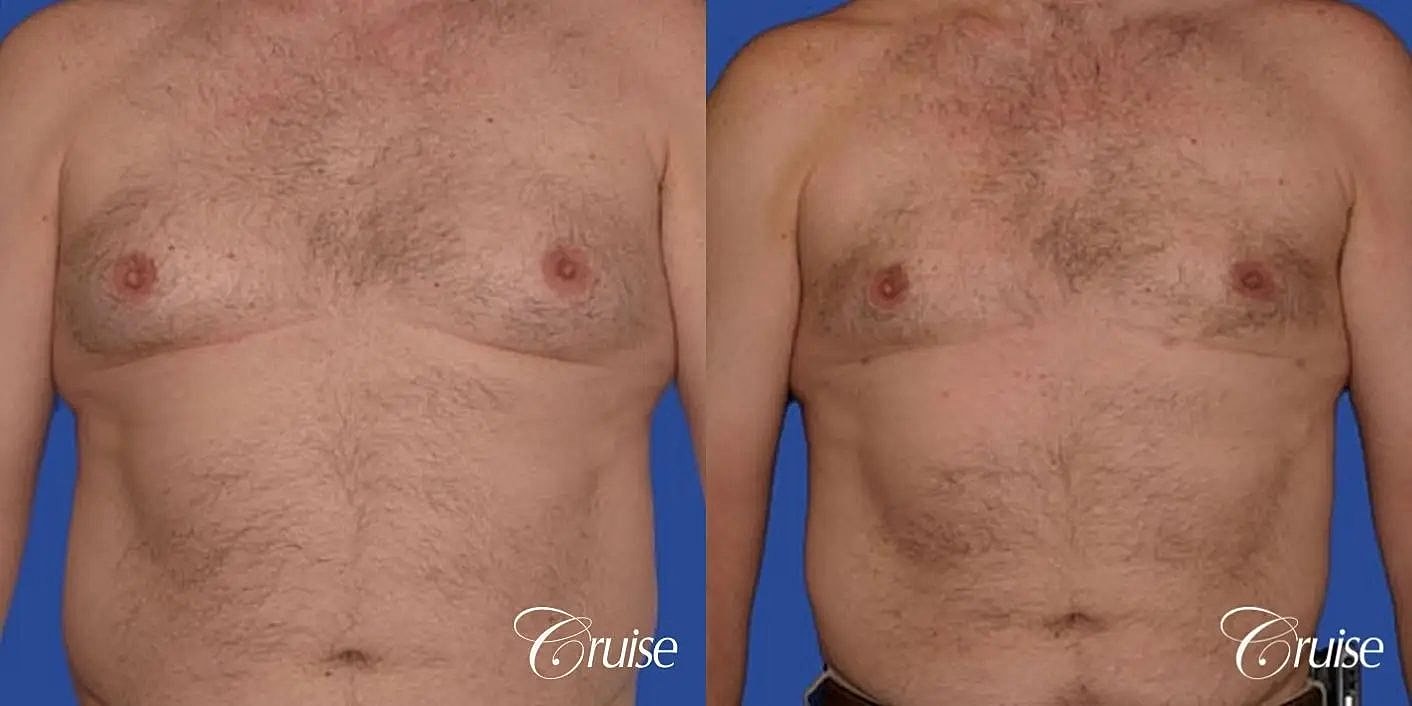
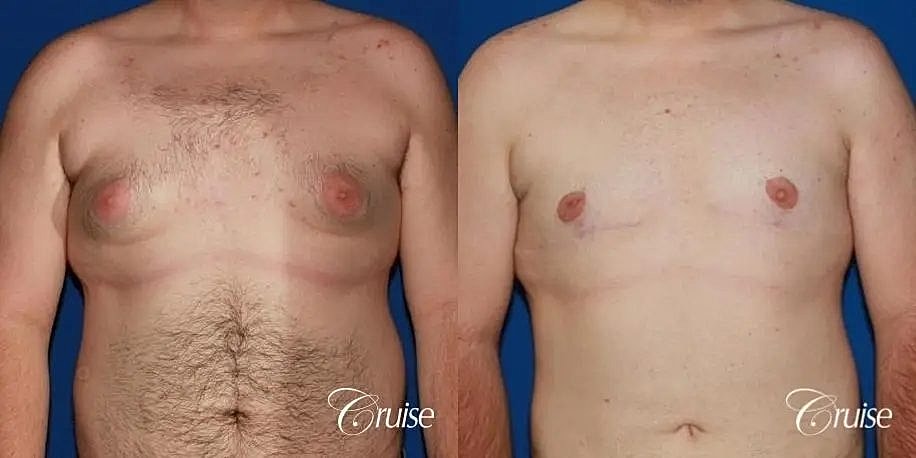
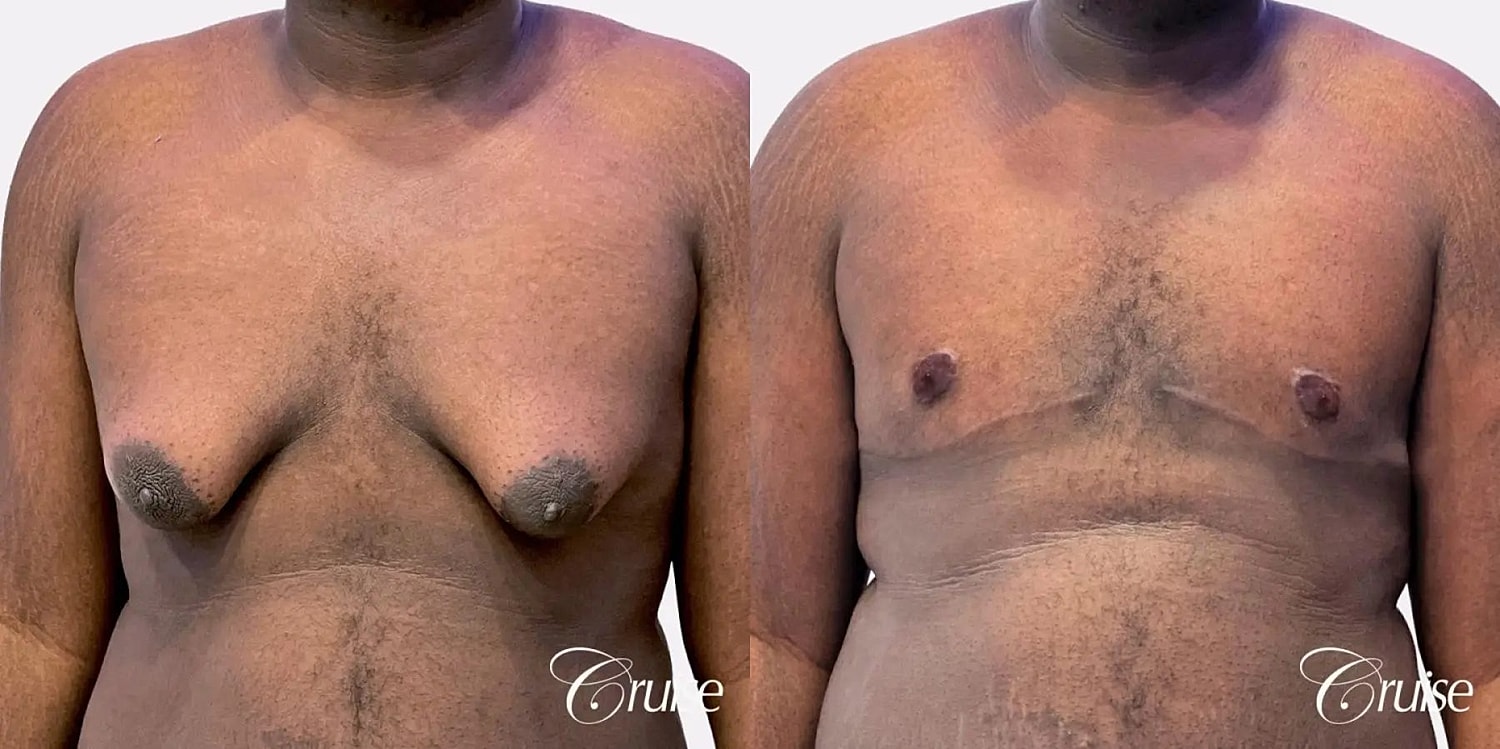
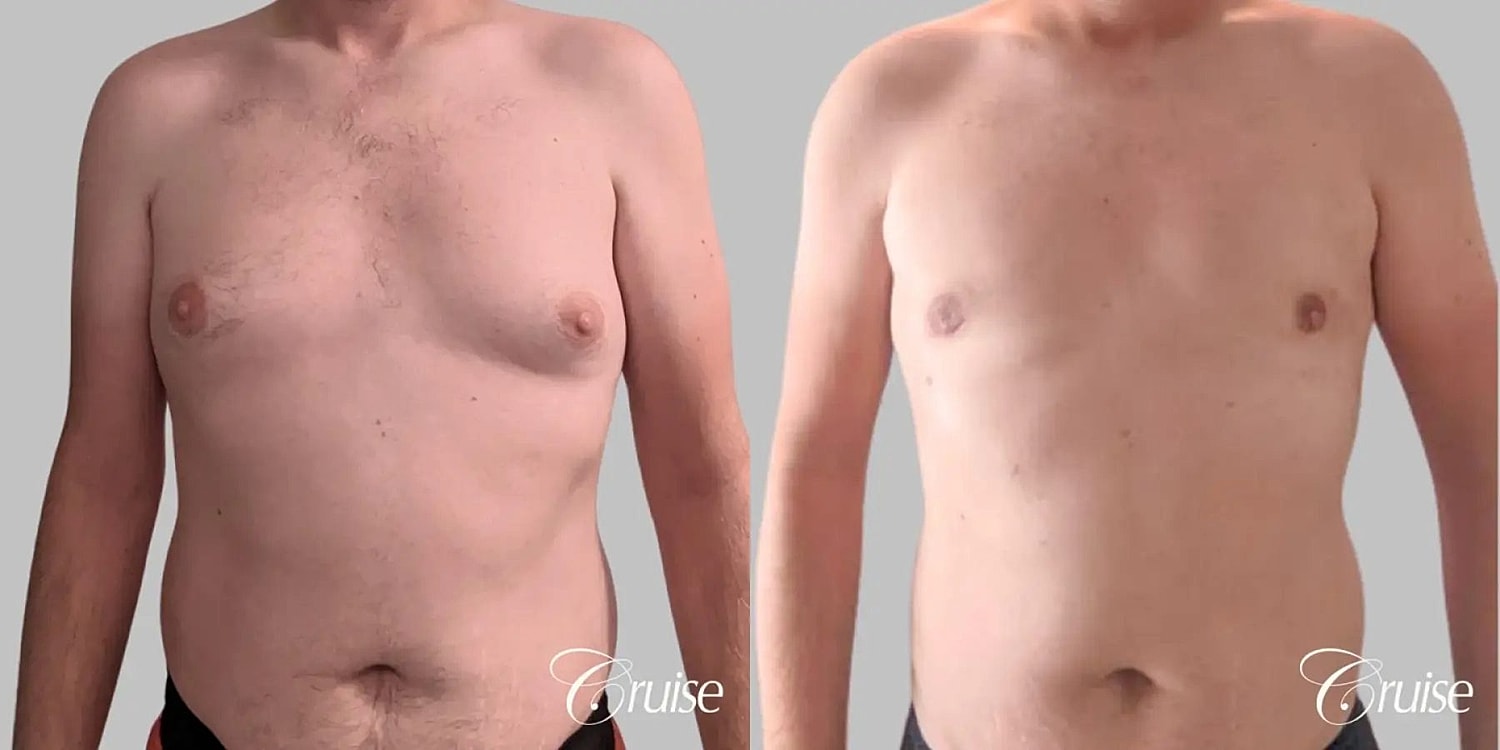
Major weight loss can change how you feel in your body. But when loose skin and excess glandular breast tissue remain across your chest, the result may not reflect the body you worked hard to build. More dieting and chest workouts cannot make stretched skin contract or remove glandular tissue.
Dr. Joseph T. Cruise treats the chest as part of the whole upper torso. For men considering gynecomastia surgery after massive weight loss in Los Angeles, care begins with a direct, unpressured conversation about anatomy, realistic changes, and scar placement.

1 of 172

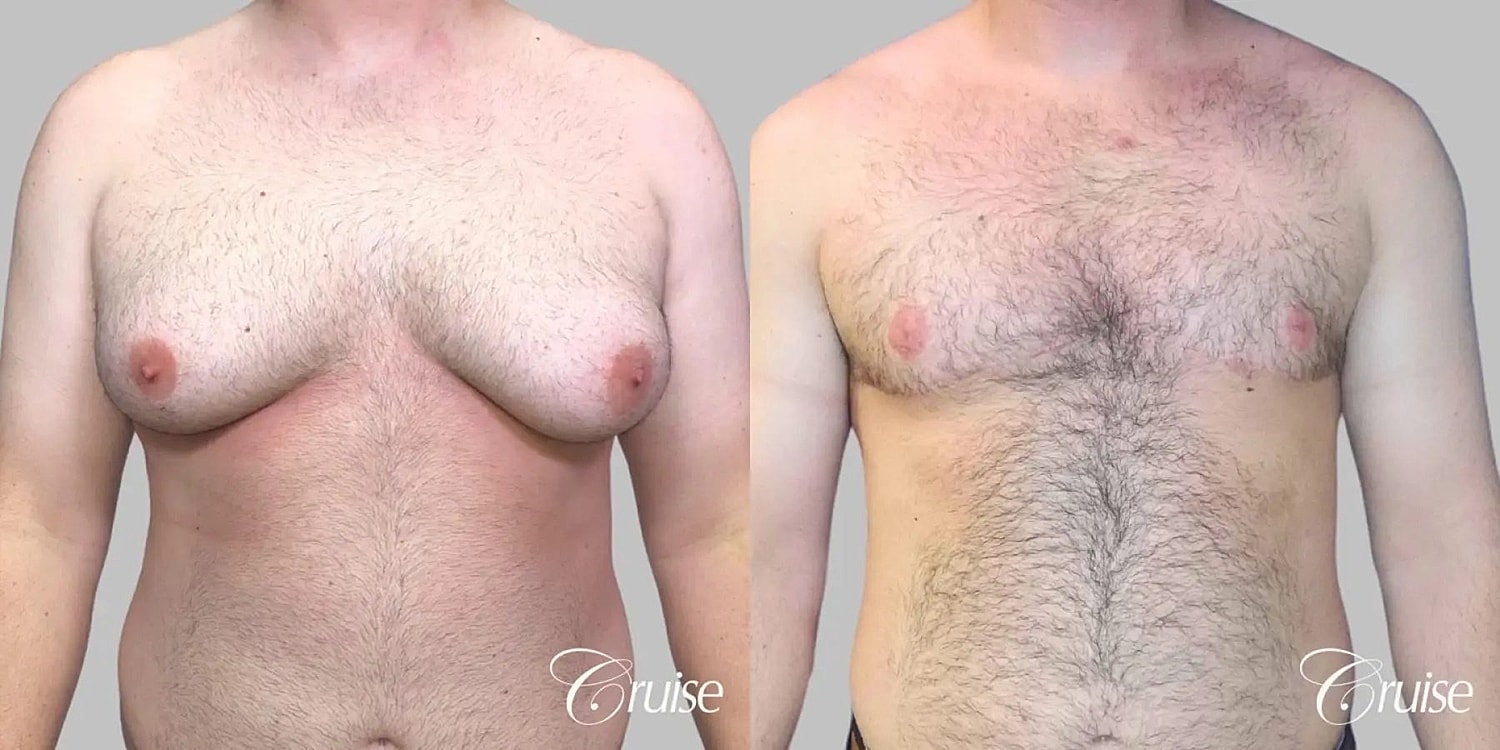
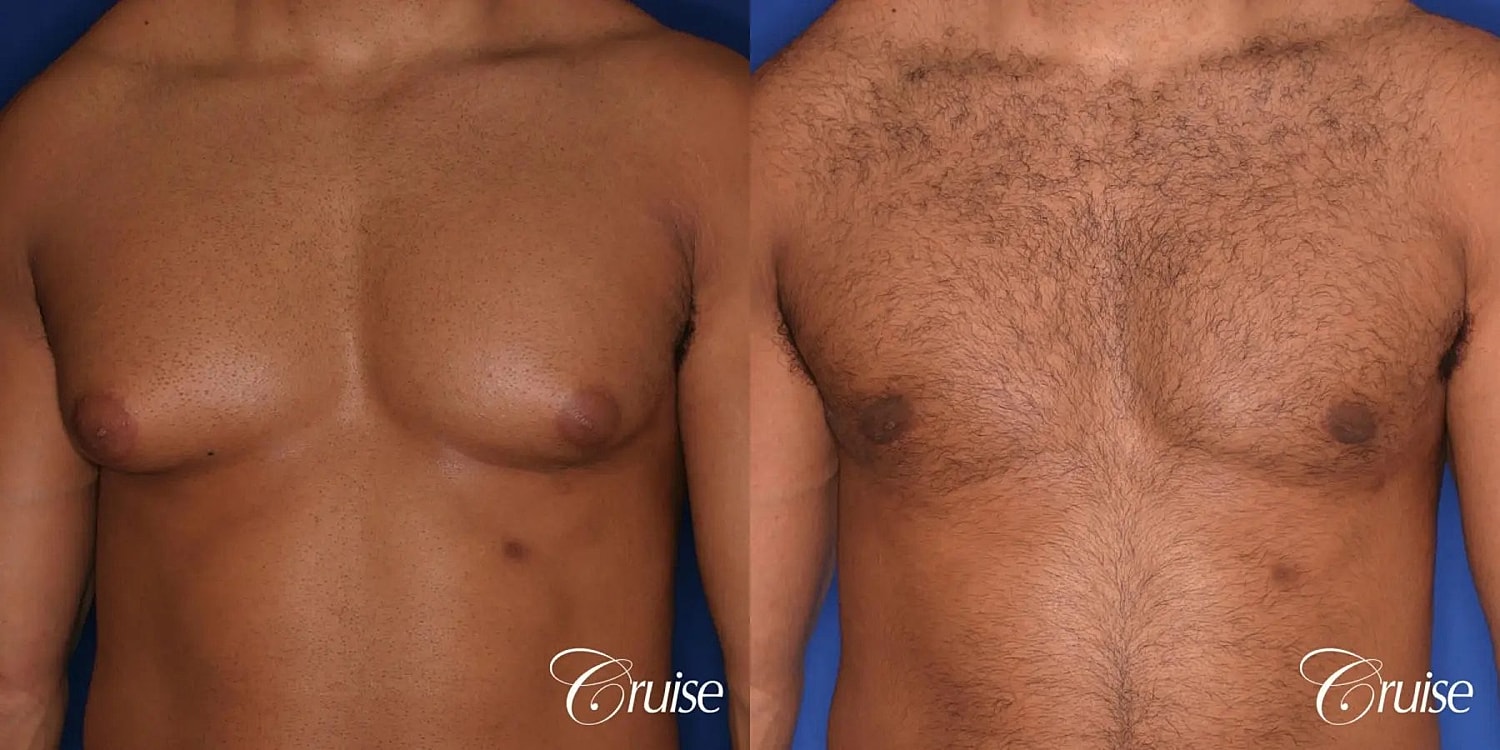
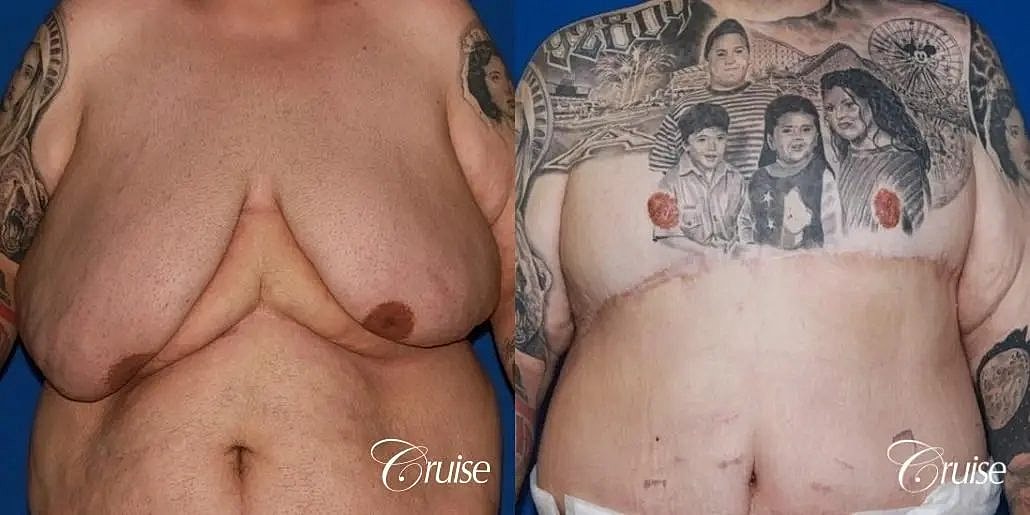
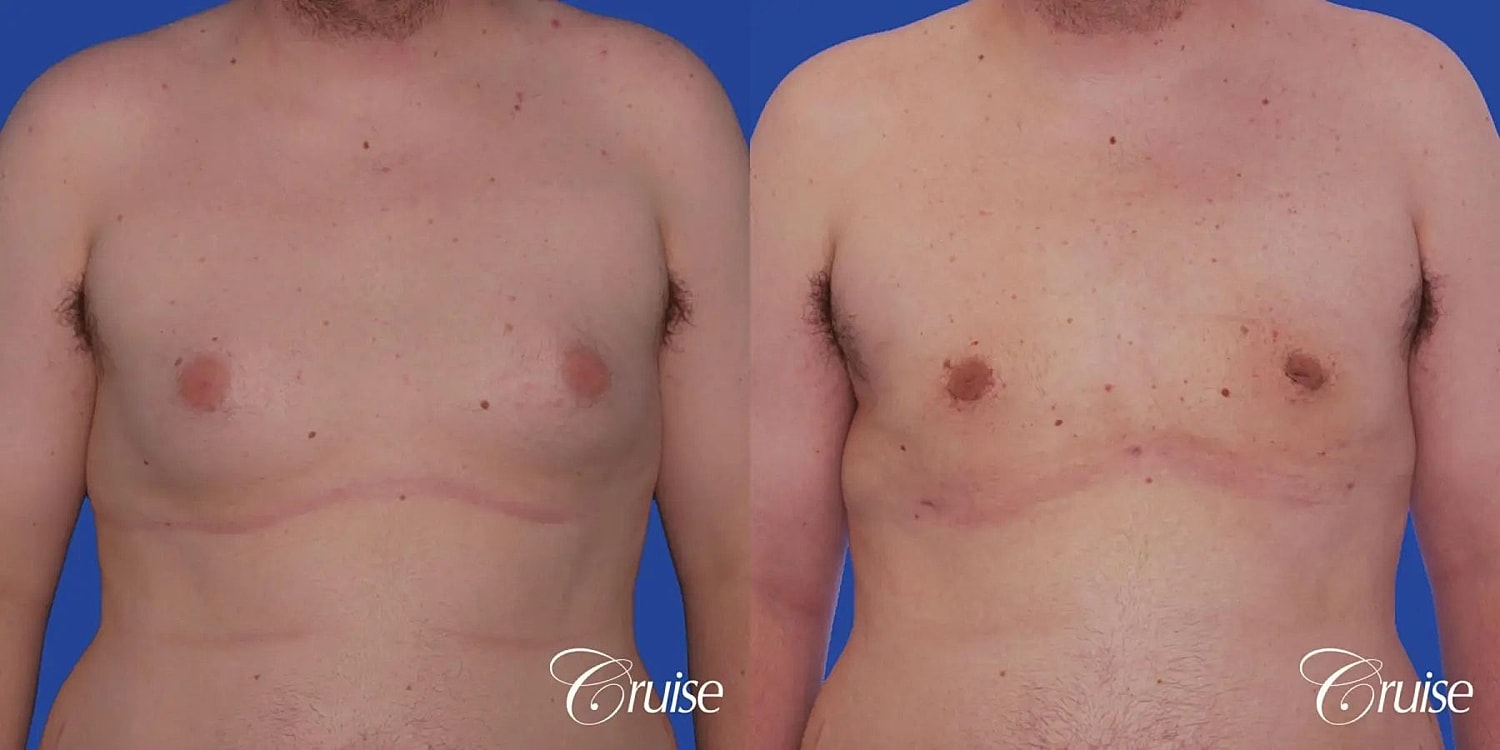
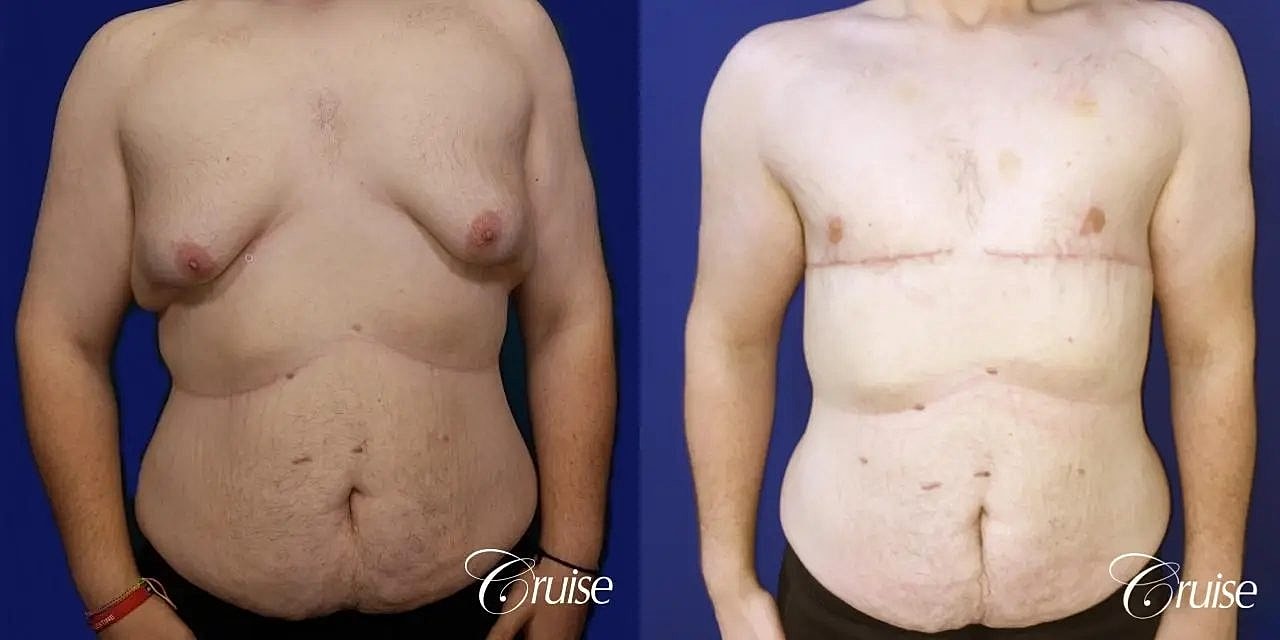
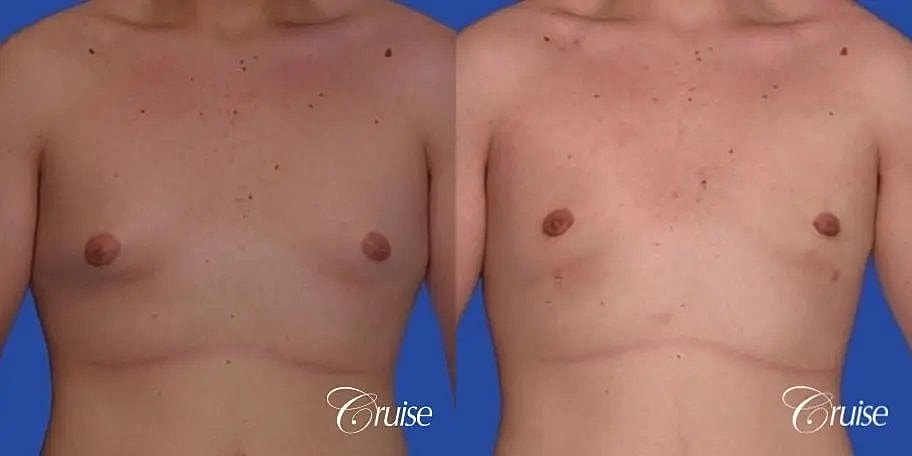
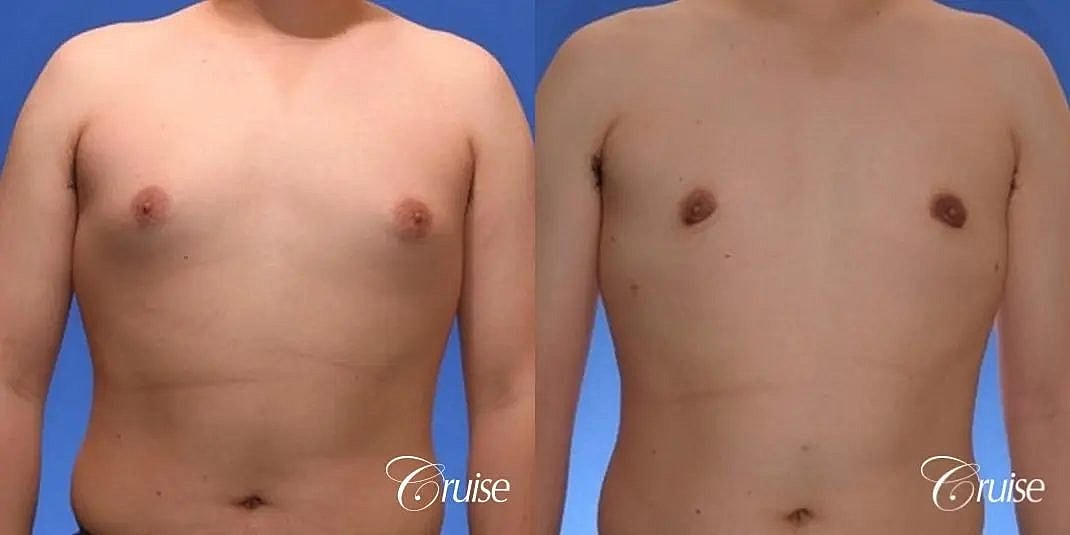
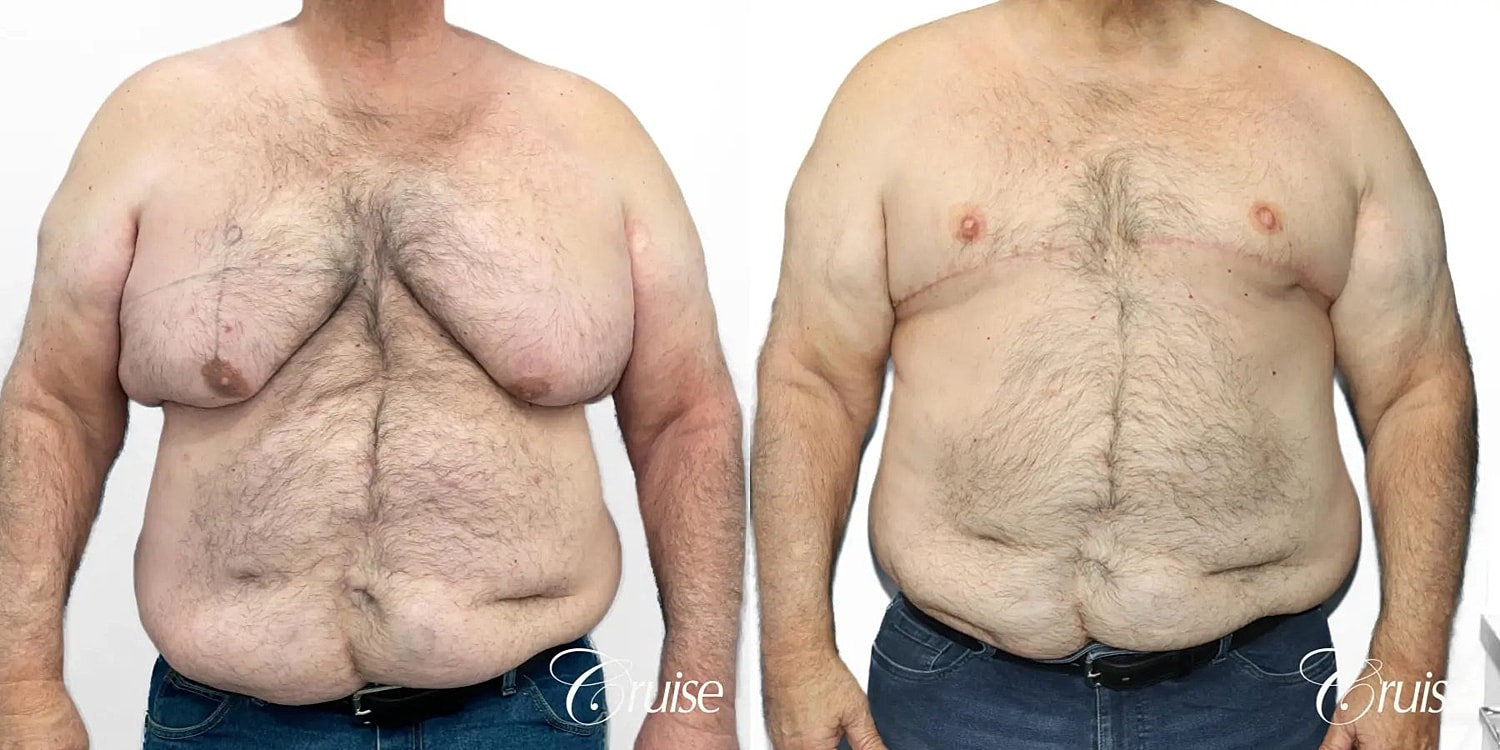
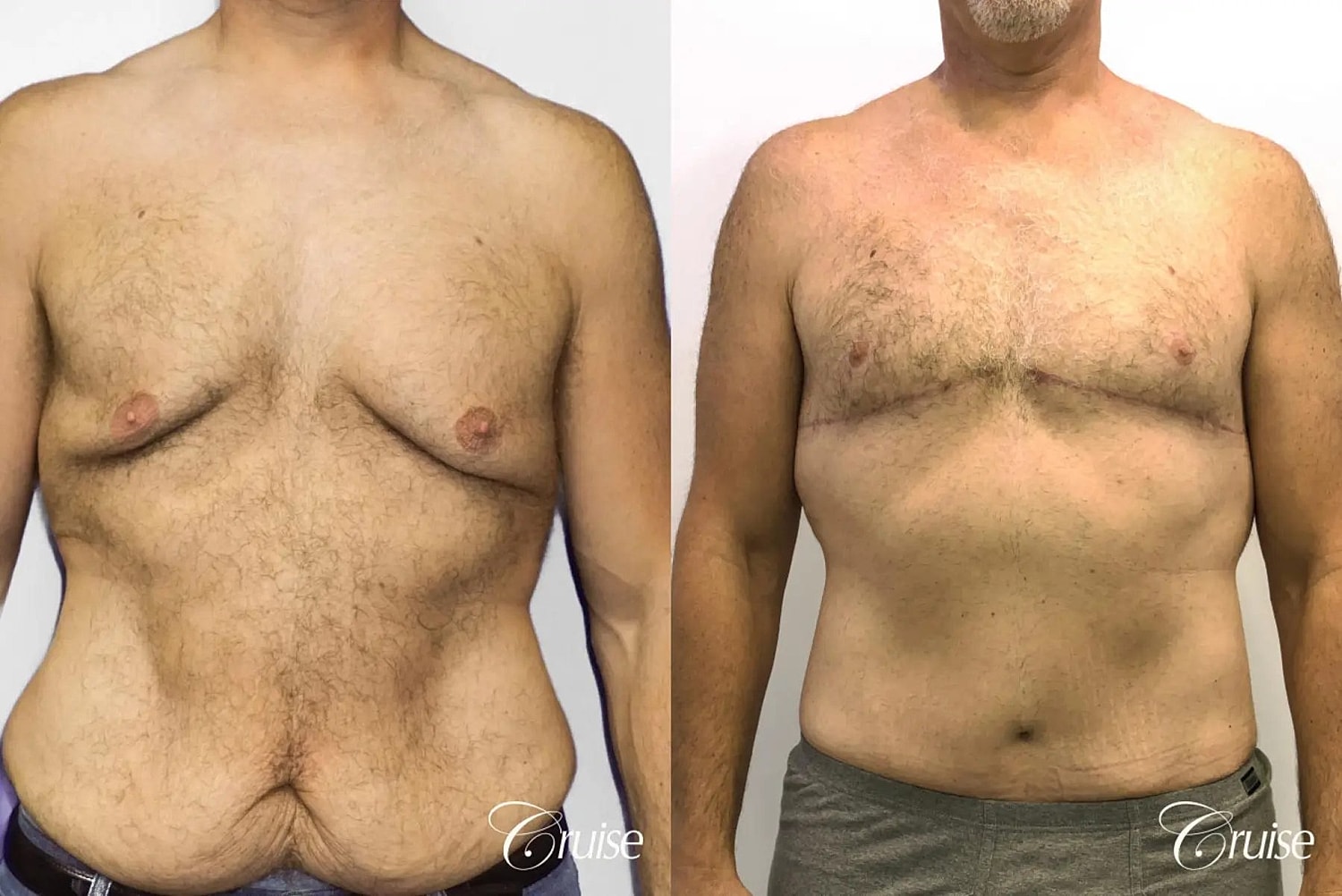
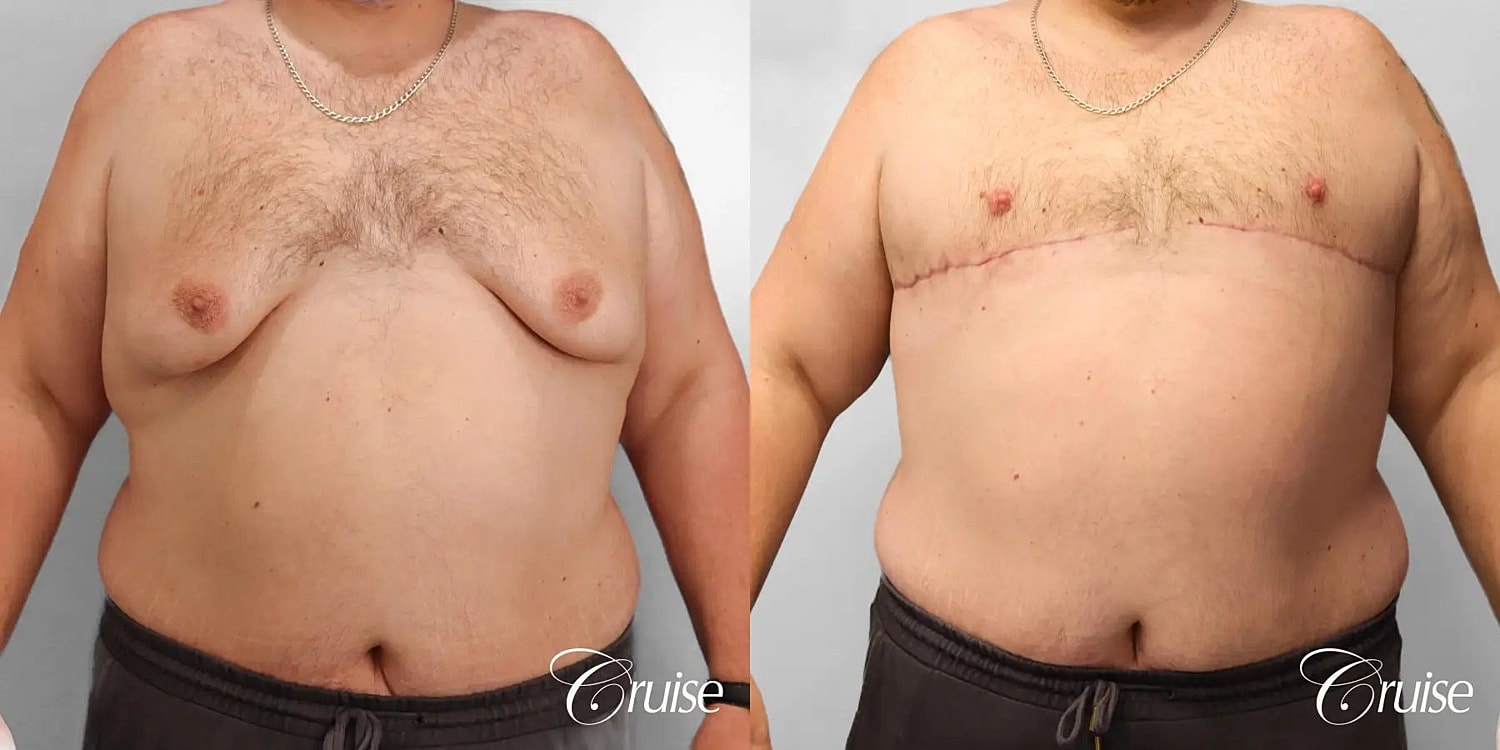
After a substantial reduction in body size, the skin and supporting tissues may not tighten around the smaller chest. Firm glandular tissue can also remain after most fat has been lost.
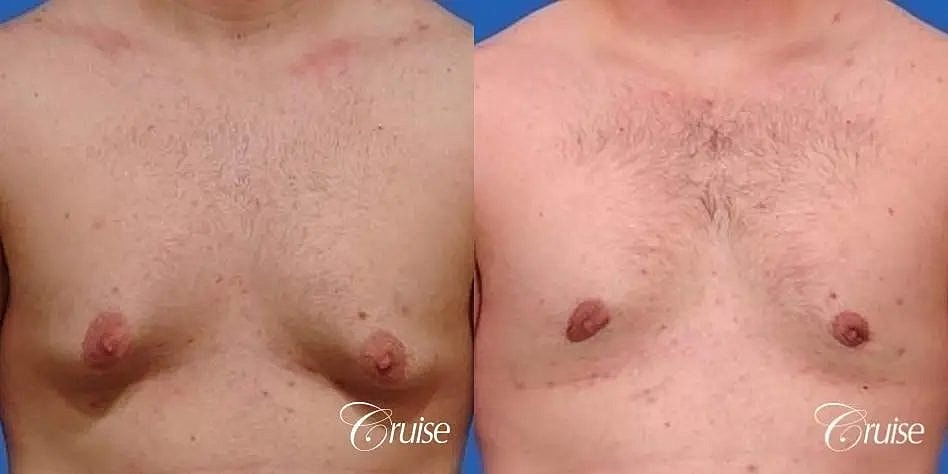
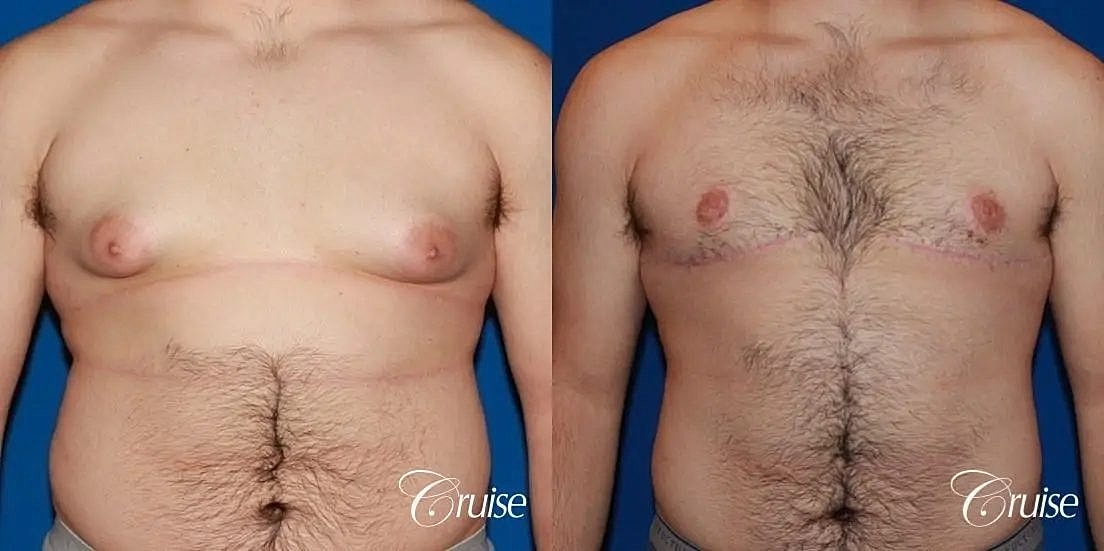
This may create hanging skin, a low nipple position, folds at the chest crease, or tissue extending toward the armpit and back.
The issue may involve the full skin envelope and the relationship between the chest, sides, and upper back. Standard liposuction alone is often not enough.
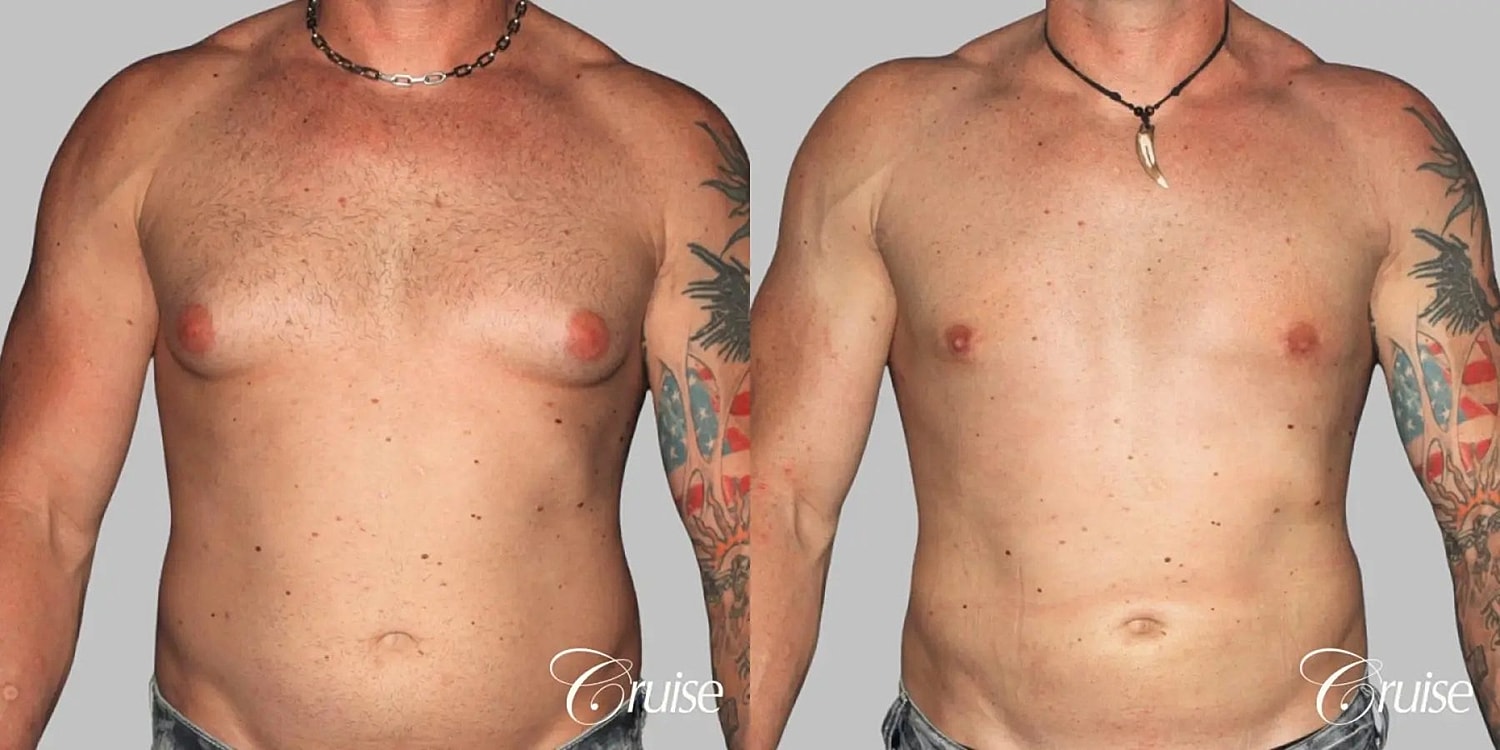
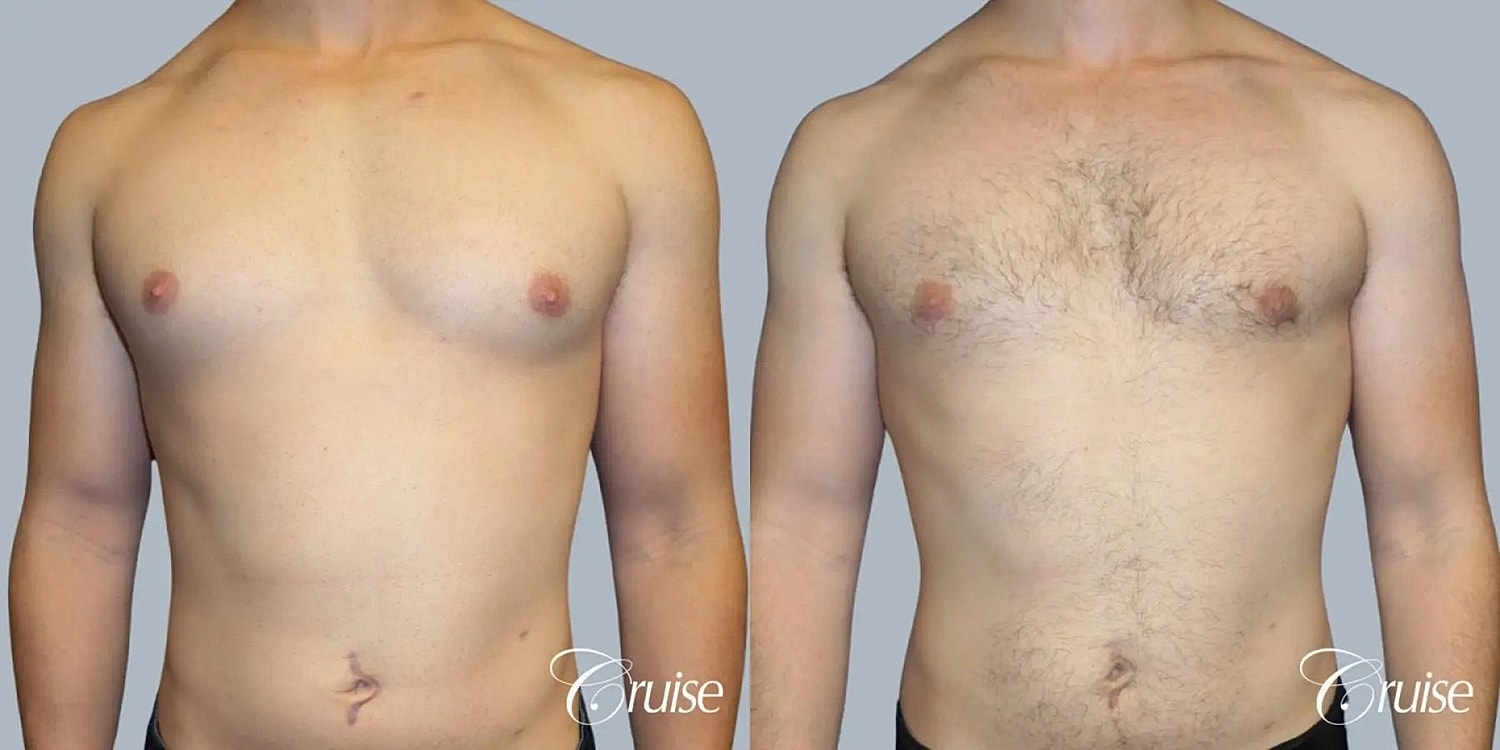
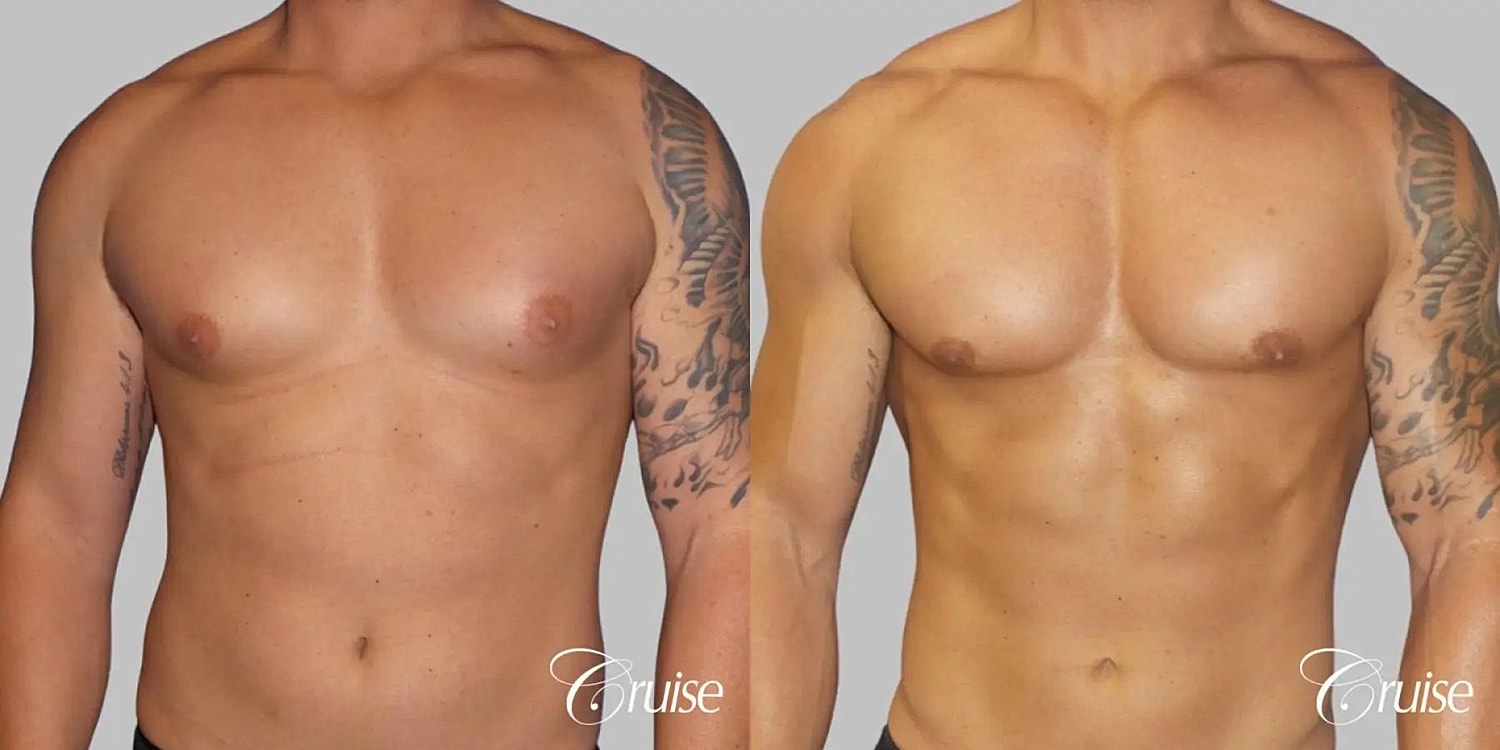
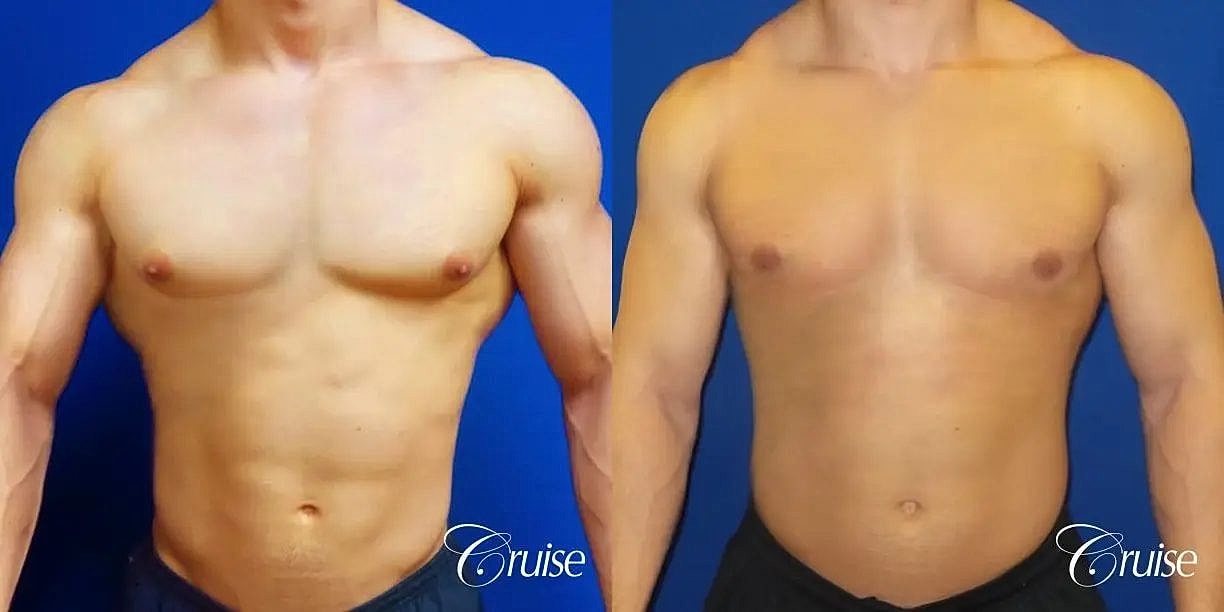
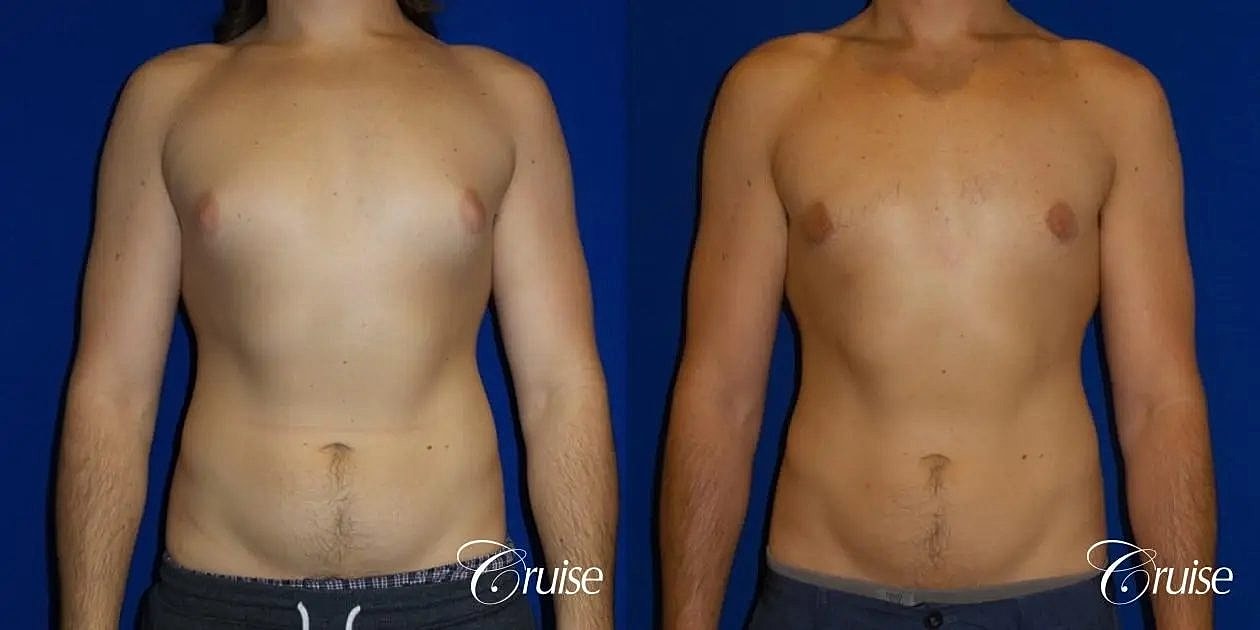
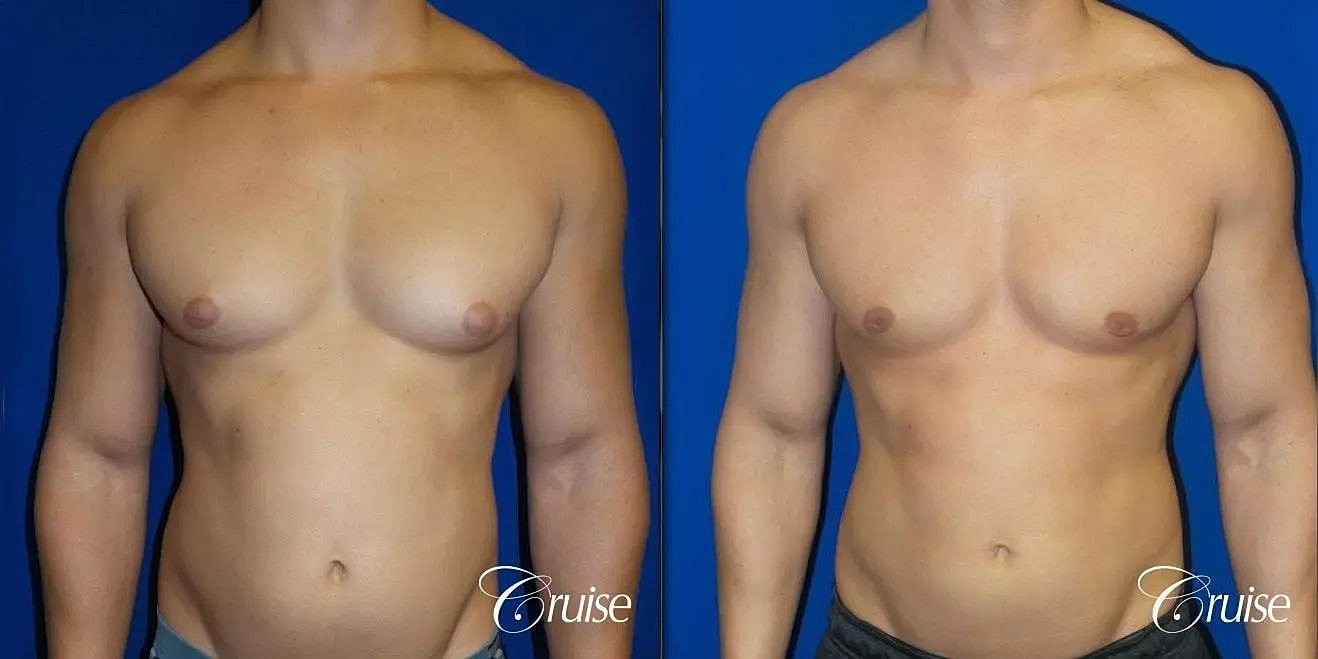
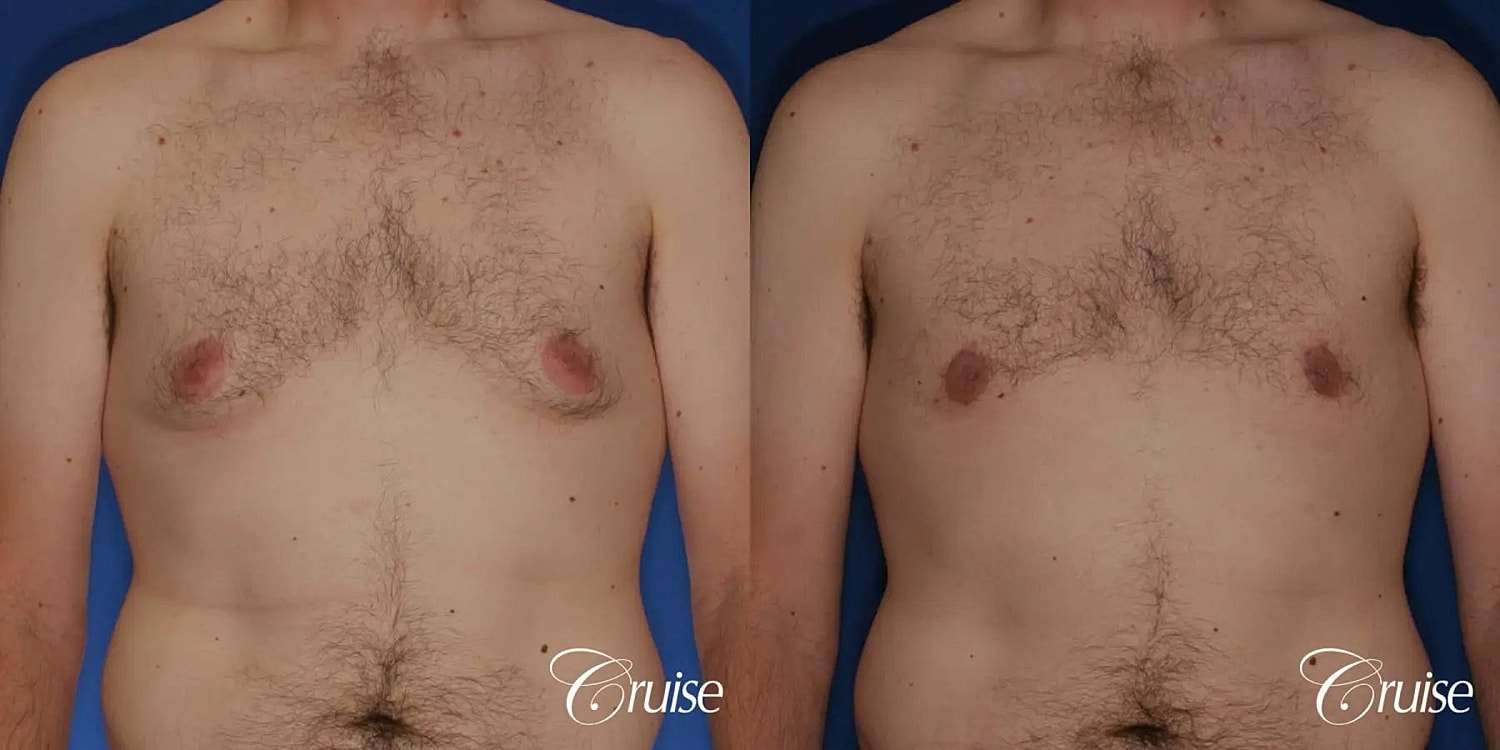
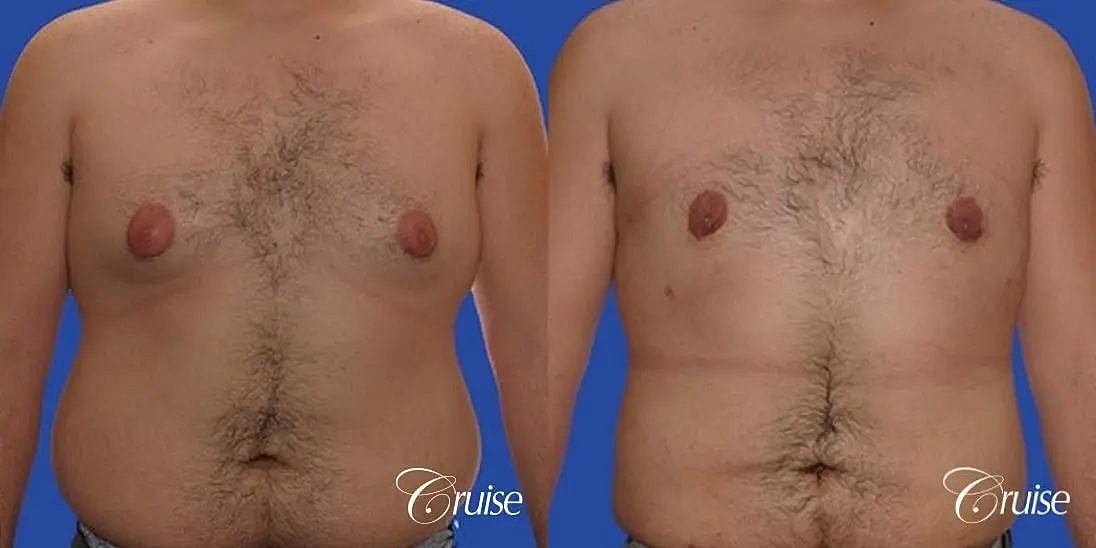
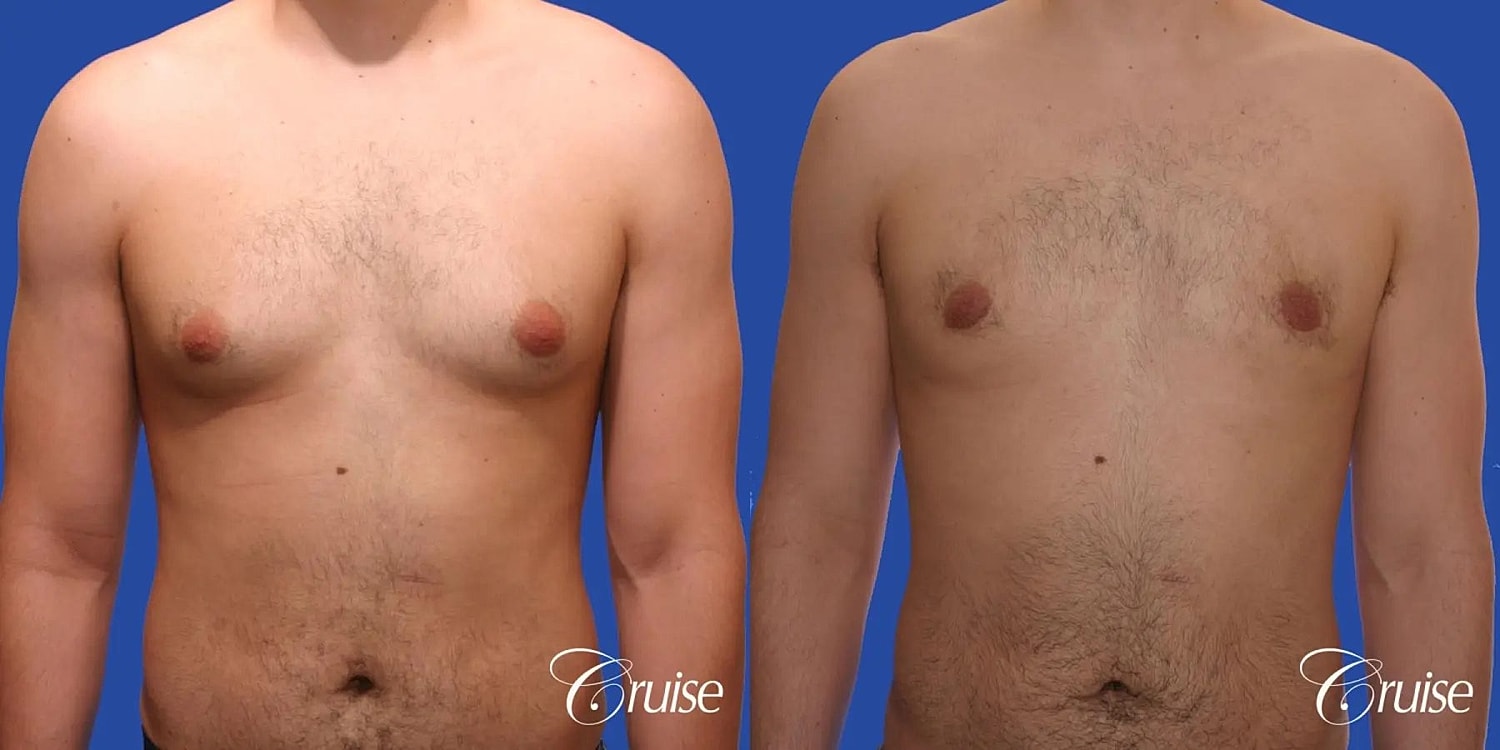
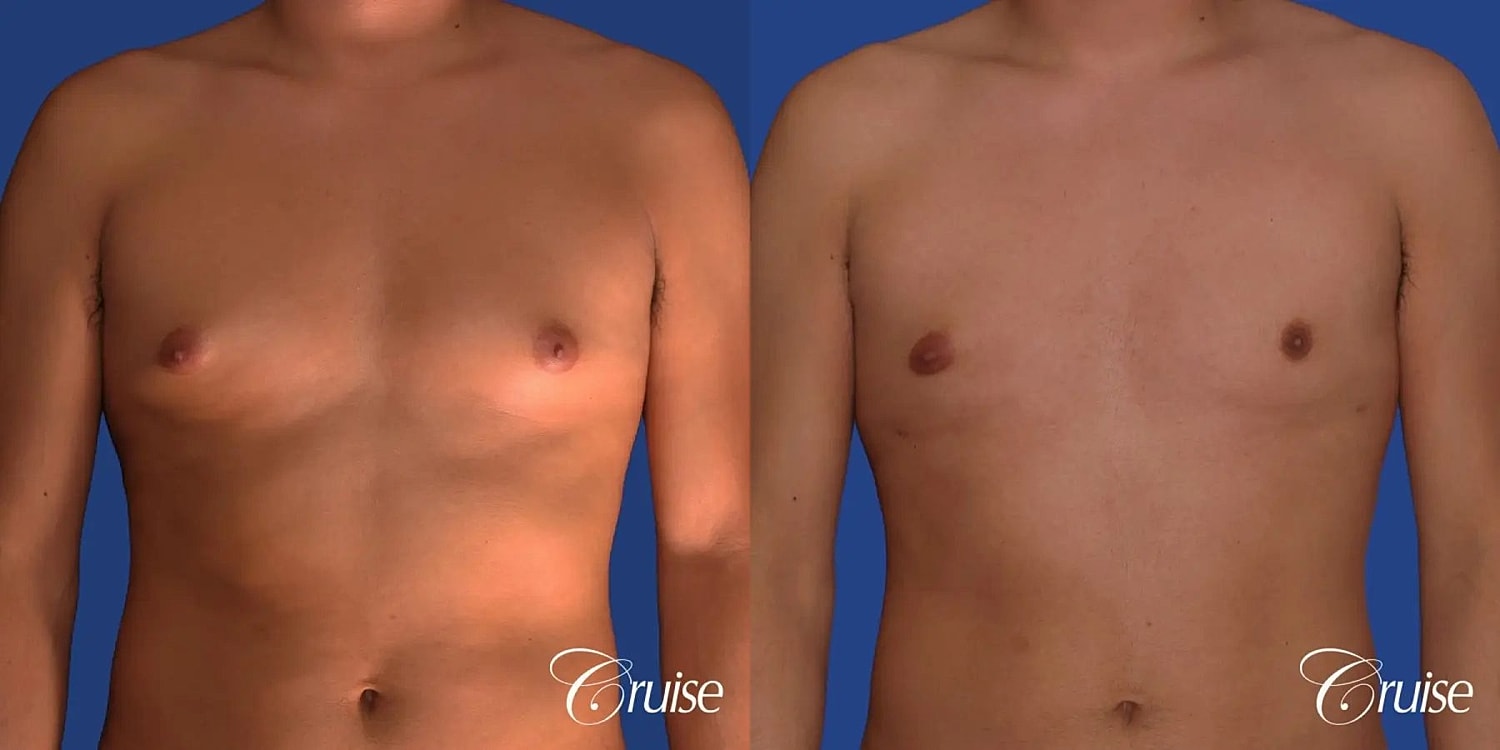
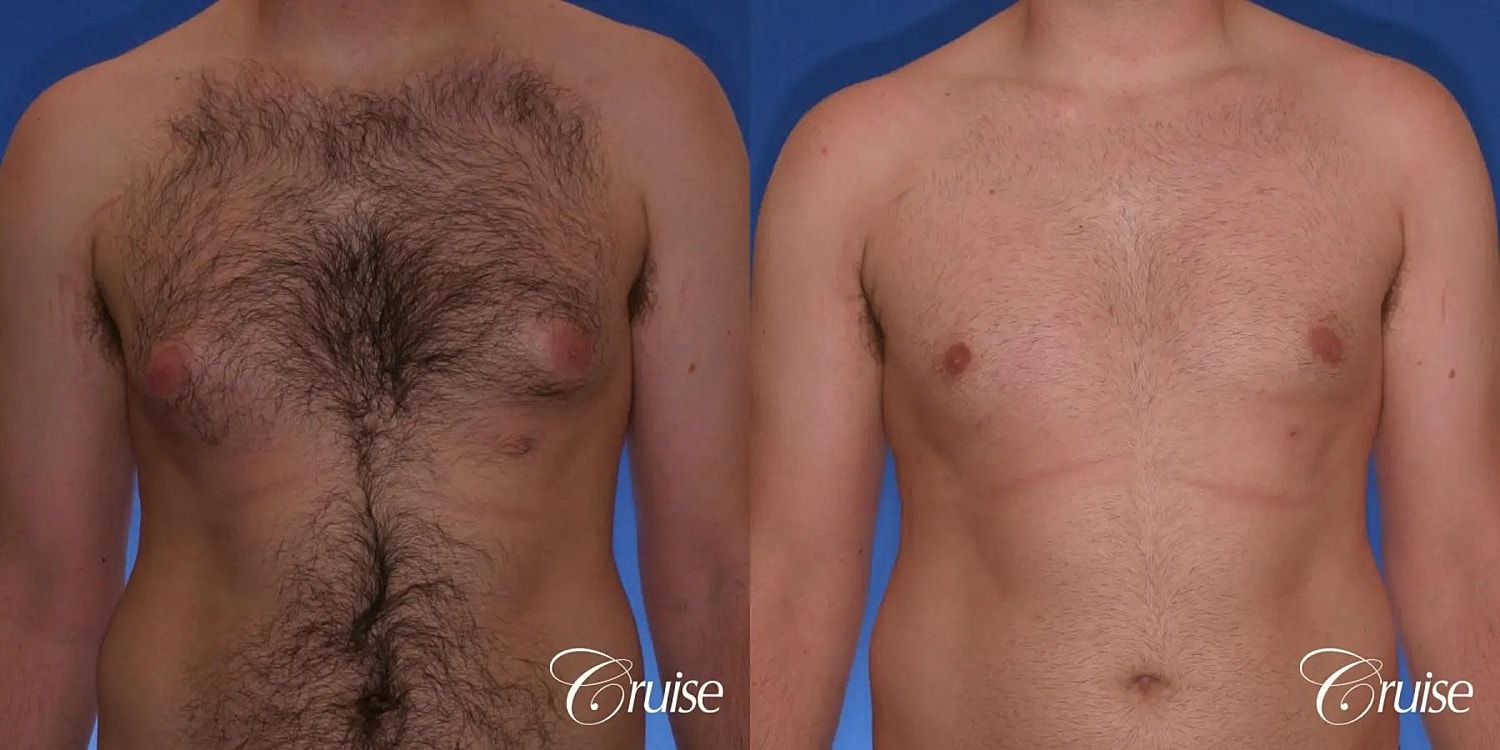
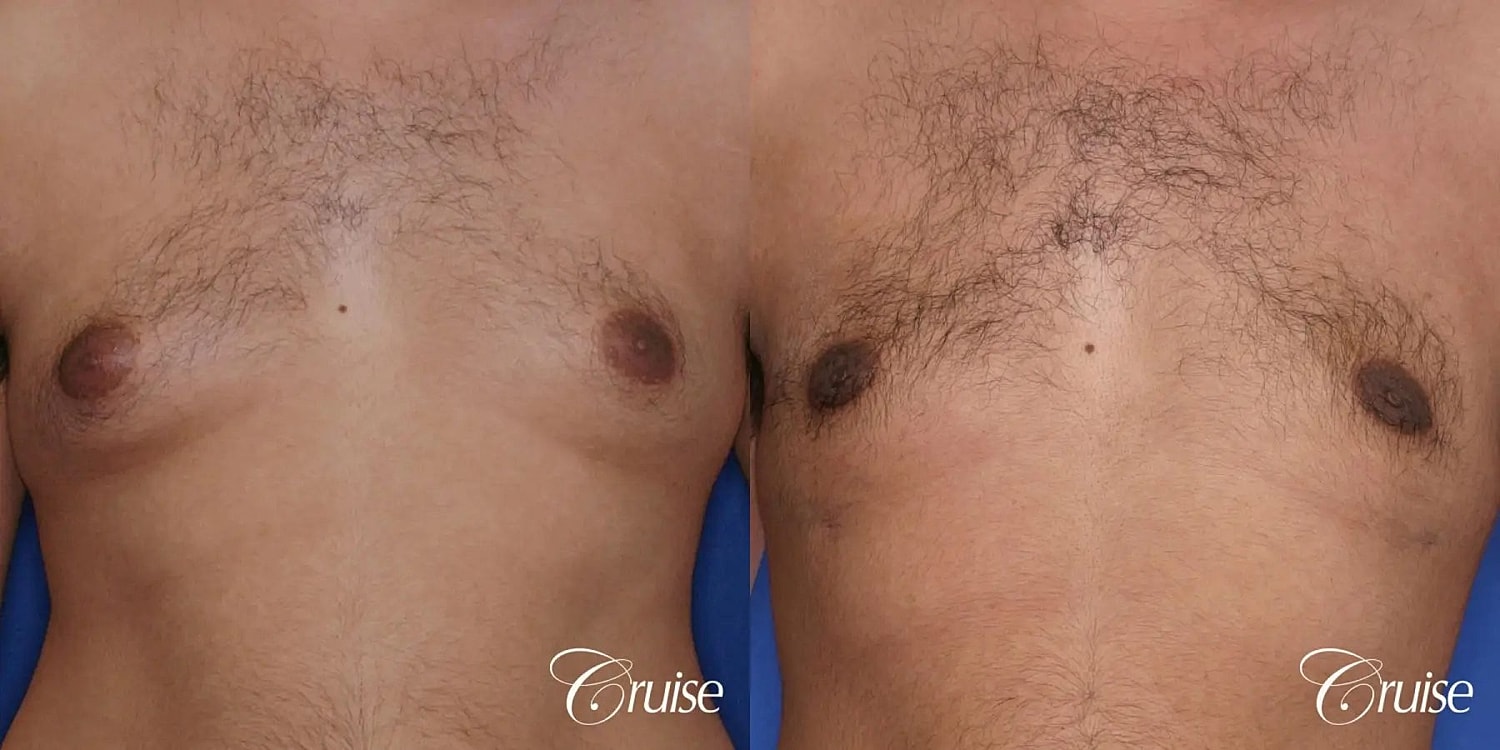
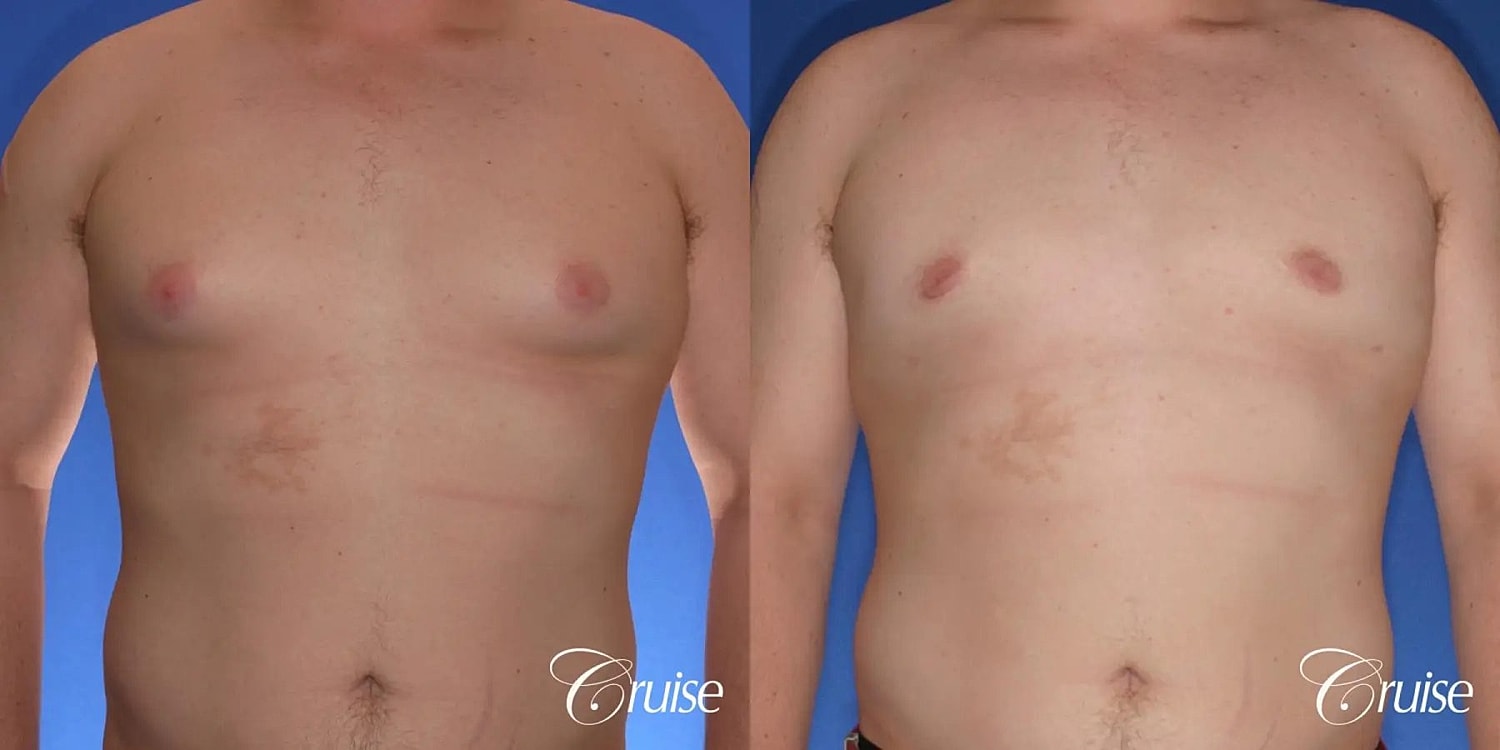
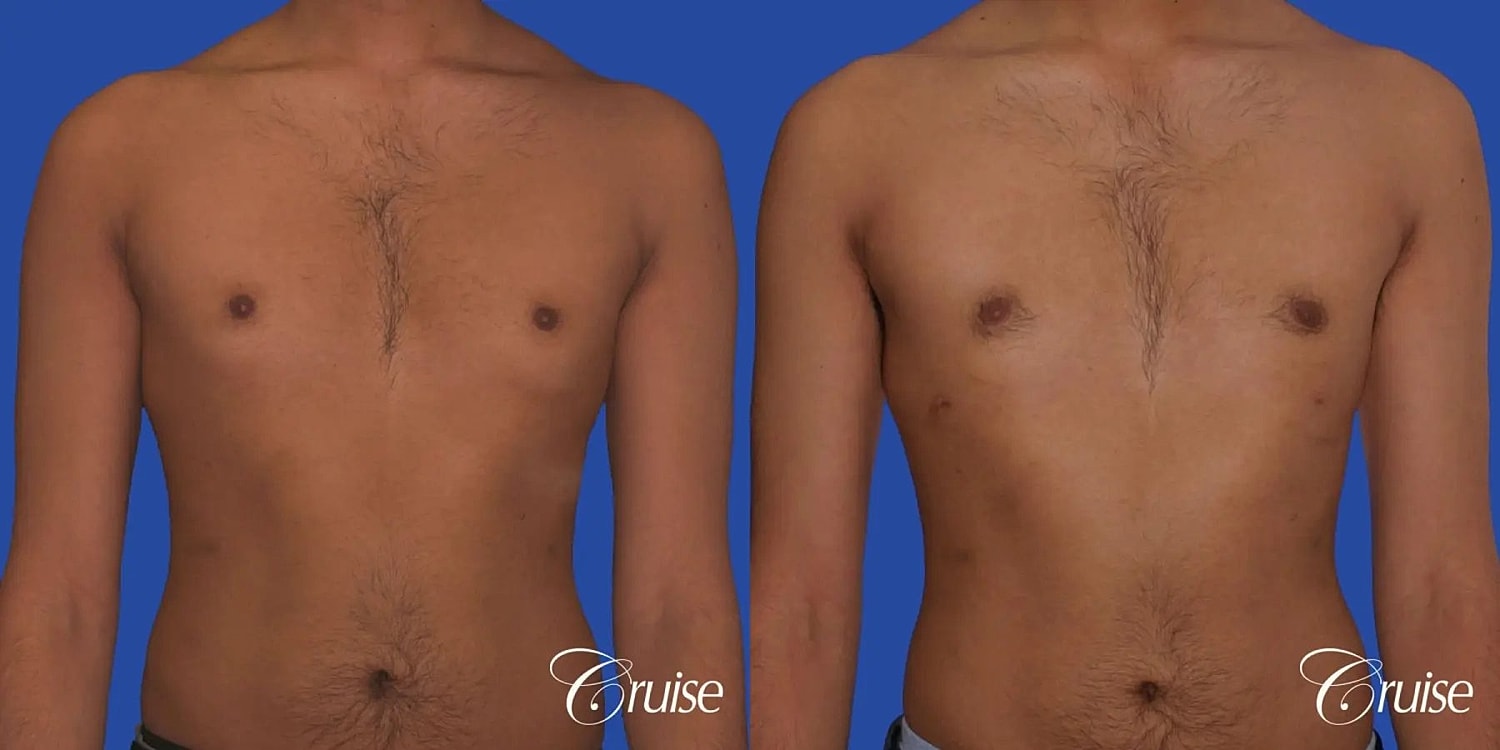
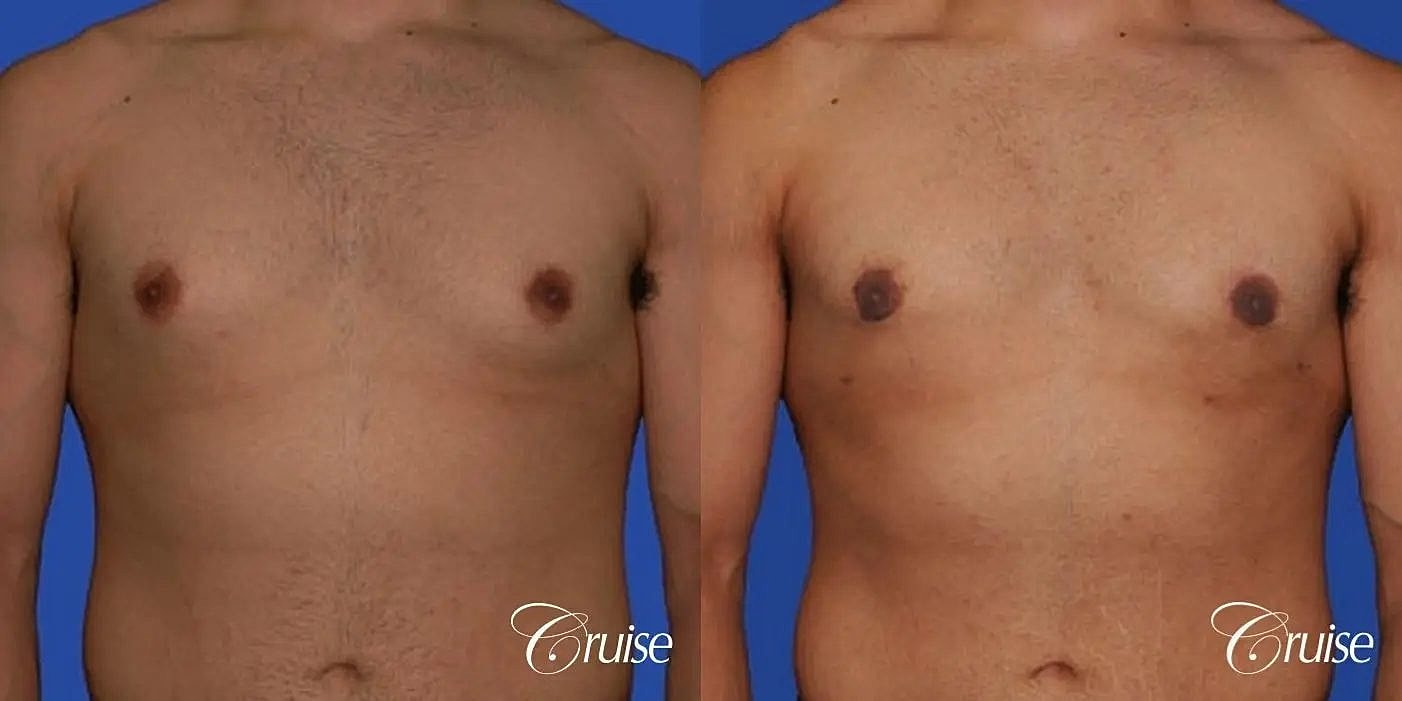
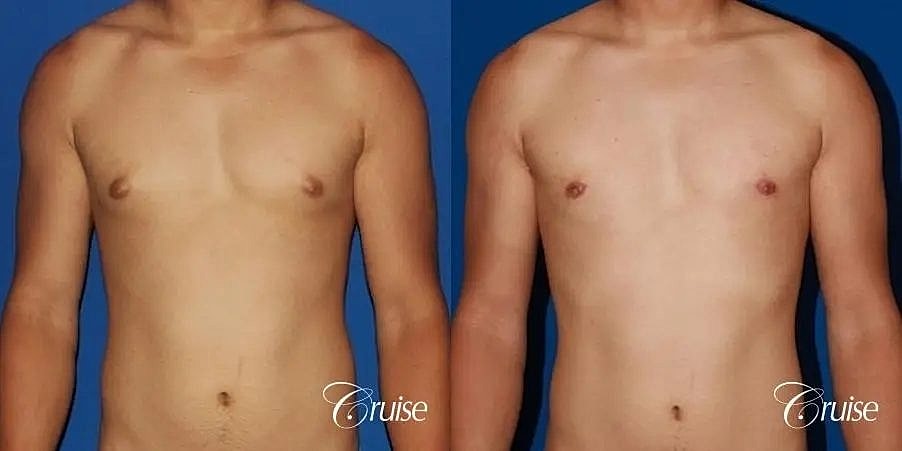
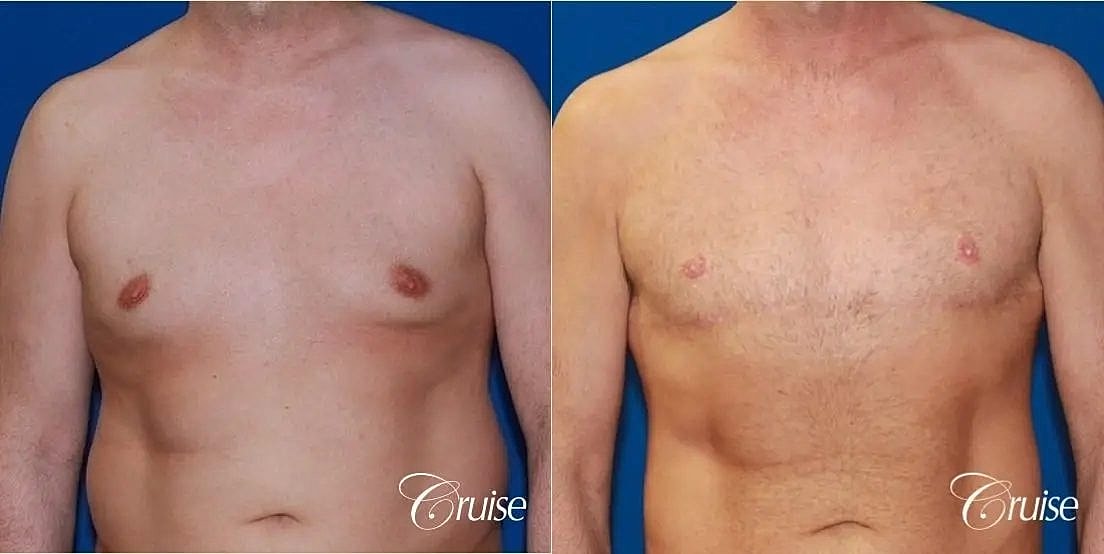
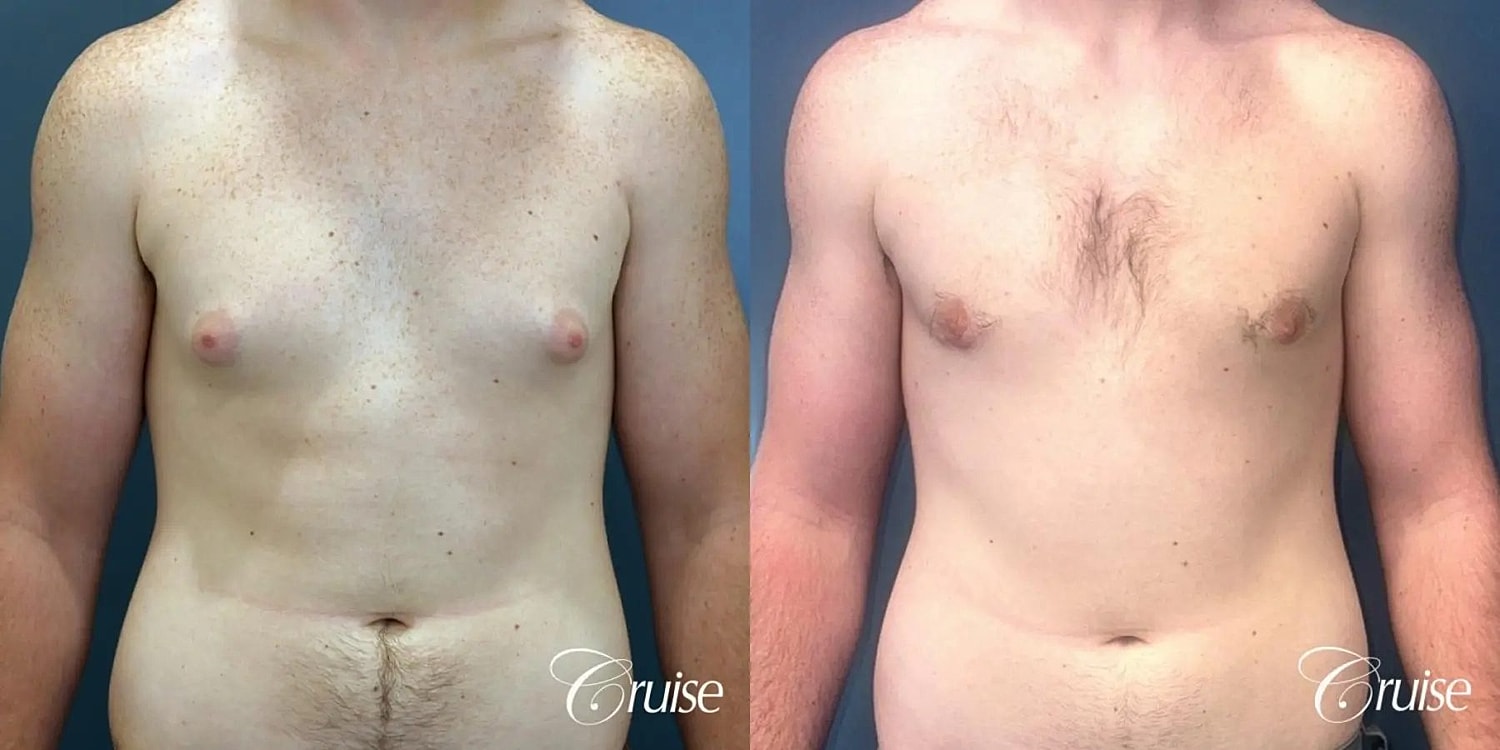
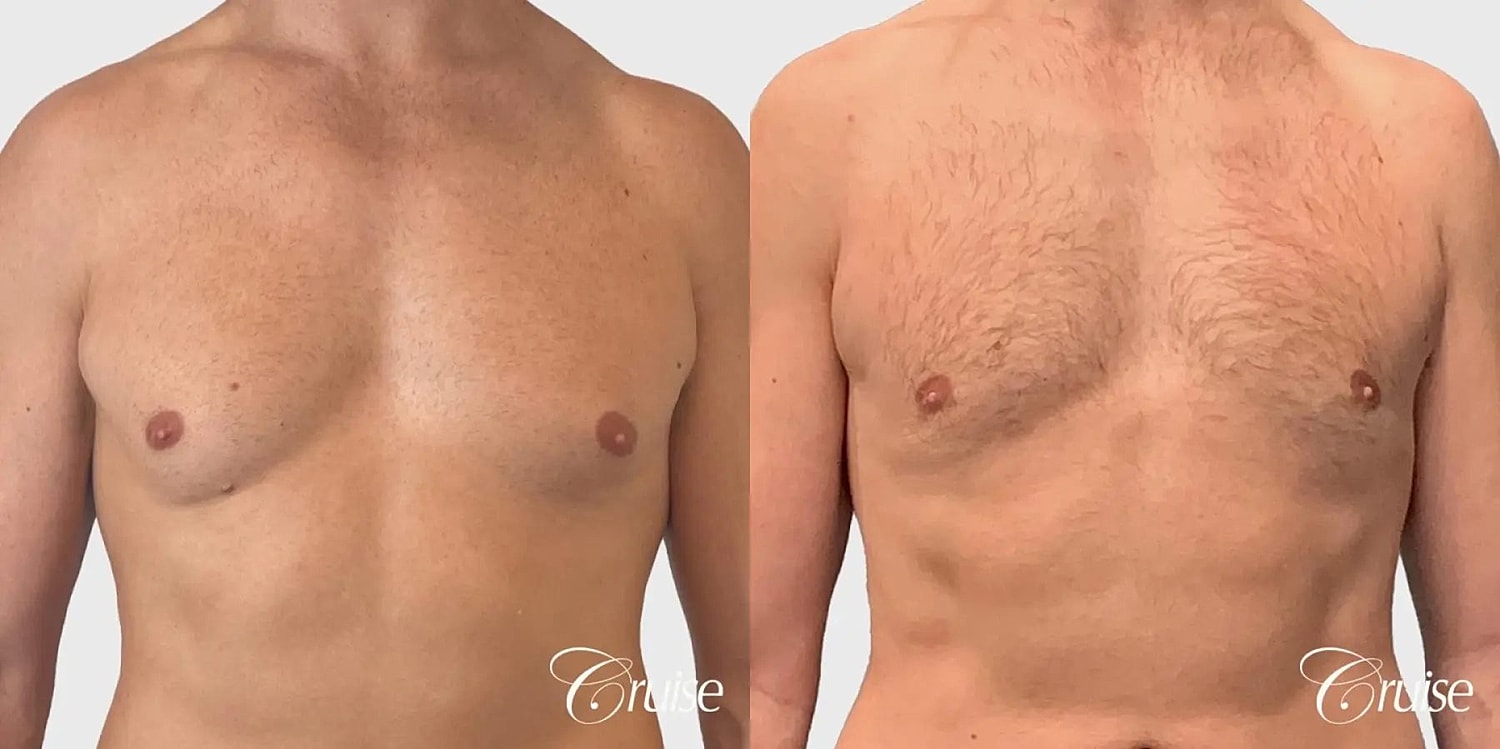
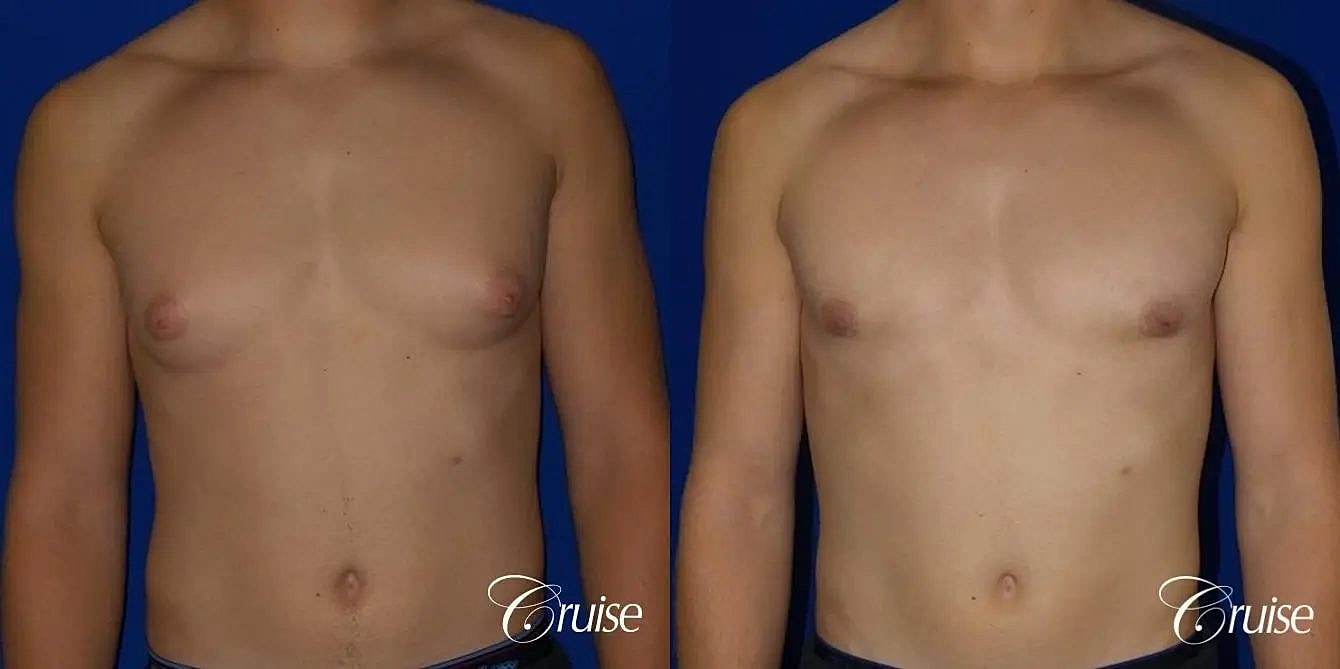
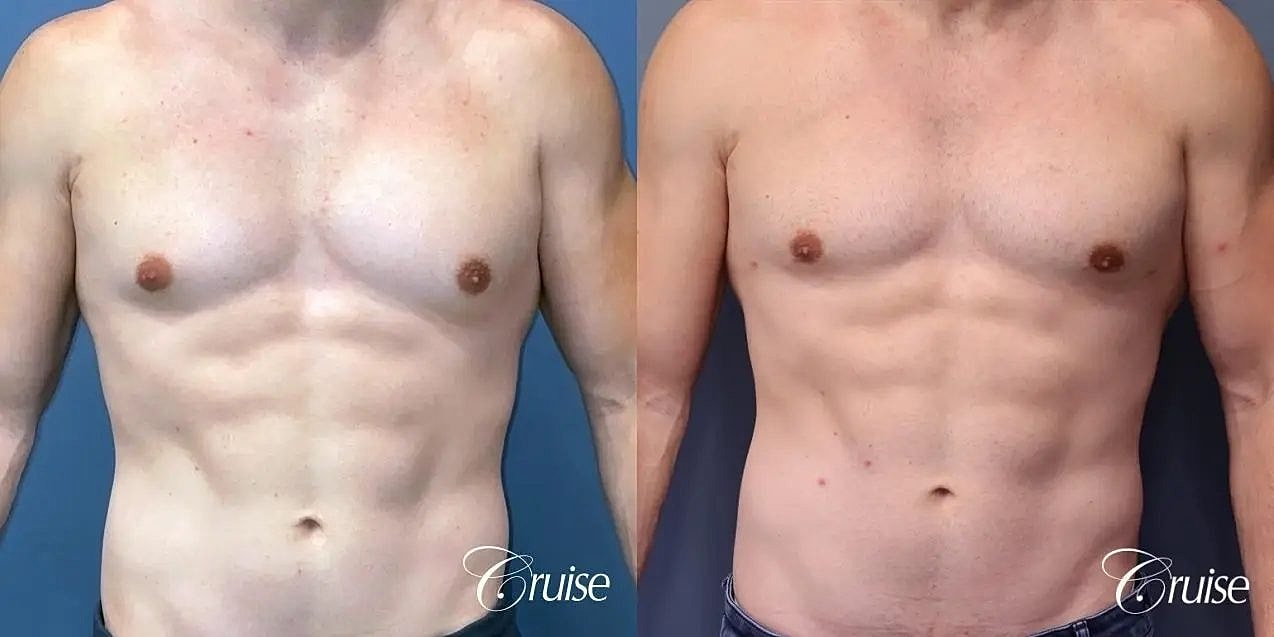
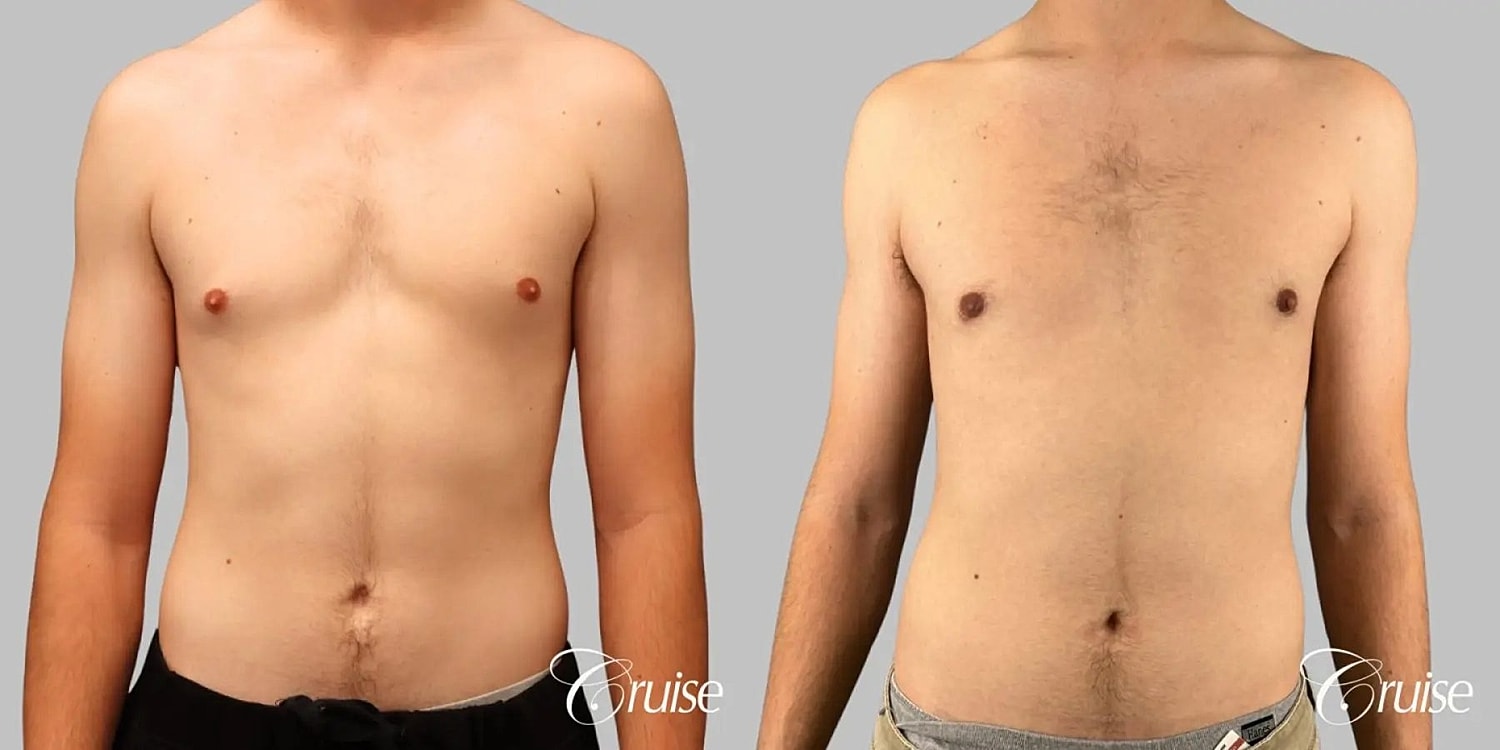
Surgery can remove breast tissue and redundant skin, improve nipple position, reduce folds along the chest and armpit, and create a firmer transition into the upper torso. The plan depends on tissue distribution and remaining skin elasticity.

The purpose is to bring the skin, tissue, and nipple position into better proportion with your frame. Benefits may include:
You may be a good candidate if your weight has stabilized, you are in good health, and excess skin or breast tissue still changes your chest shape. You should also be prepared for the longer incisions required to remove loose skin. Dr. Cruise will review your medical history, weight-loss method, nutrition, and healing risks before recommending treatment.
Who Should Wait?
Postpone surgery if you are still losing weight, expect major weight fluctuations, smoke, or have a condition that could interfere with healing. Nutritional deficiencies can matter after bariatric surgery and should be addressed first.
Dr. Cruise evaluates breast tissue, skin laxity, nipple height, chest width, and any roll extending toward the back. These details place your chest within his six-type Cruise Classification System and determine the extent of correction.
Surgery is performed under general anesthesia. Dr. Cruise may combine direct tissue excision, liposuction, skin removal, and nipple repositioning. Advanced Type 5 or Type 6 cases may require a chest lift, an incision through the armpit, or a circumferential upper body lift. A free nipple graft may be recommended when the nipple must move a significant distance. The trade-off is a longer scar, but it allows extra skin to be removed instead of leaving the chest loose or undercorrected.
You will return home with dressings and a compression garment. Temporary drains may be used after extensive tissue removal. Swelling, bruising, tightness, and soreness are expected early on, and Dr. Cruise will give you instructions for incision and drain care.
Walking begins soon after surgery. Many men resume non-strenuous work within one to two weeks. Chest training and heavy lifting are generally restricted for several weeks and should not restart until Dr. Cruise clears you.
The change in shape is visible early, though swelling can obscure definition. The contour settles over the following months, and scars mature gradually. Removed skin and glandular tissue are gone permanently, but future weight changes can stretch the remaining skin. A stable weight helps protect your outcome.
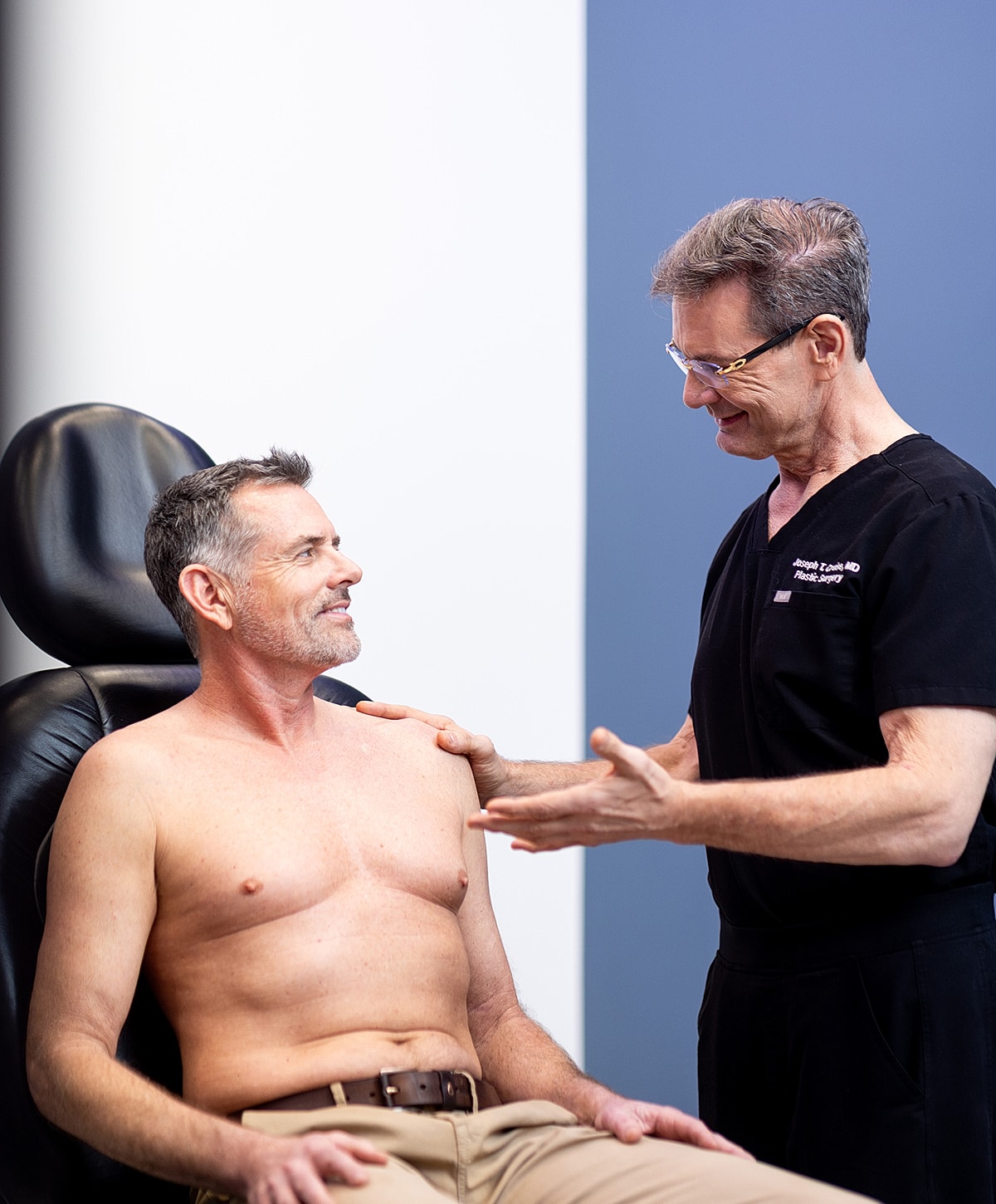
Dr. Cruise is a board-certified plastic surgeon with more than 20 years of experience and over 5,000 gynecomastia procedures performed. His work includes advanced cases involving major skin excess, low nipple position, lateral chest rolls, and circumferential correction.
He will tell you what can be improved, which incision pattern is necessary, and what recovery will require before you decide.

Usually not when loose skin is the main concern. Liposuction reduces fat, but it cannot remove a hanging skin envelope or reposition a low nipple.
Yes. Skin removal requires incisions, and more extensive correction creates longer scars. Dr. Cruise places them with clothing and natural chest lines in mind, but scars do not disappear completely.
Removed glandular tissue and skin do not grow back. Significant weight gain, hormonal changes, or certain medications can still affect the remaining tissue and contour.
Risks include bleeding, infection, fluid accumulation, poor wound healing, contour irregularity, changes in nipple sensation, blood clots, and unfavorable scarring. Dr. Cruise will review them with you before consent.
Meet with Dr. Cruise in Los Angeles or begin with a Fast Track virtual consultation. You will receive a careful assessment, a straightforward explanation of your options, and time to decide what feels right for you.