Understanding: Causes and Treatment Options







Even with rigorous training and ultra-low body fat, some men struggle with fullness or puffiness in the chest, especially around the nipples. For bodybuilders, this condition is more than cosmetic—it blurs muscle definition, undermines symmetry, and creates a disconnect between the effort in the gym and how the body looks onstage or in the mirror. This is often a sign of bodybuilder gynecomastia, a condition characterized by glandular breast tissue that won’t go away with training, a cutting diet, or supplements.
Dr. Joseph T. Cruise is one of the few plastic surgeons in the U.S. who specializes in this highly specific form of gynecomastia. With over 5,000 male chest surgeries performed, he understands how to remove the underlying gland with precision while preserving the natural shape of the chest and minimizing visible scarring. If your chest doesn’t reflect your hard work—or you’ve noticed puffiness despite extreme leanness—this procedure may be the missing piece.
1 of 4
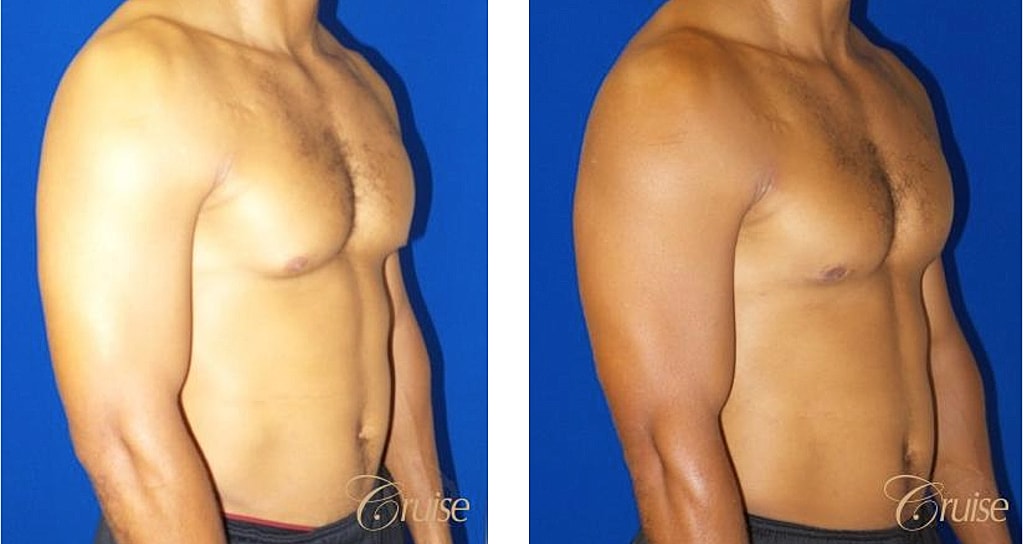
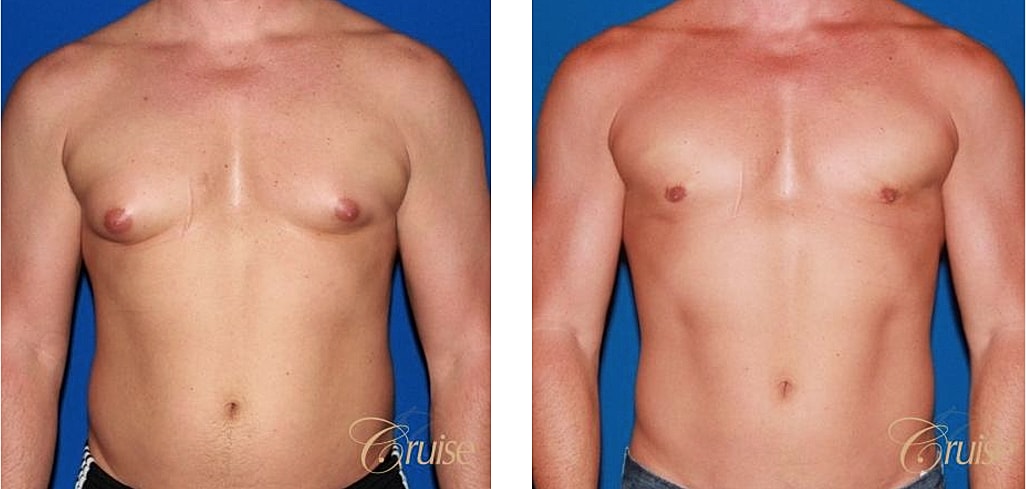
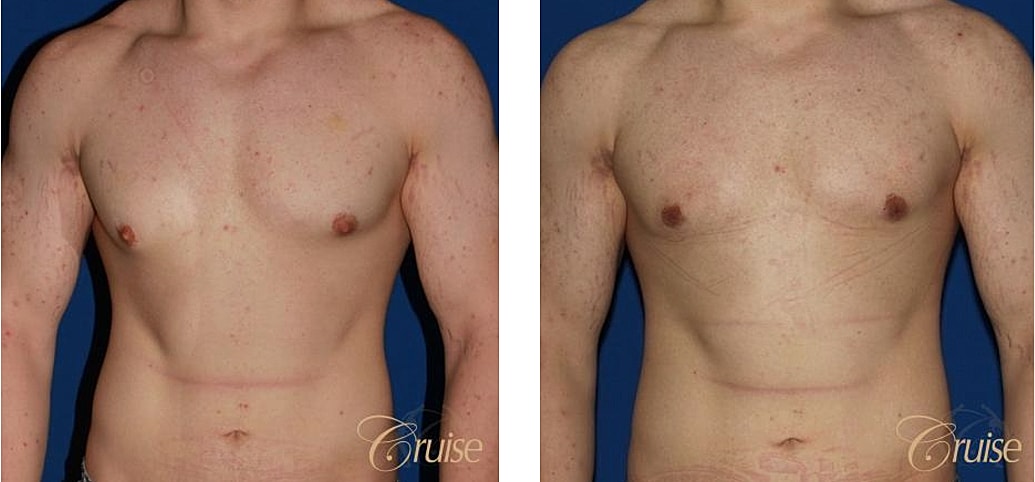
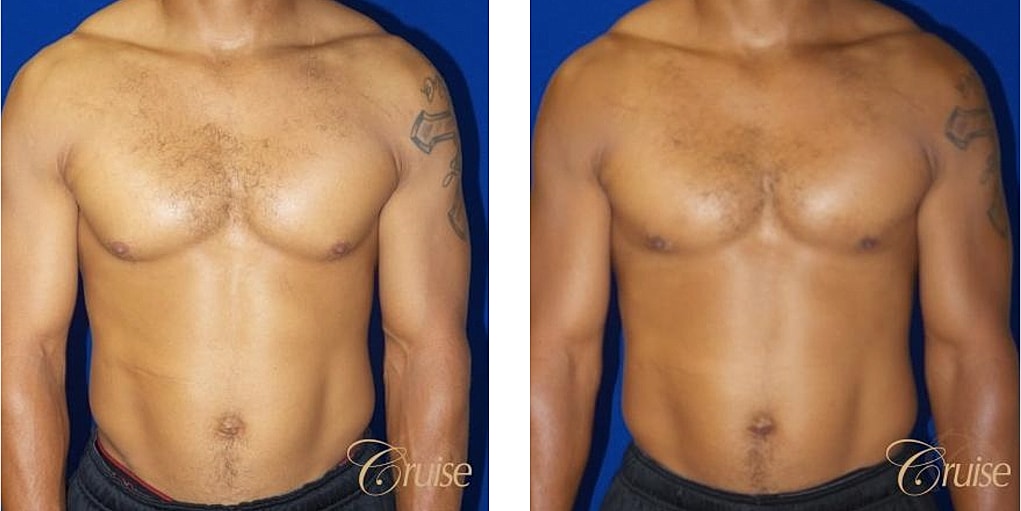


Bodybuilder gynecomastia represents one of the most frustrated demographics of men suffering with “man boobs”. Bodybuilders are dedicated to perfecting their physique, spending countless hours working out, and eating healthy, along with taking a slew of supplements and other performance enhancers. Unfortunately, steroids and certain medications can cause hormonal fluctuations, resulting in the development of excess breast tissue. Many bodybuilders think their breasts will go back to normal once they stop taking performance enhancers, but this is usually not the case.
The excess breast tissue can be localized to the area behind the areola, causing the nipple to protrude. This is frequently referred to as “Puffy Nipple.” The tissue can also spread beyond the areola, causing the breast to take on a feminine appearance. In either case, neither is acceptable to the bodybuilder who takes pride in their physical appearance.
It is always recommended to be evaluated by a medical doctor to be sure there isn’t an underlying medical condition present, such as breast cancer, tumors, hyperthyroidism, kidney failure, liver failure, and hypogonadism.


Dr. Cruise performs bodybuilder gynecomastia surgery as an outpatient procedure under general anesthesia. The core technique involves direct excision of glandular tissue through a small incision typically hidden along the edge of the areola.
Because these patients often have excellent skin quality and muscle tone, skin excision is rarely needed, and liposuction is only used if there’s residual fat present. Careful excision is essential to avoid over-removal of tissue, which can cause cratering or unnatural flattening. Dr. Cruise’s experience in treating elite athletes and physique competitors allows him to maintain the natural contour of the chest while eliminating the visible puffiness caused by the gland. A compression garment is applied post-op, and patients go home the same day with detailed aftercare instructions.
1 of 150
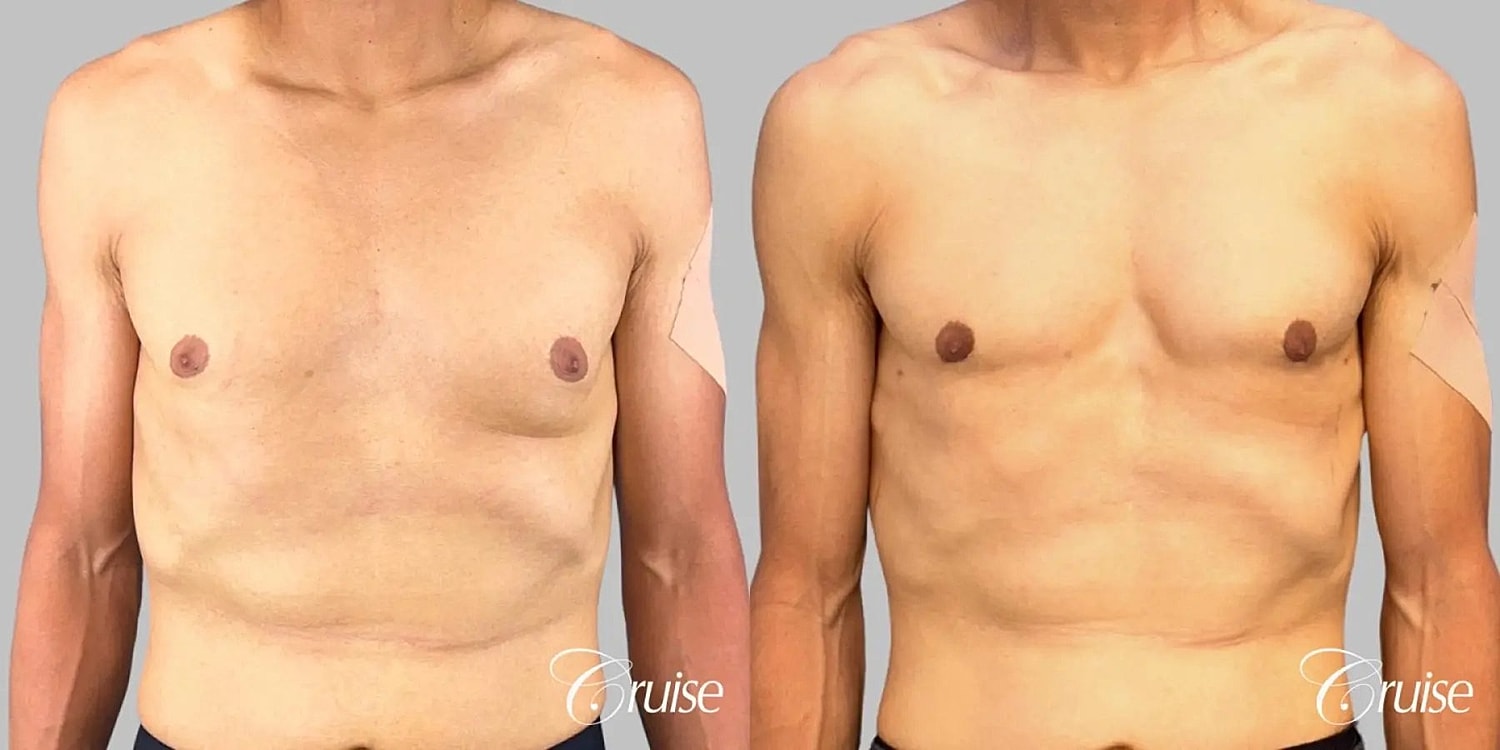
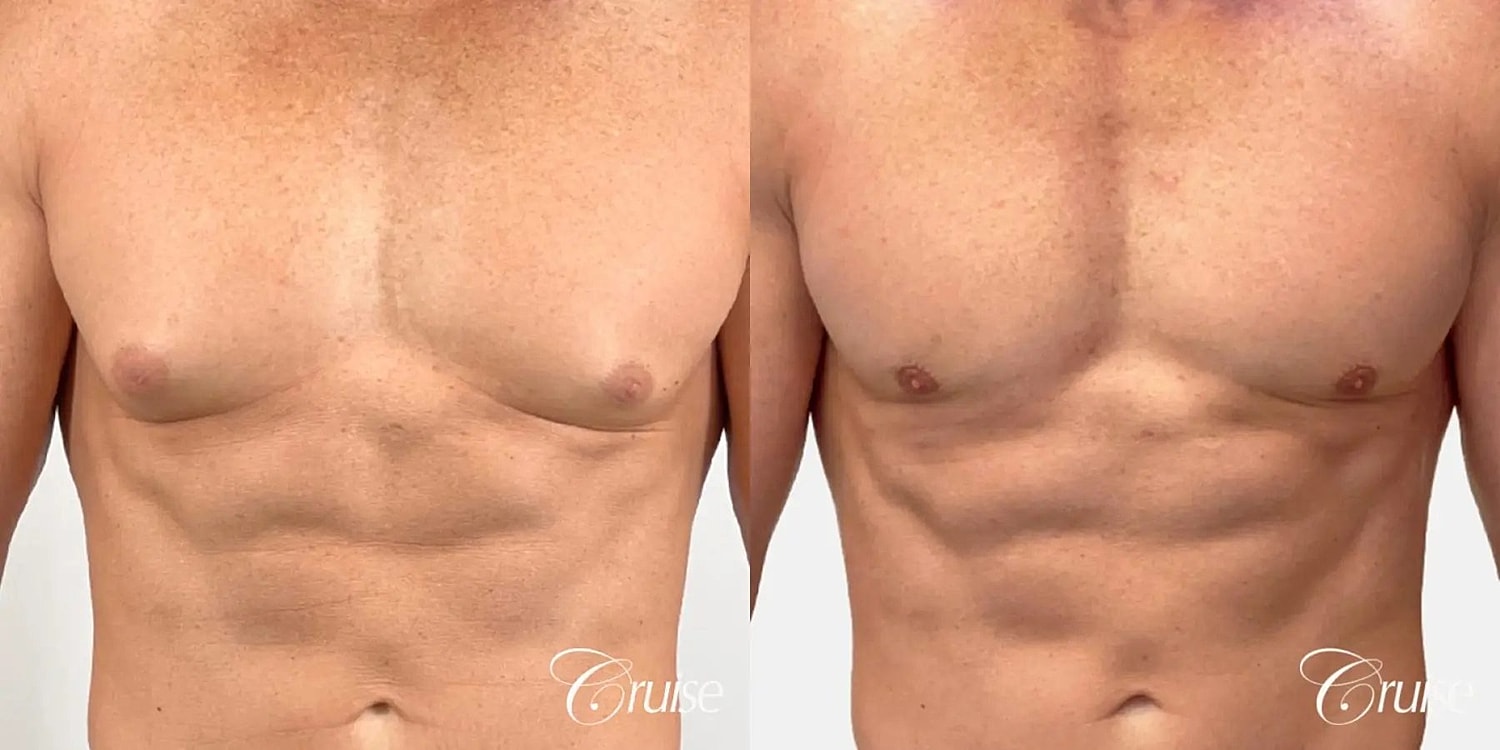
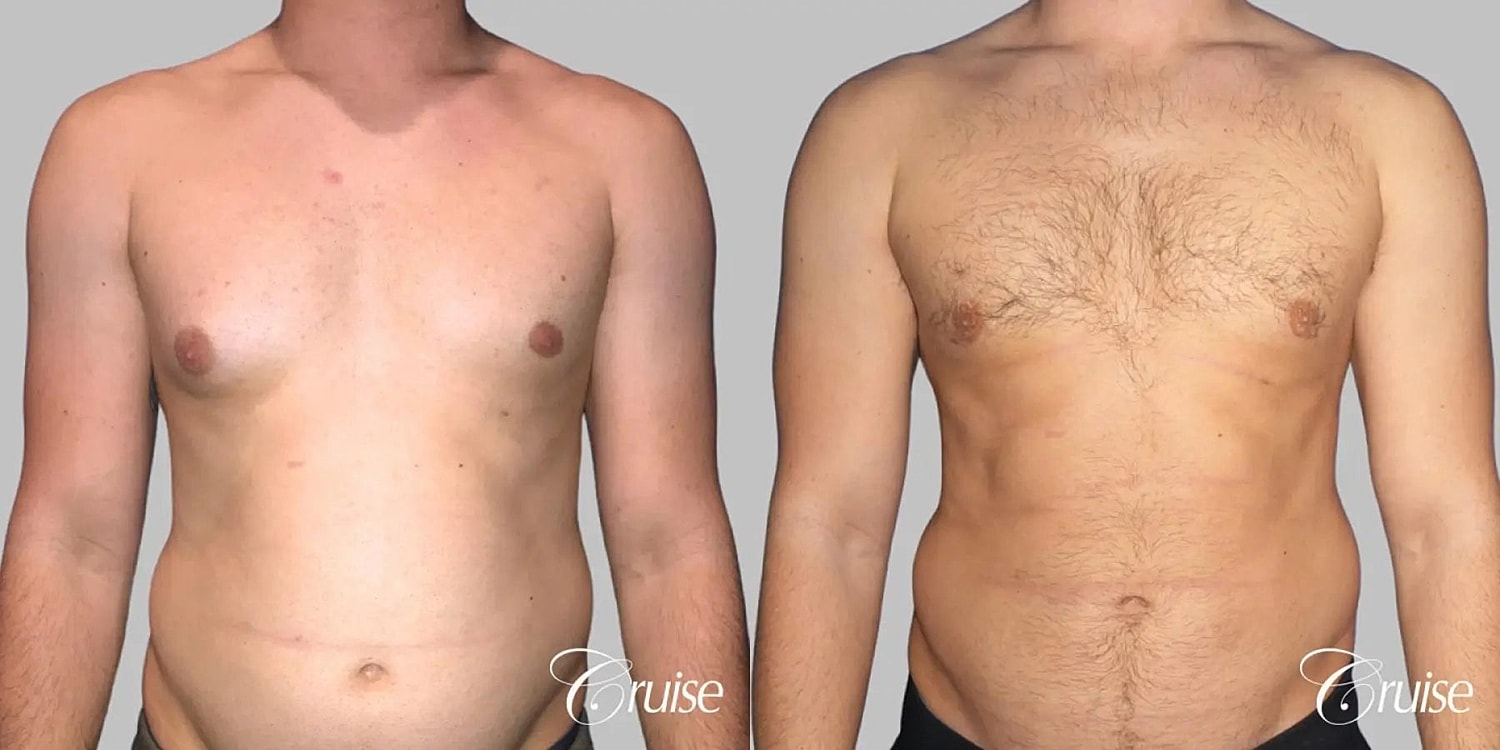
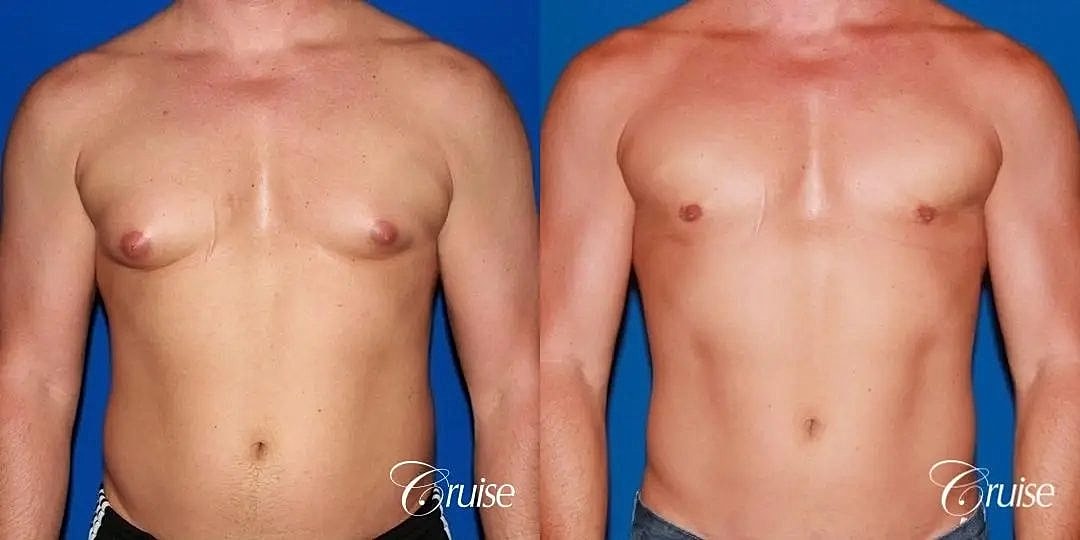
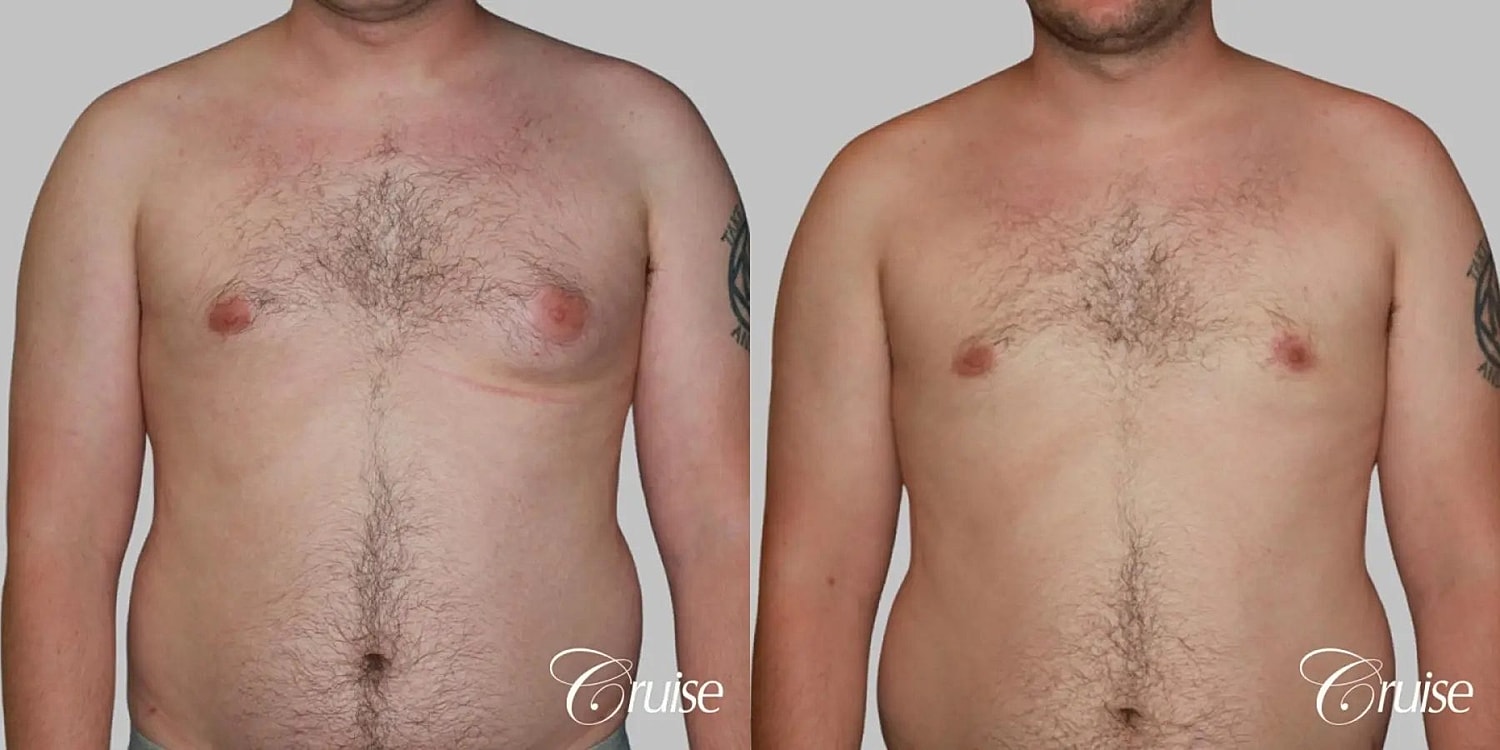
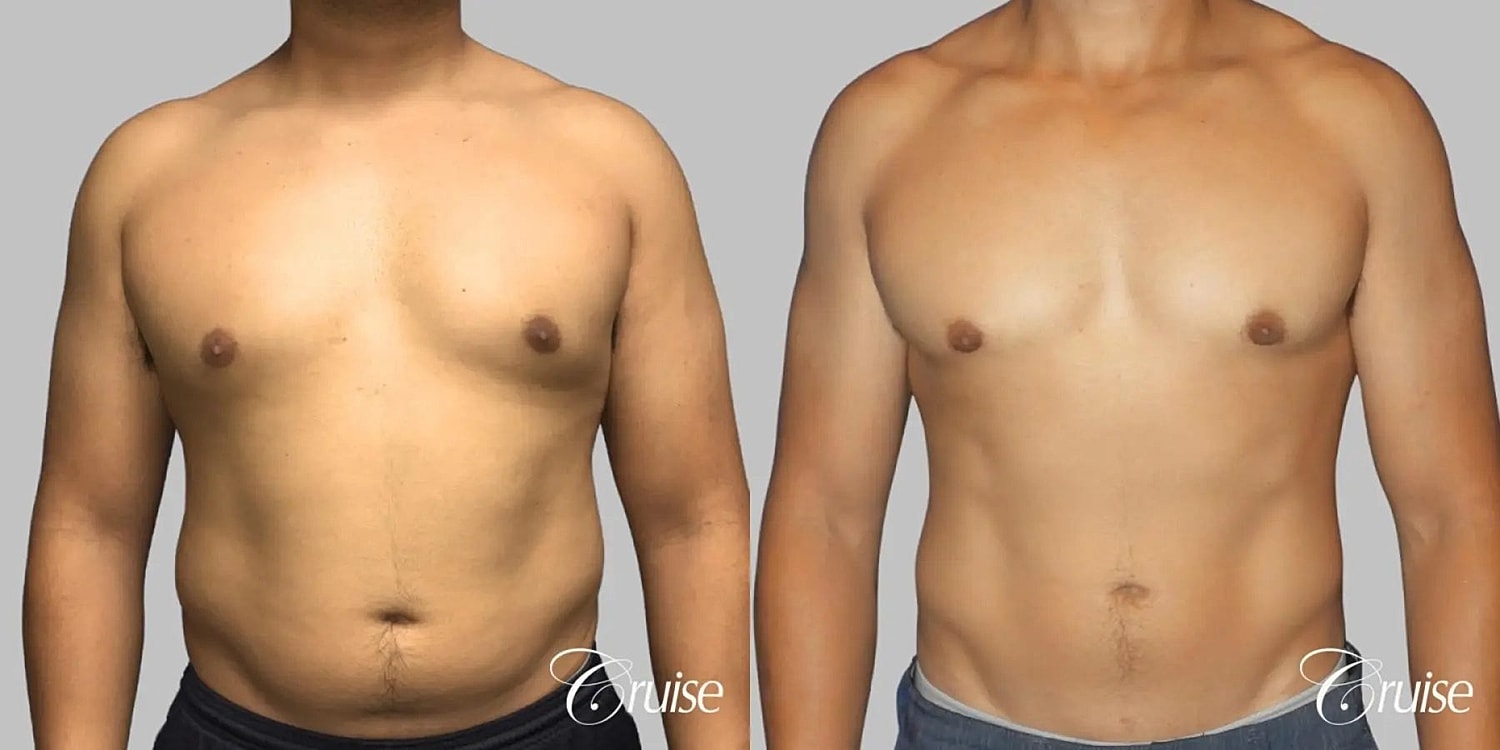
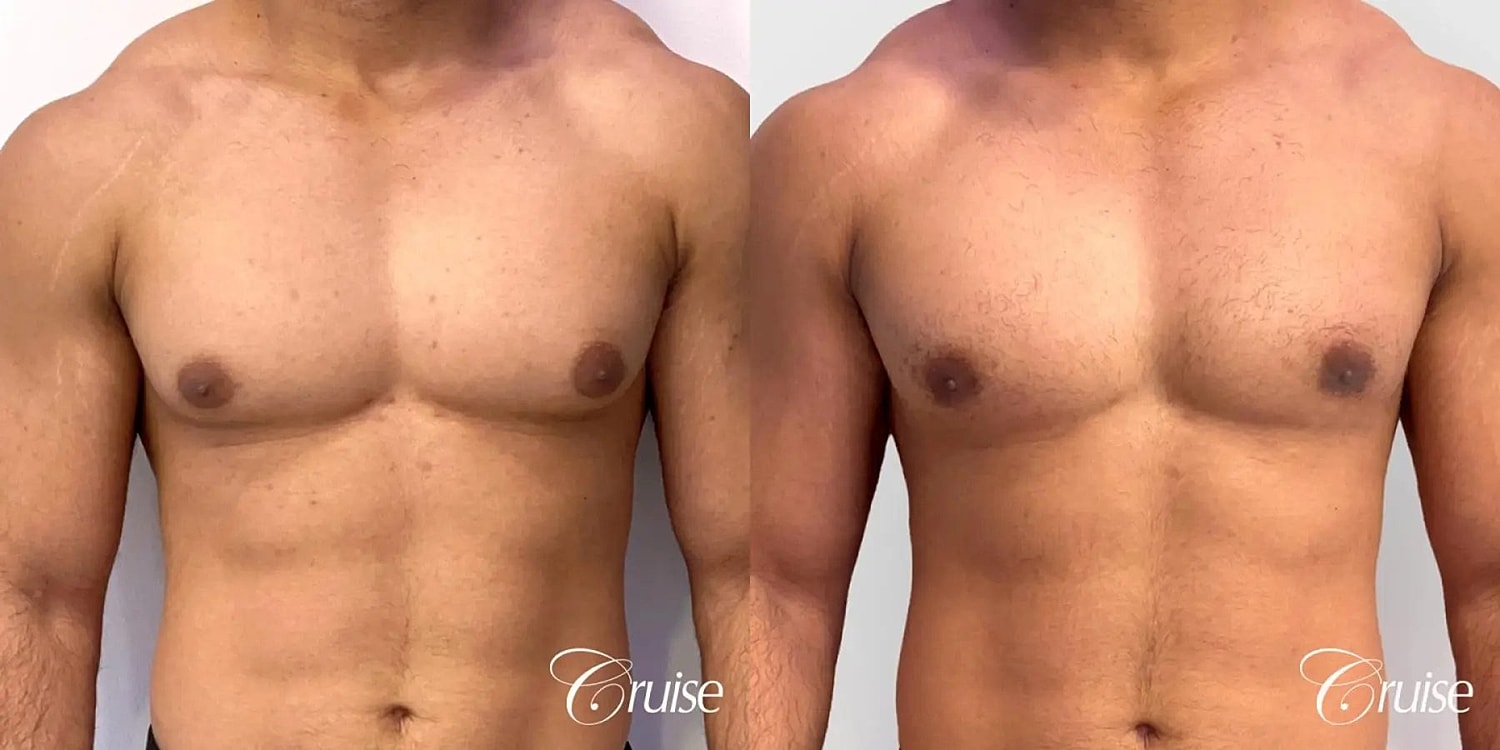
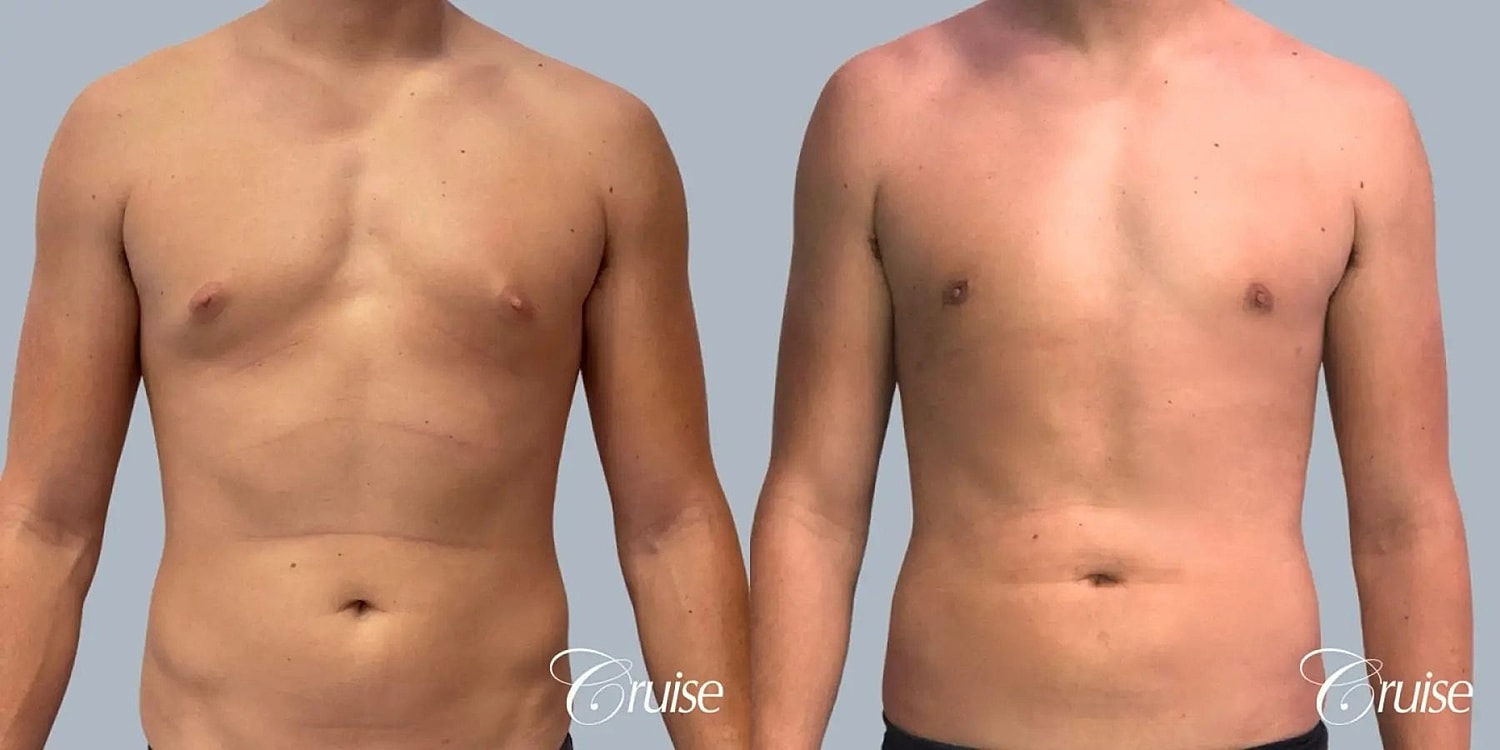
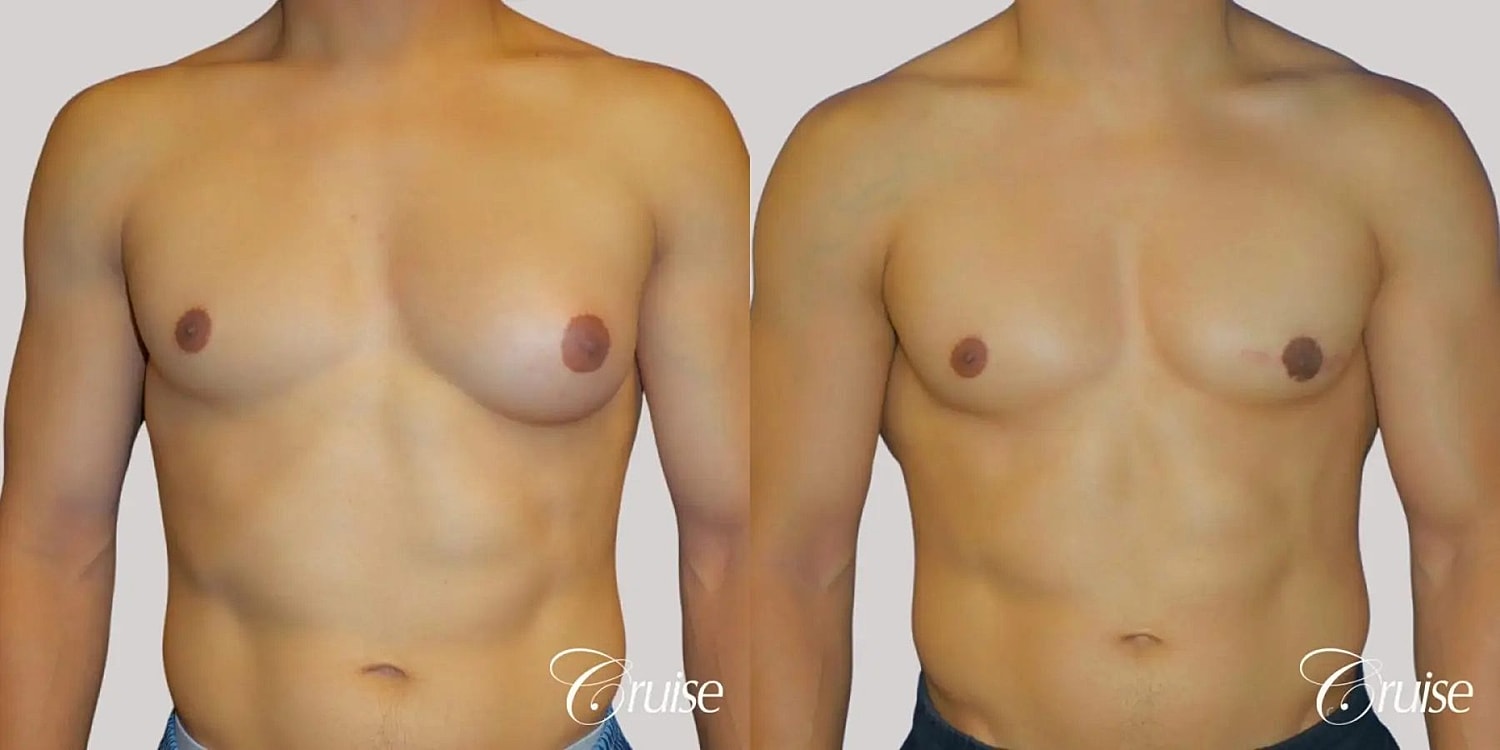
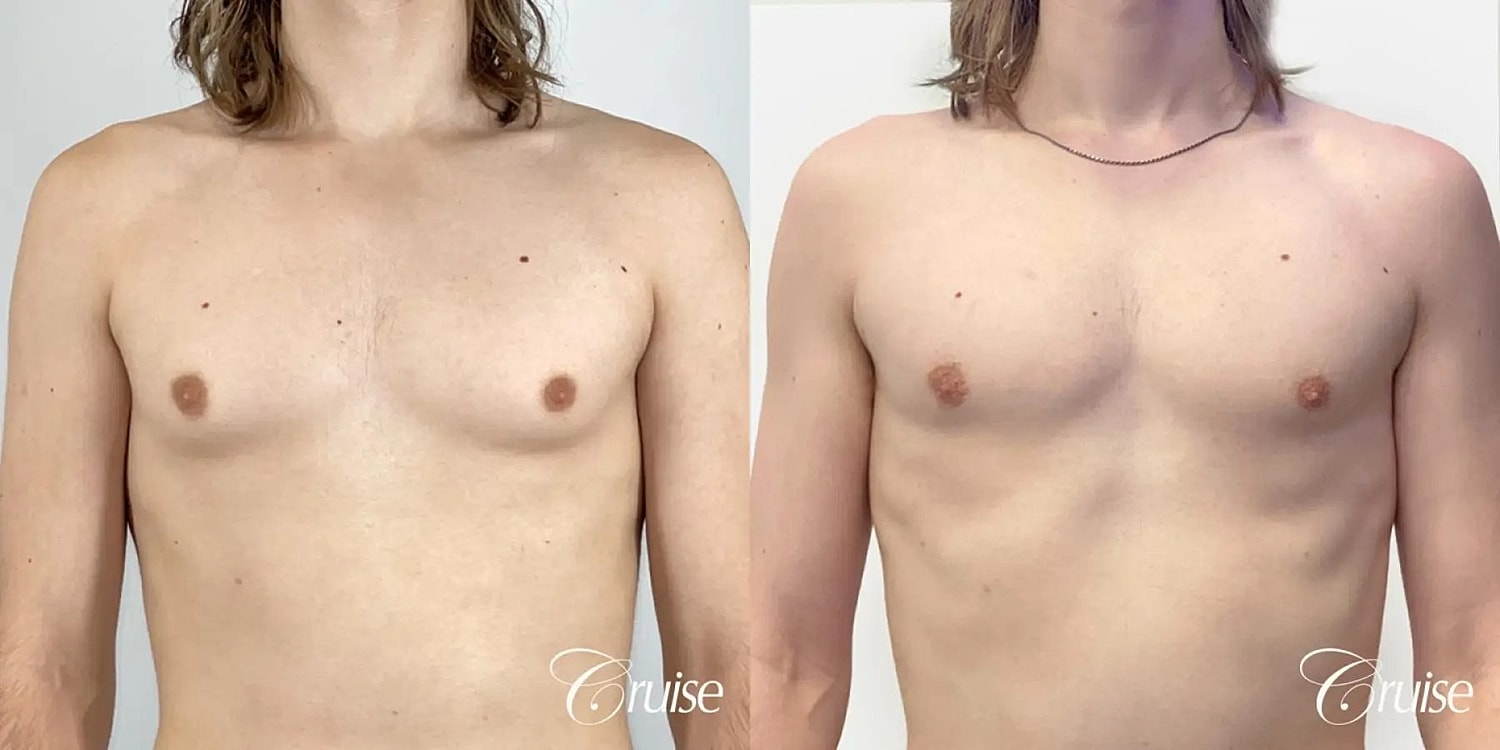
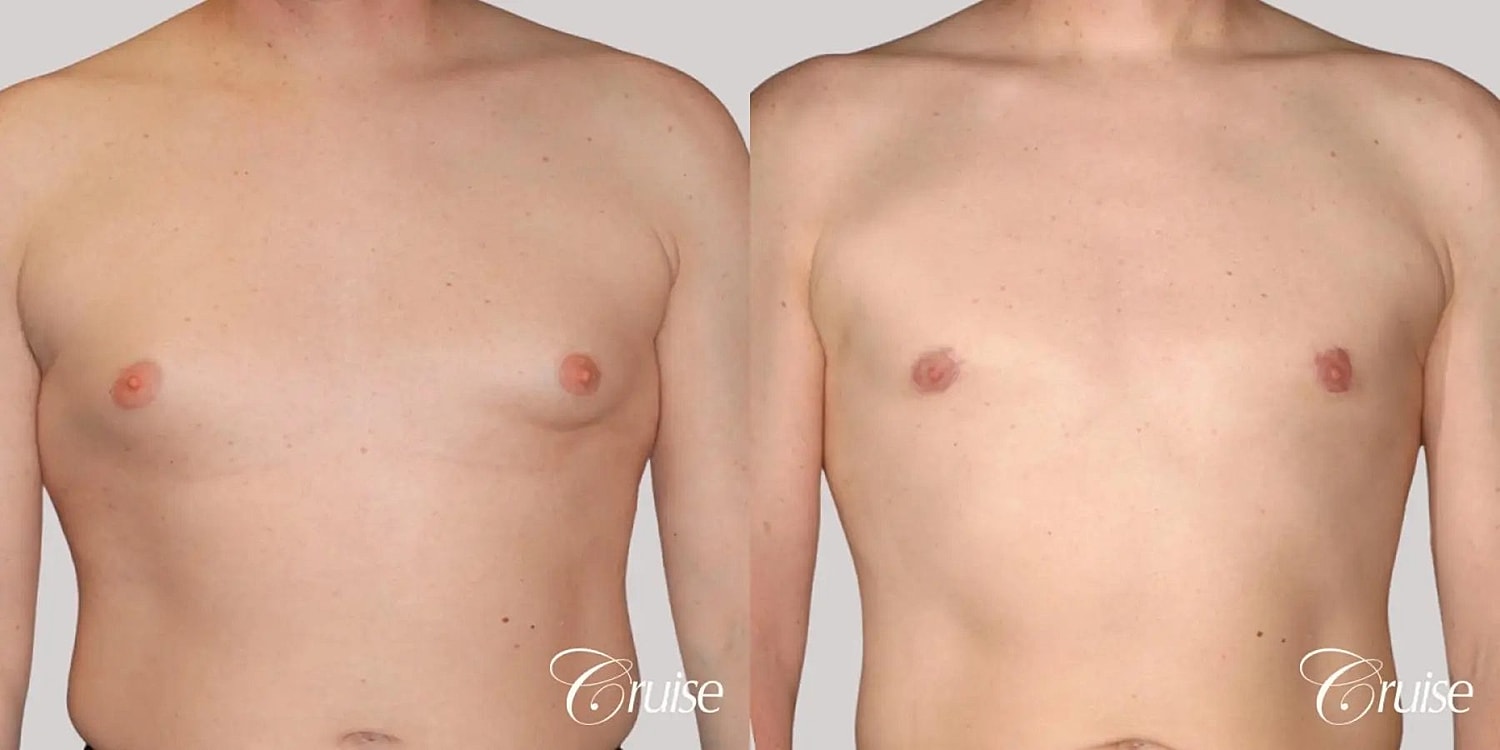
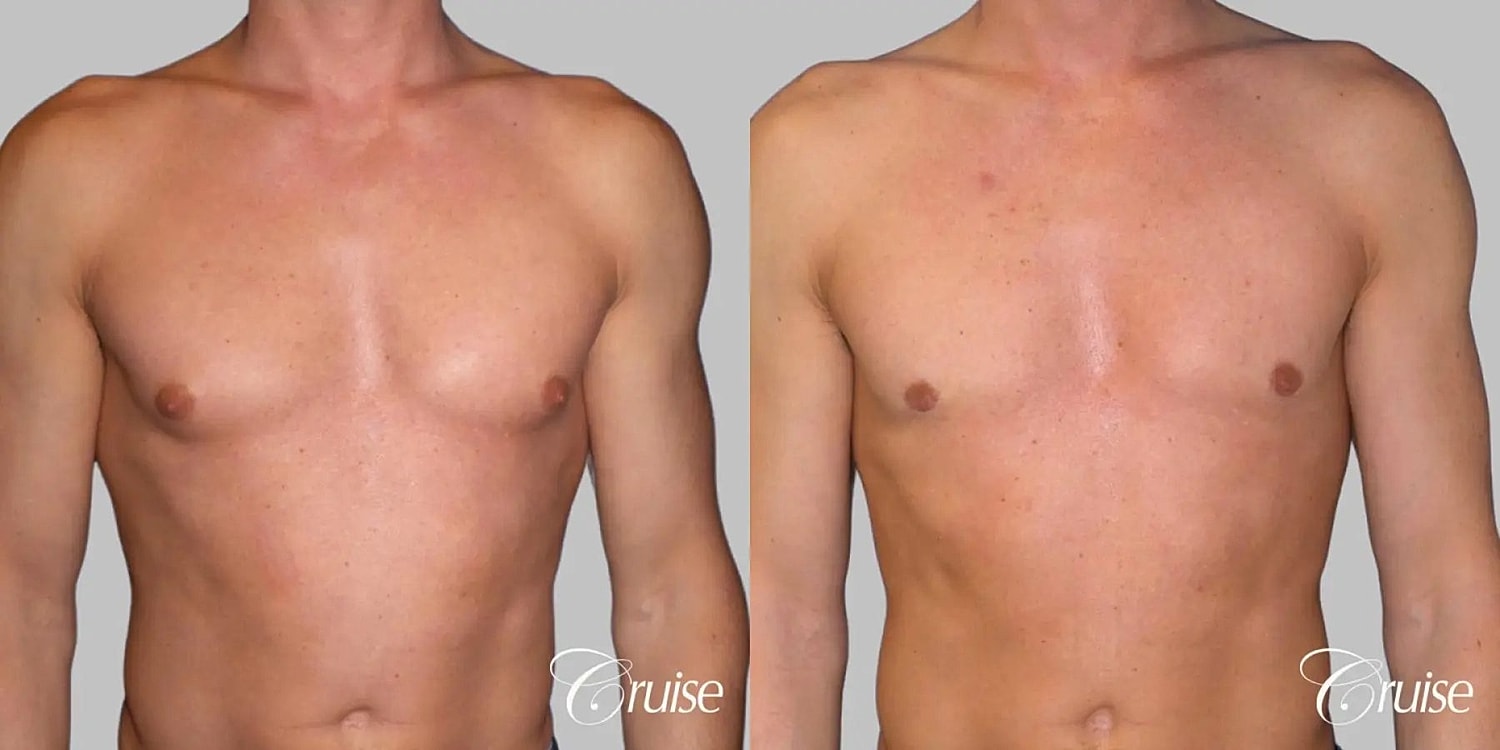
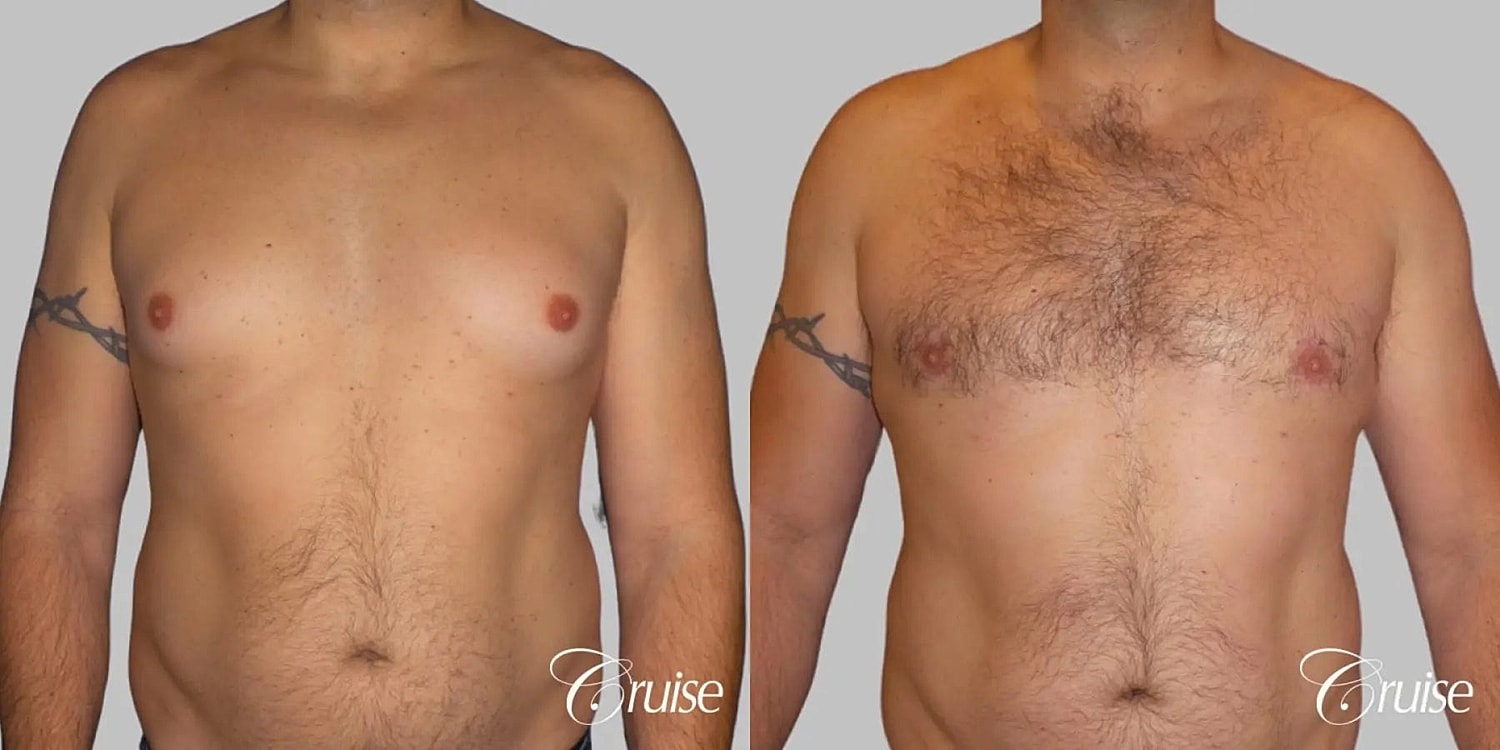
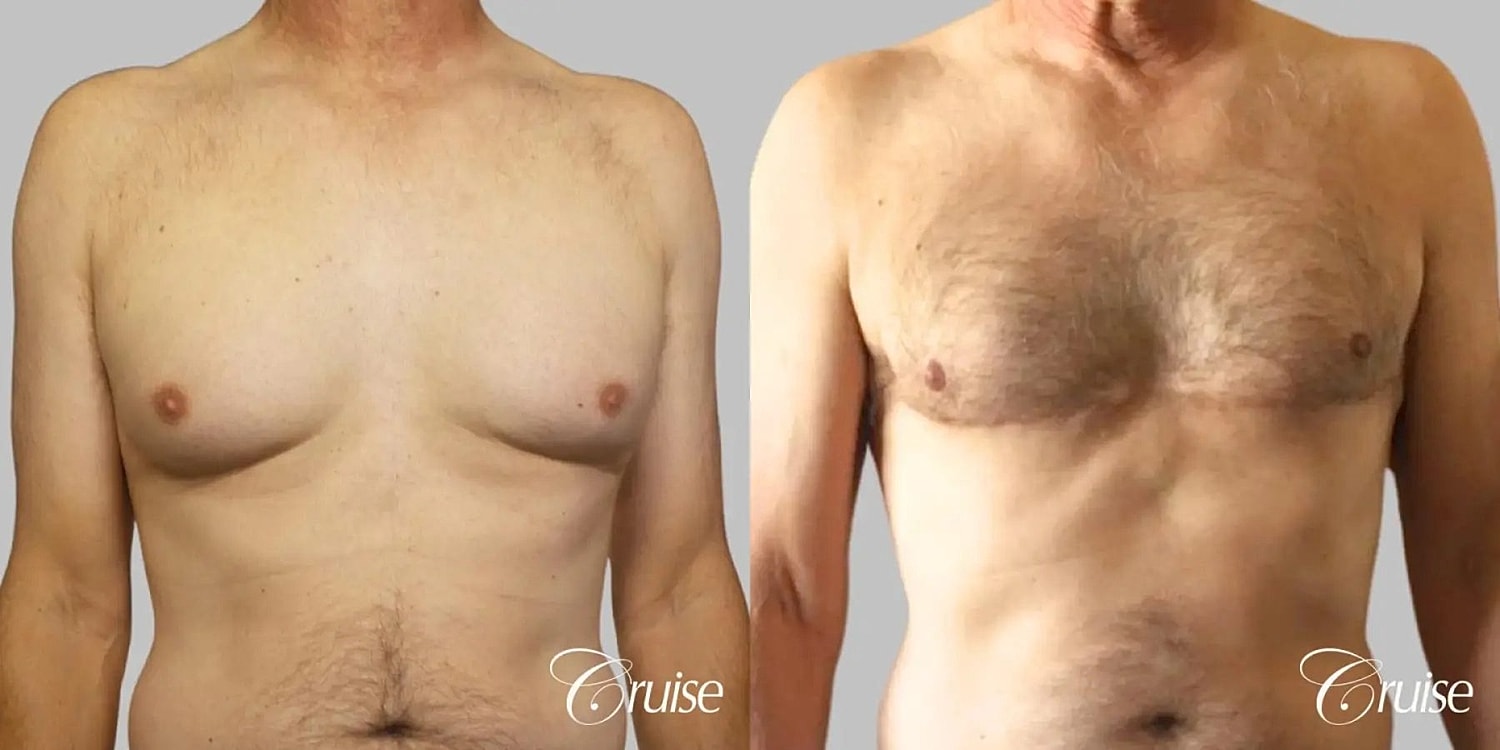
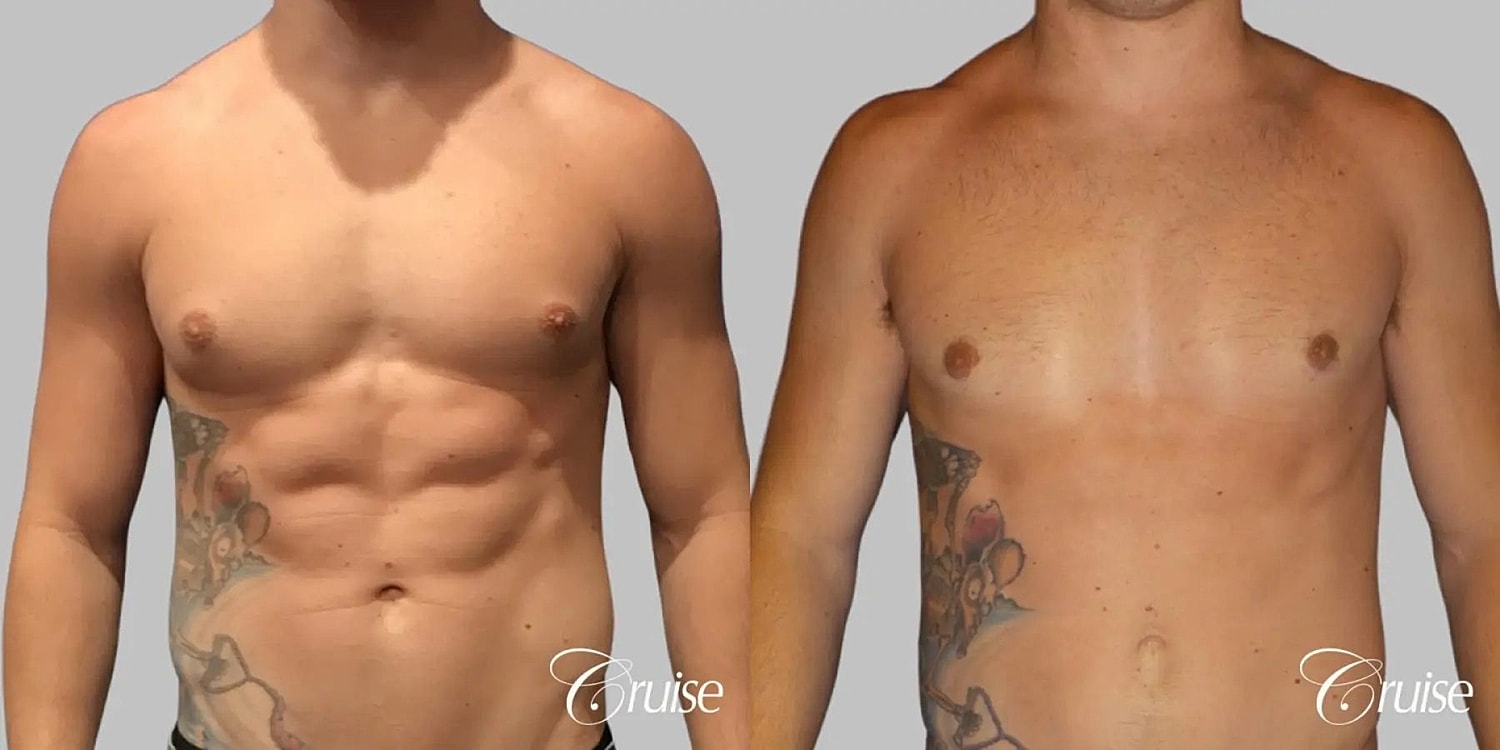
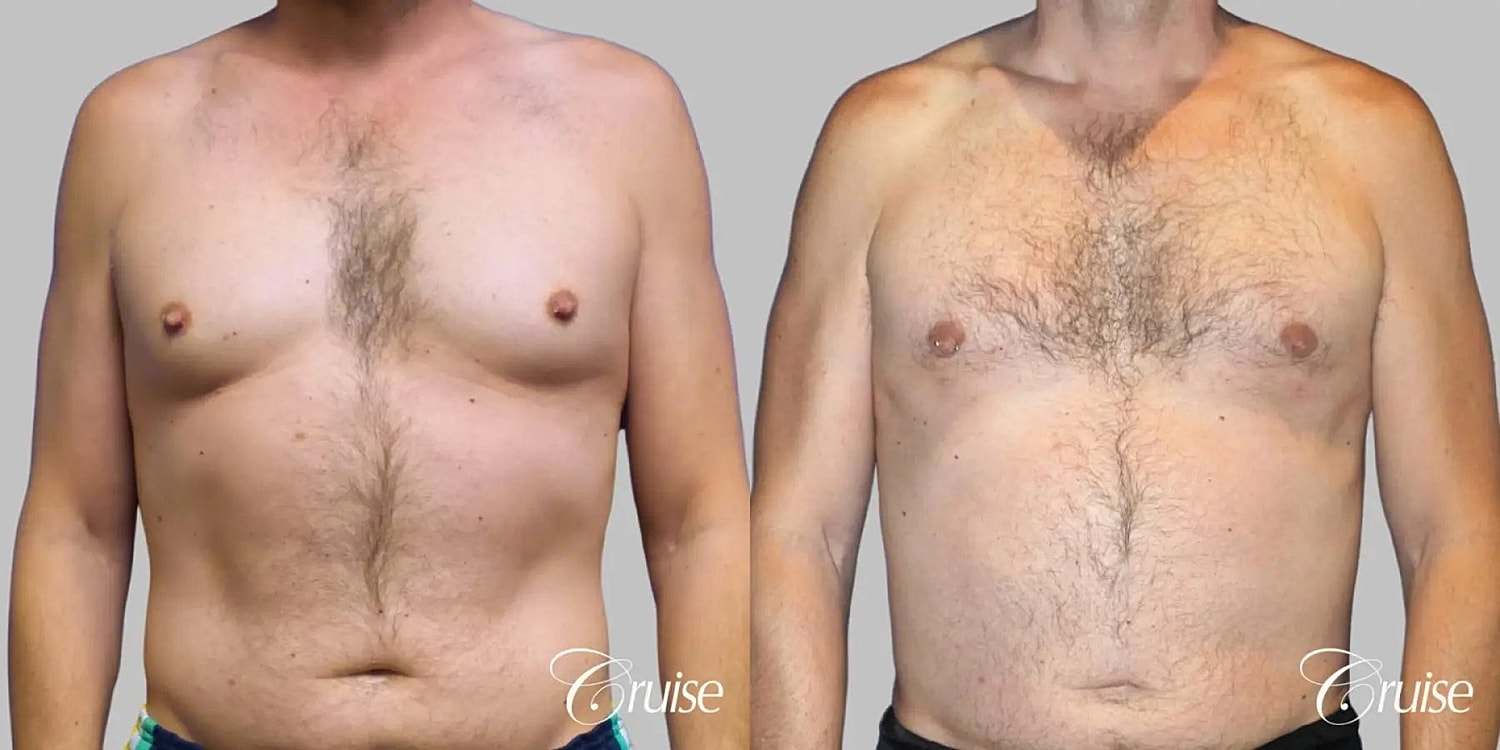
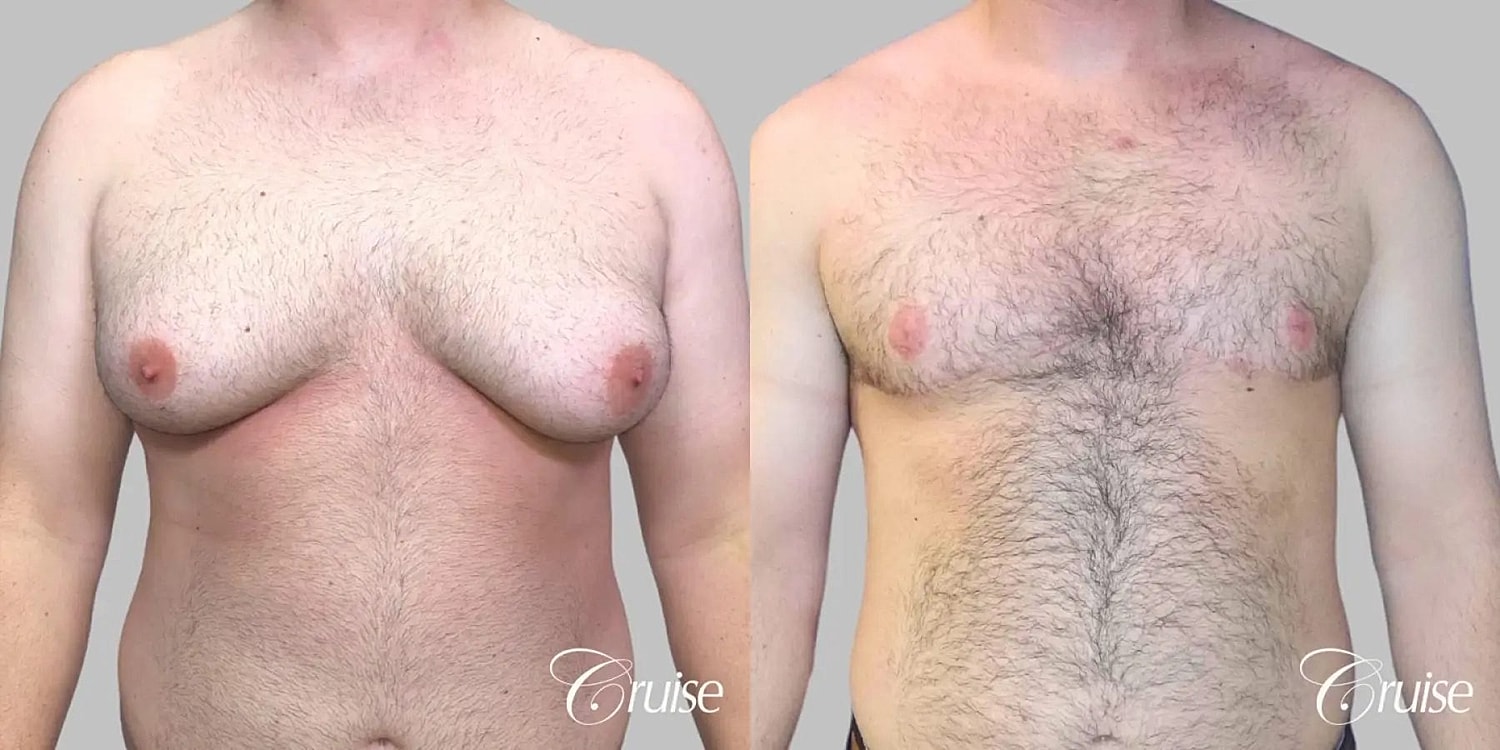
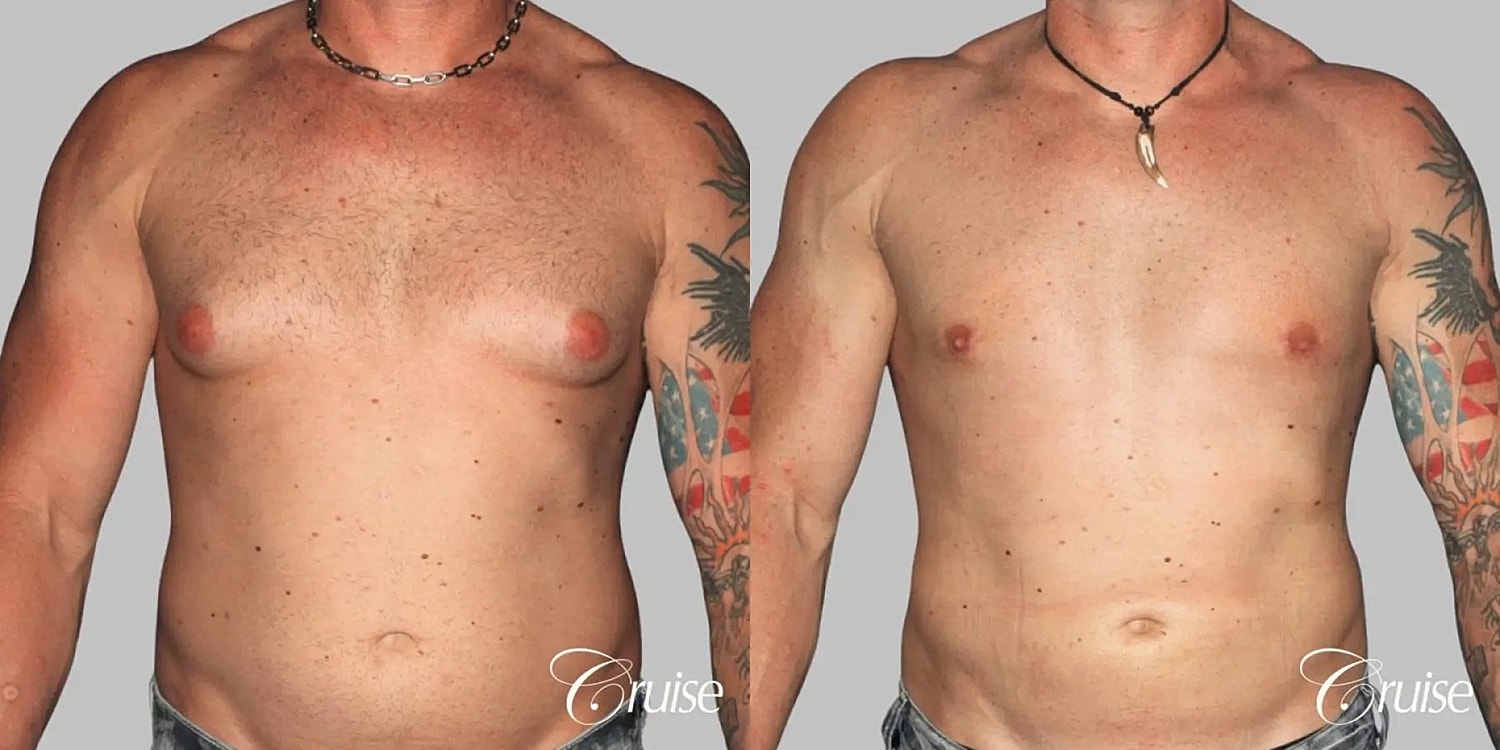
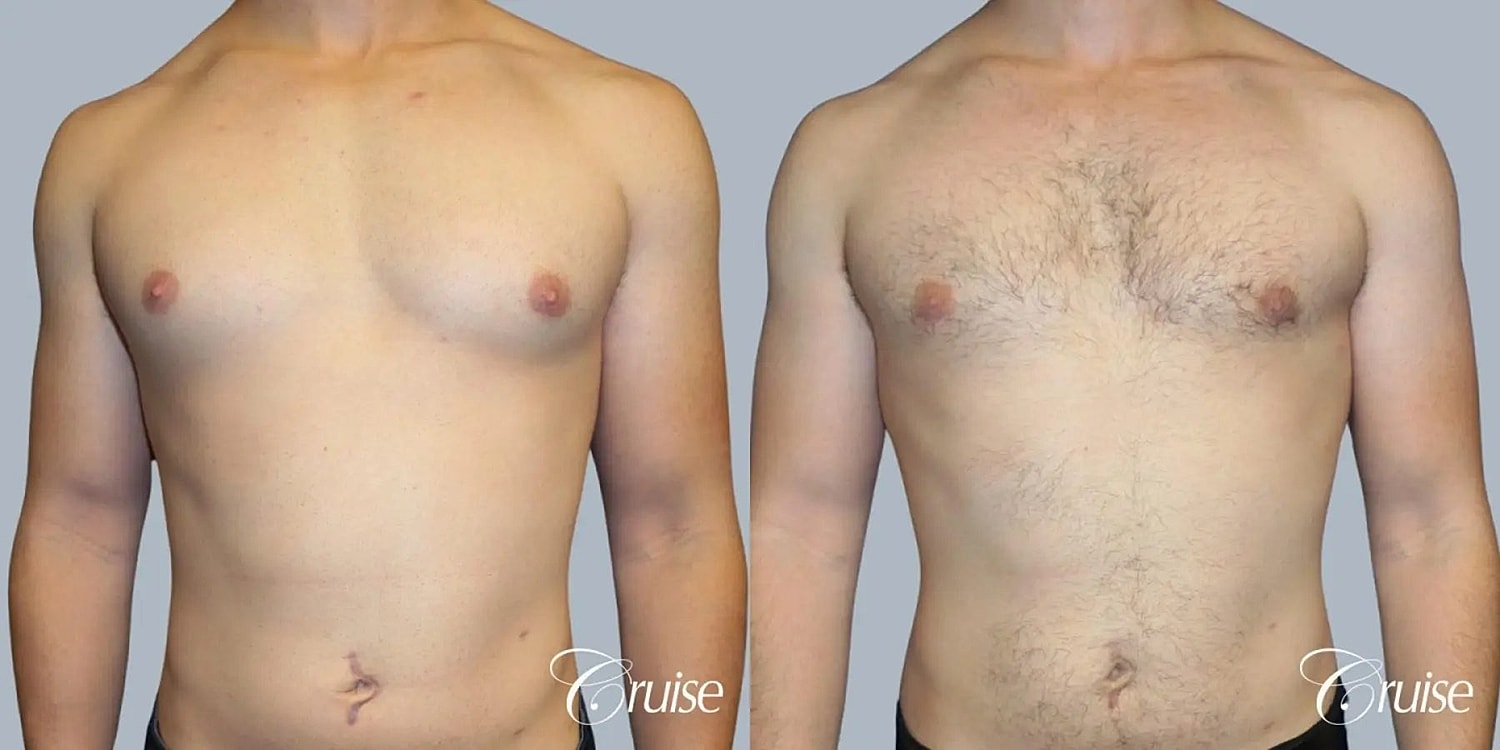
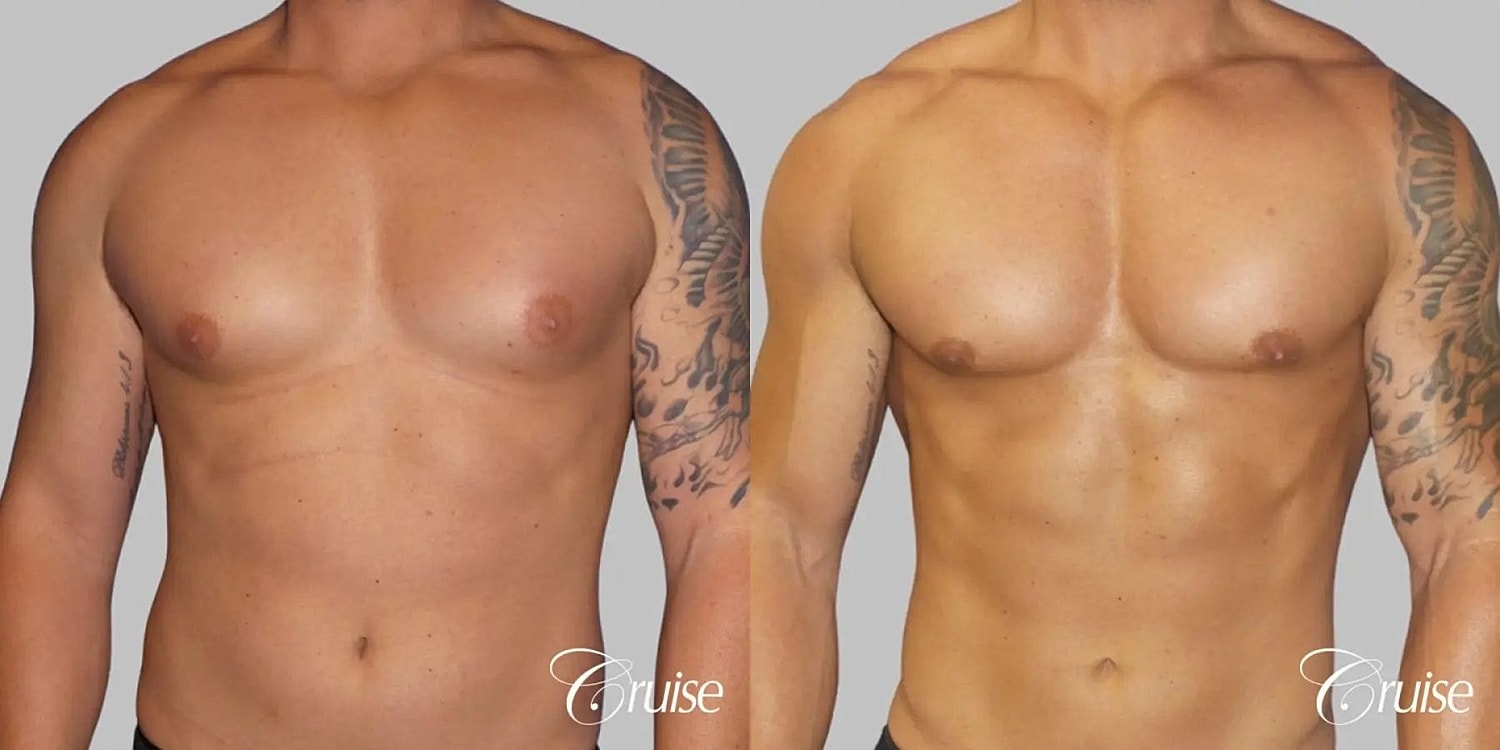
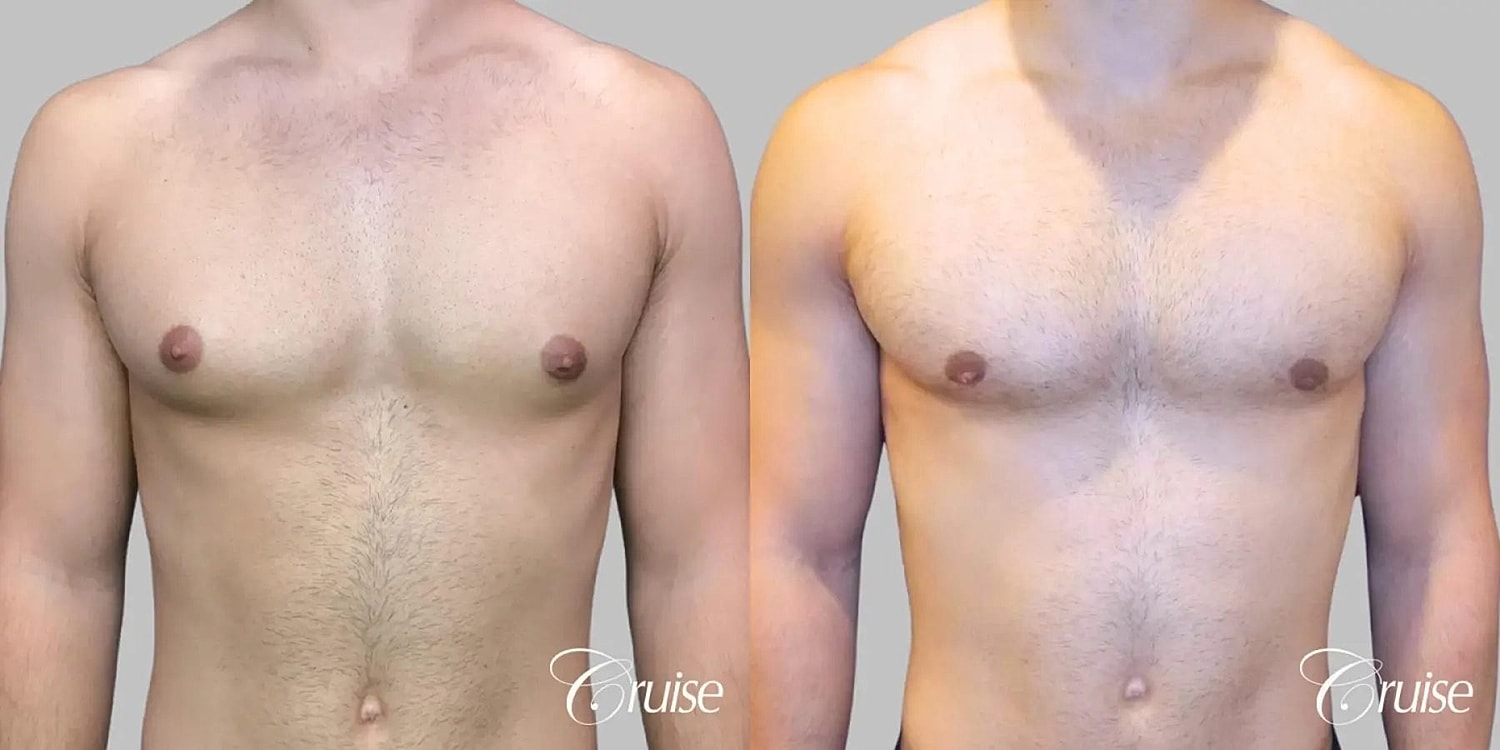
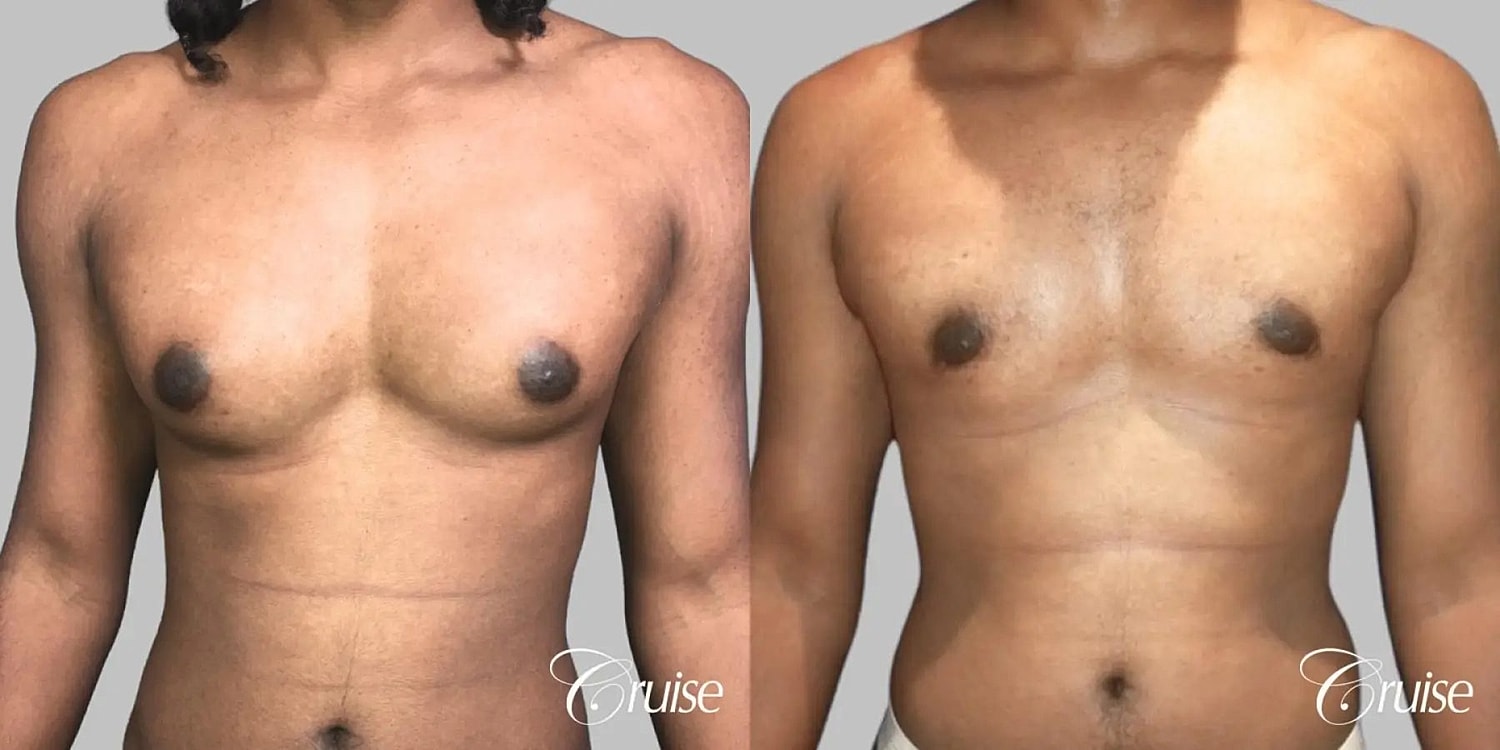
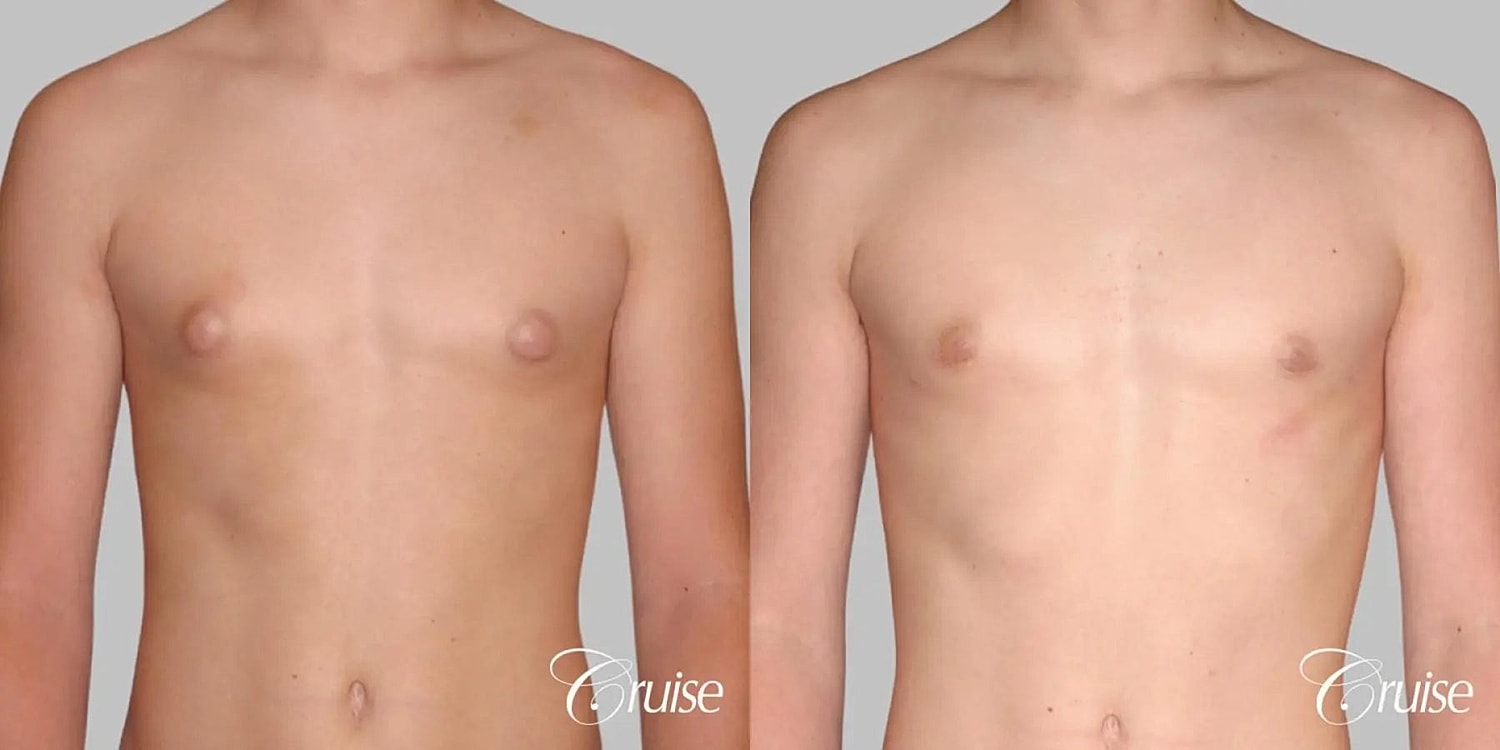
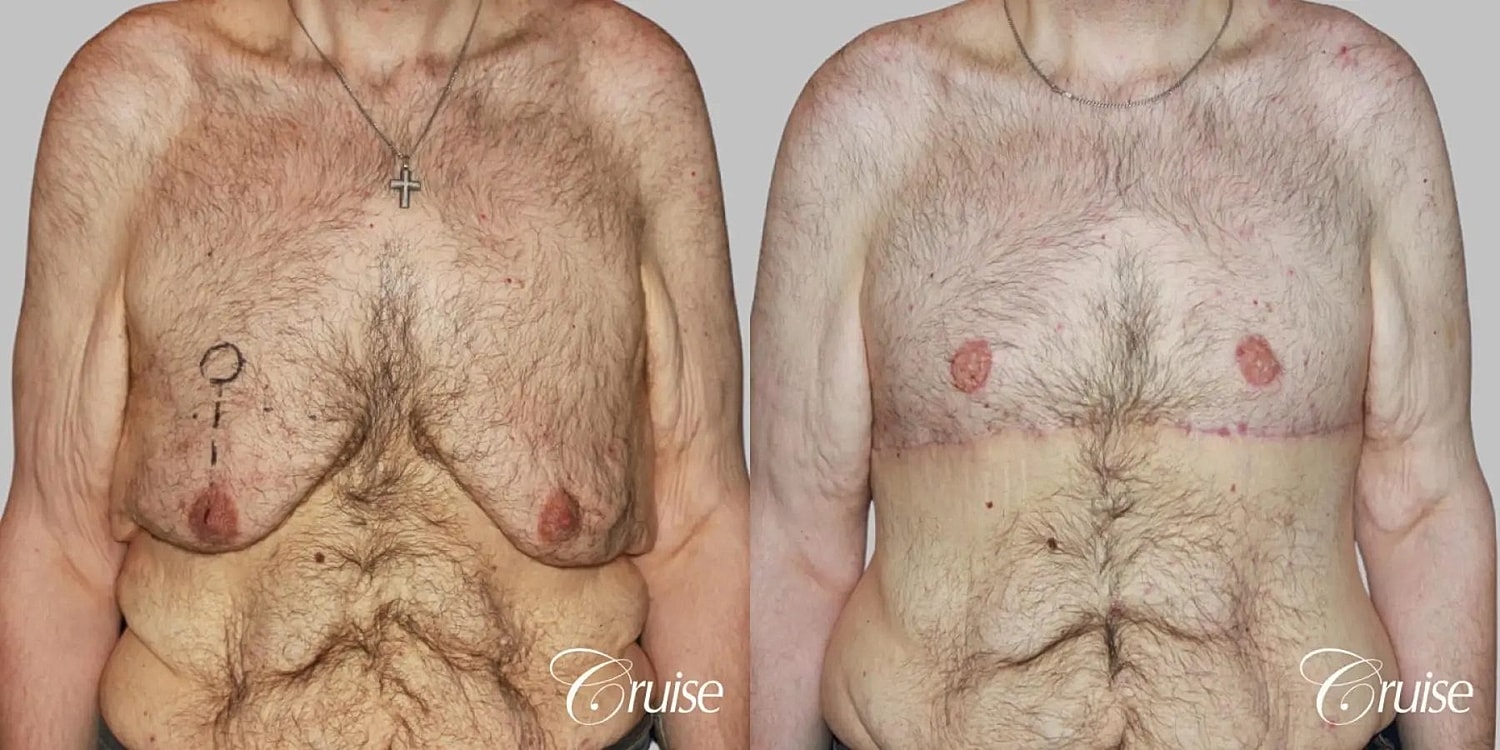
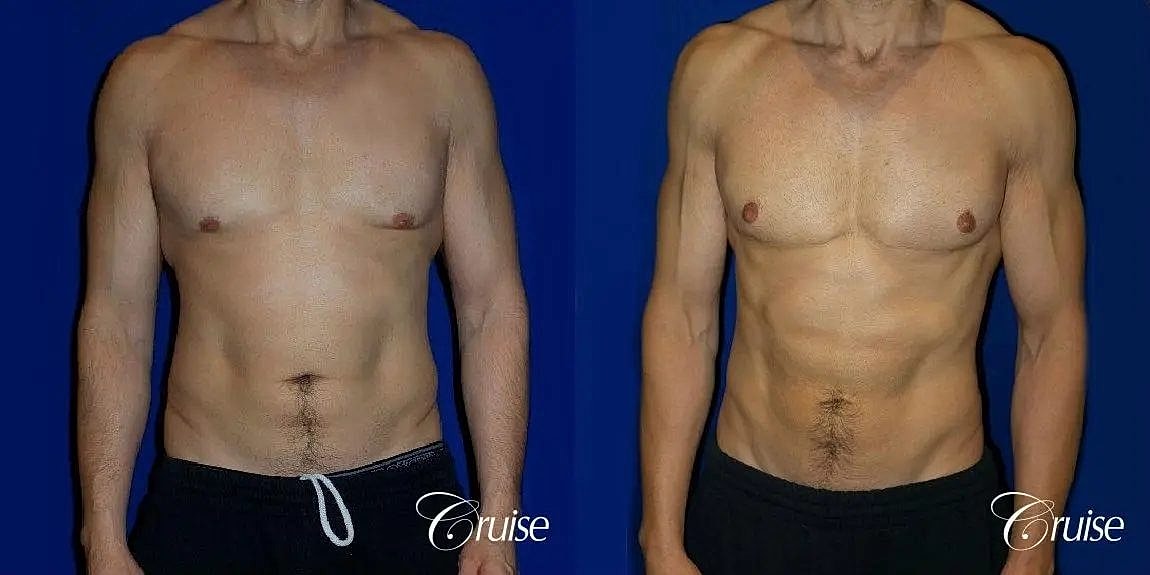
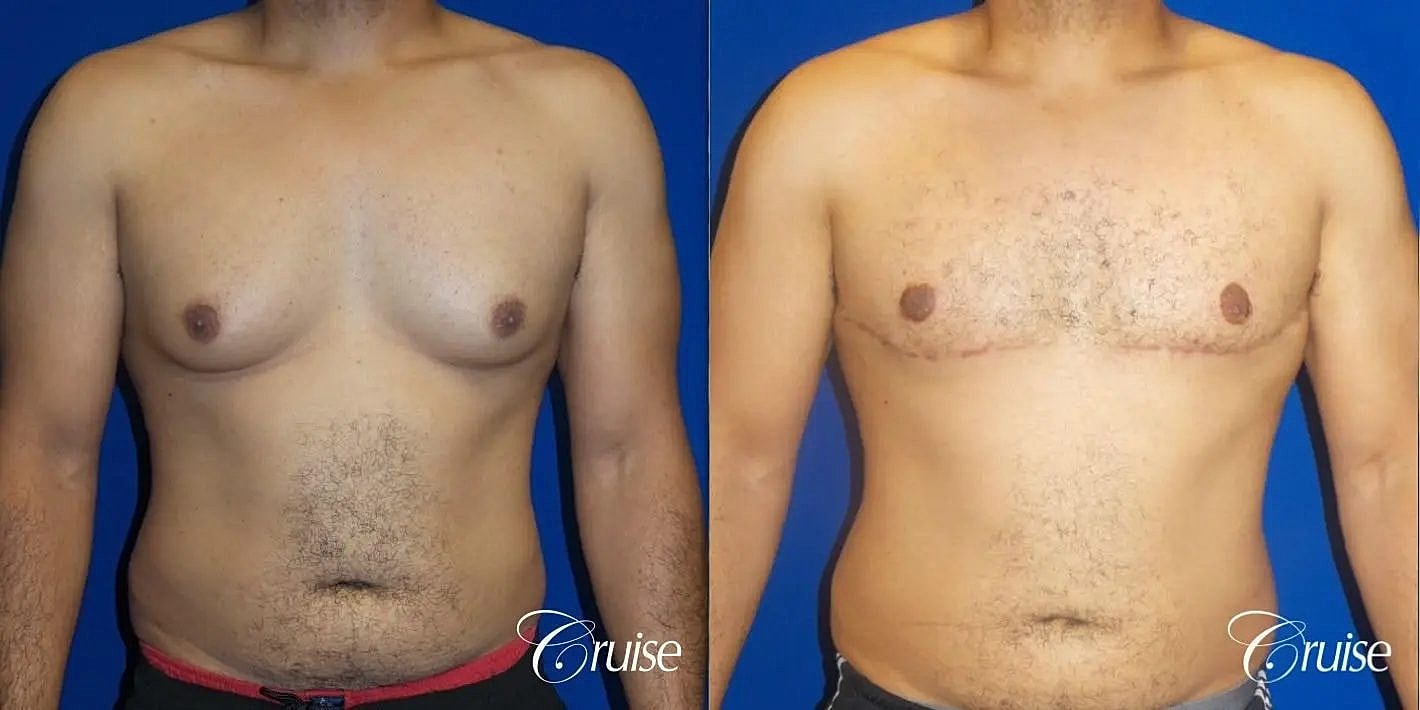
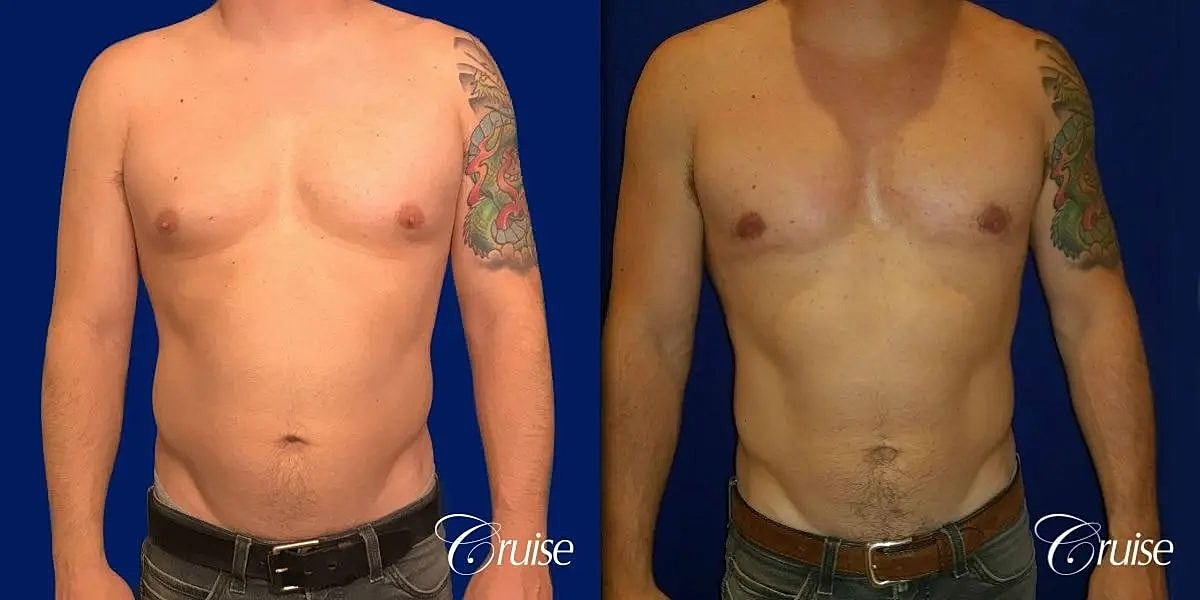
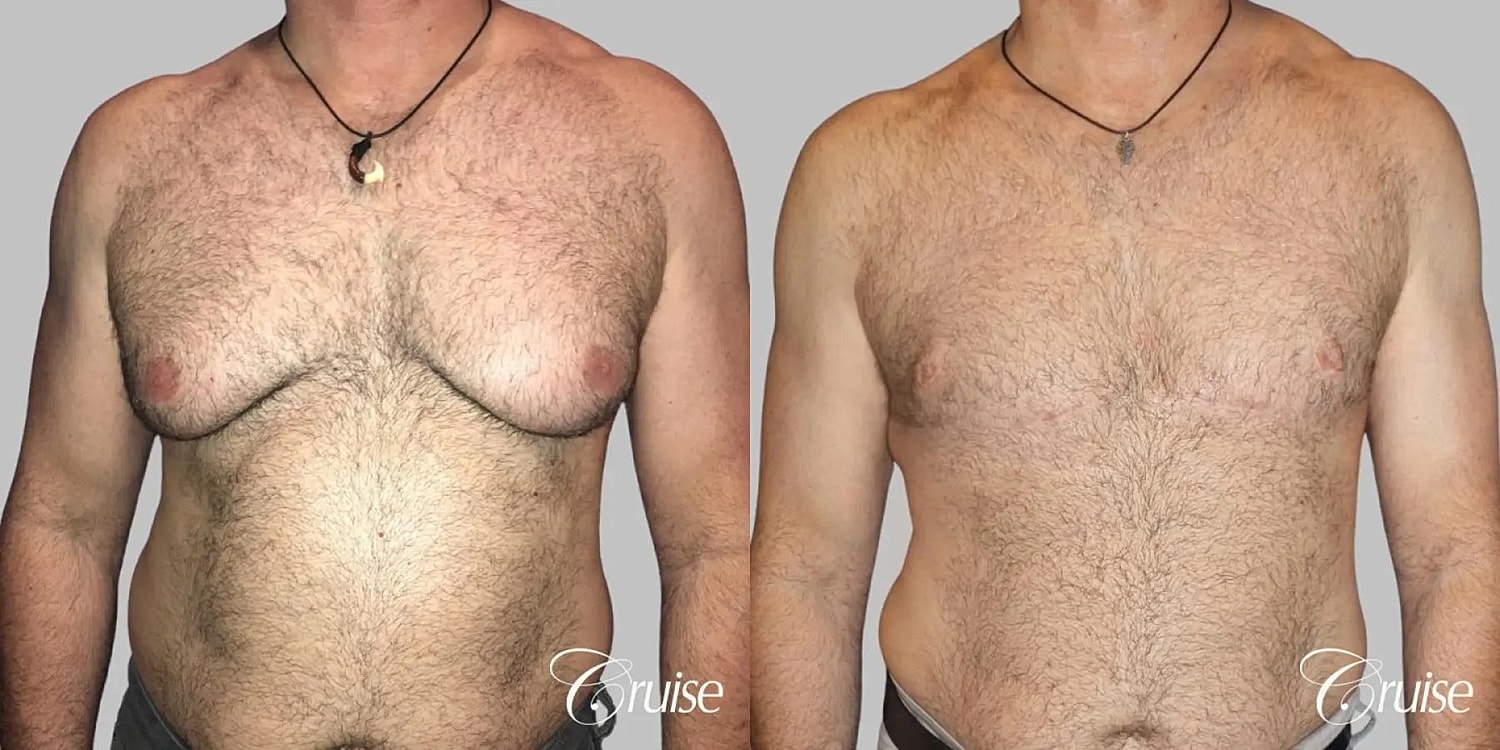
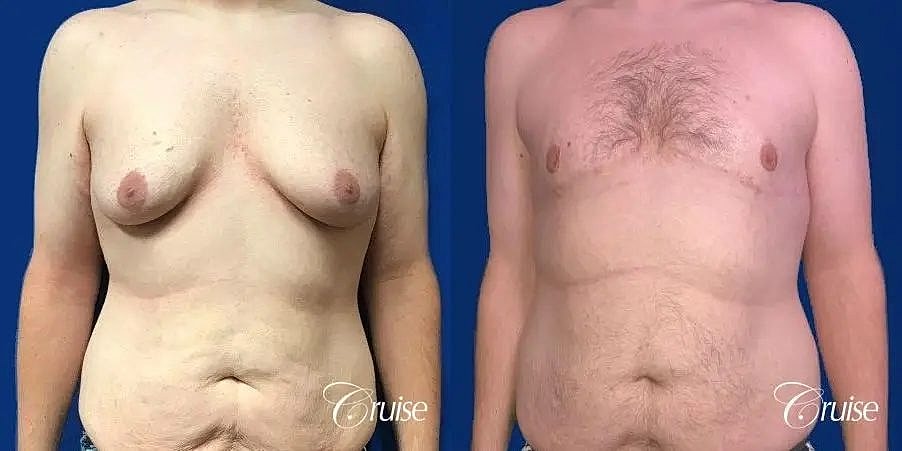
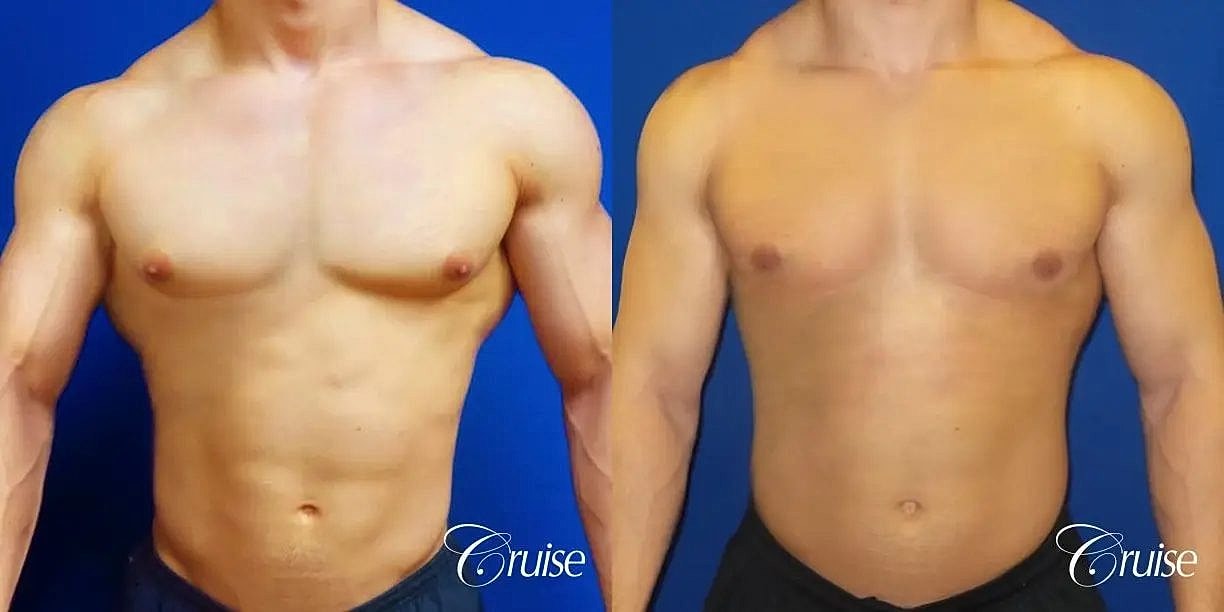
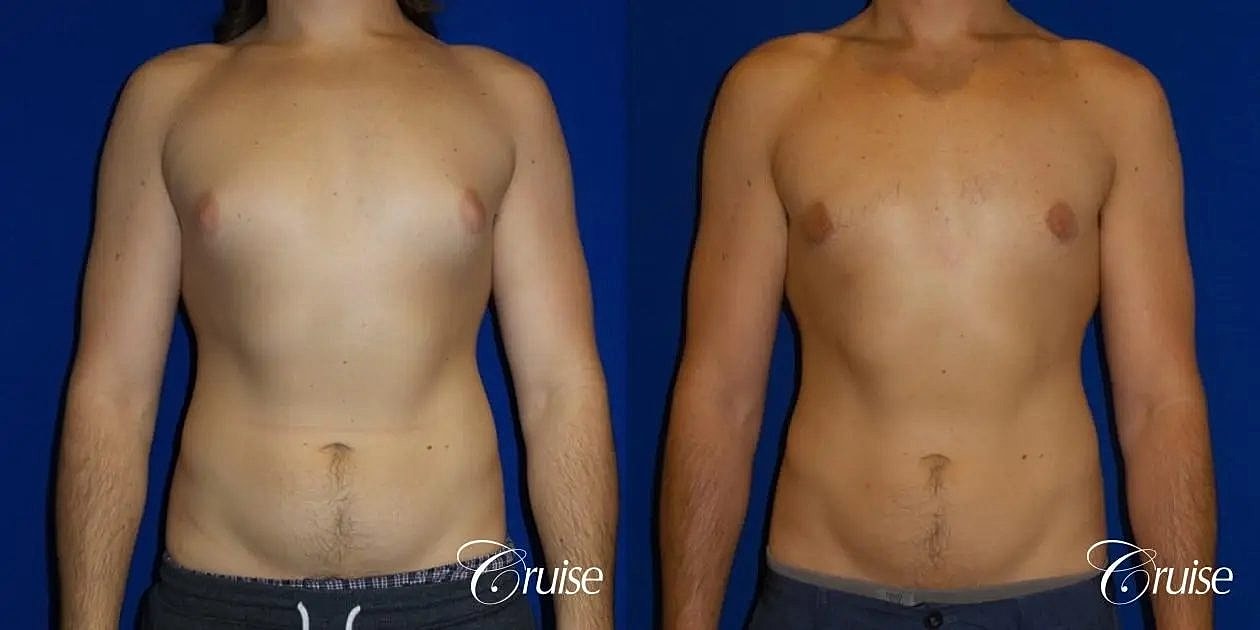
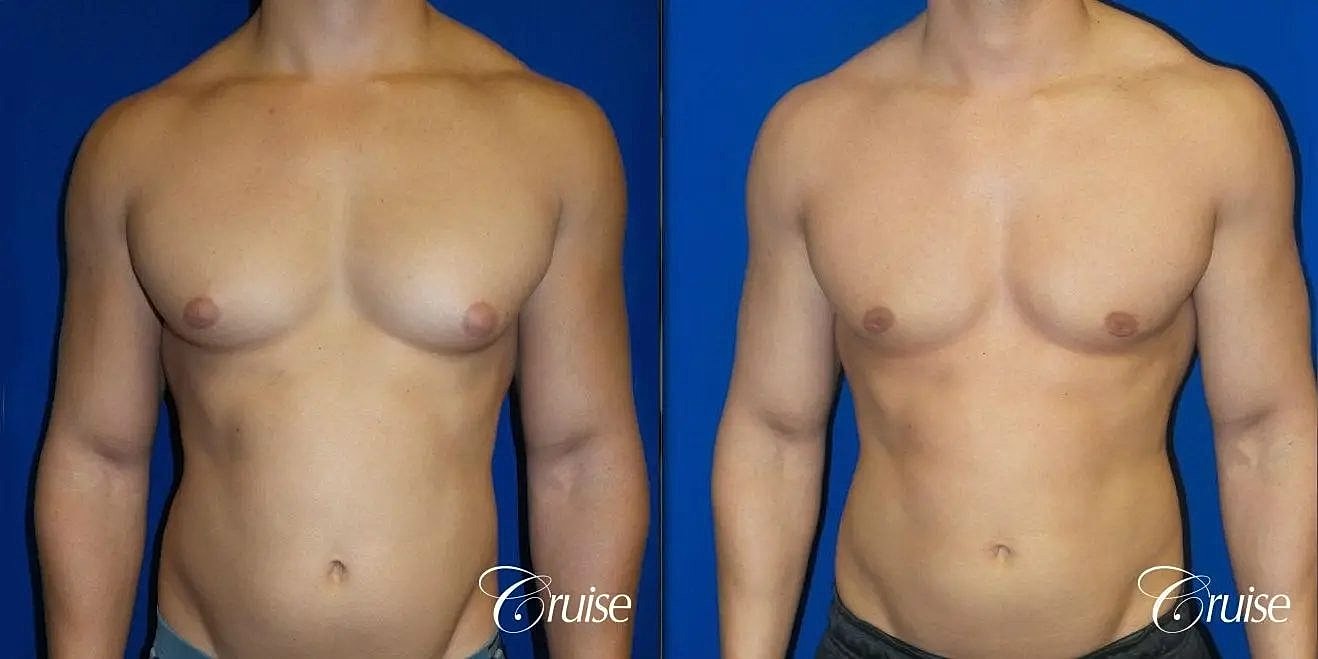
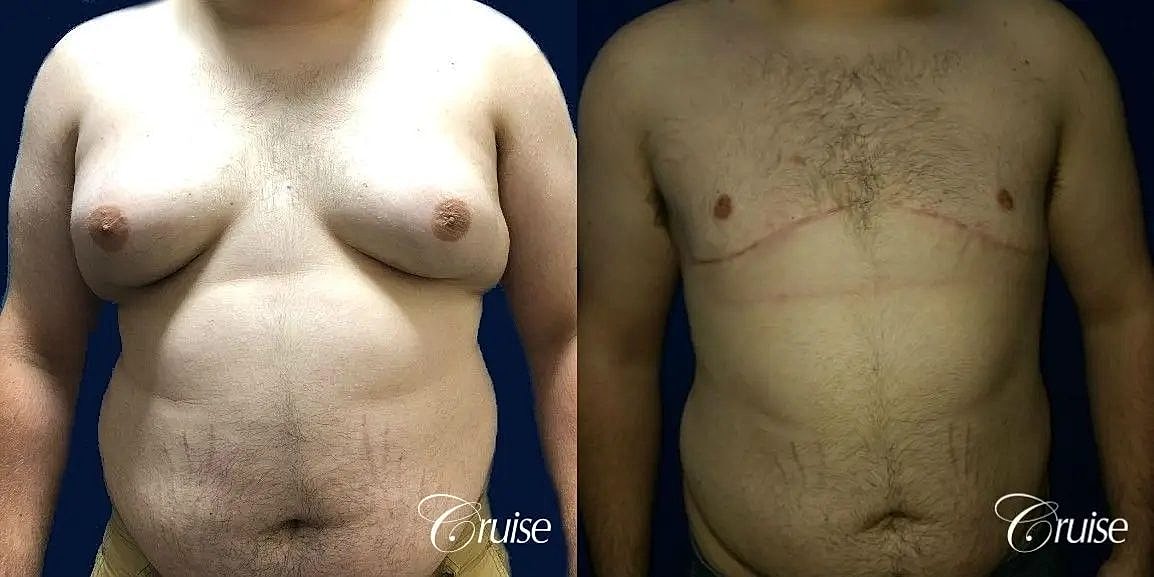
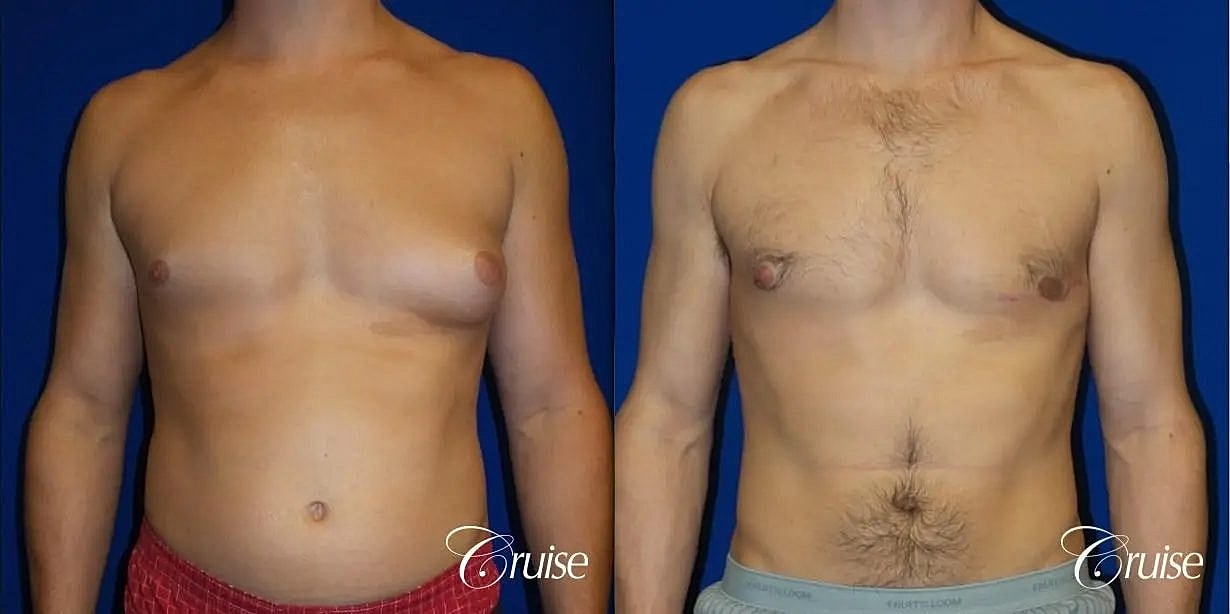
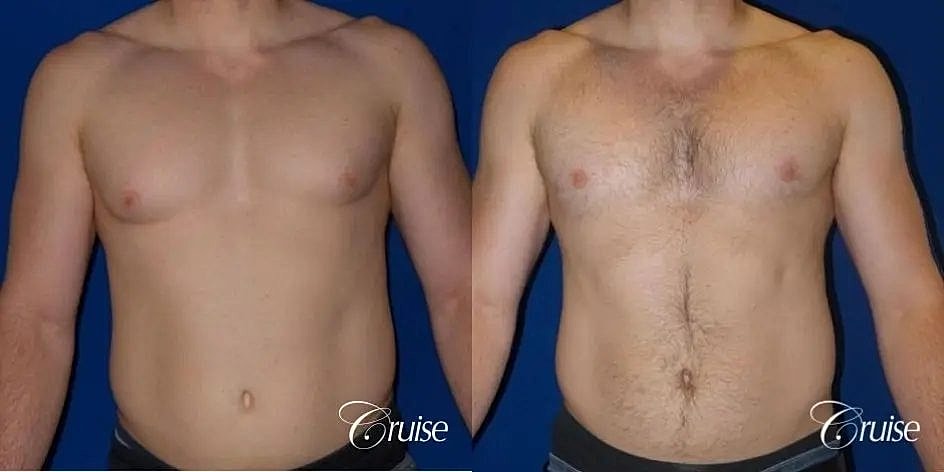
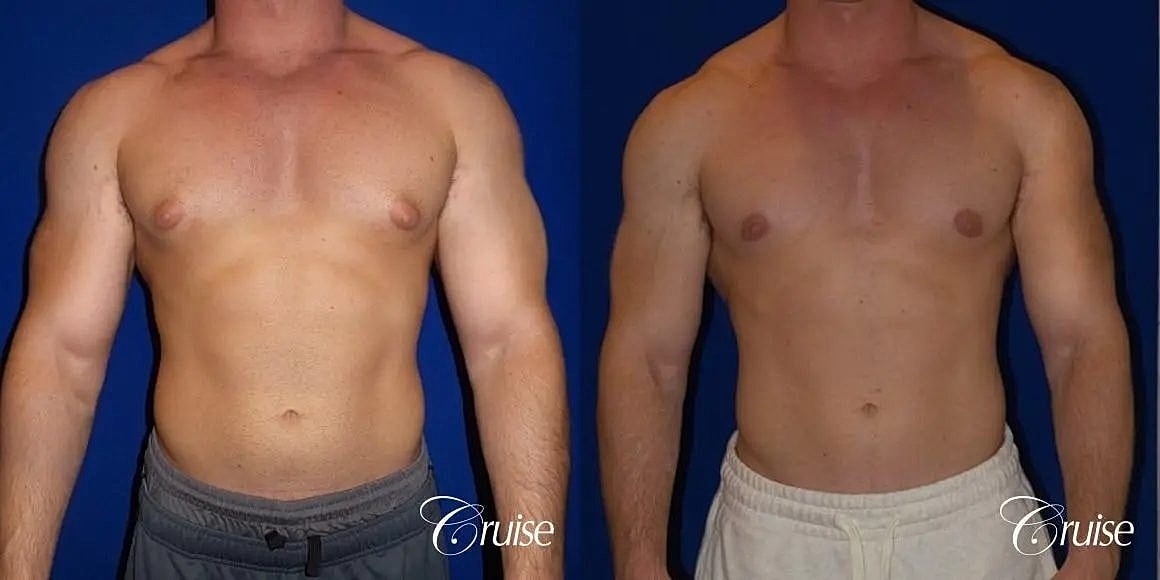
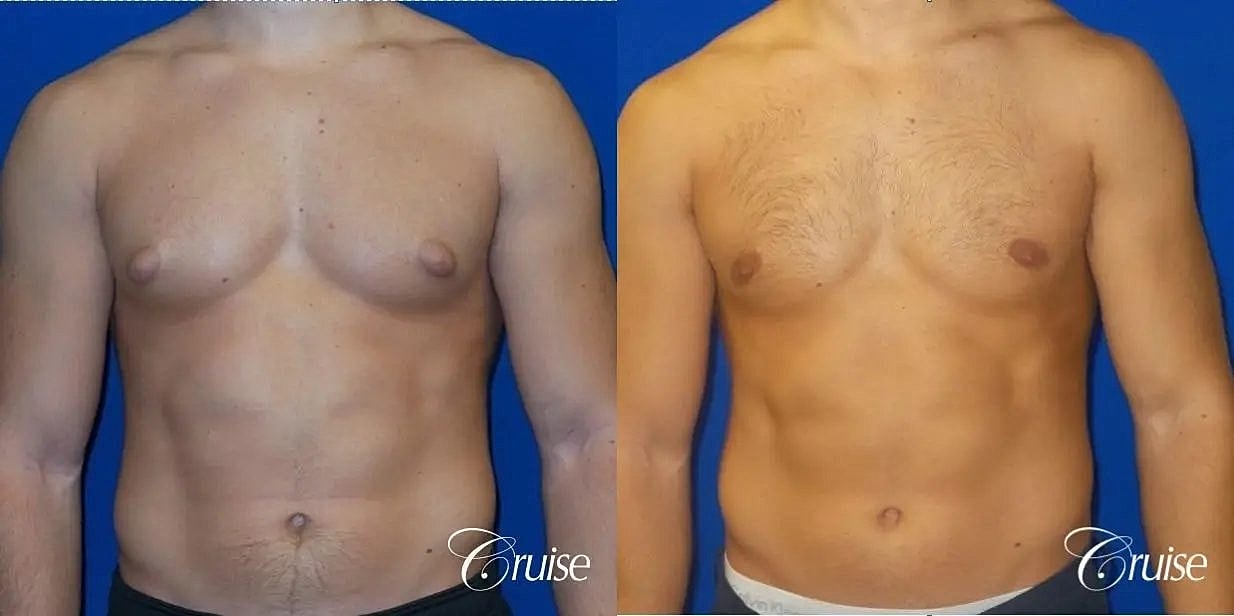
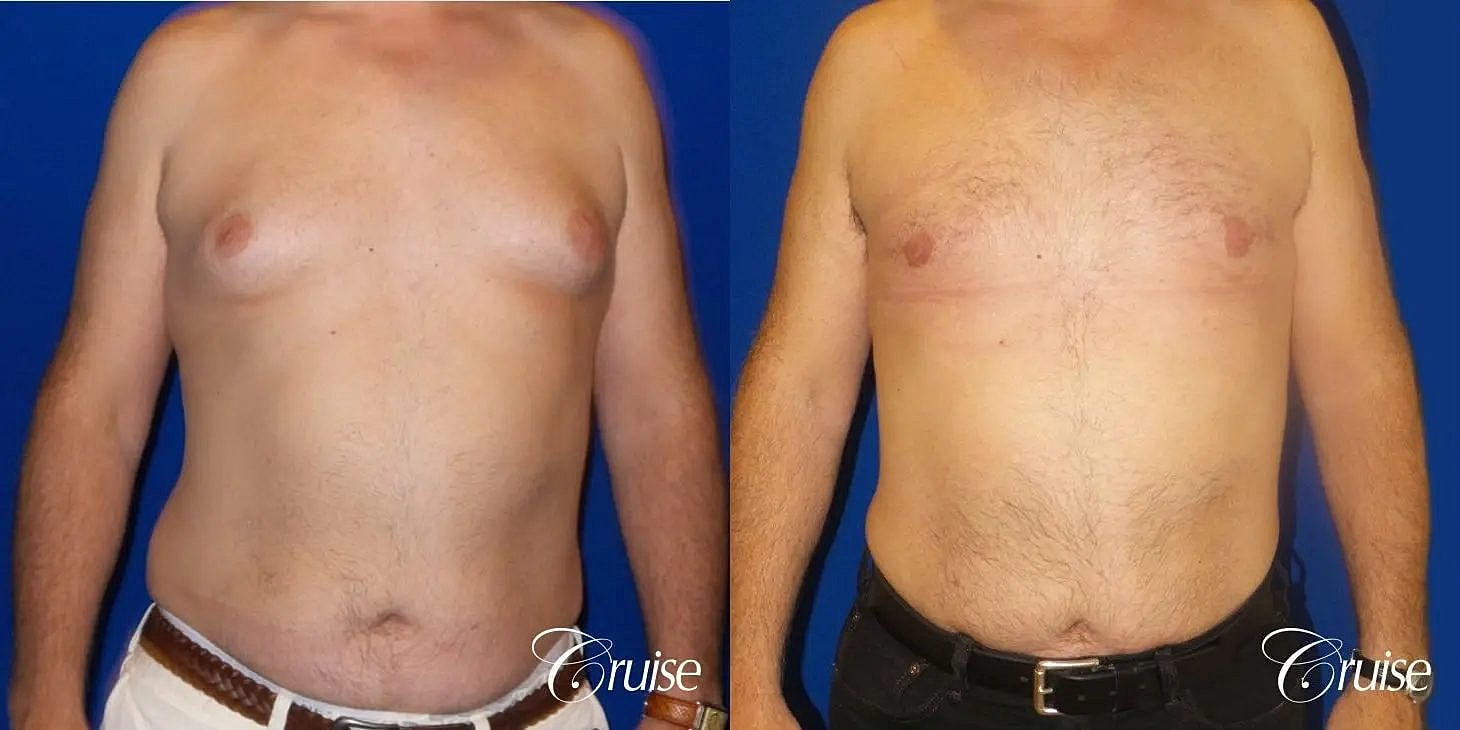
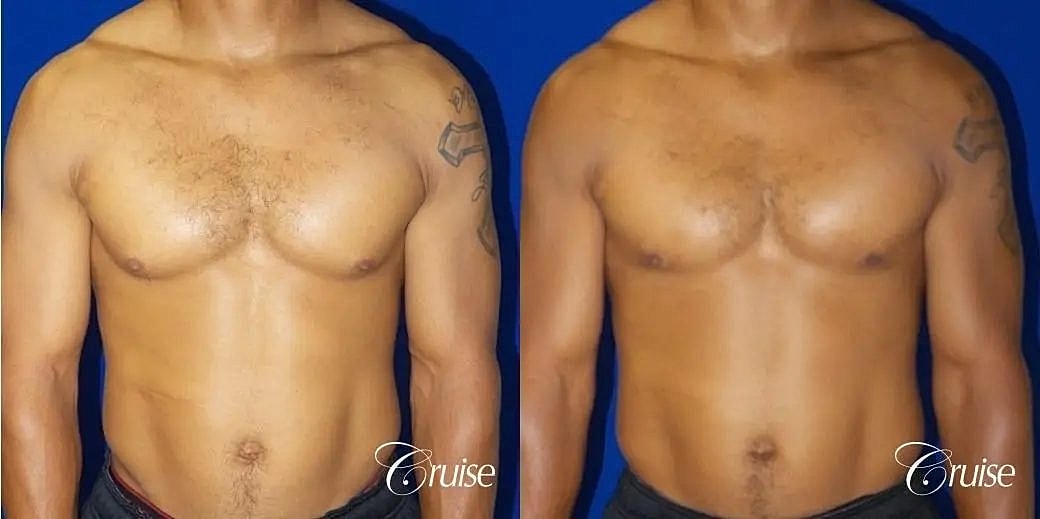
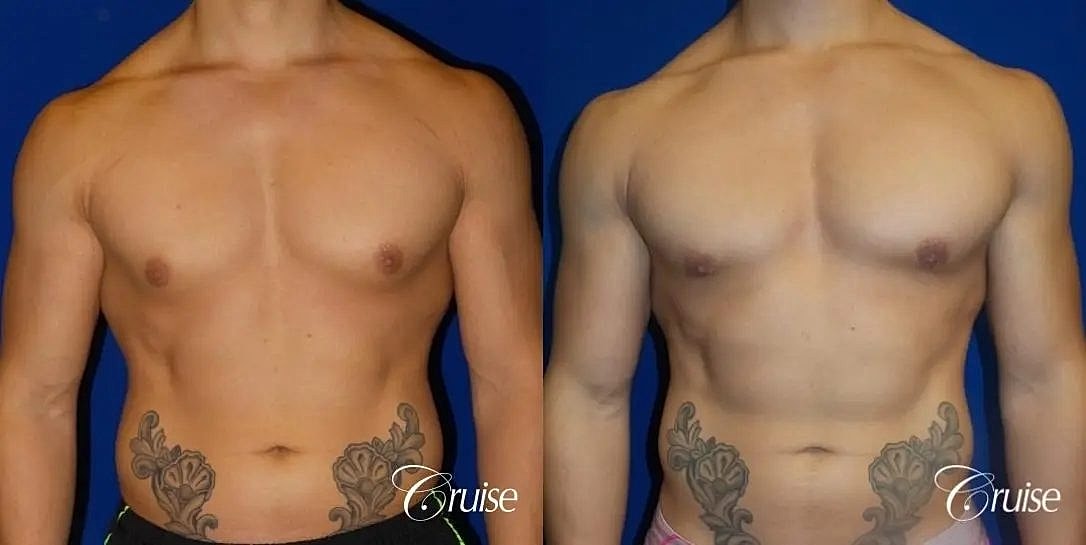
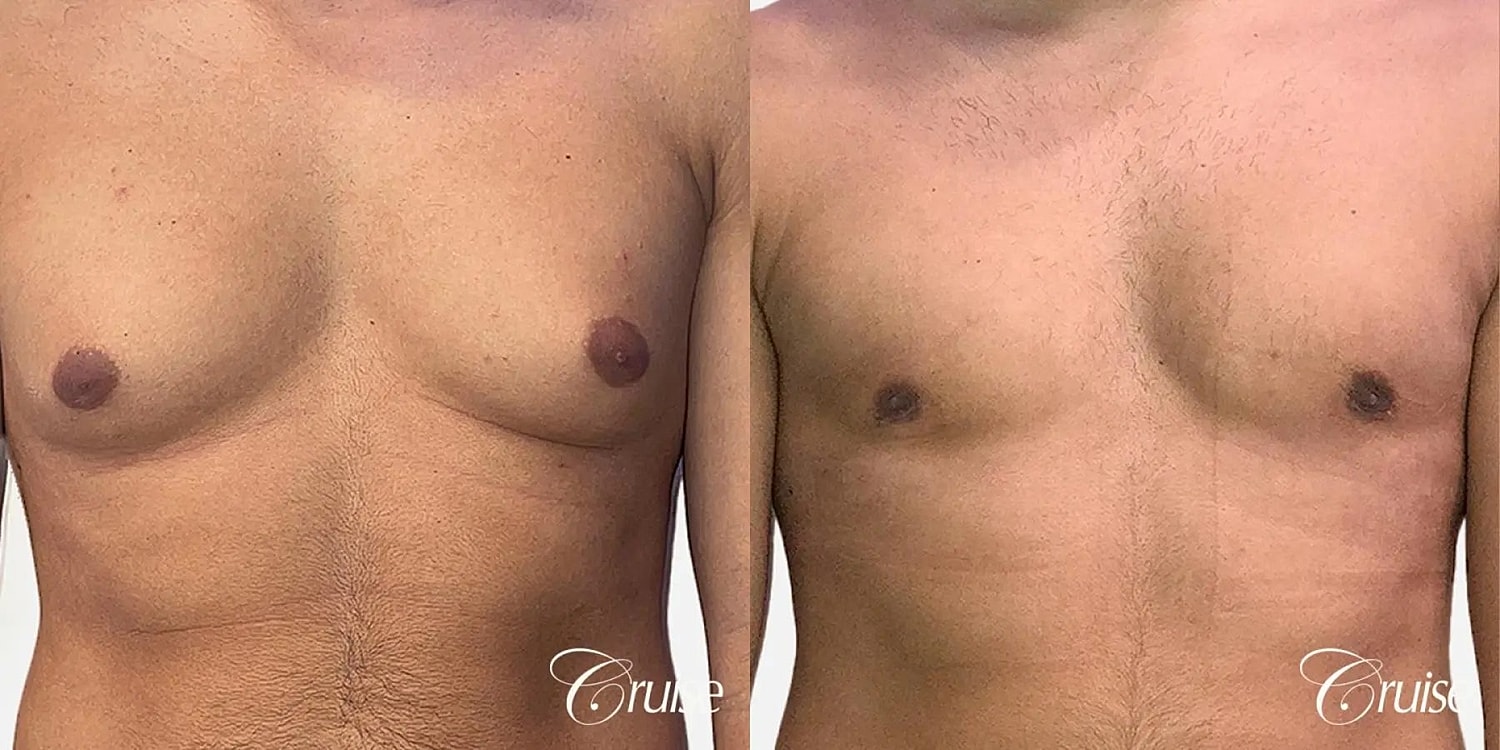
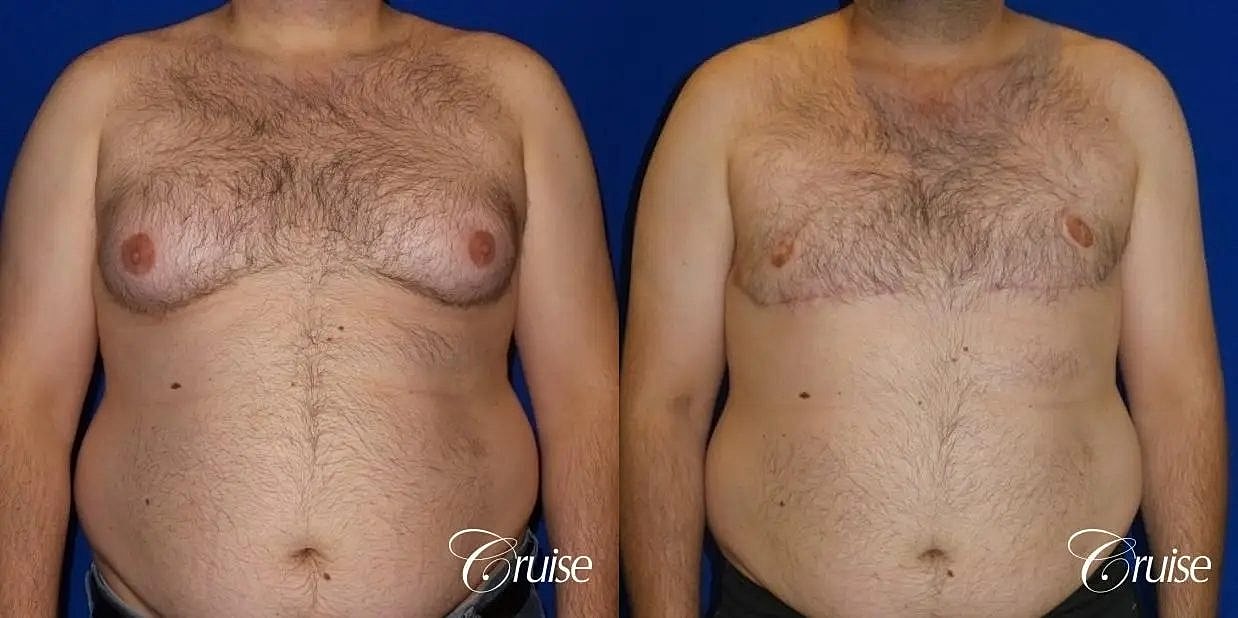
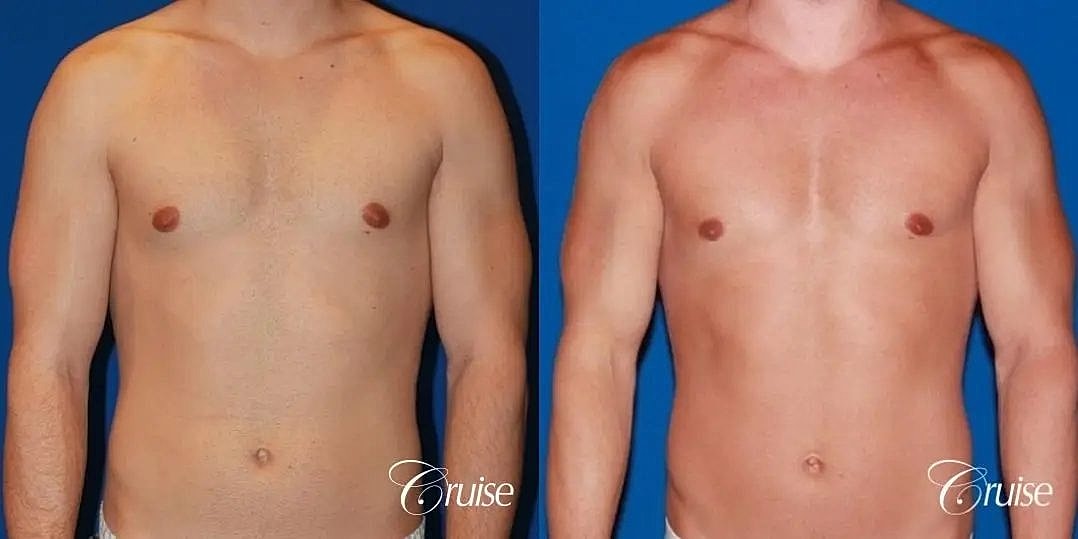
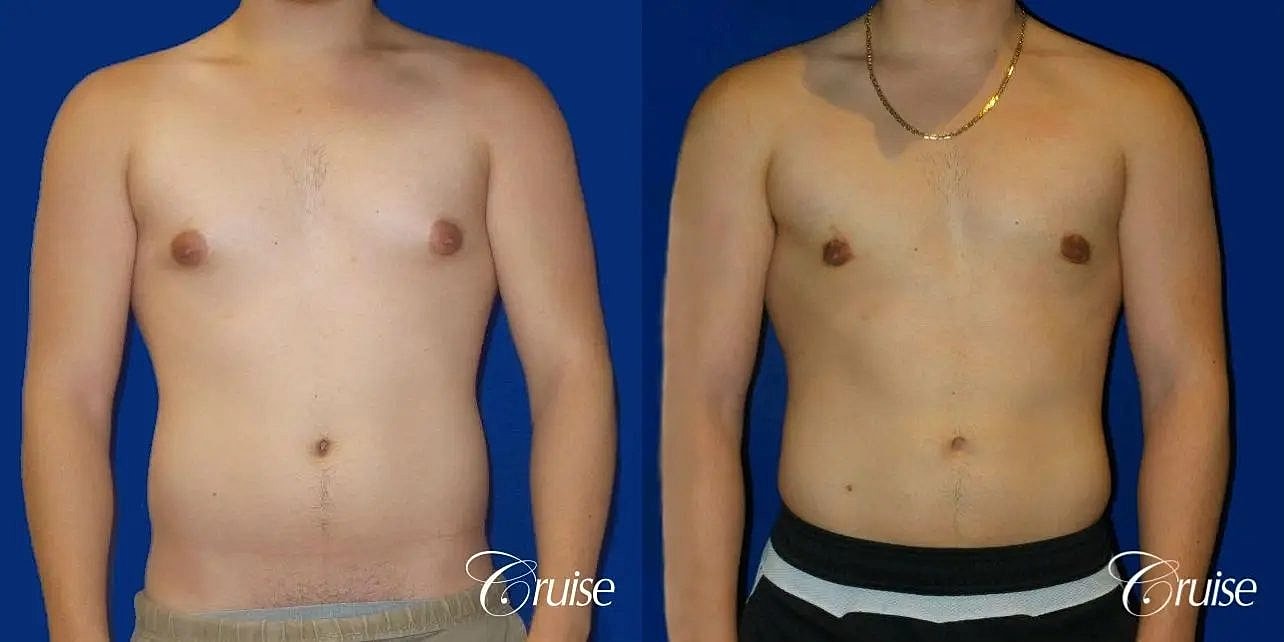
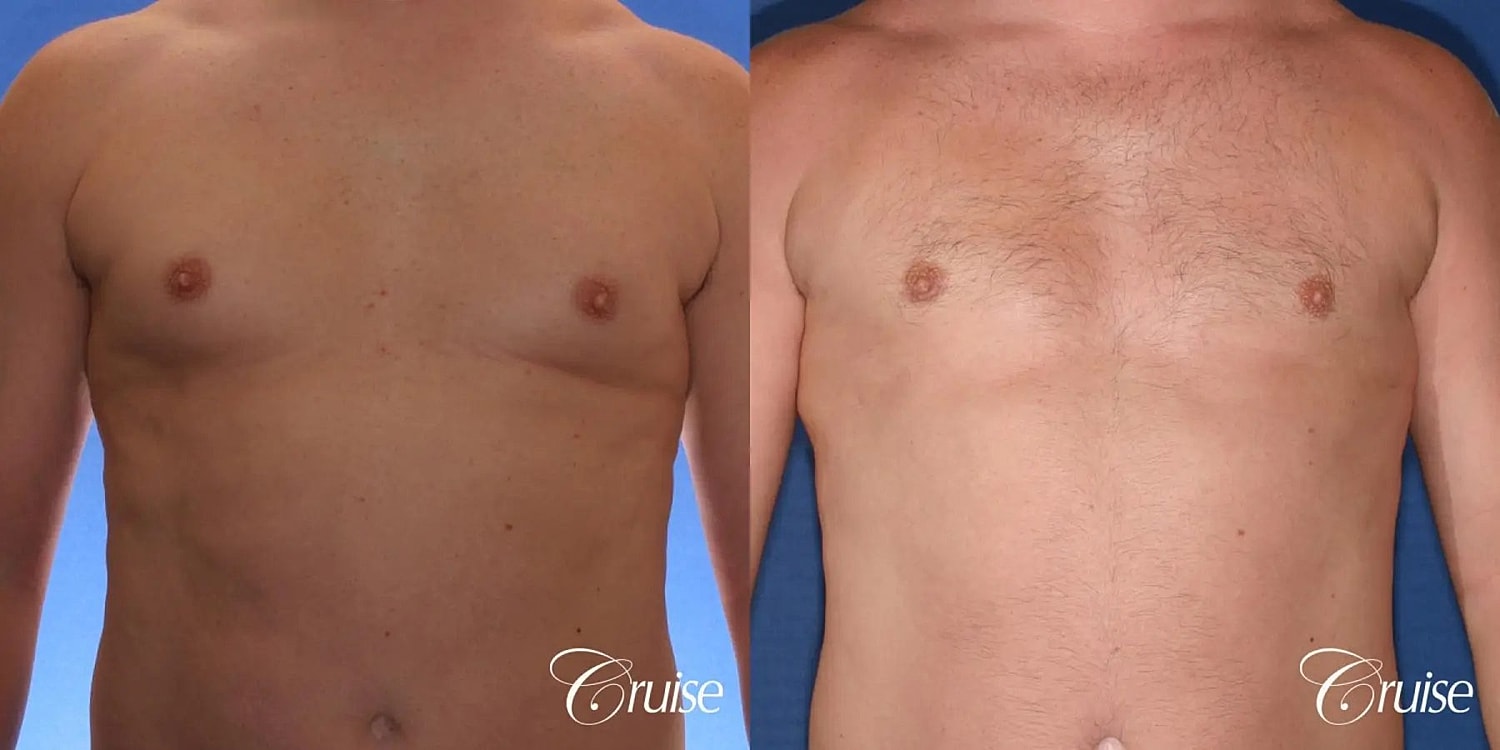
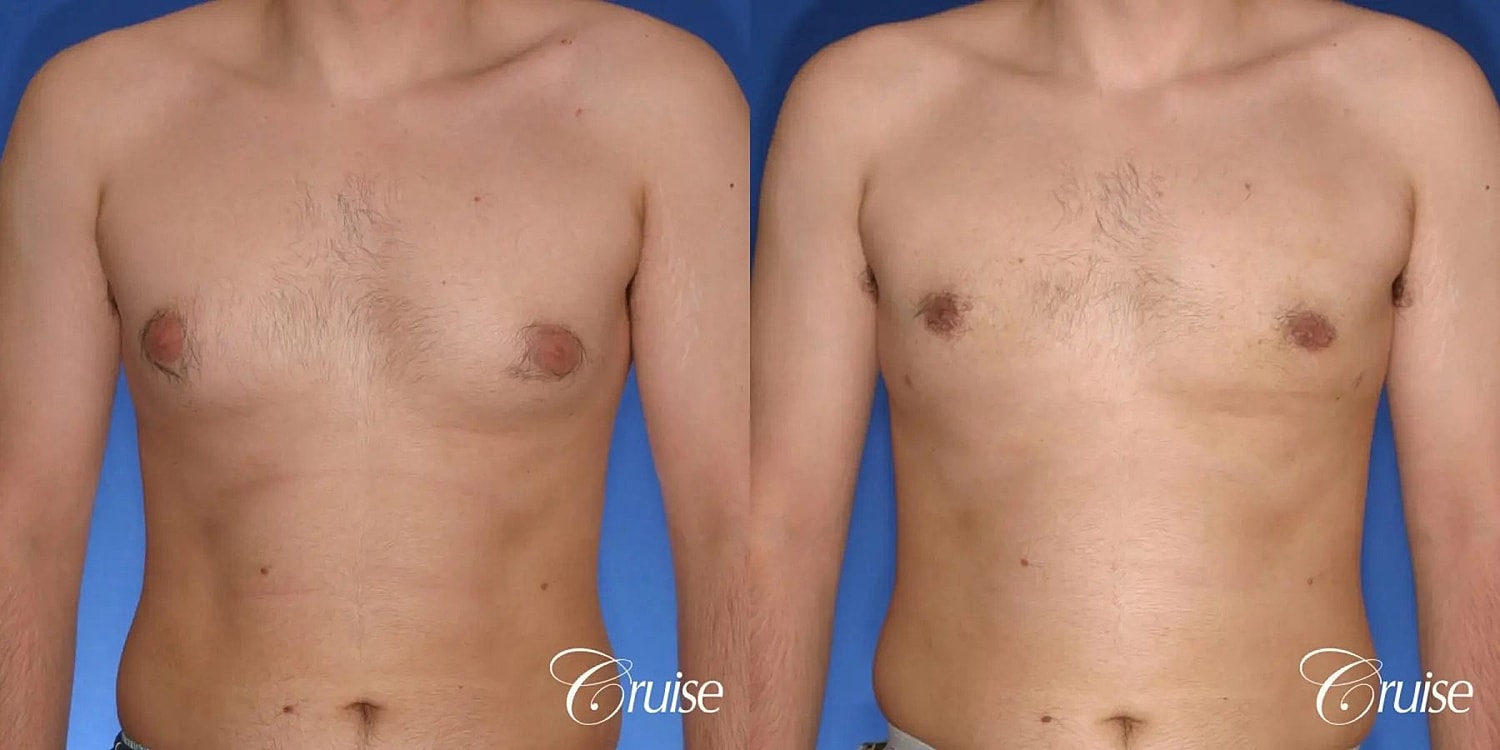
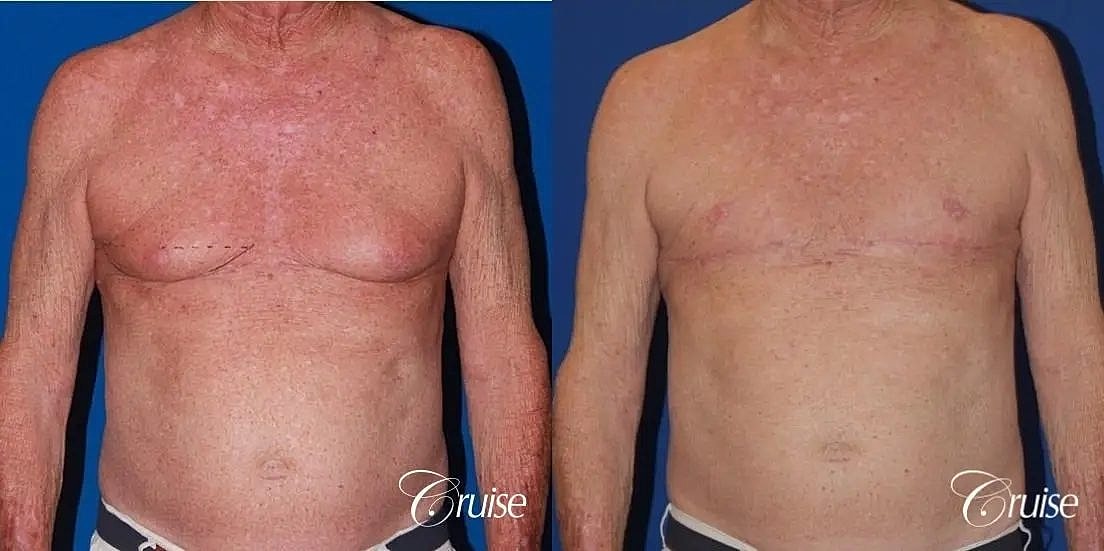
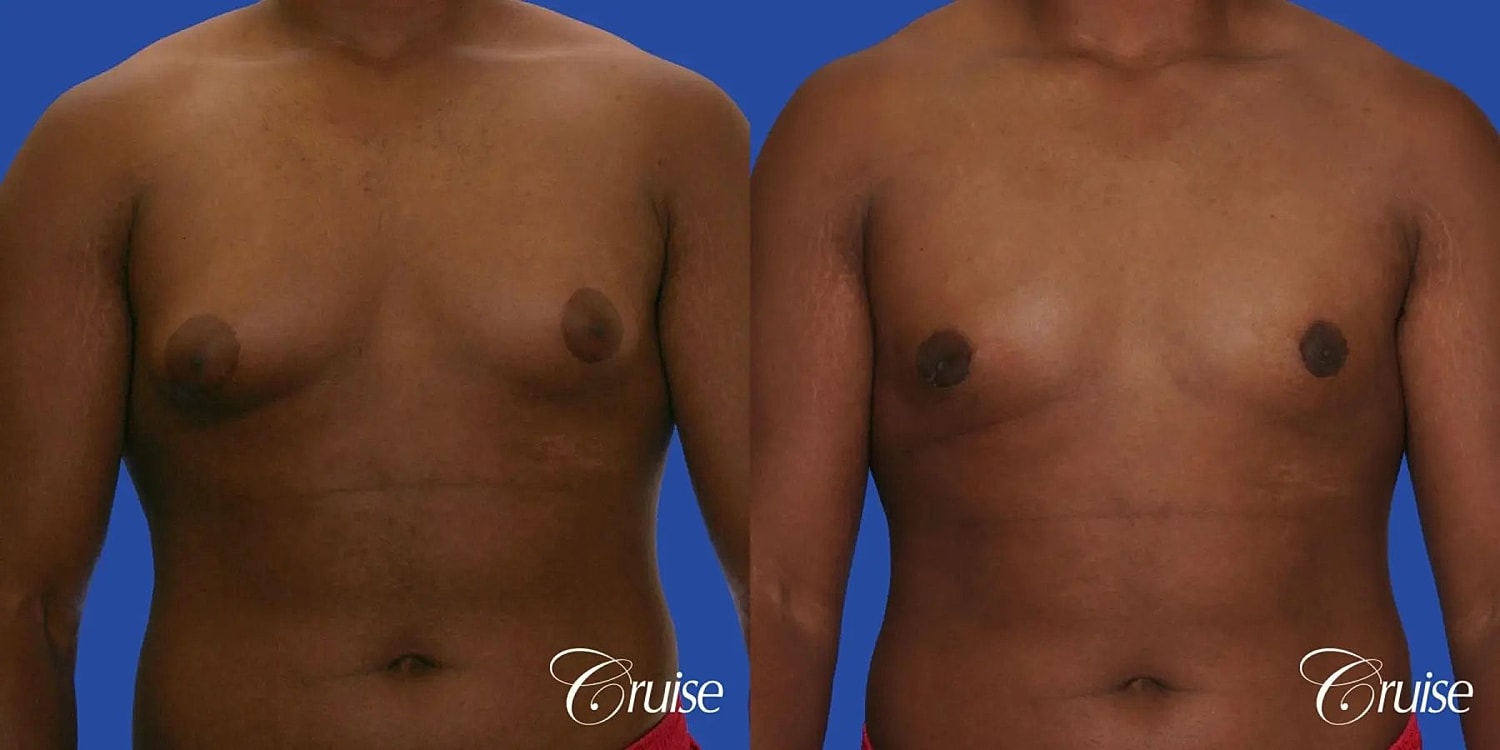
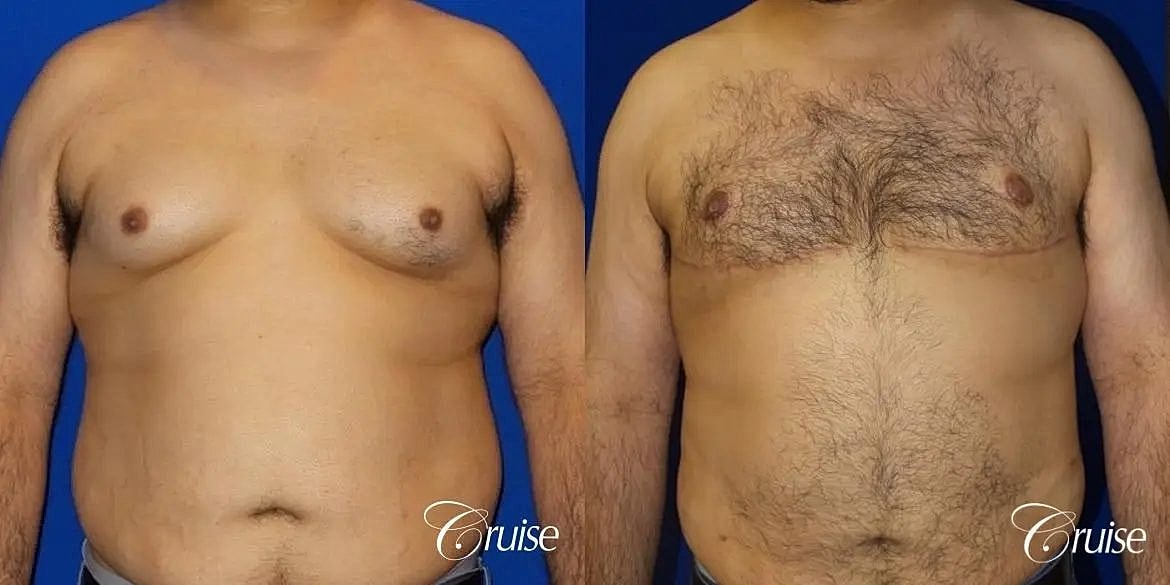
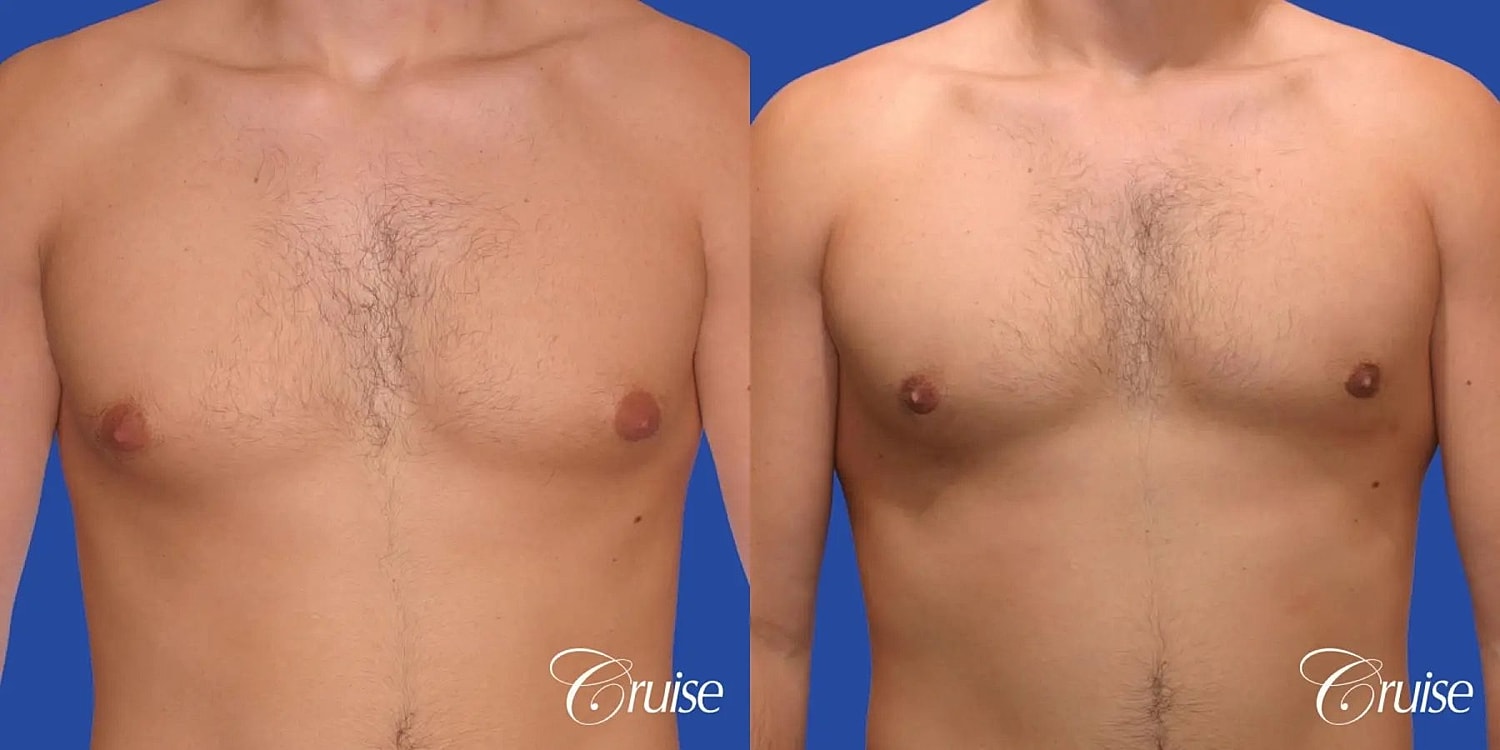
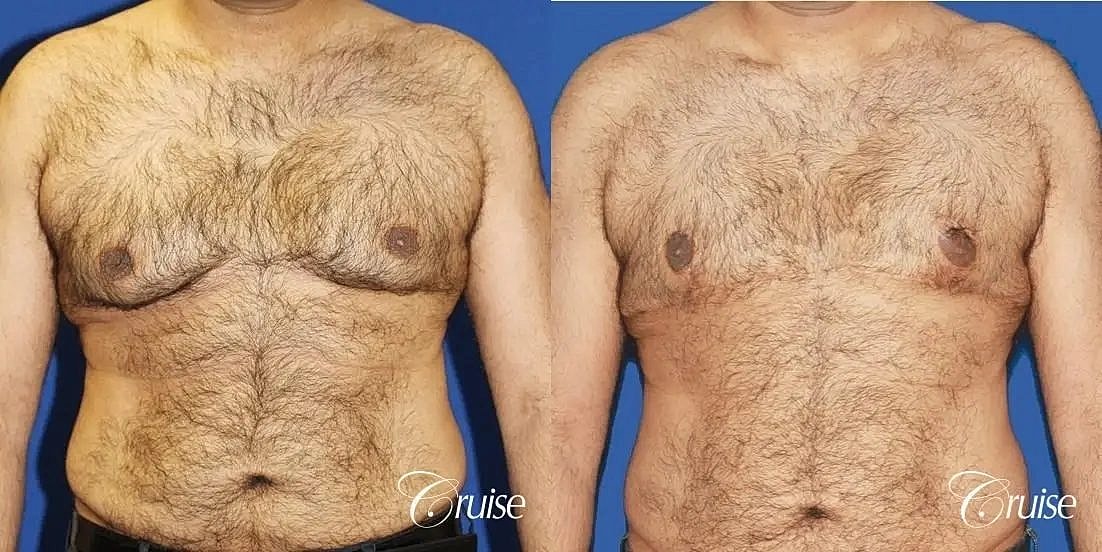
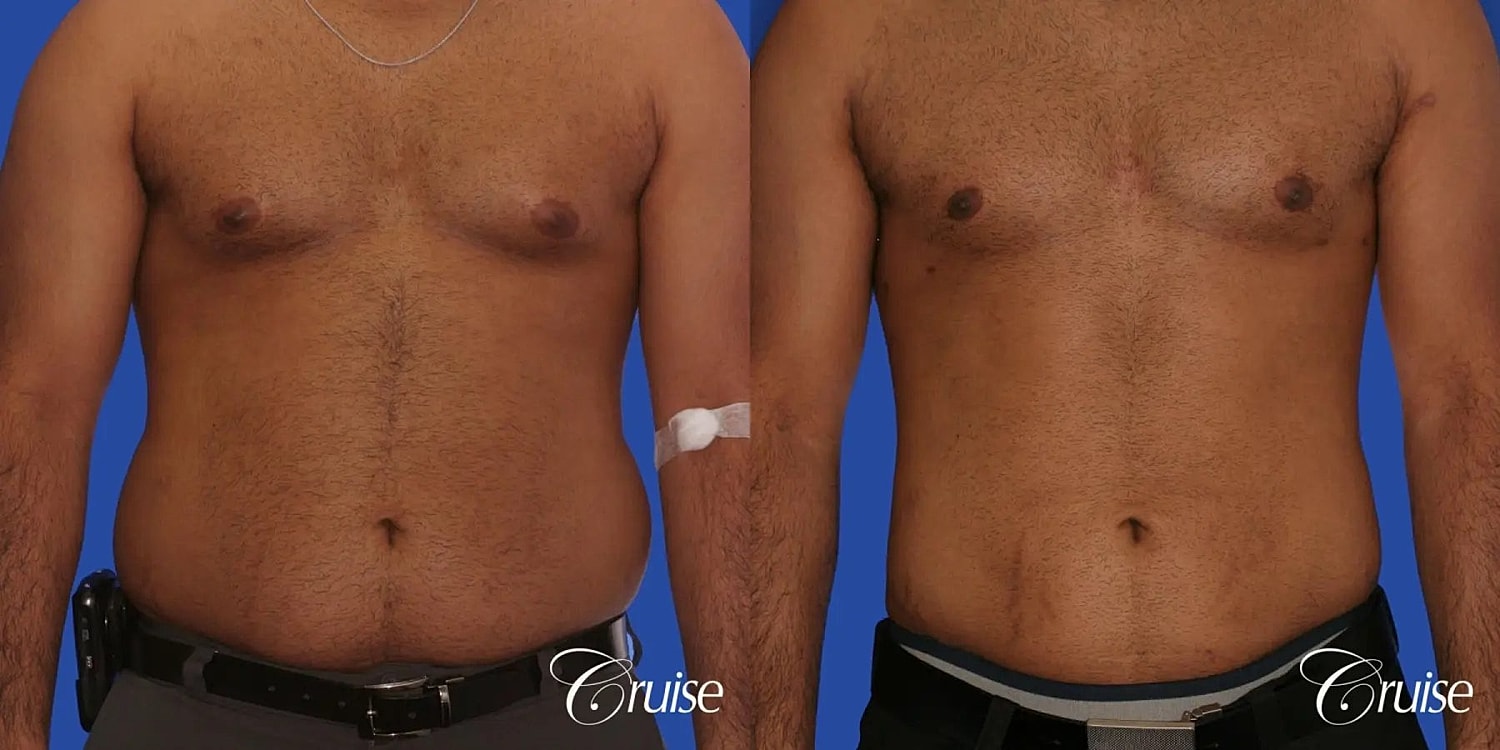
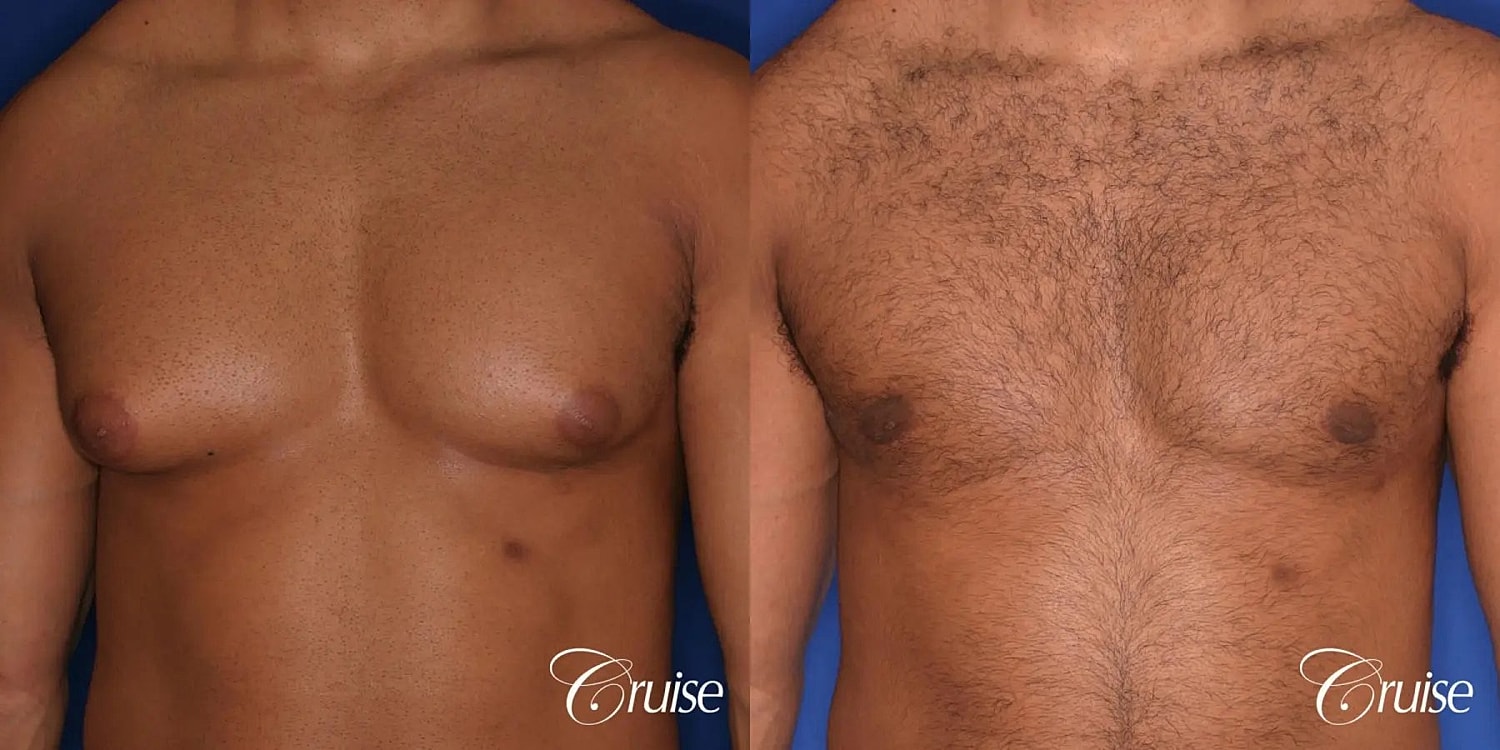
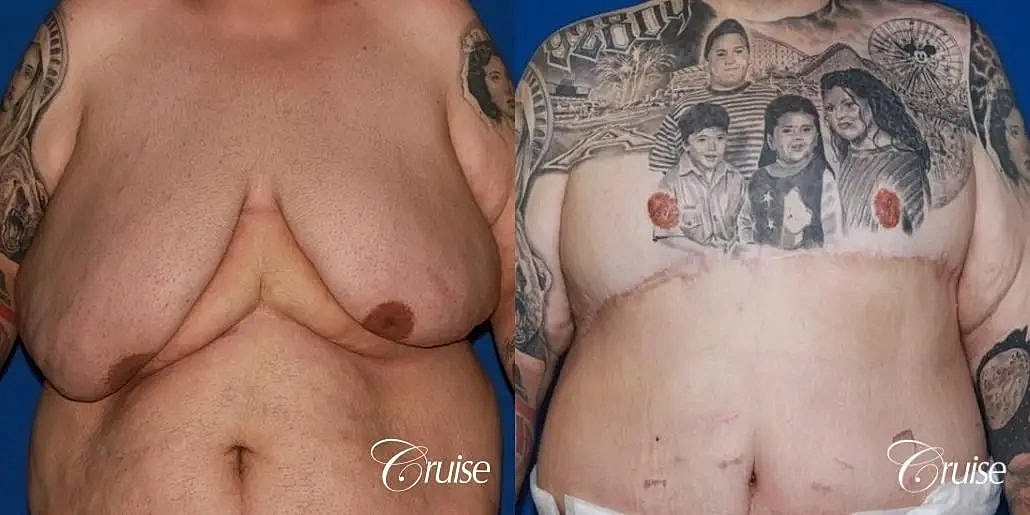
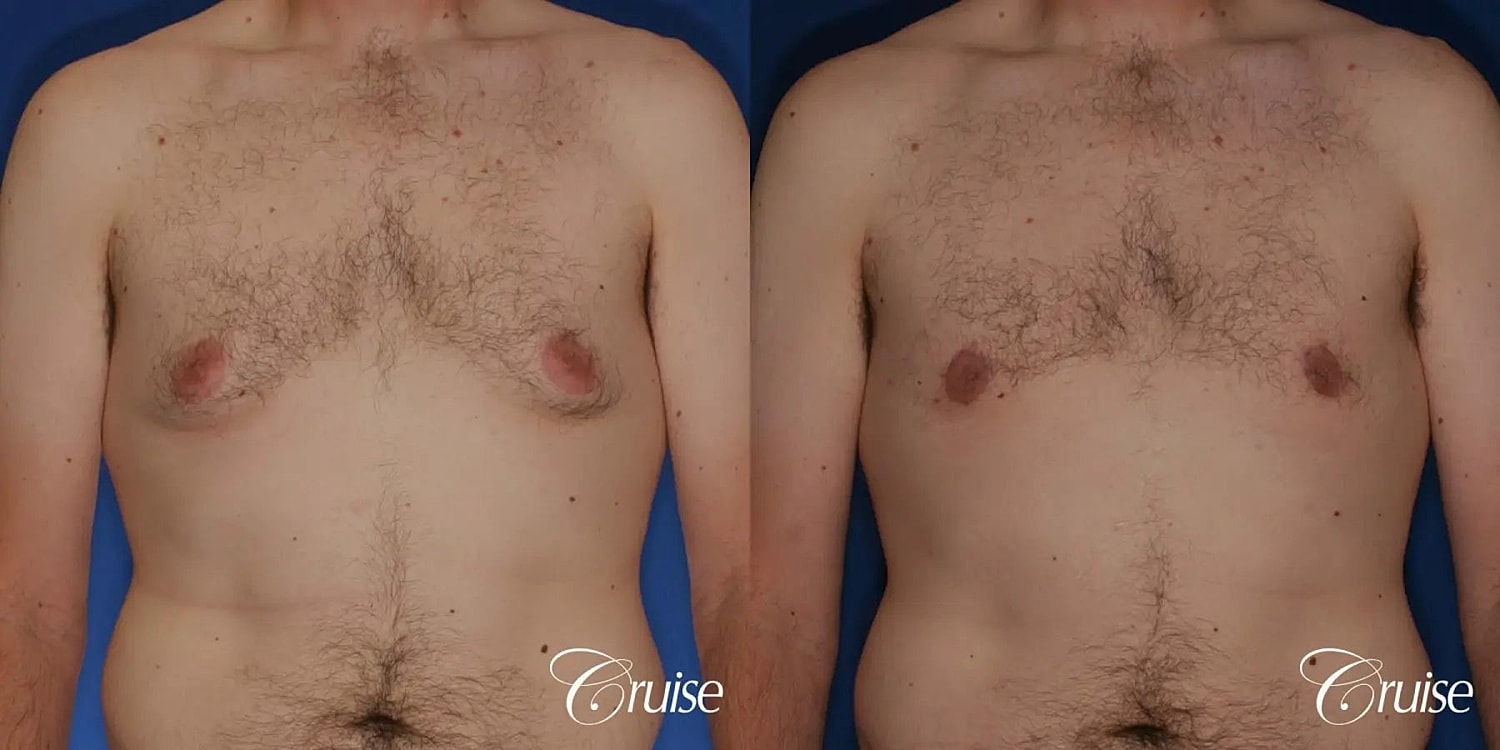
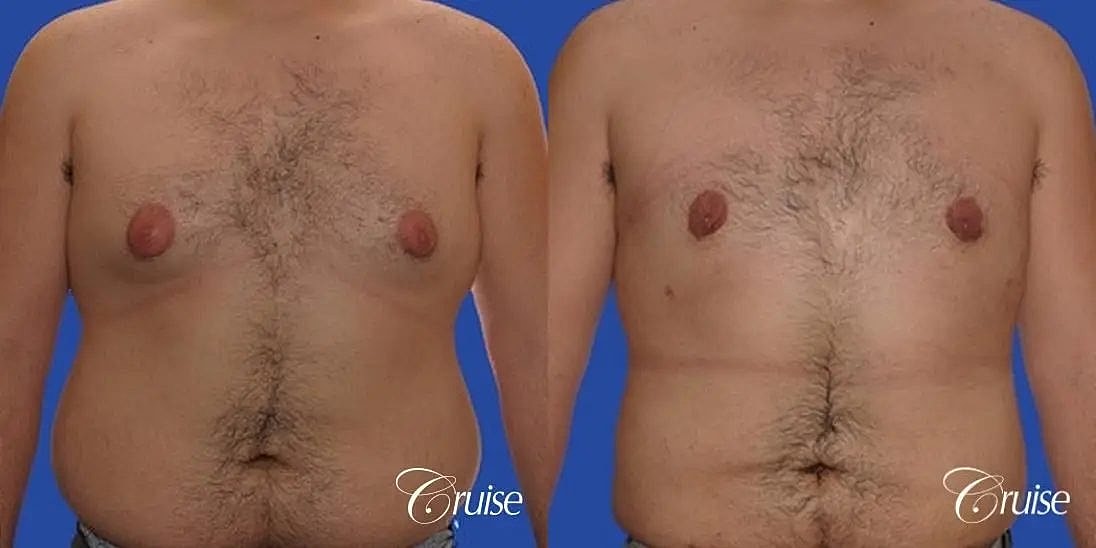
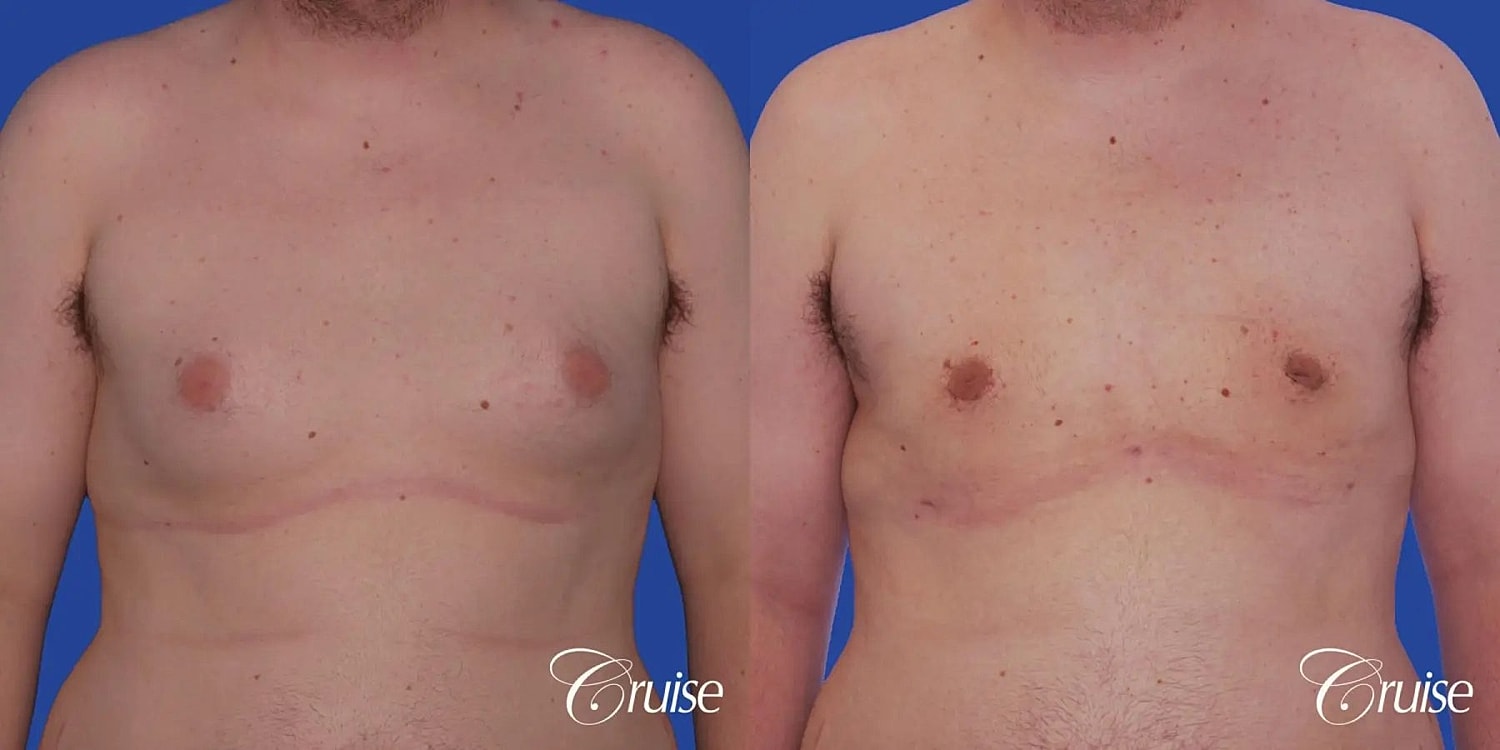
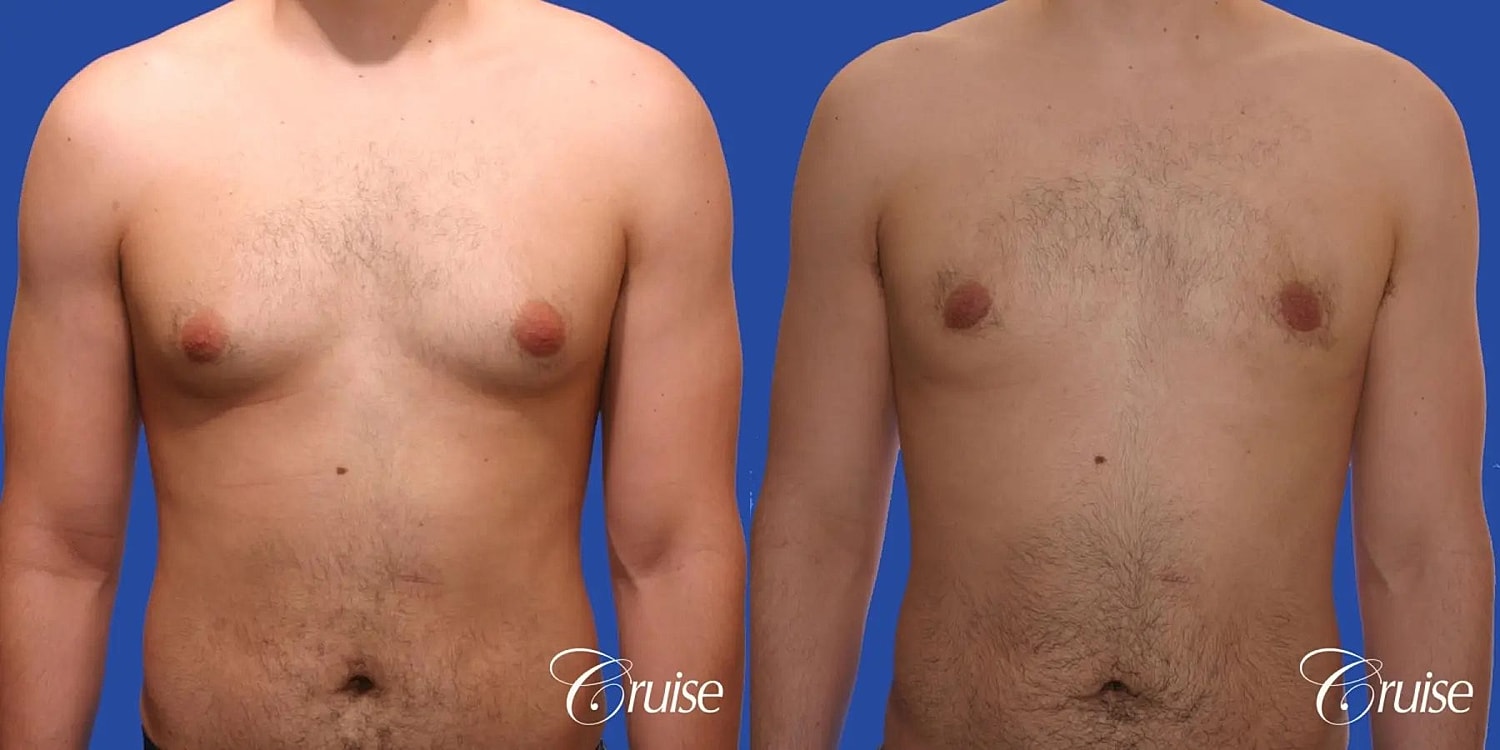
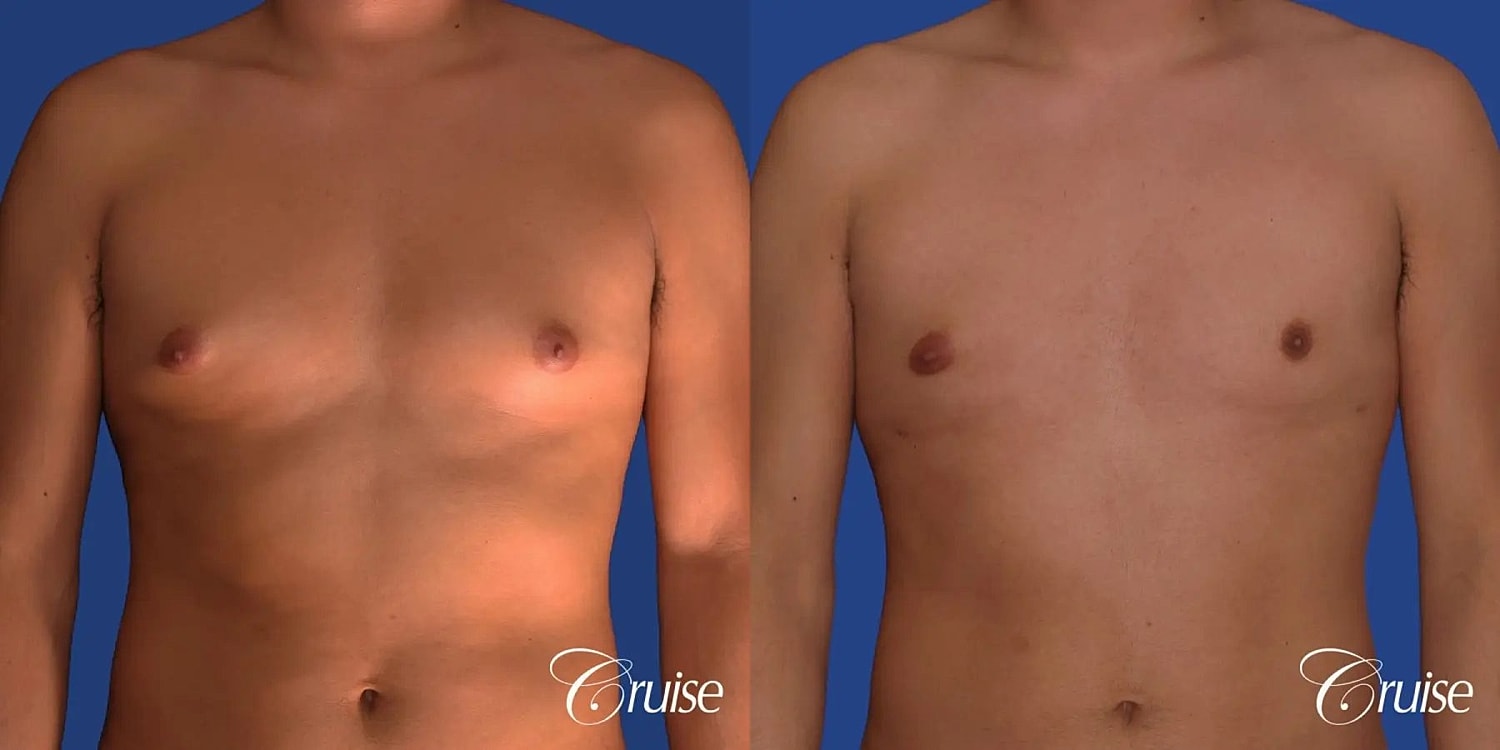
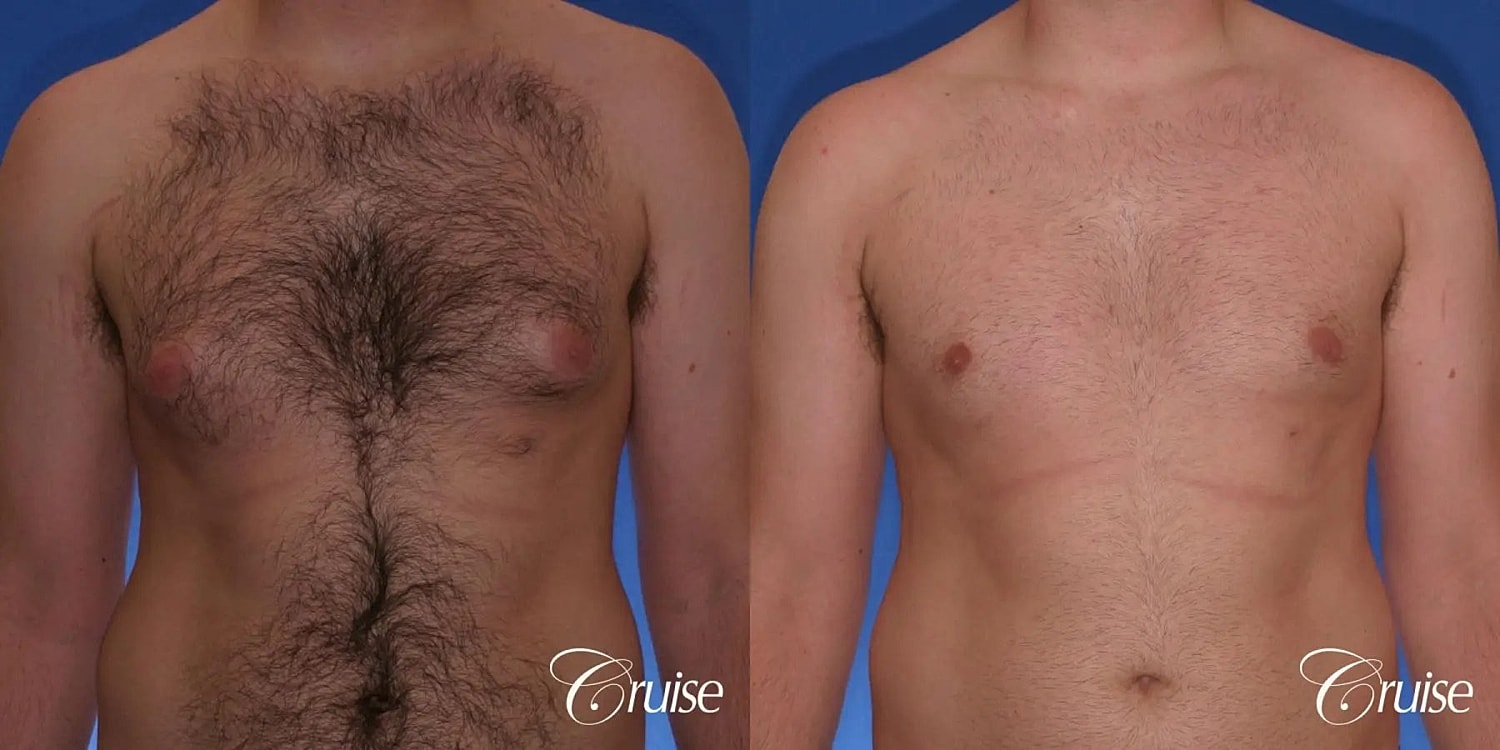
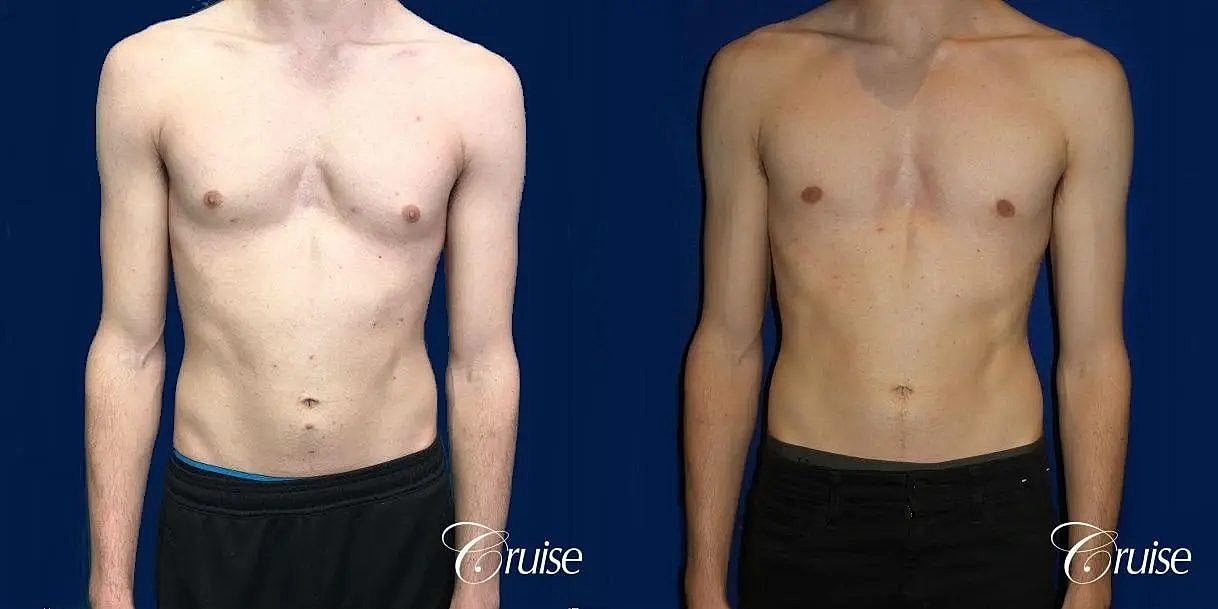
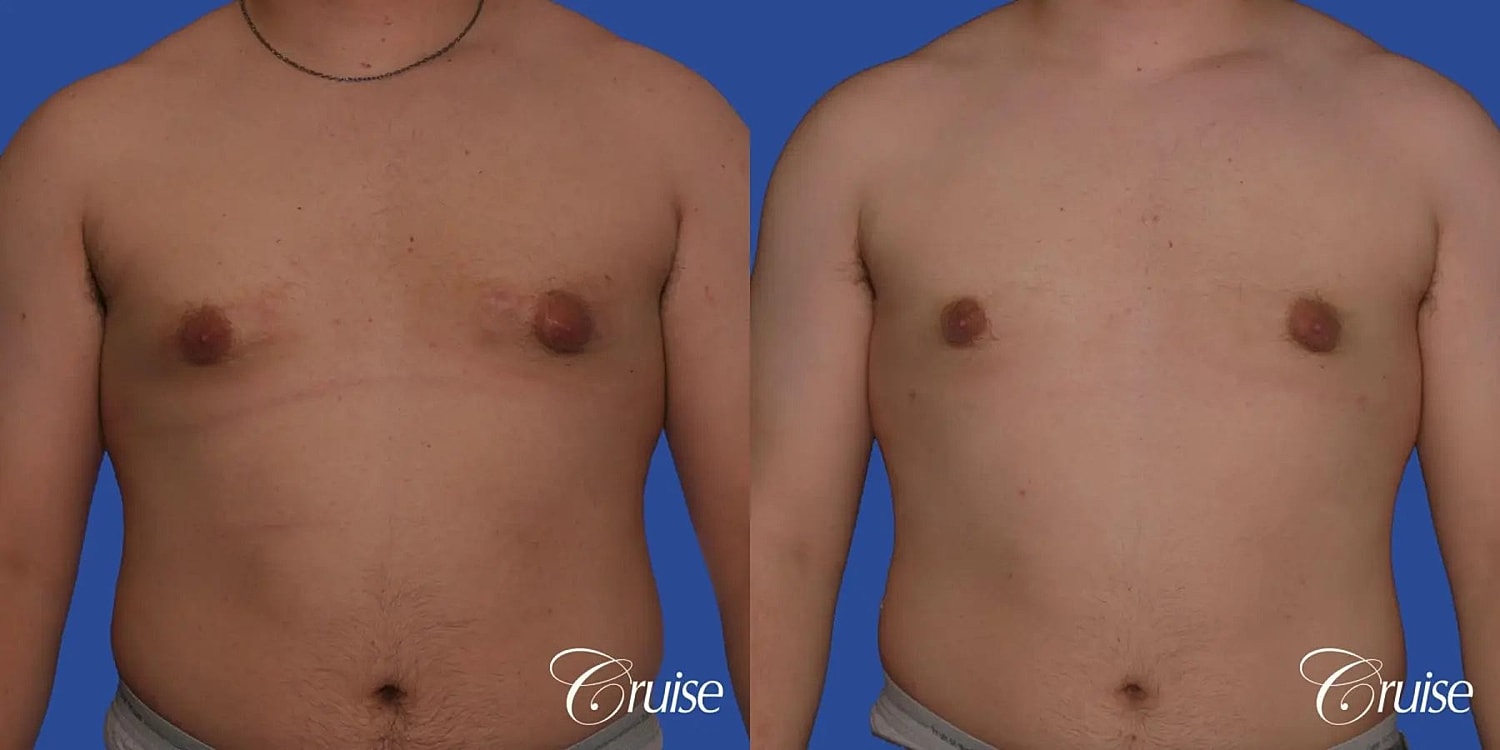
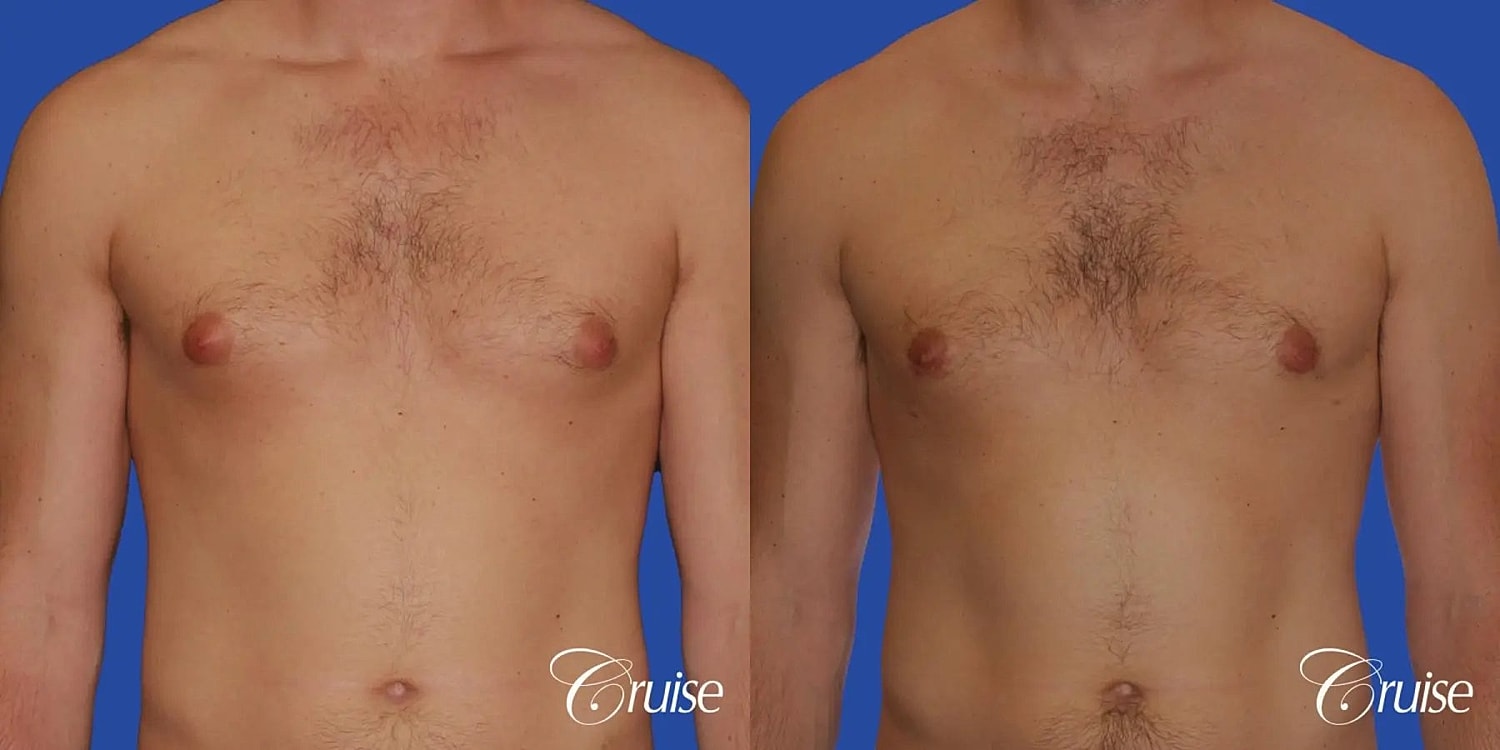
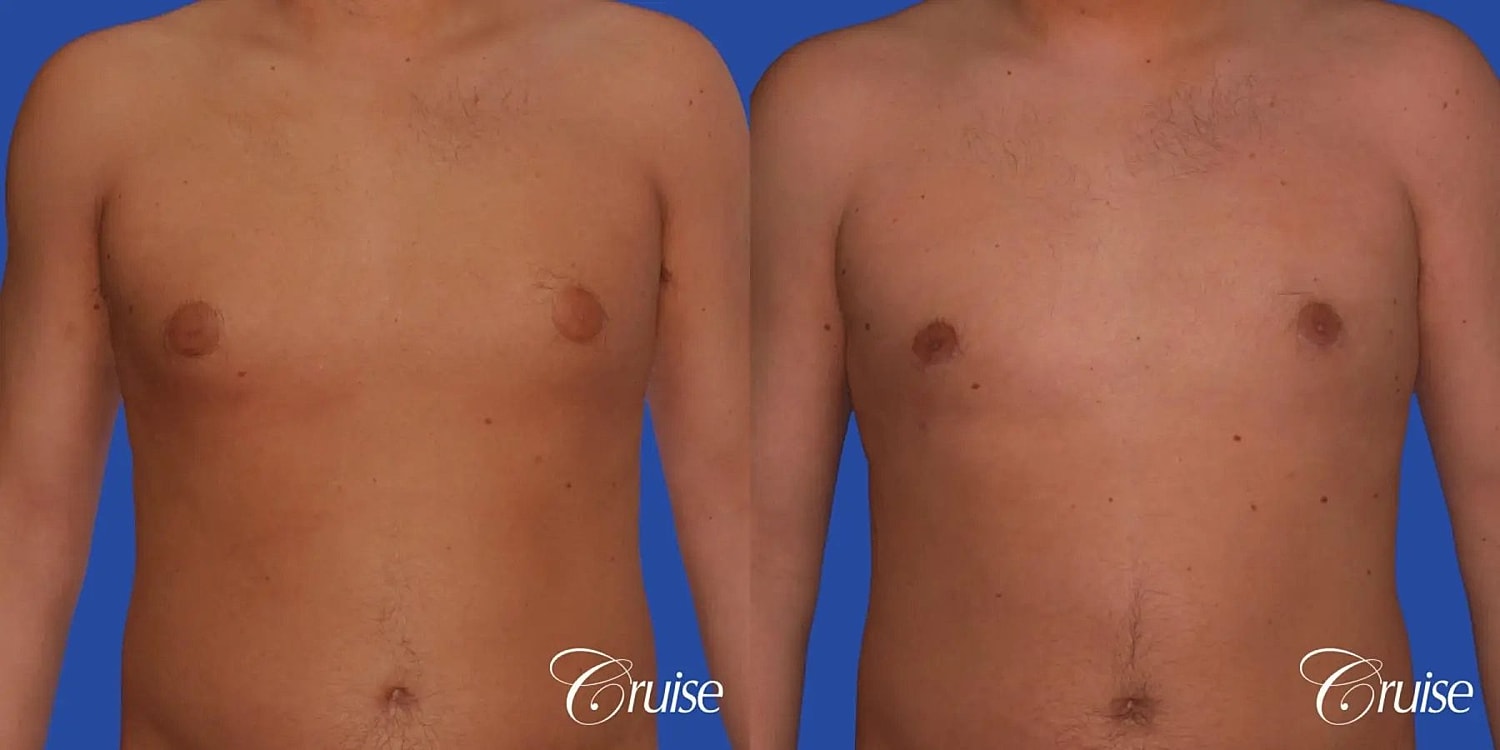
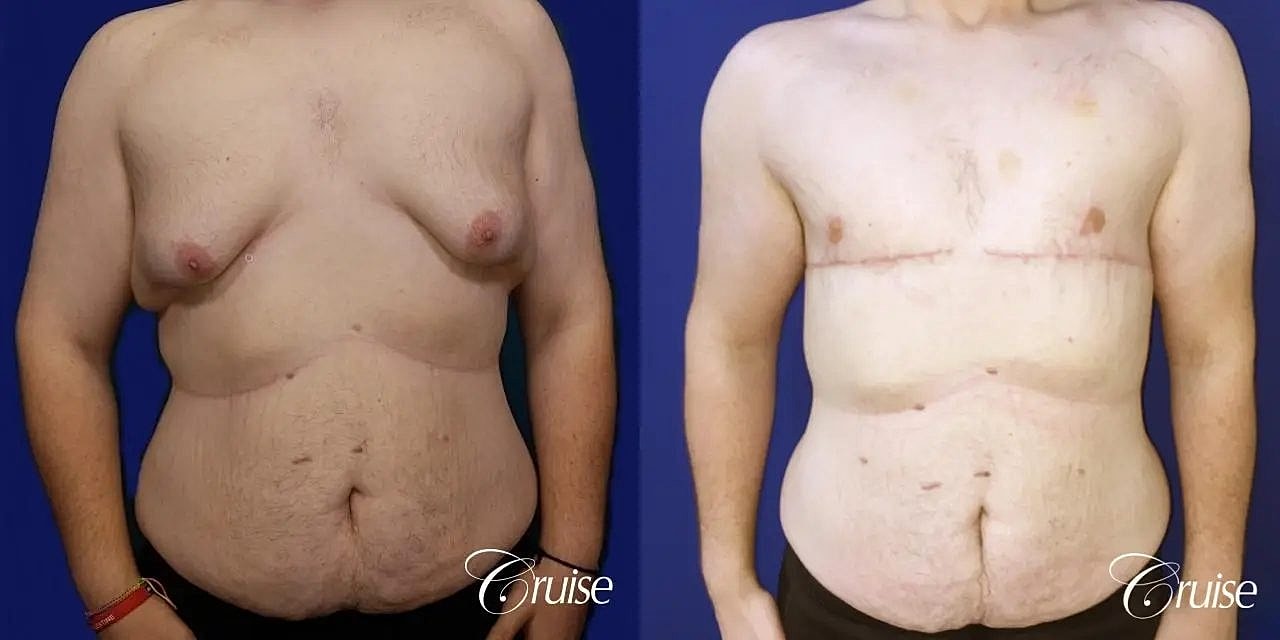
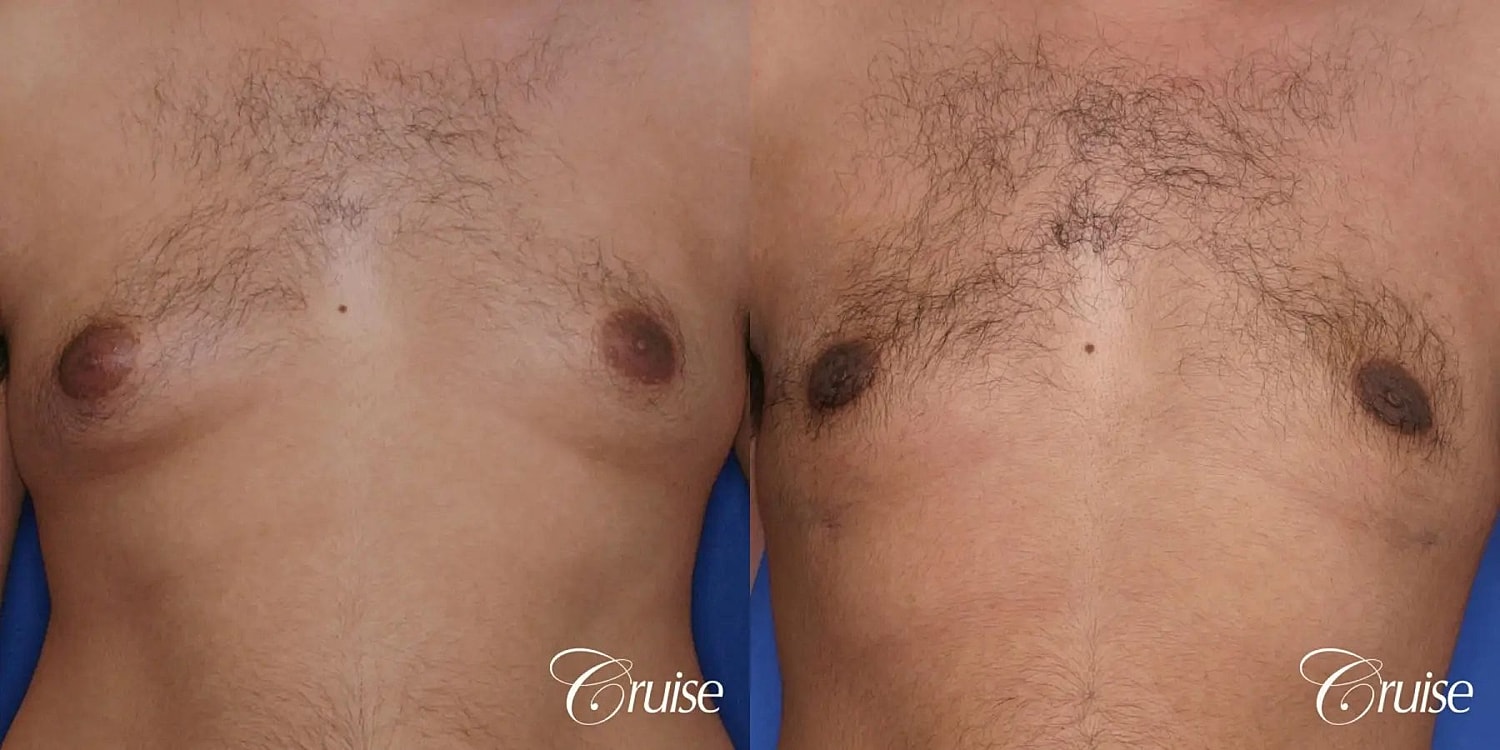
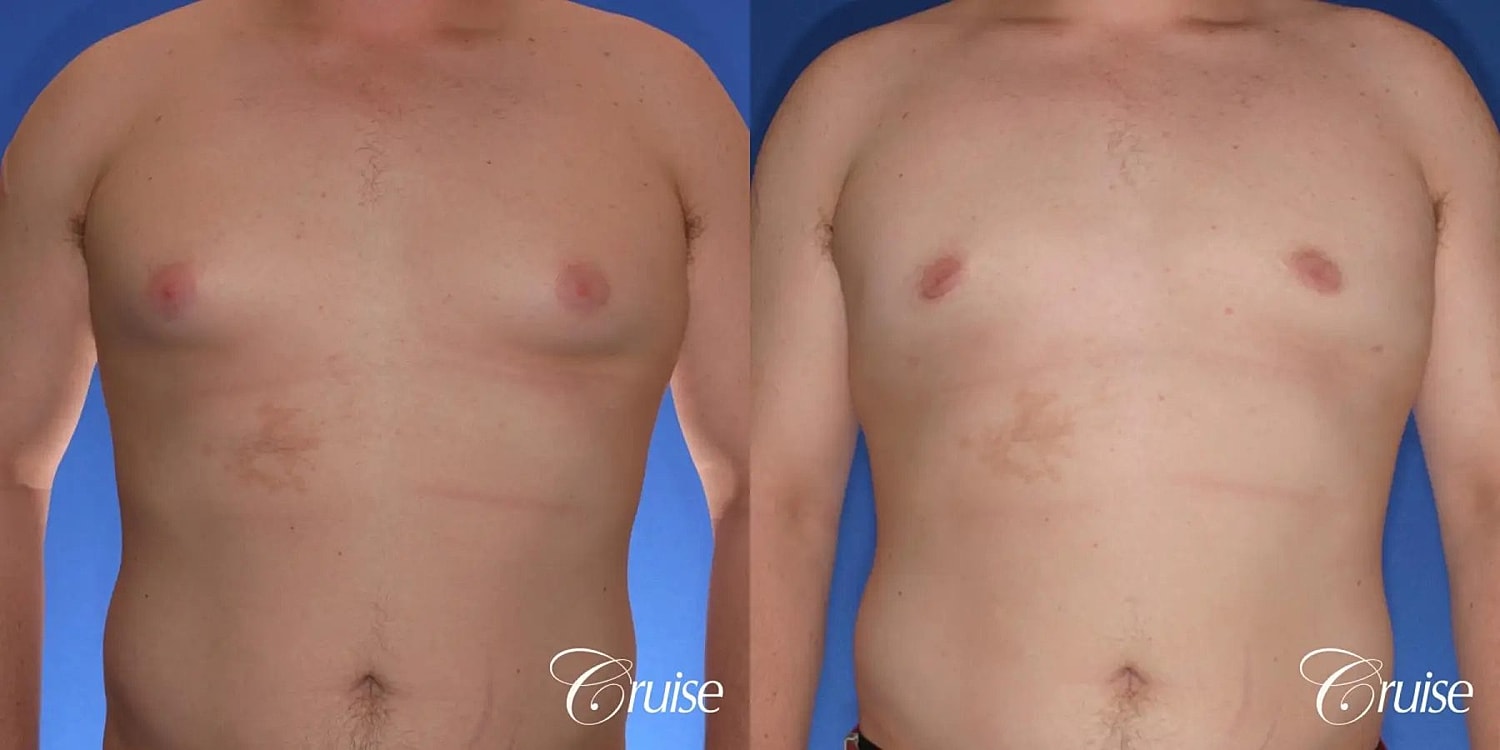
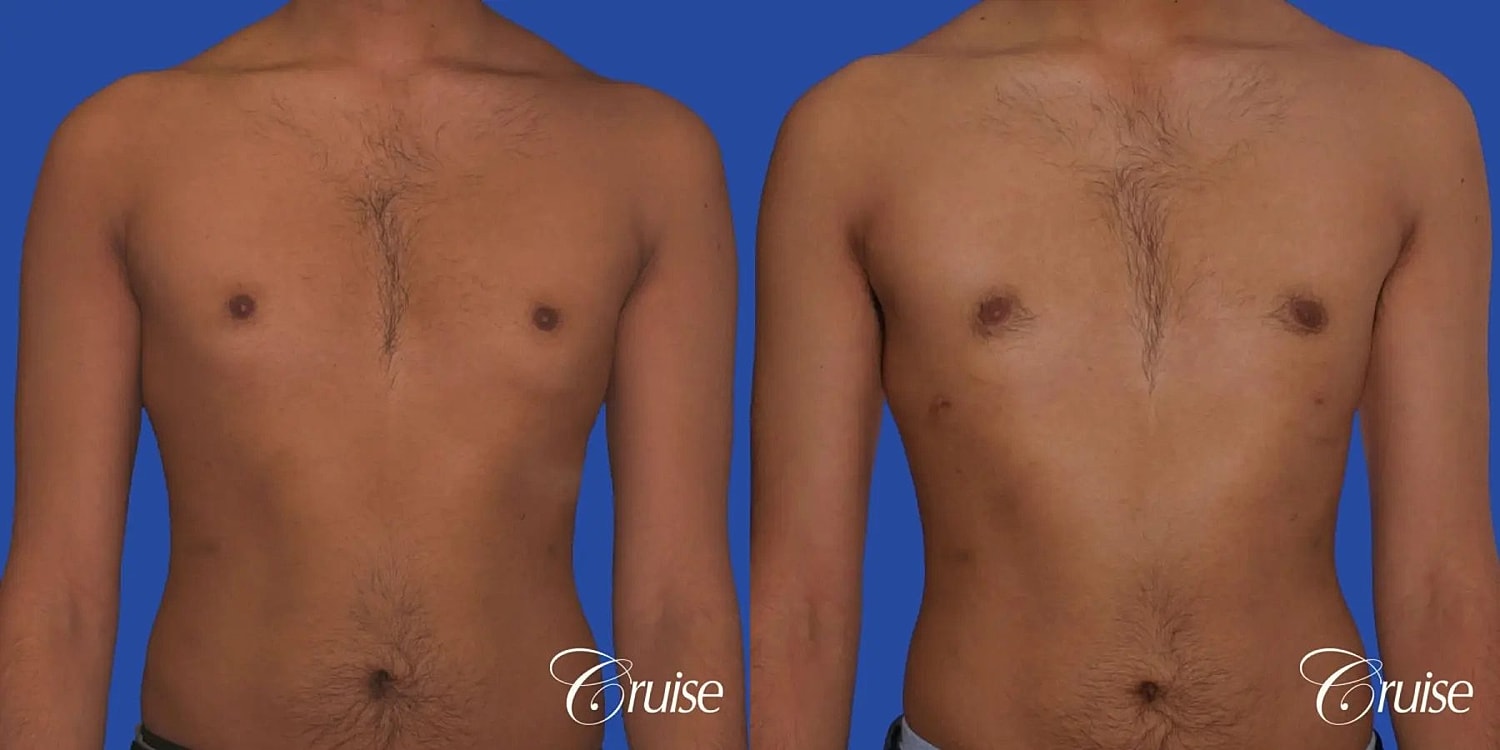
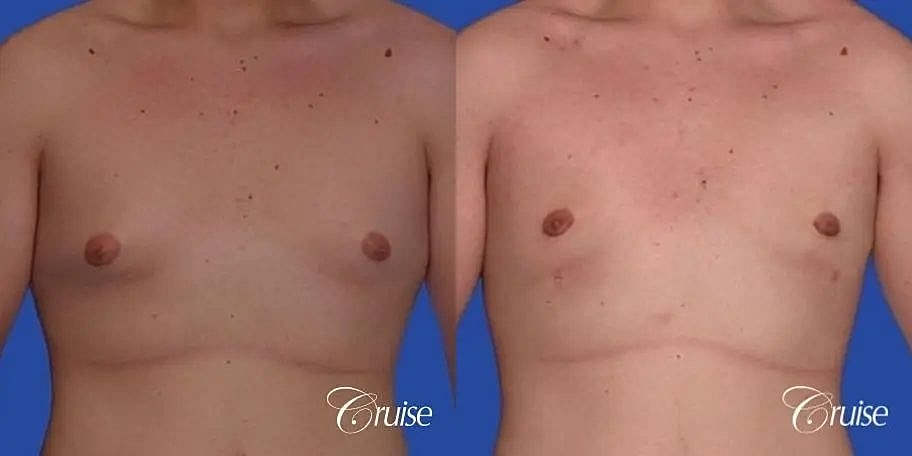
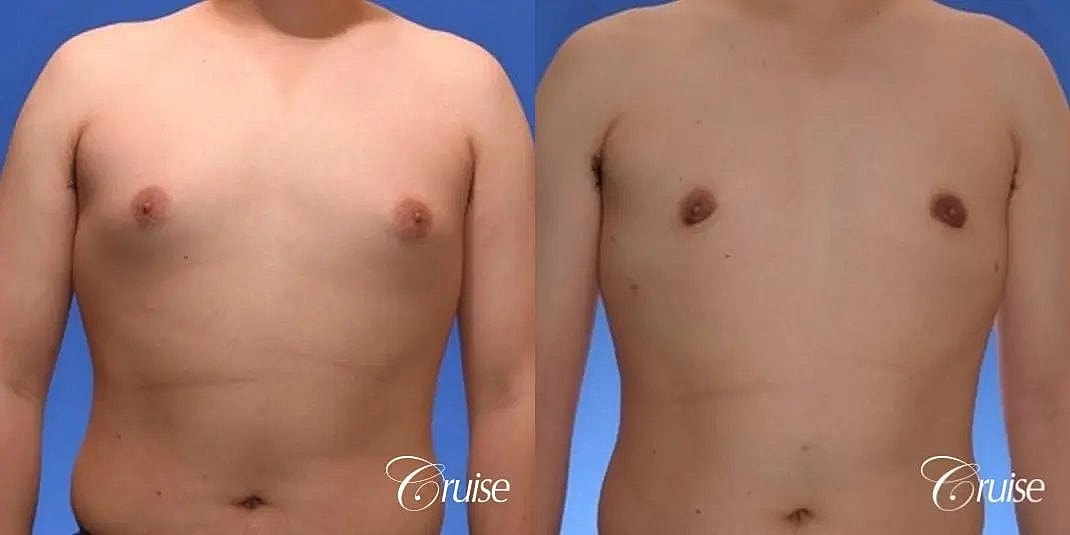
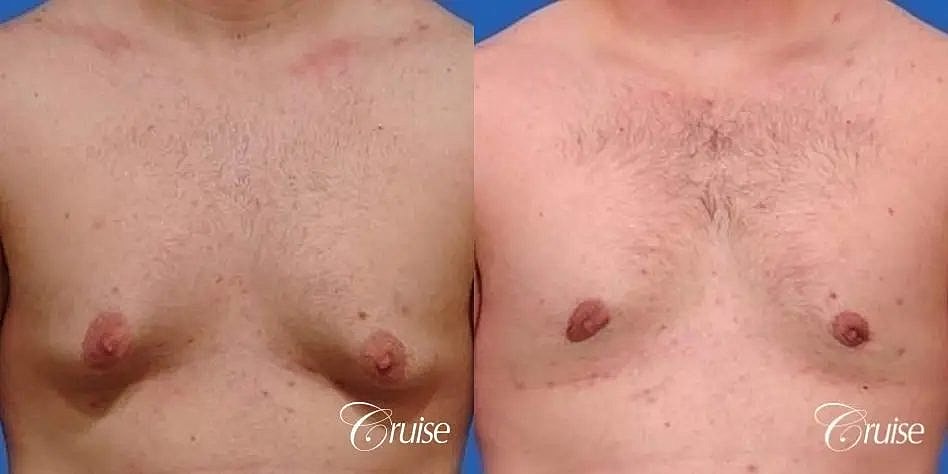
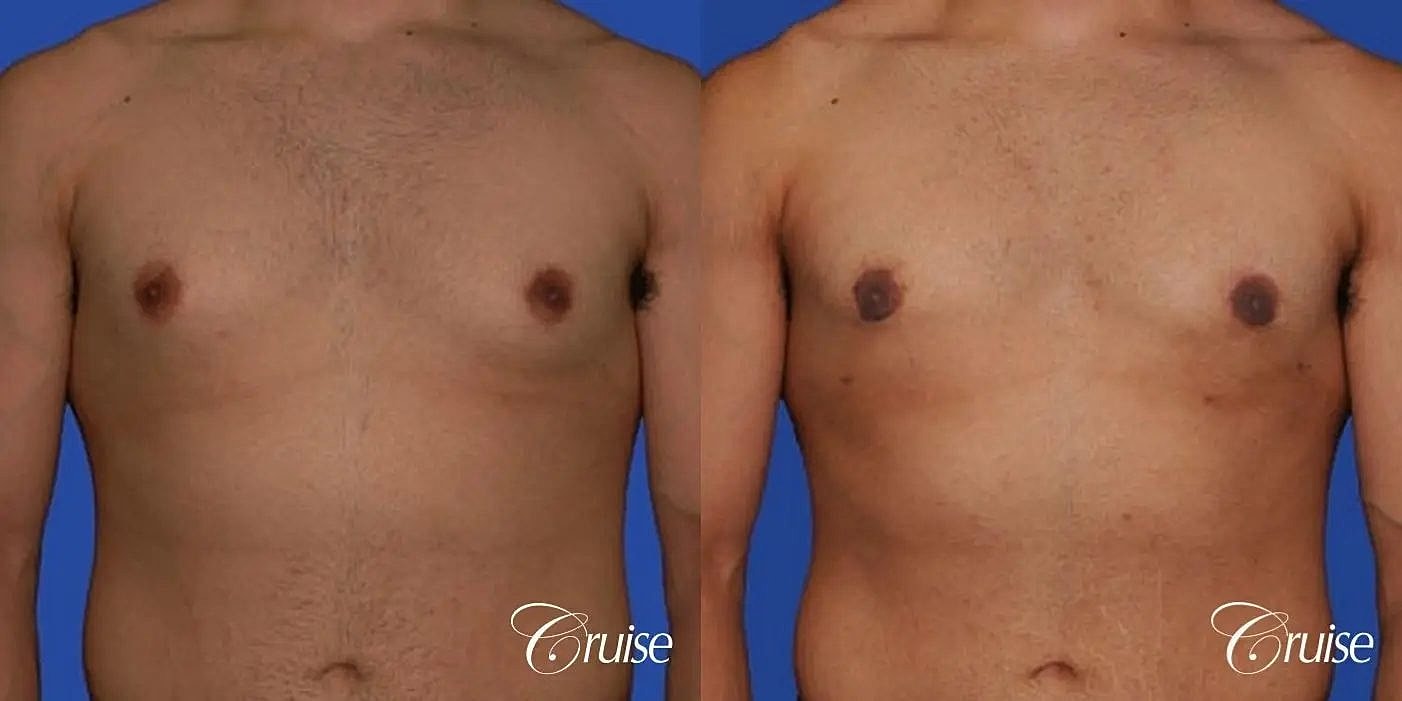
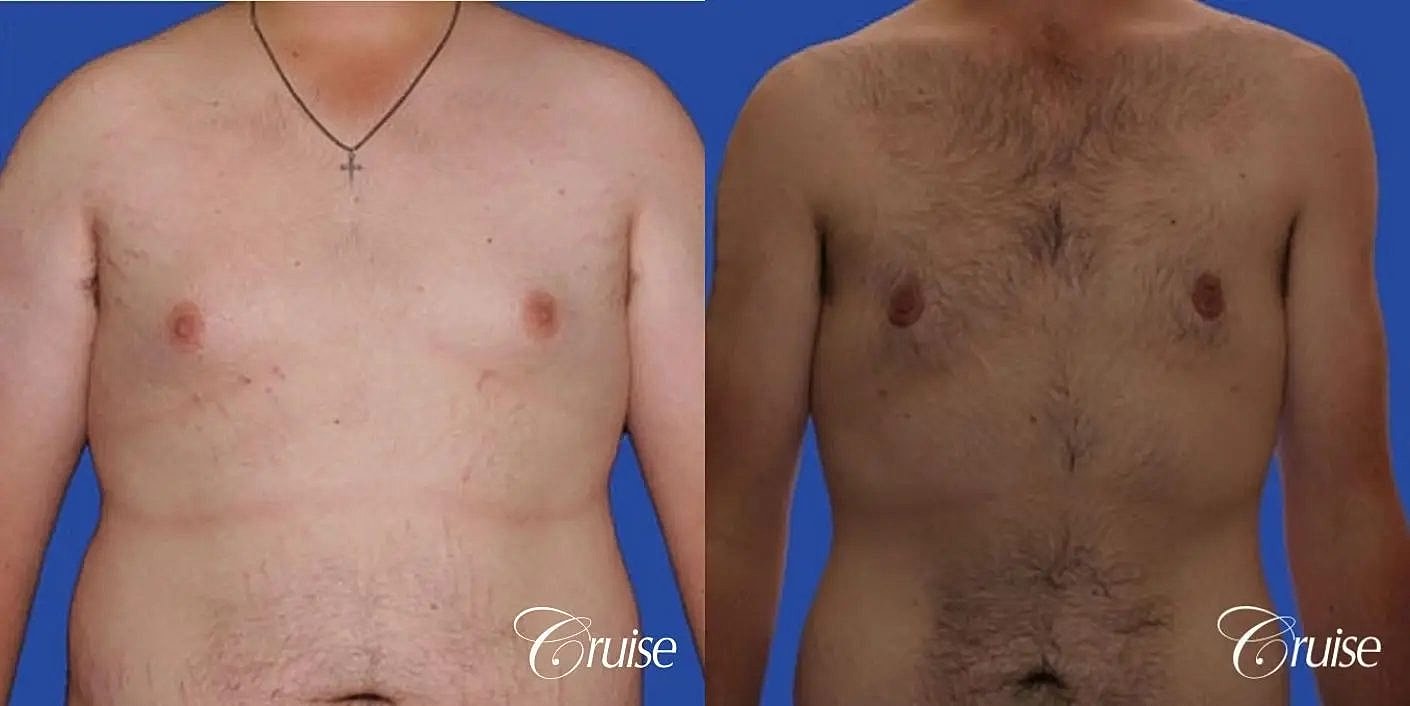
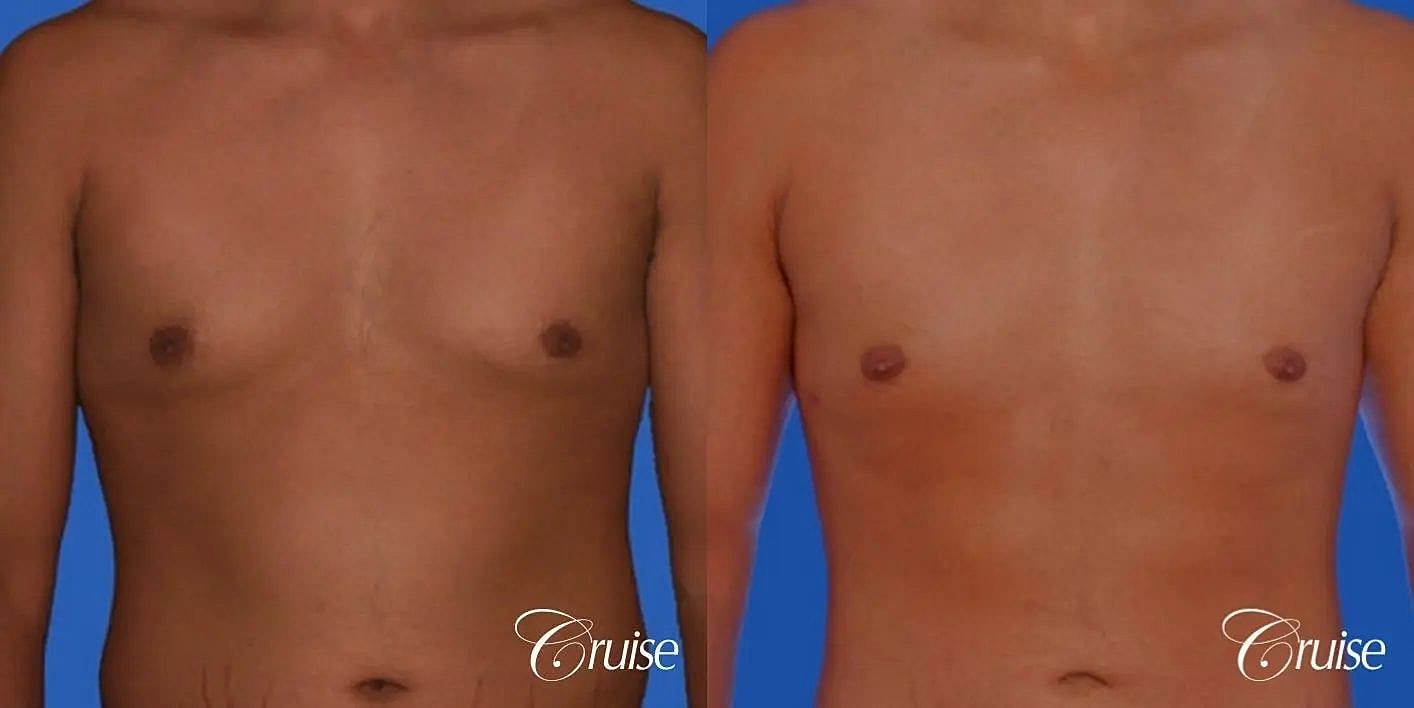
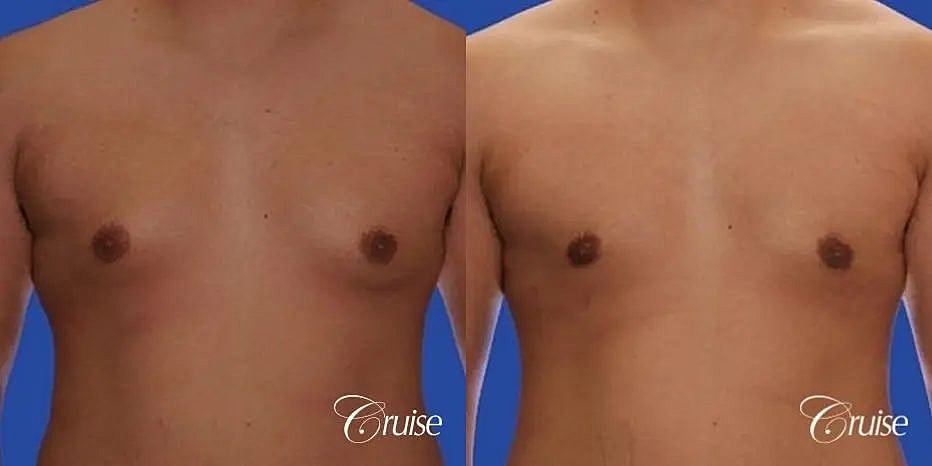
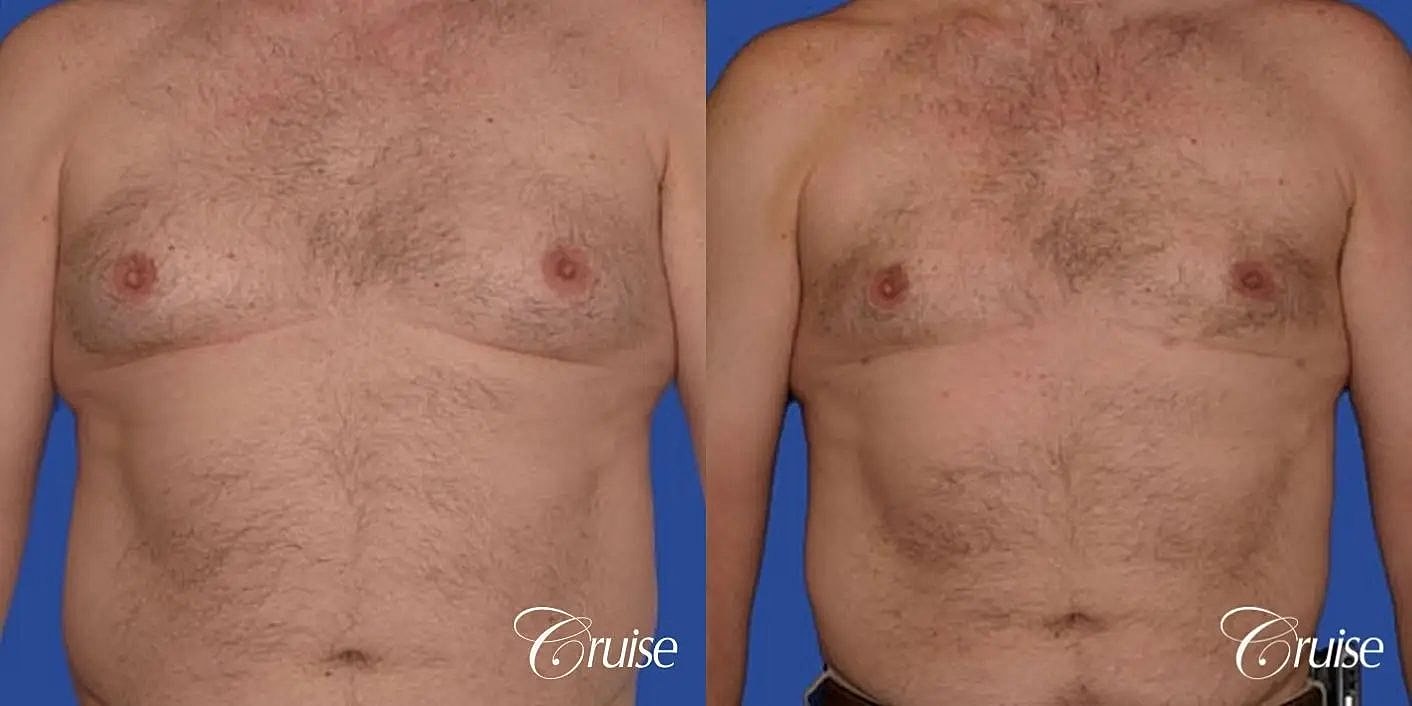
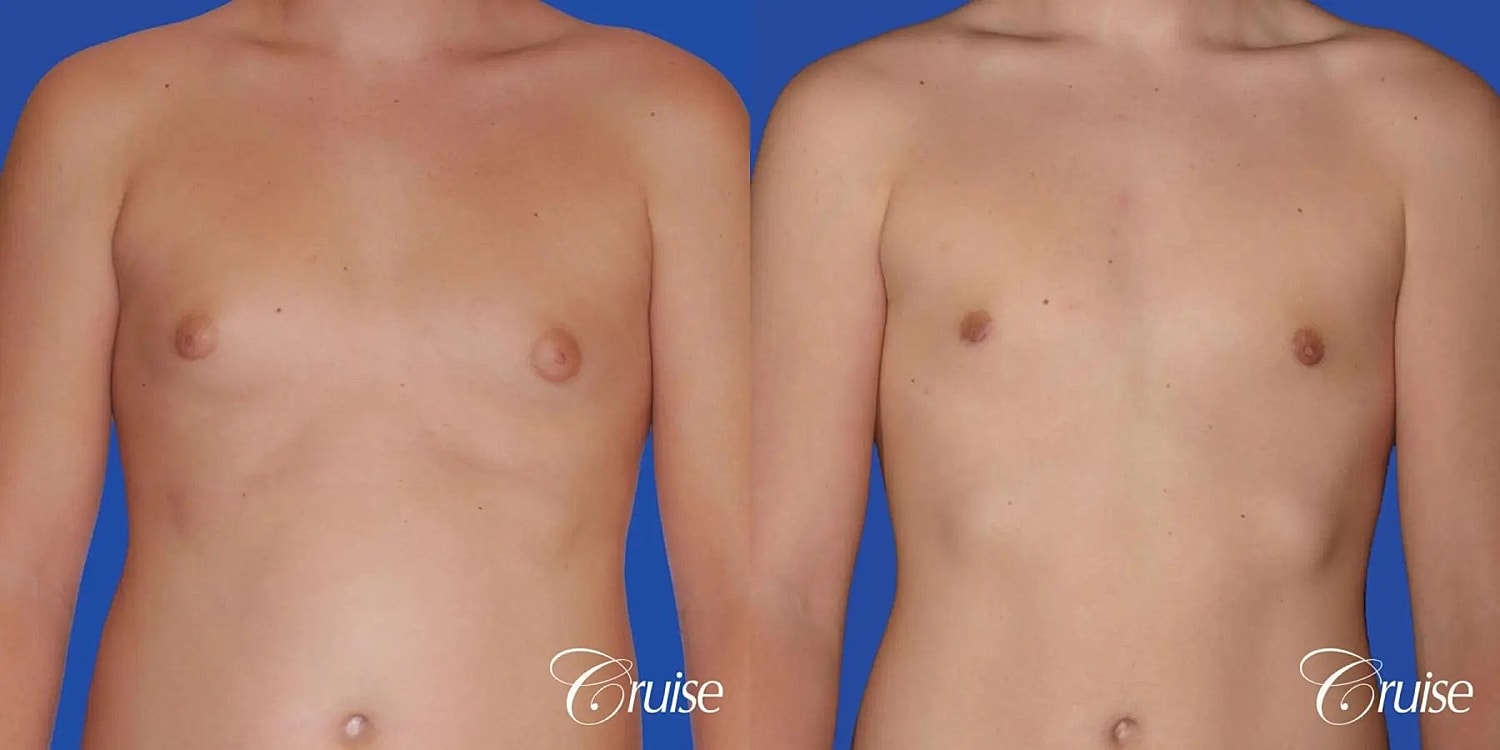
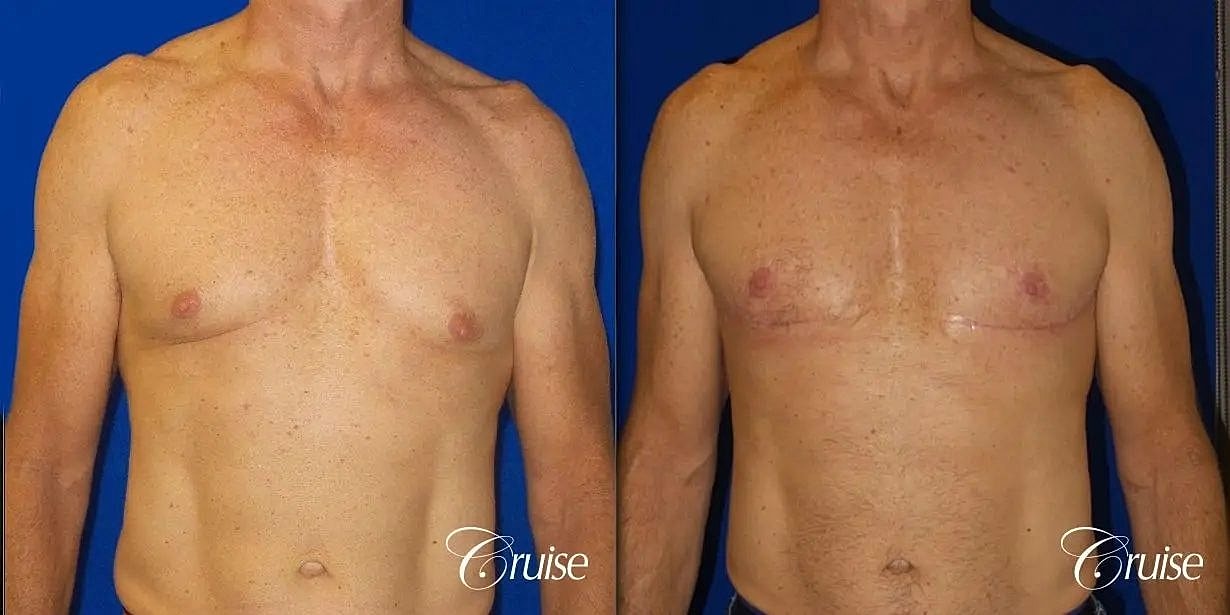
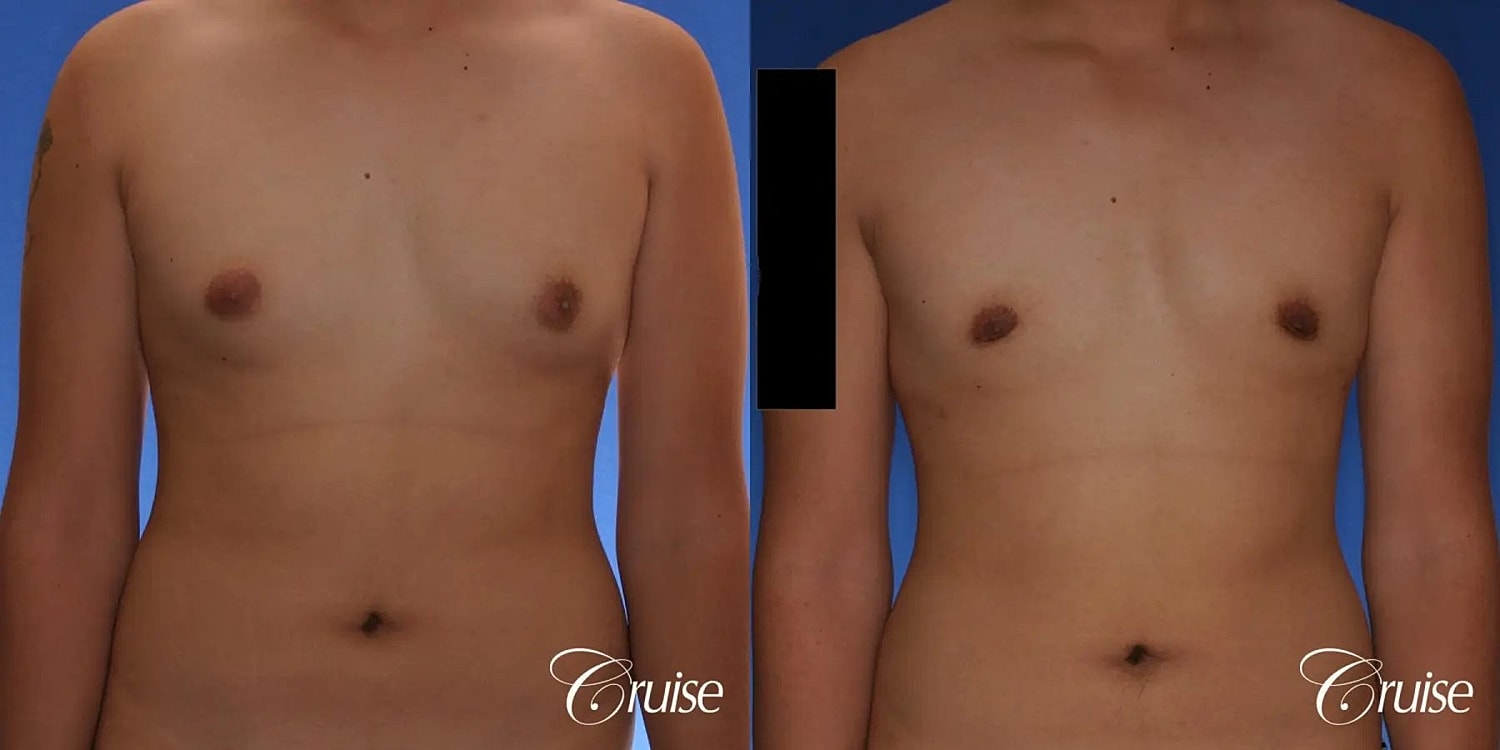
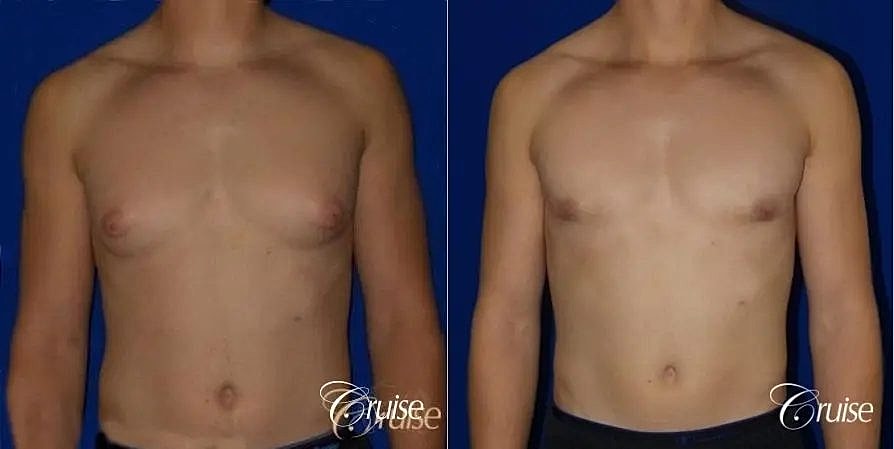
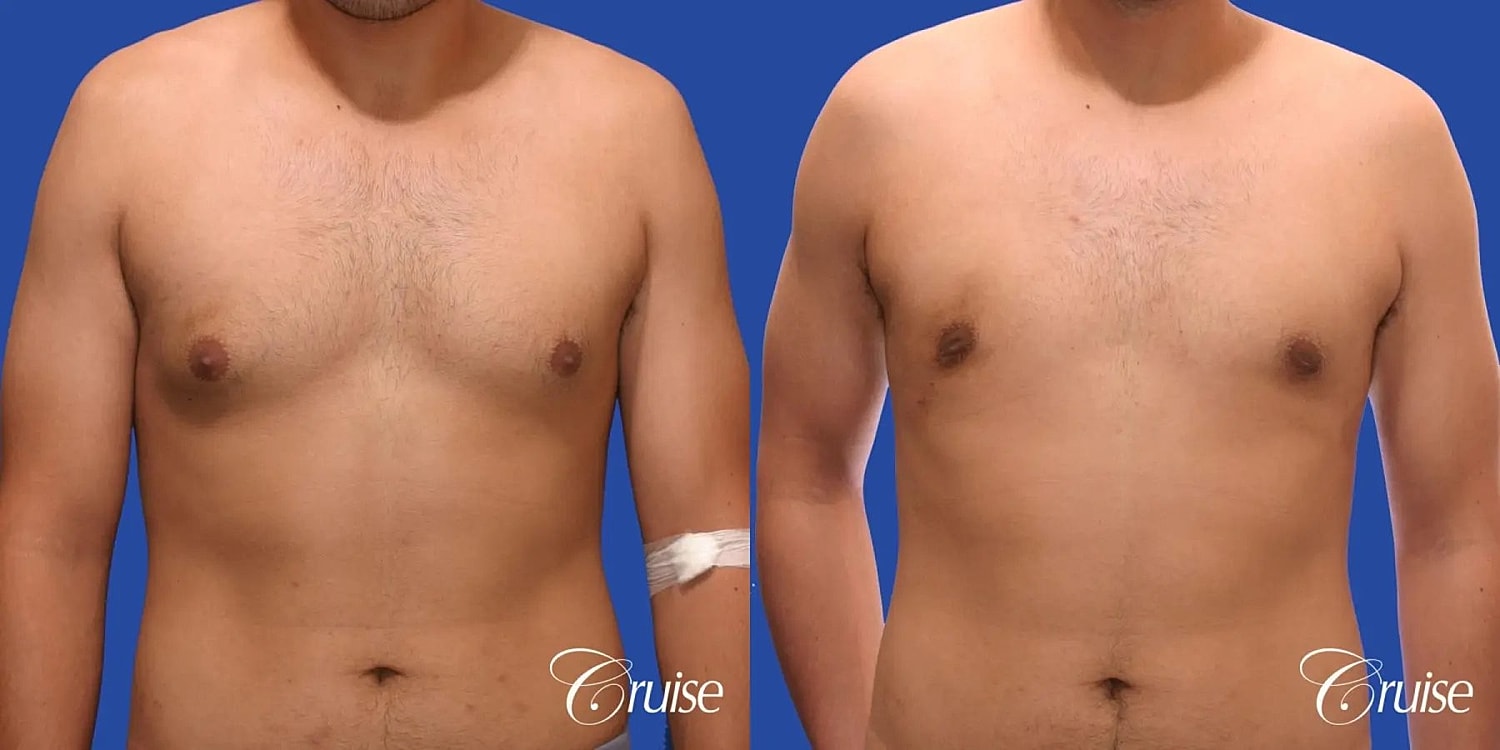
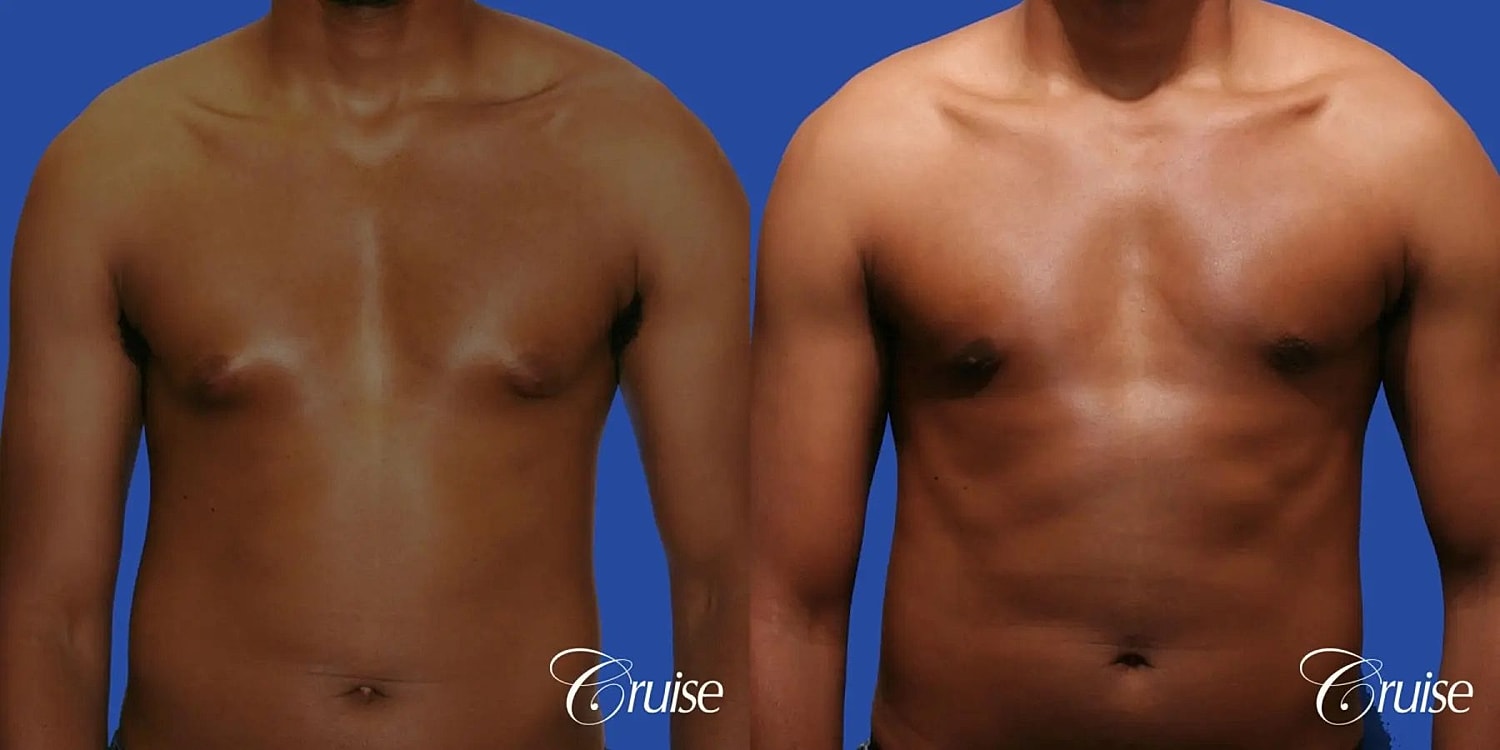
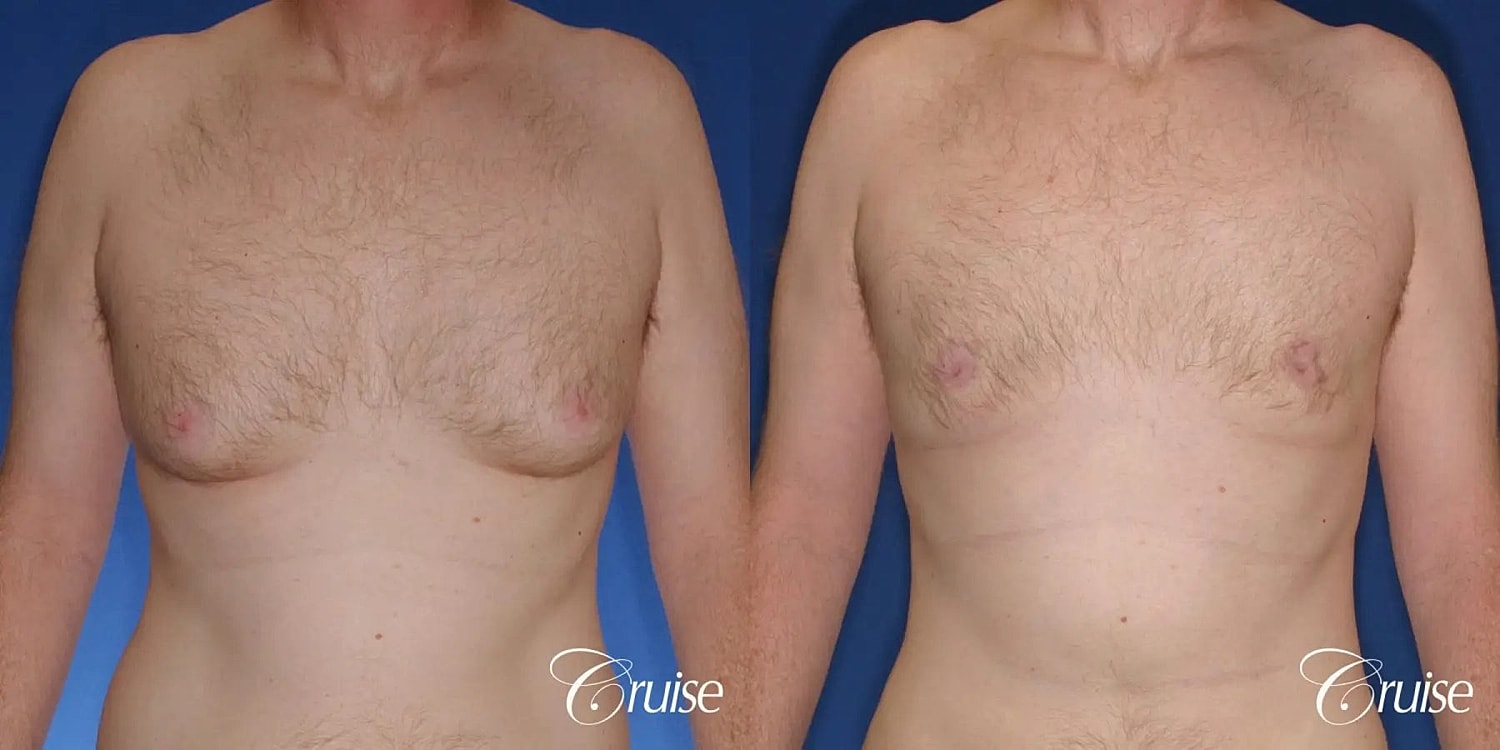
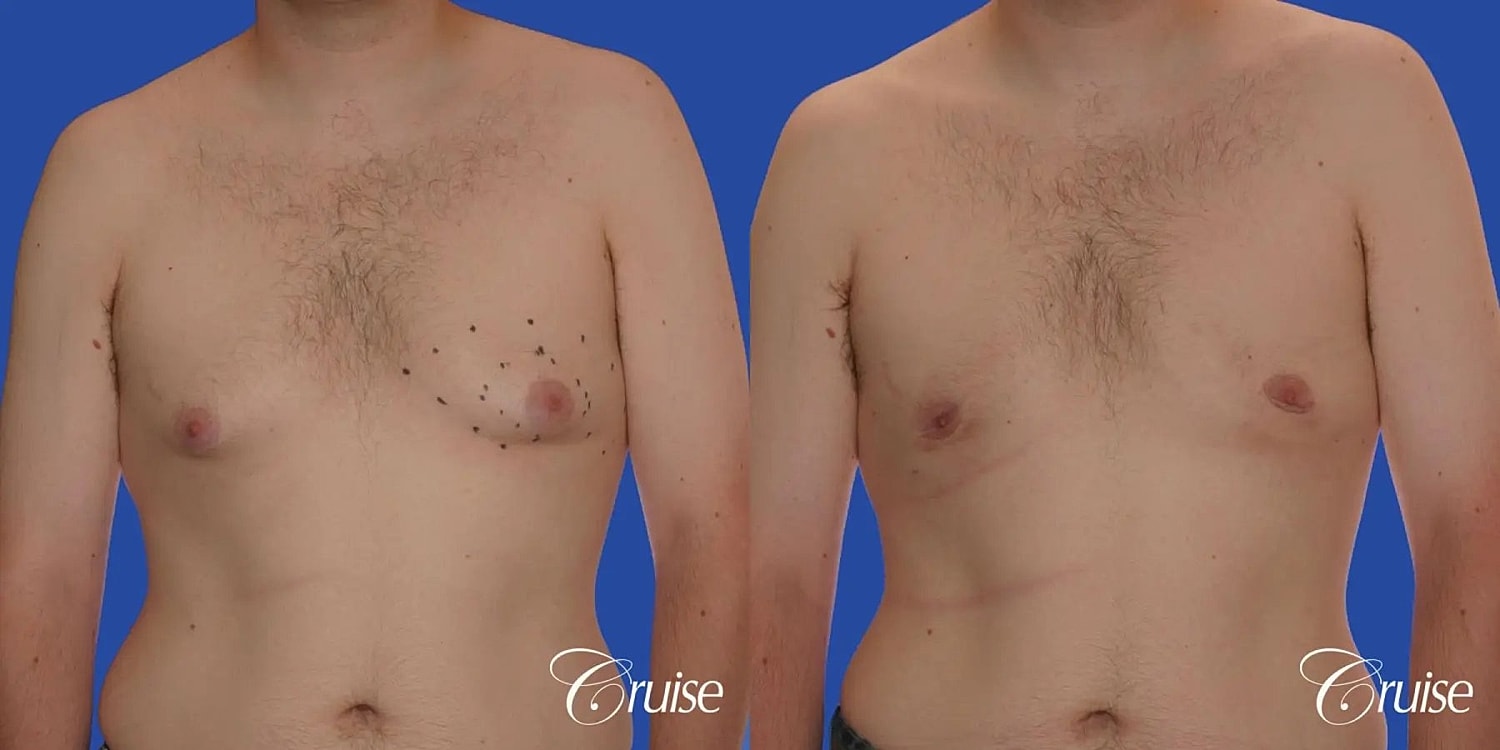
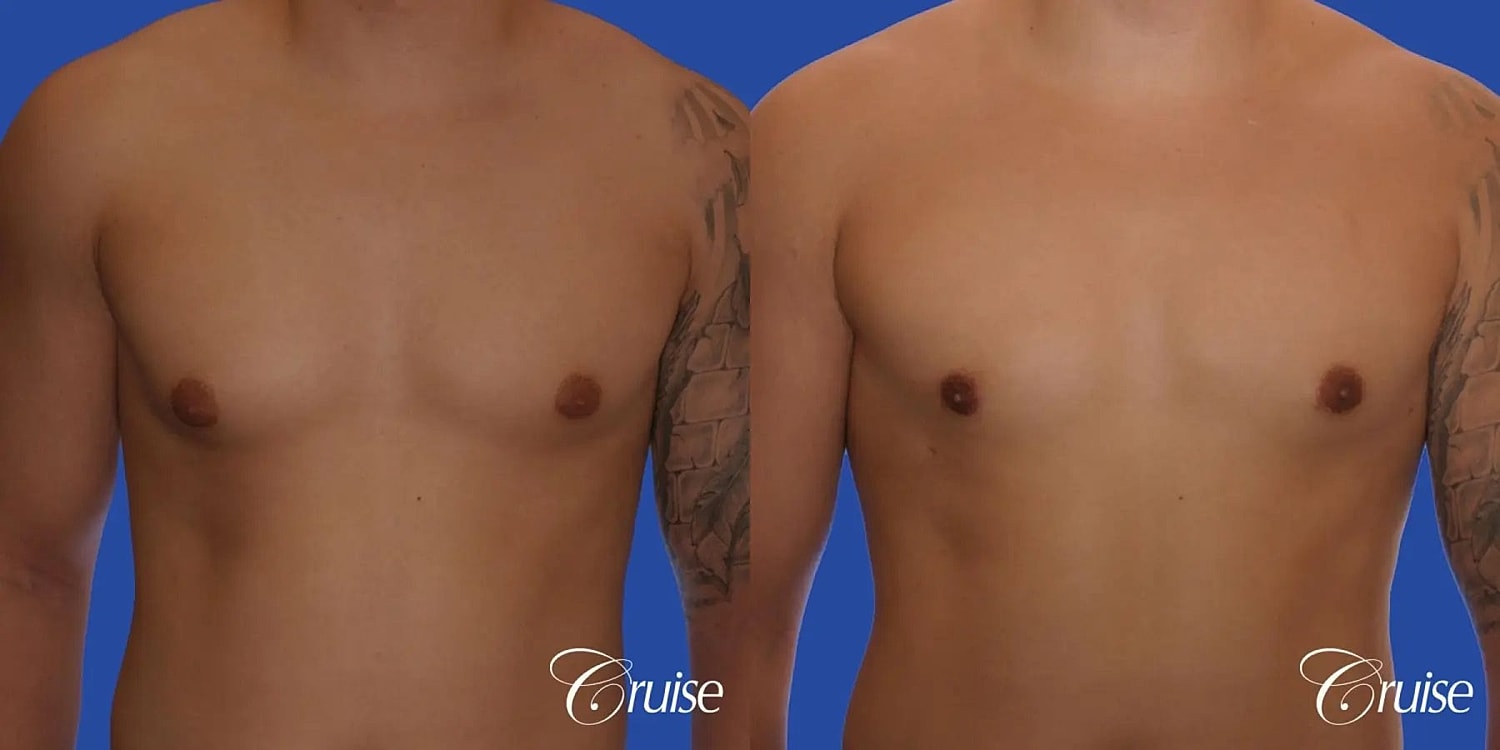
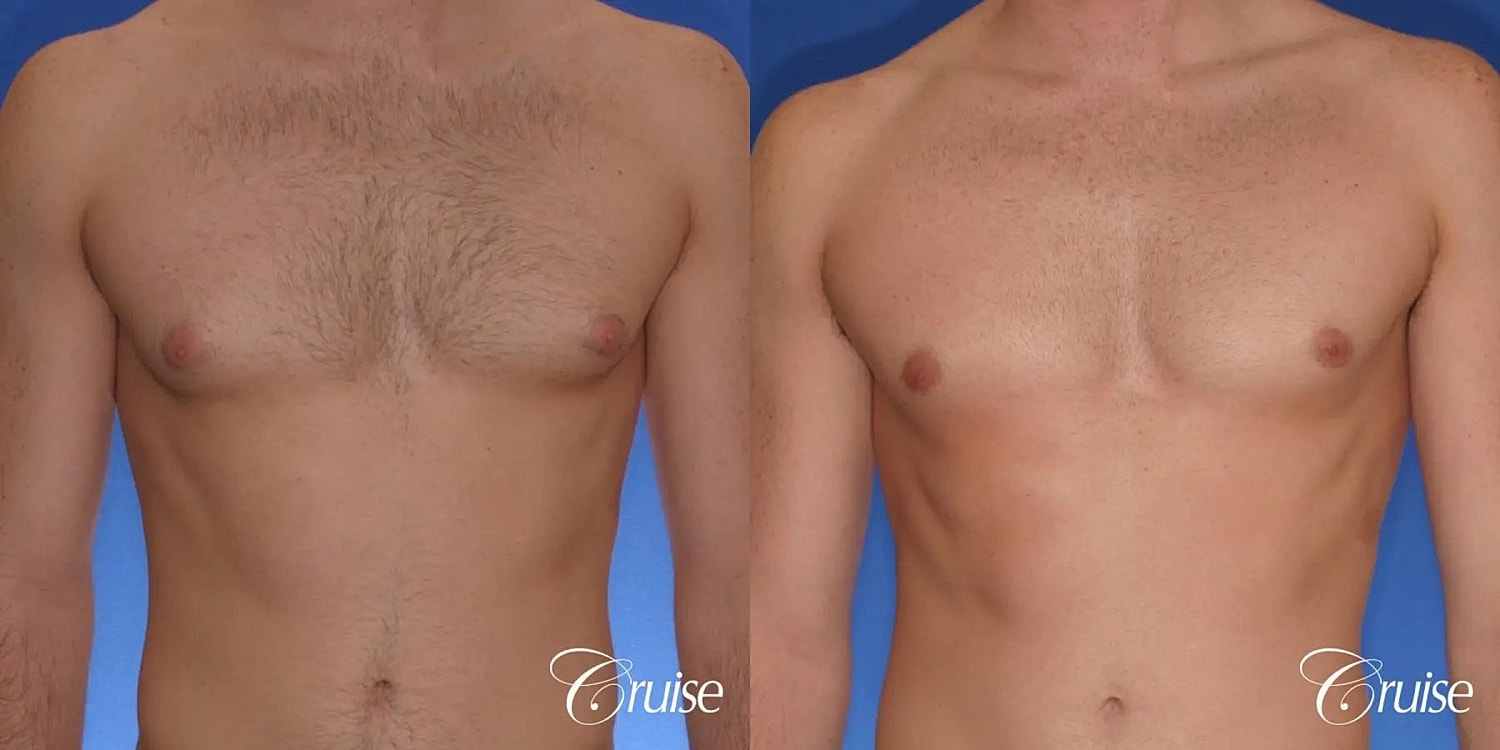
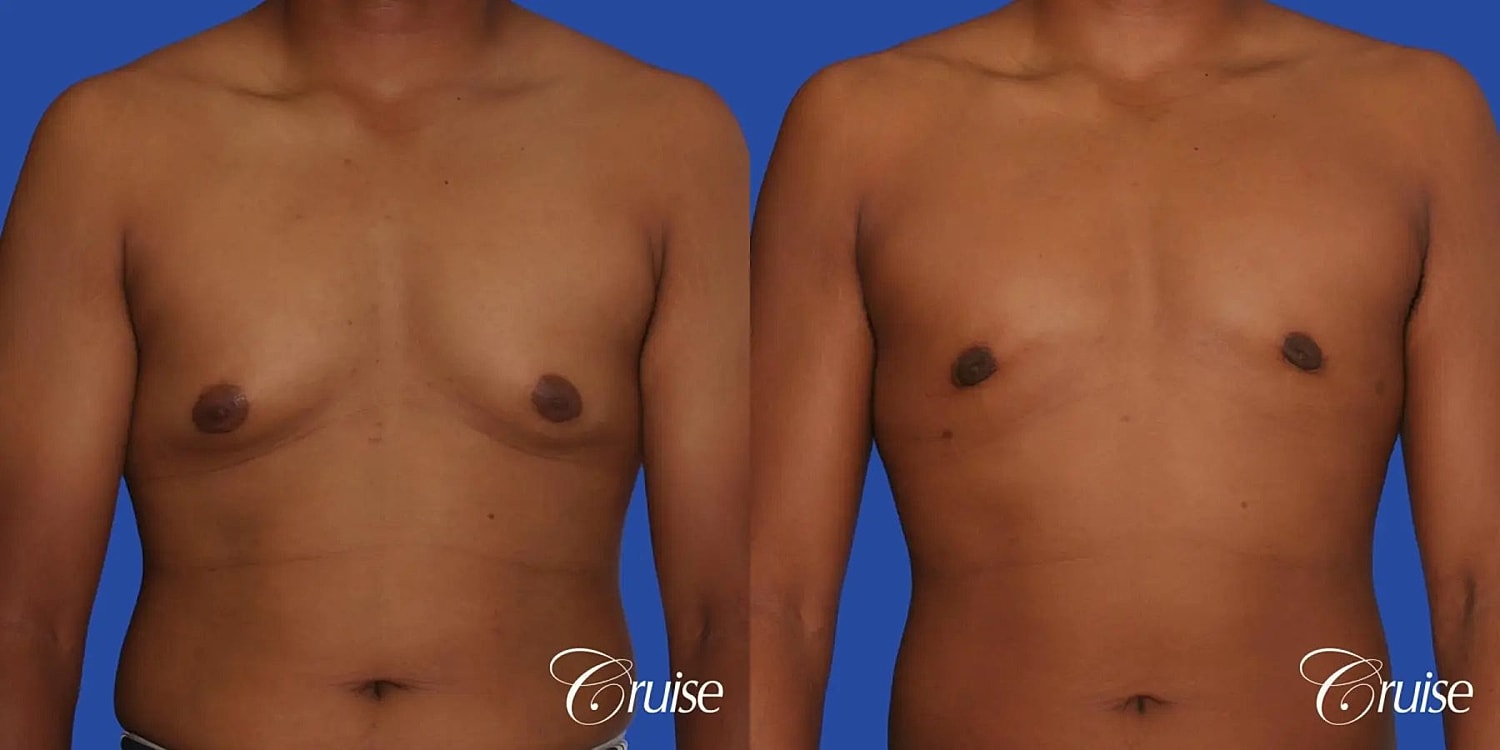
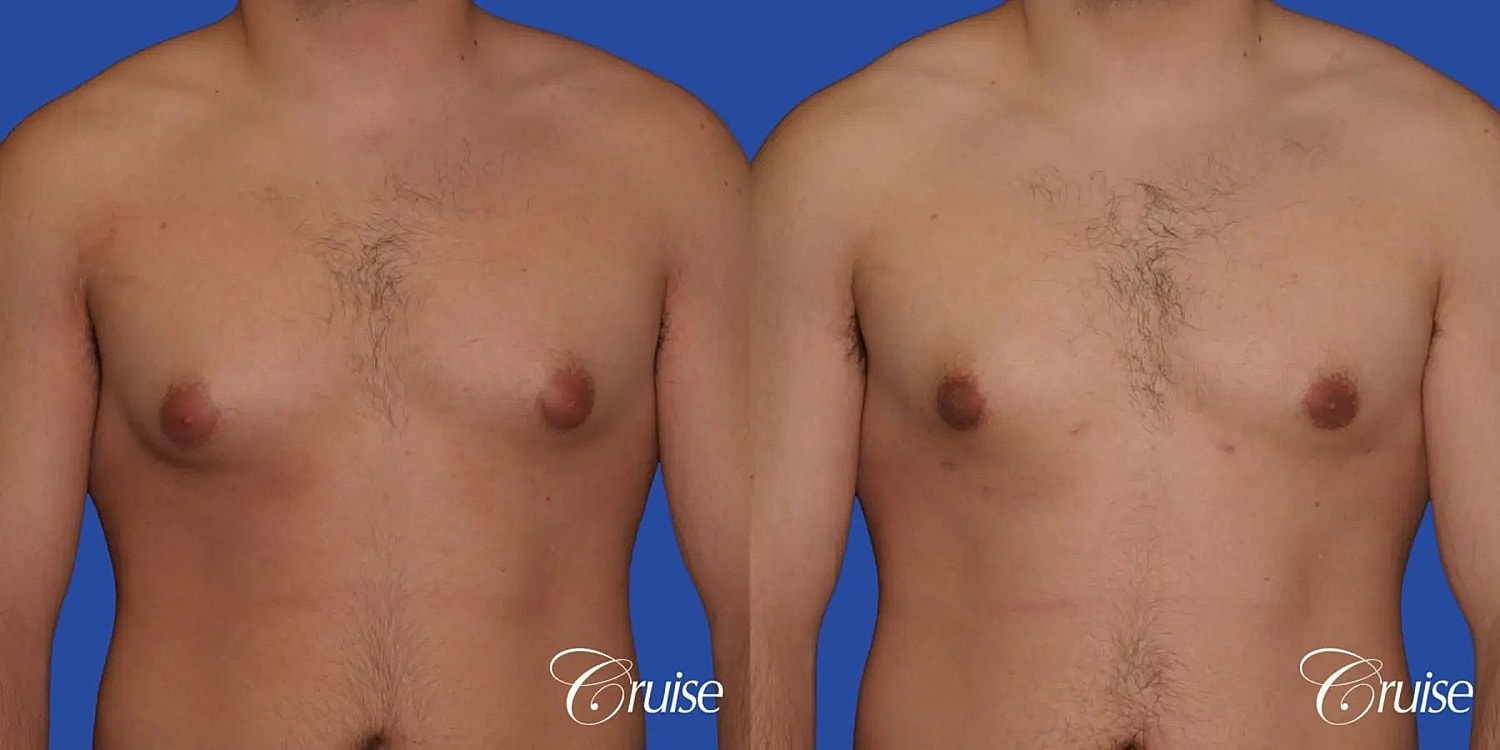
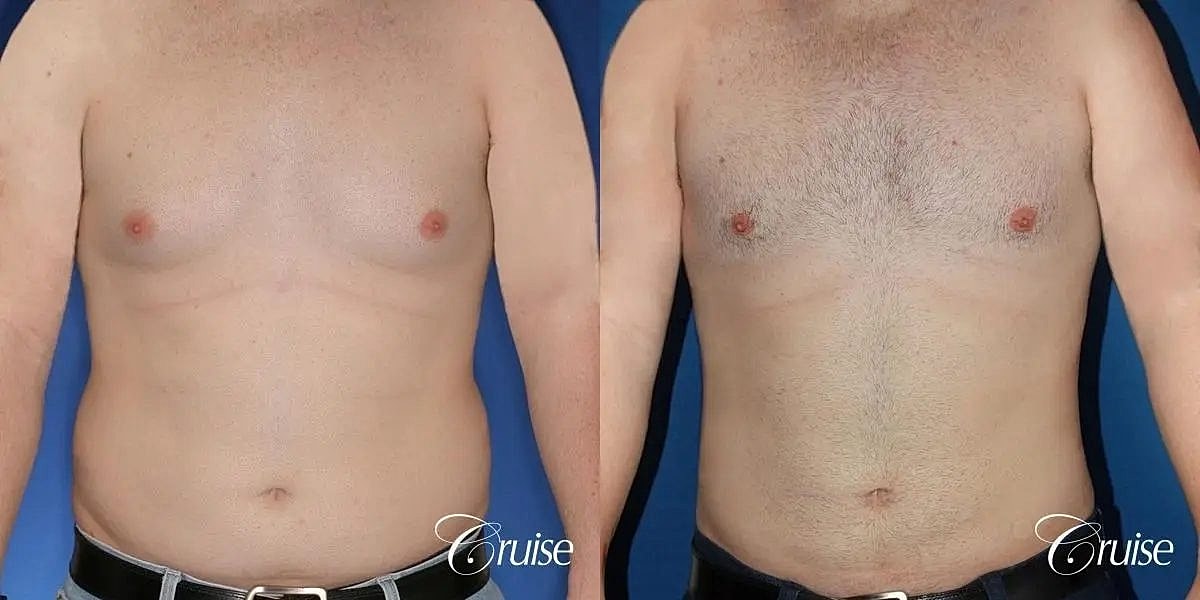
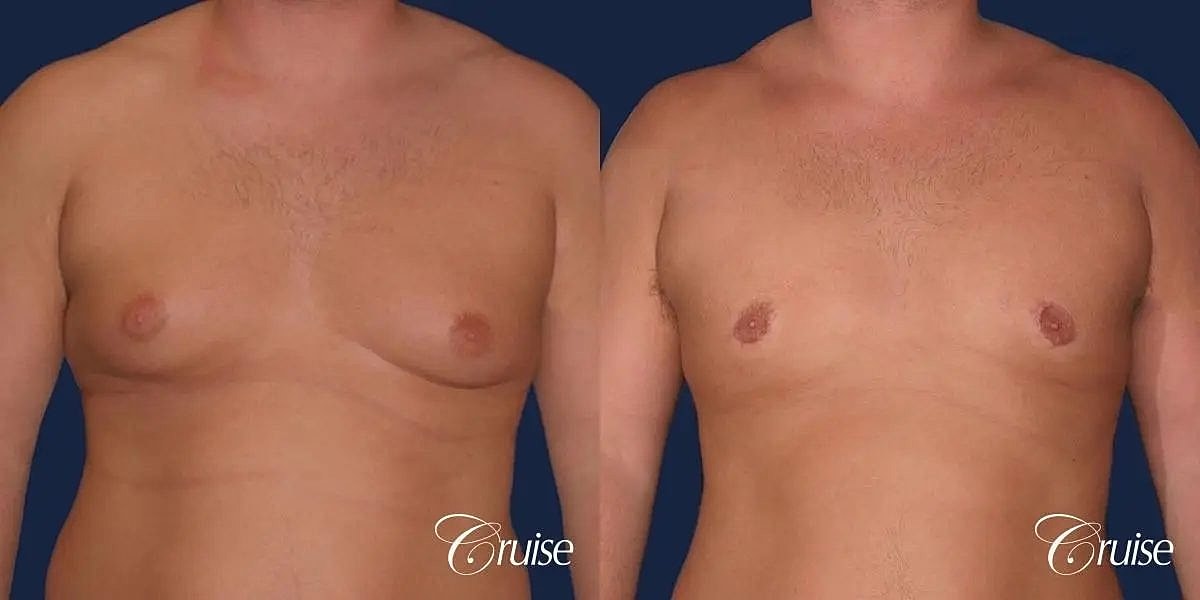
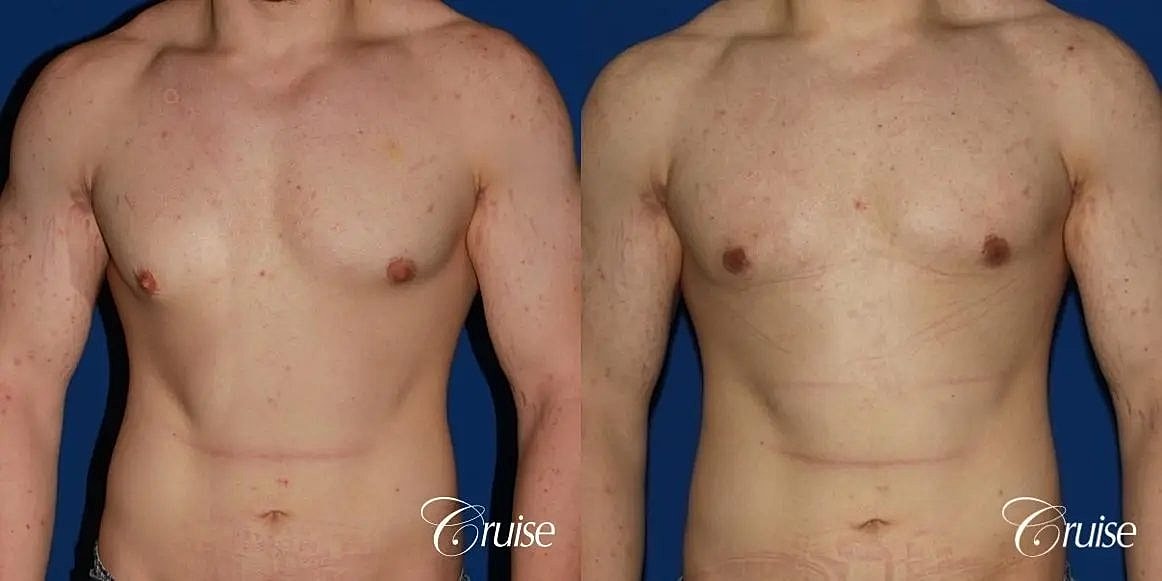
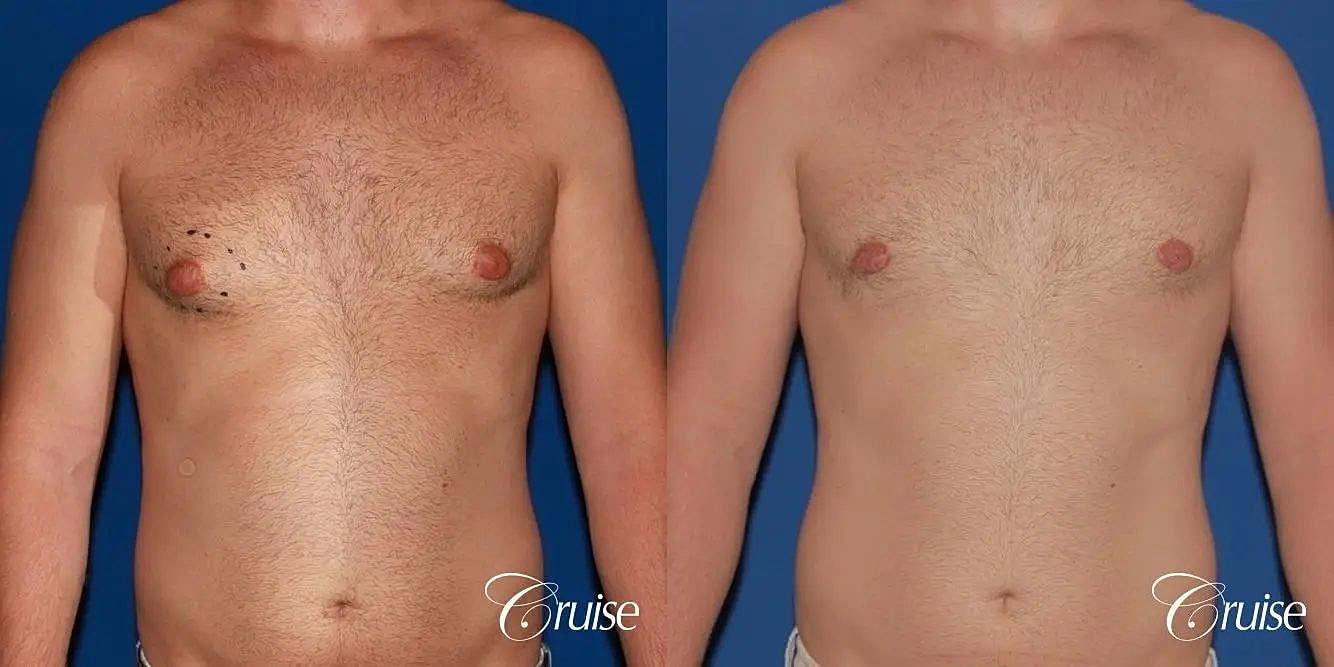
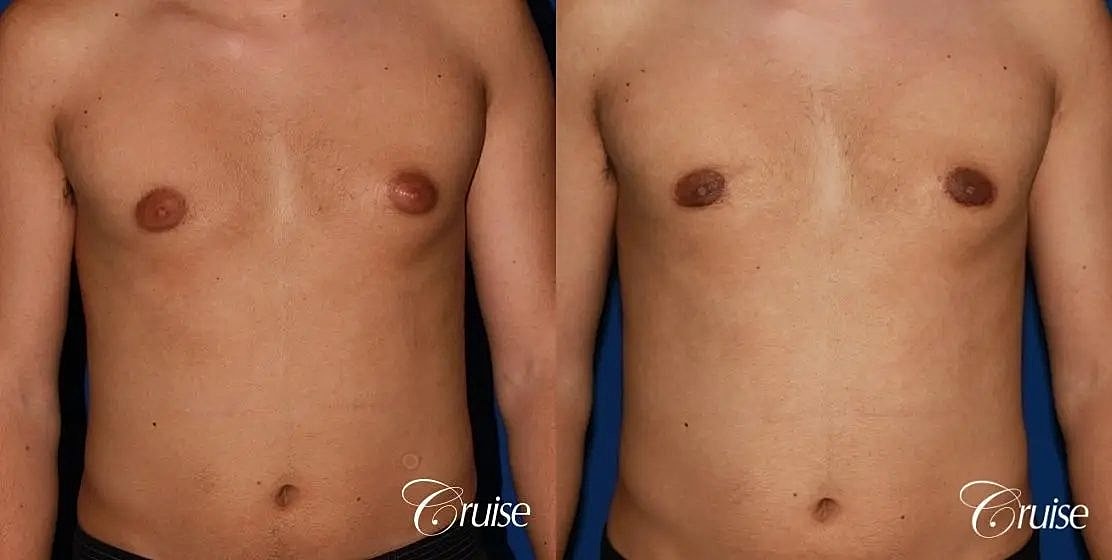
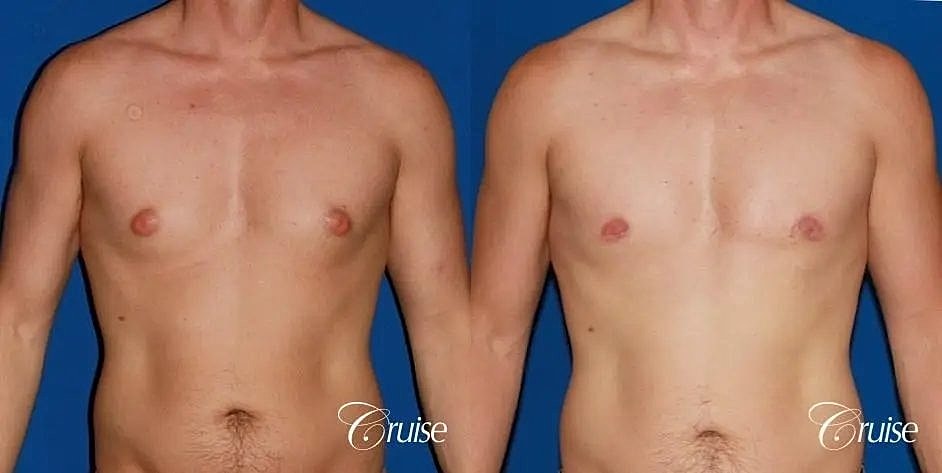
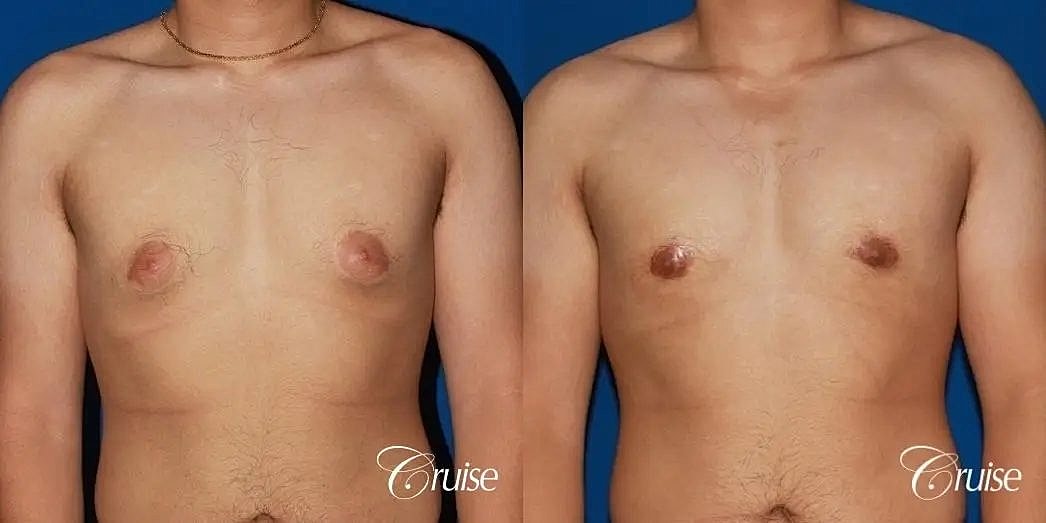
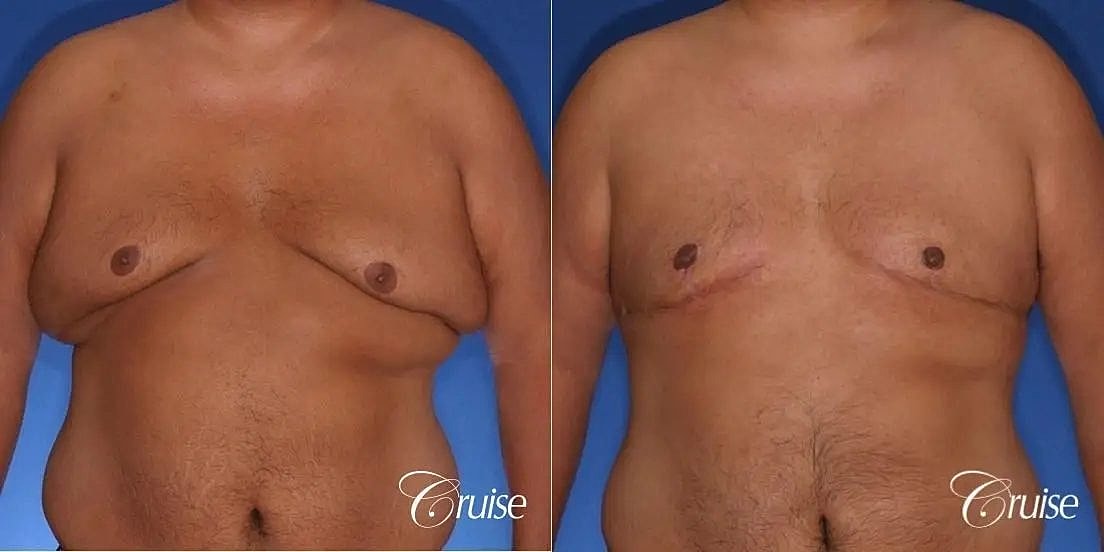
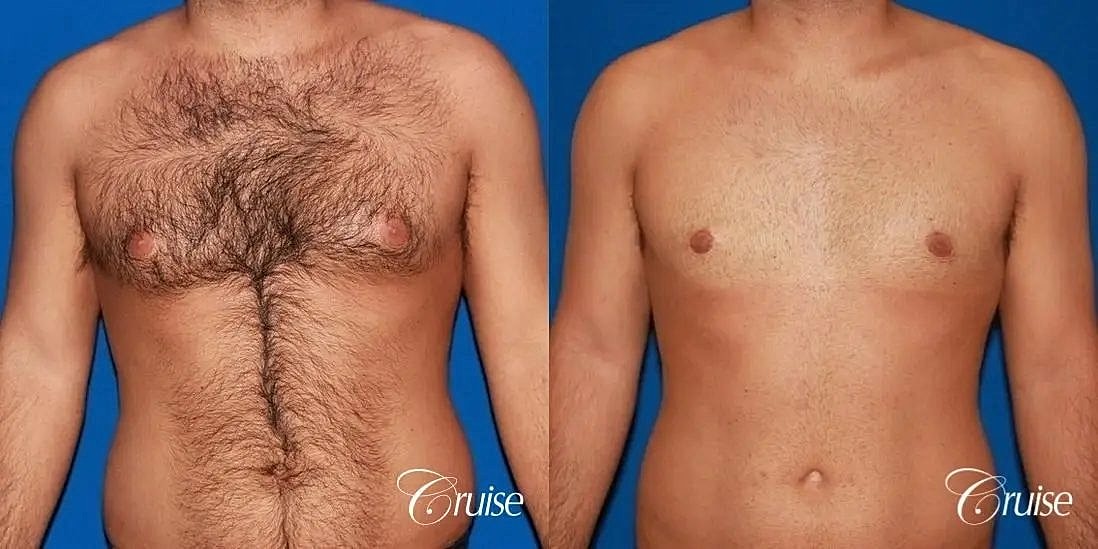
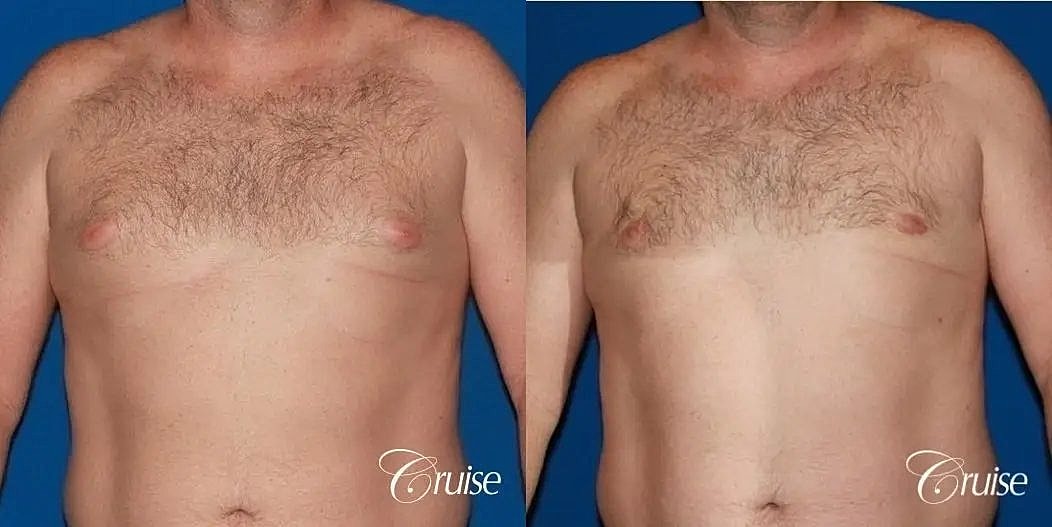
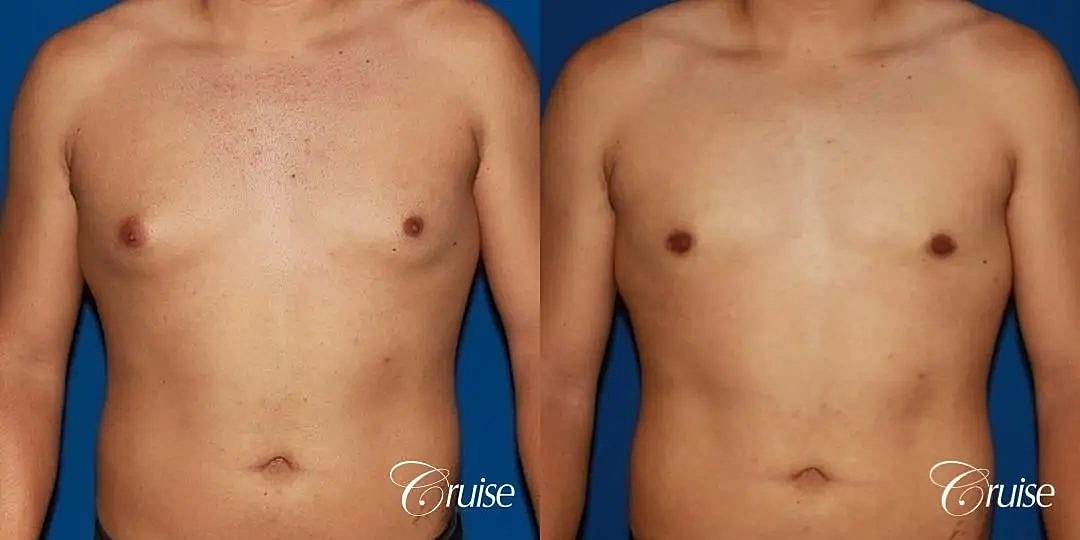
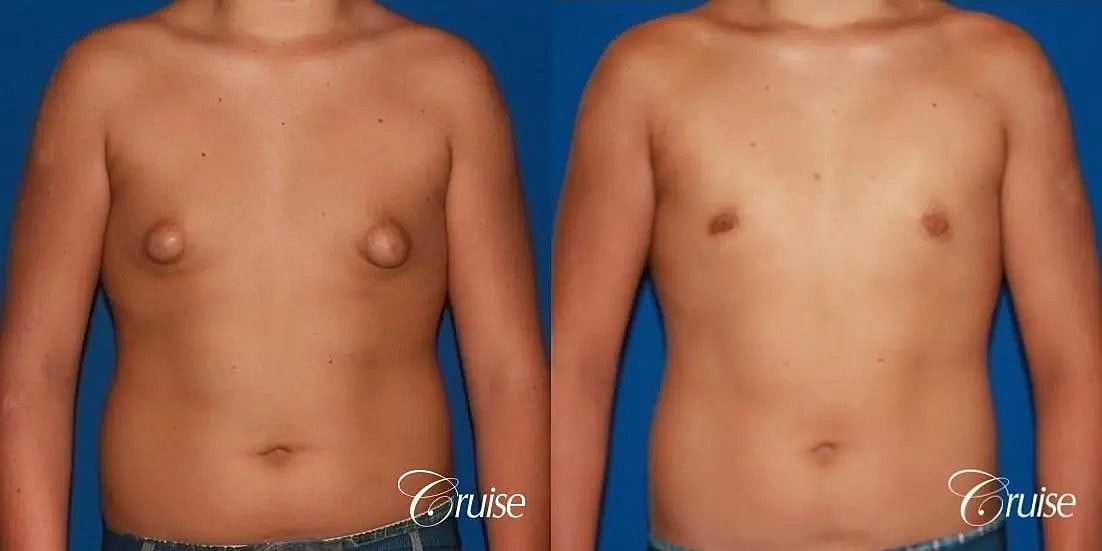
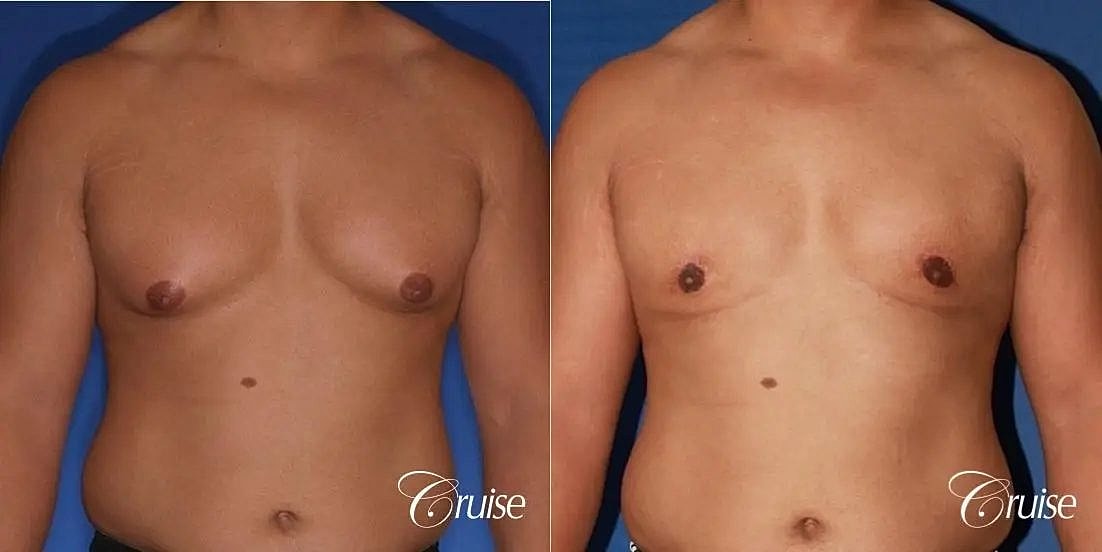
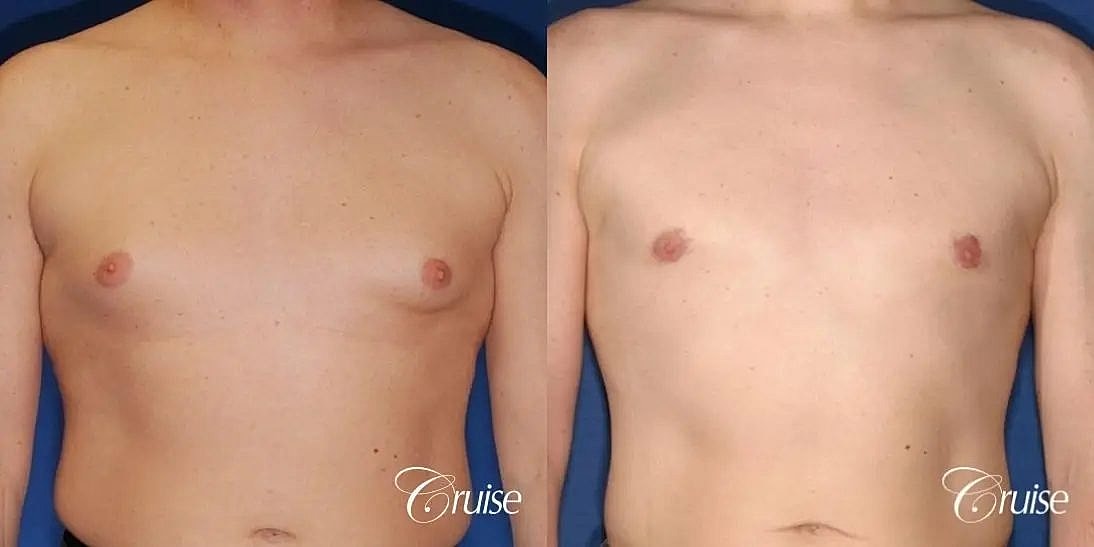
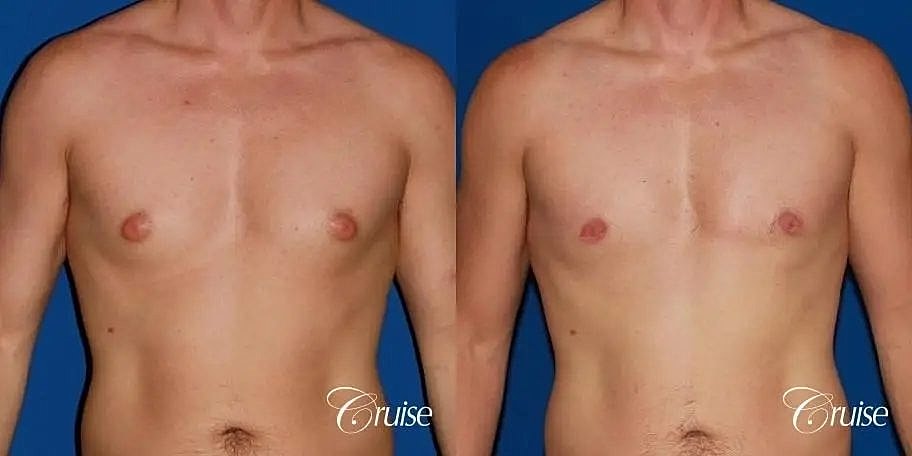
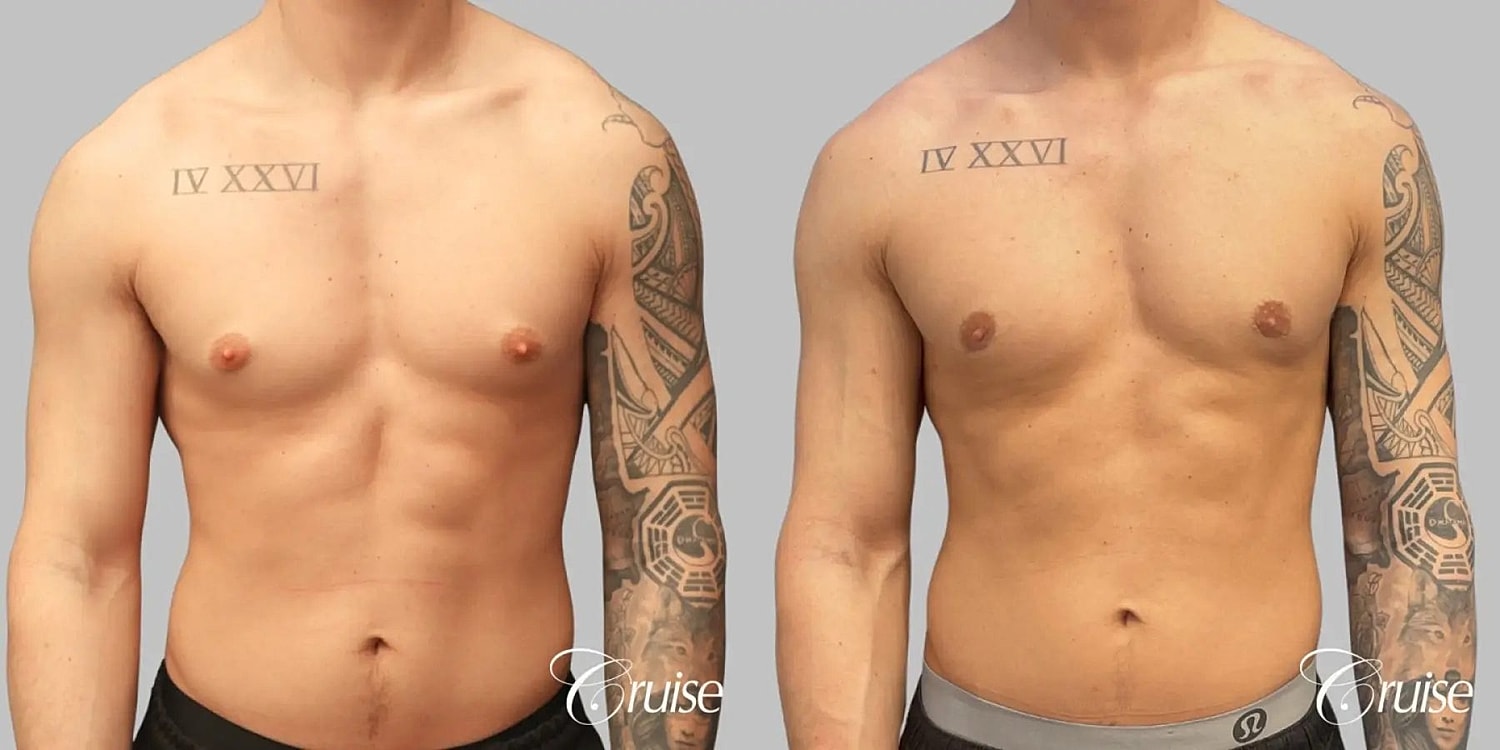
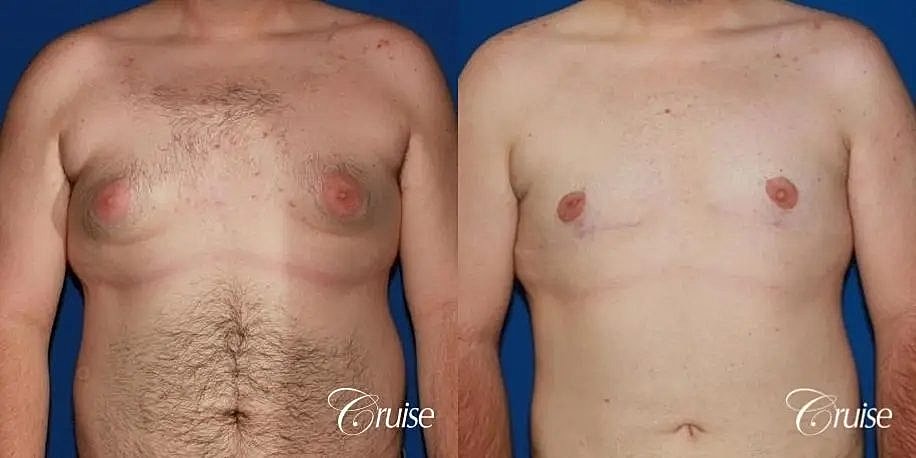
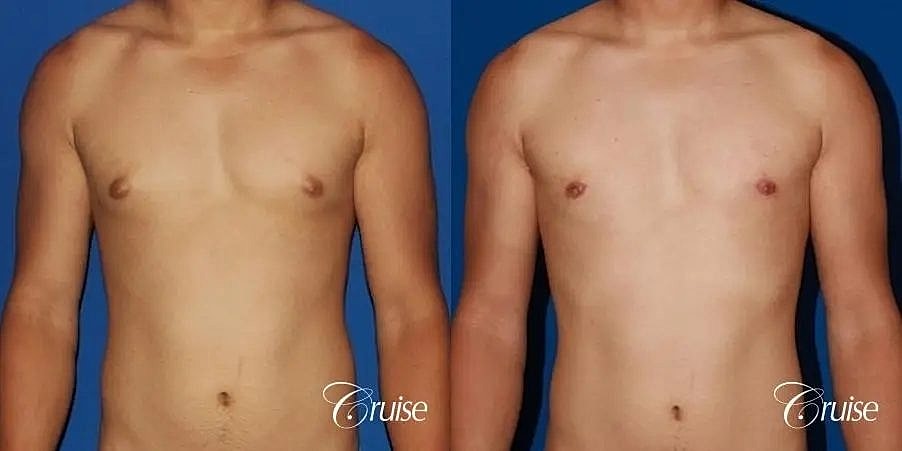
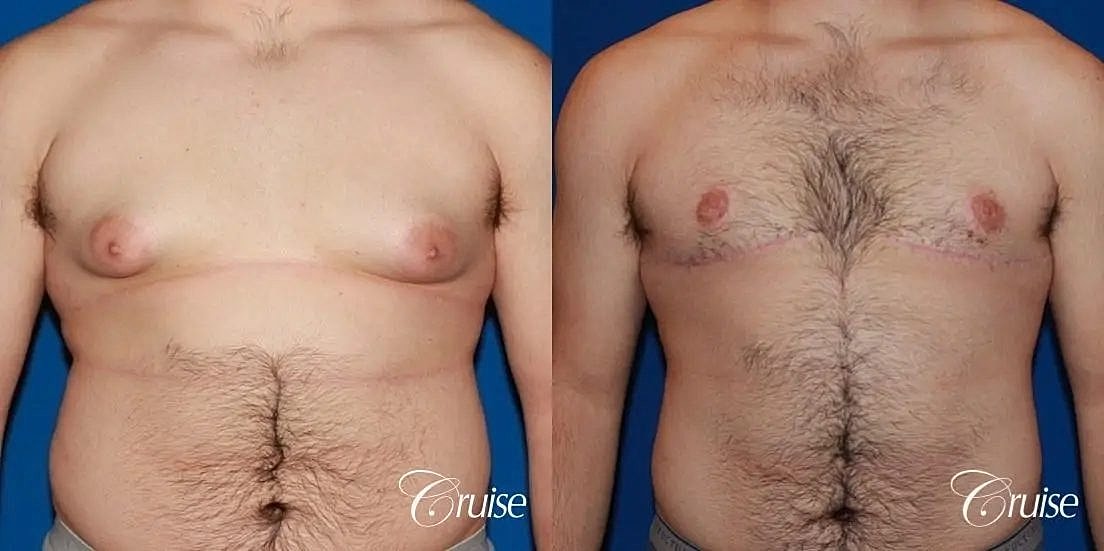
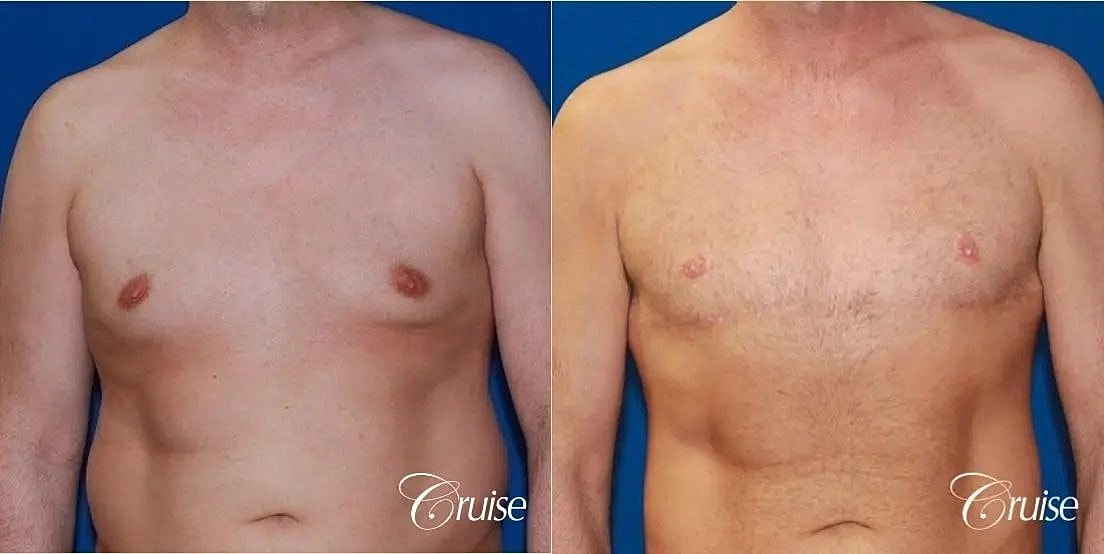
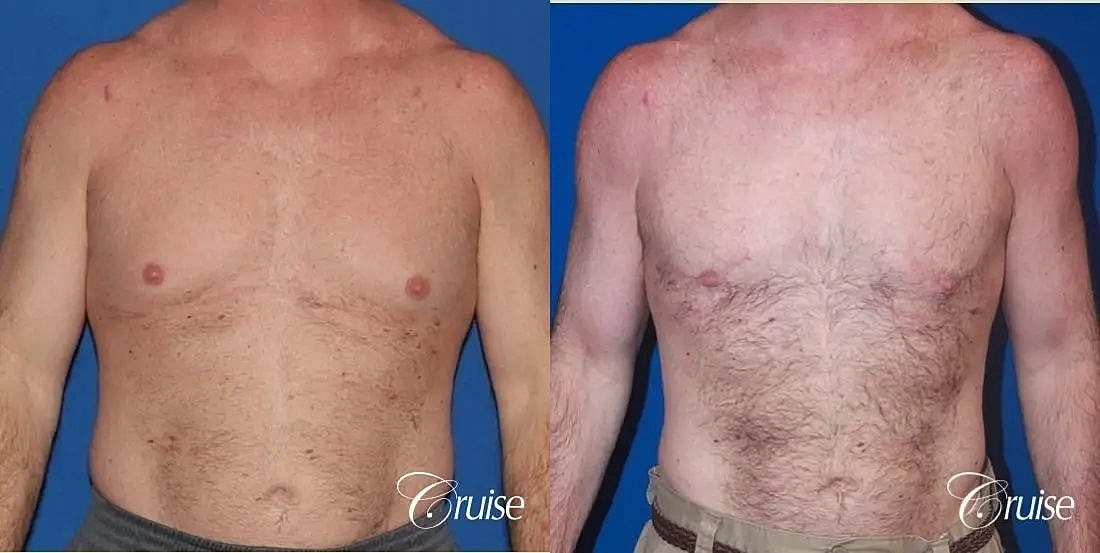
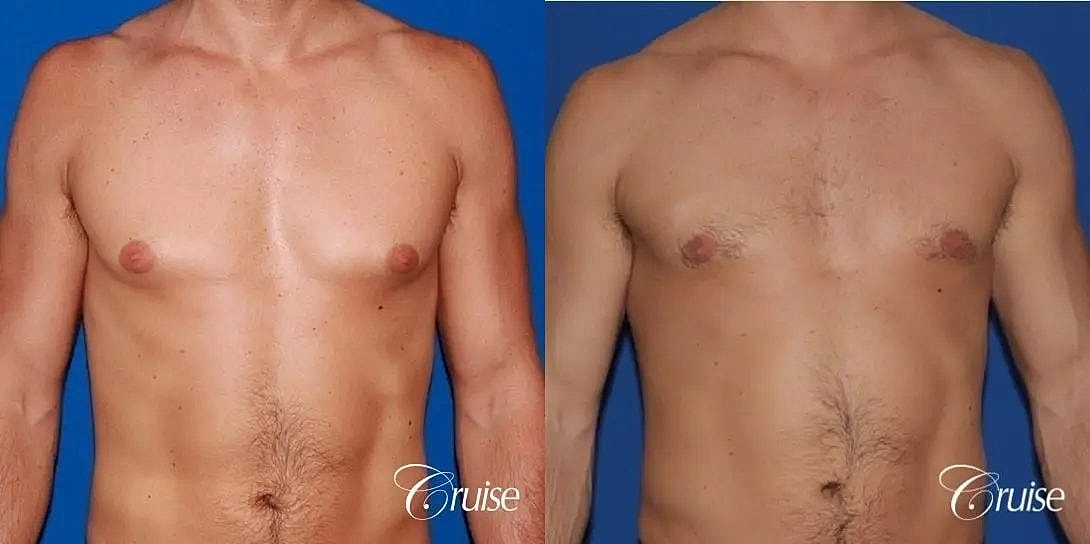
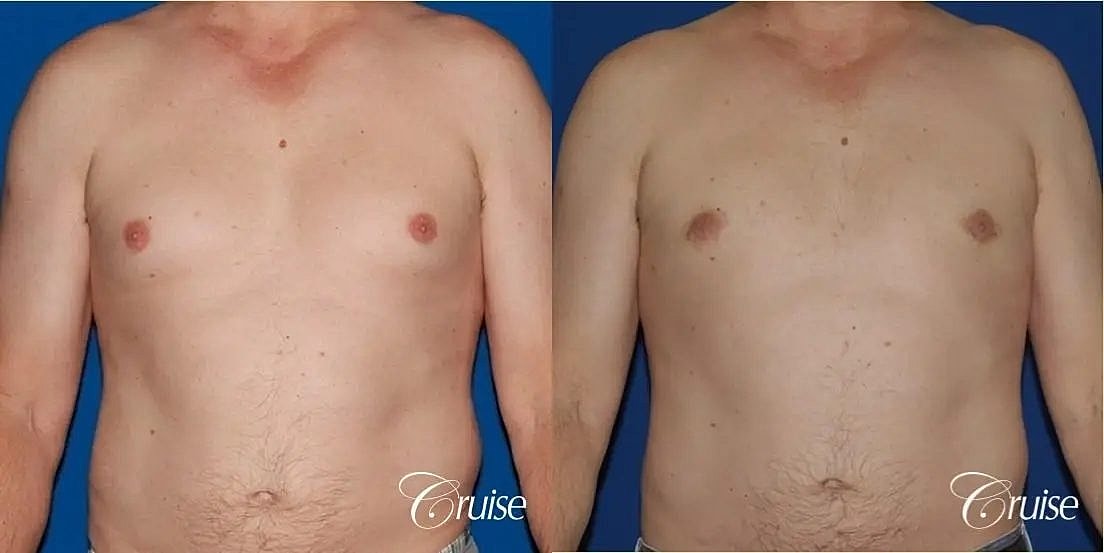
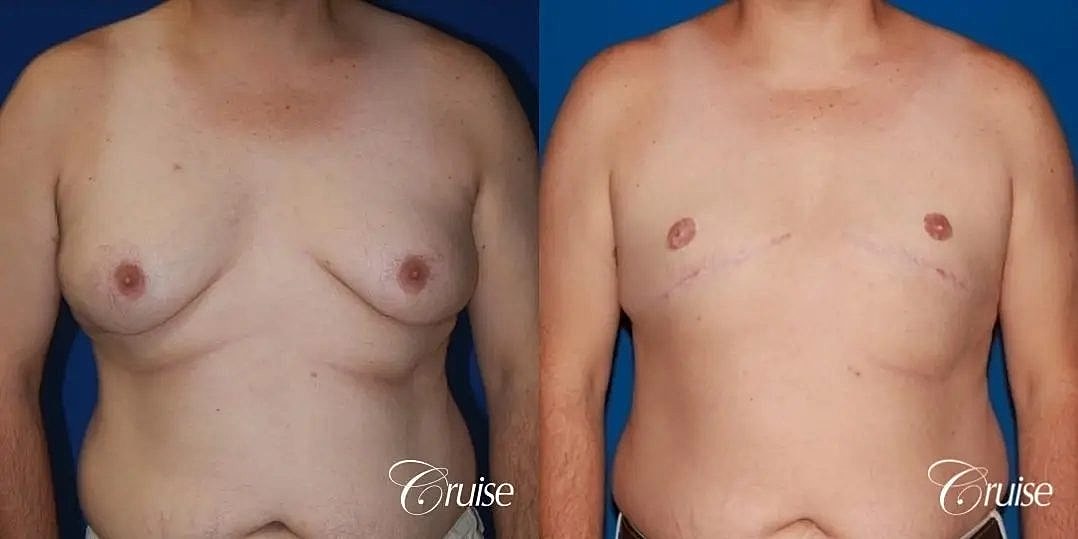
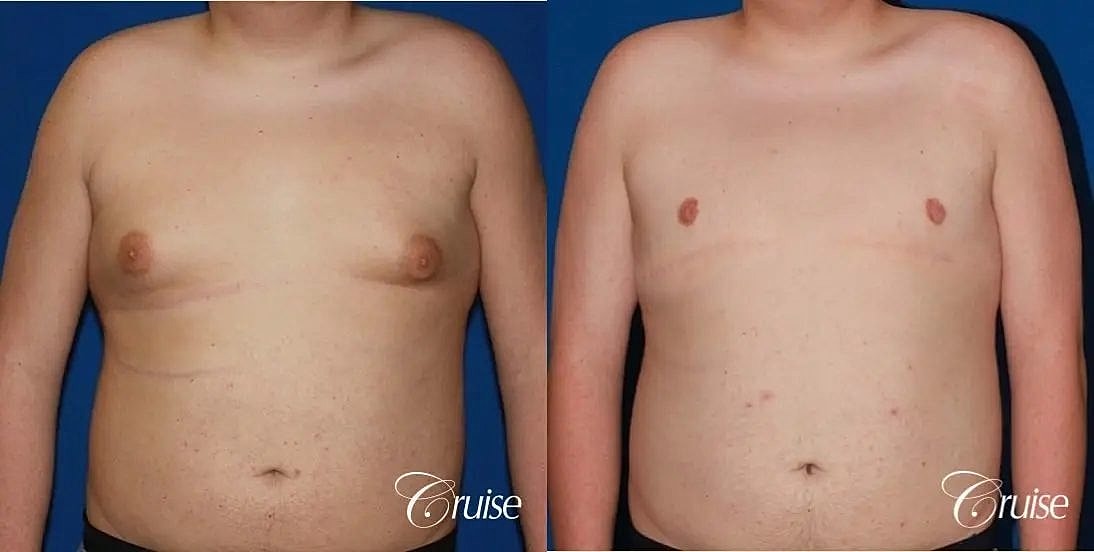
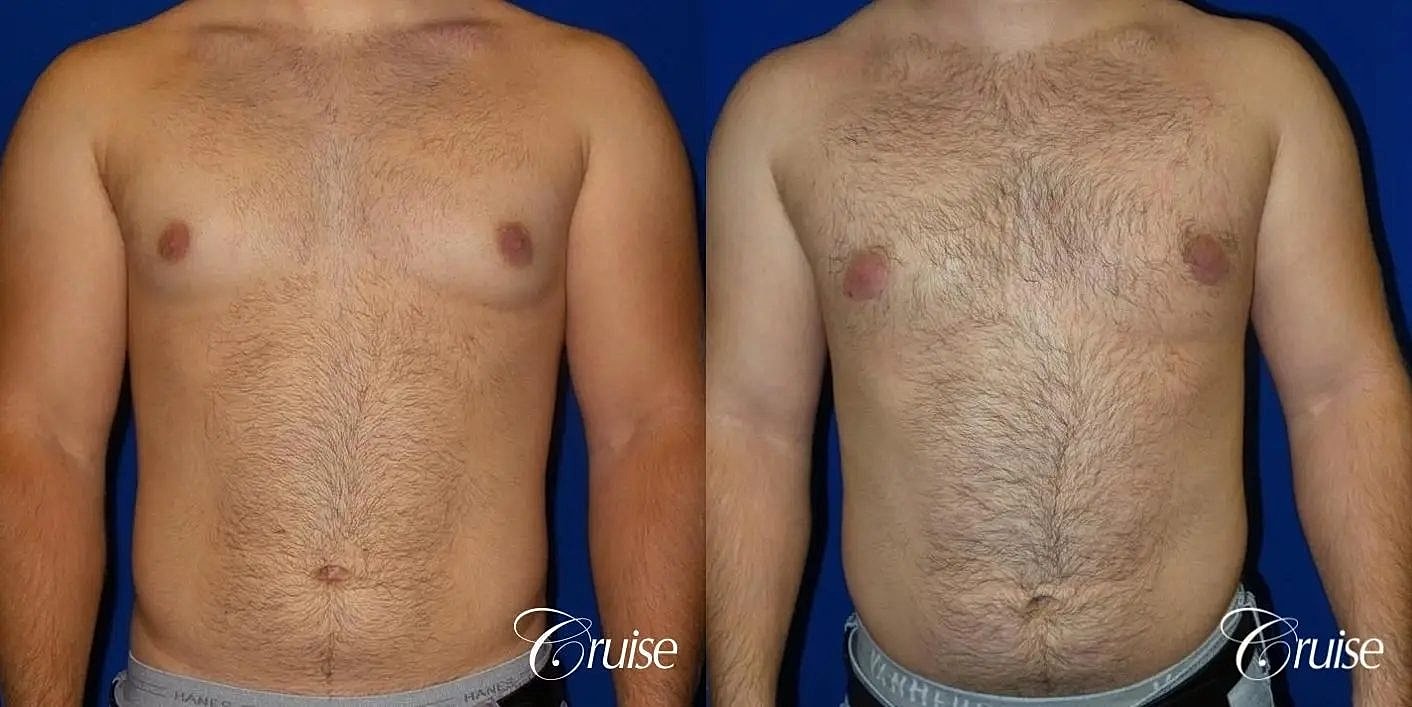
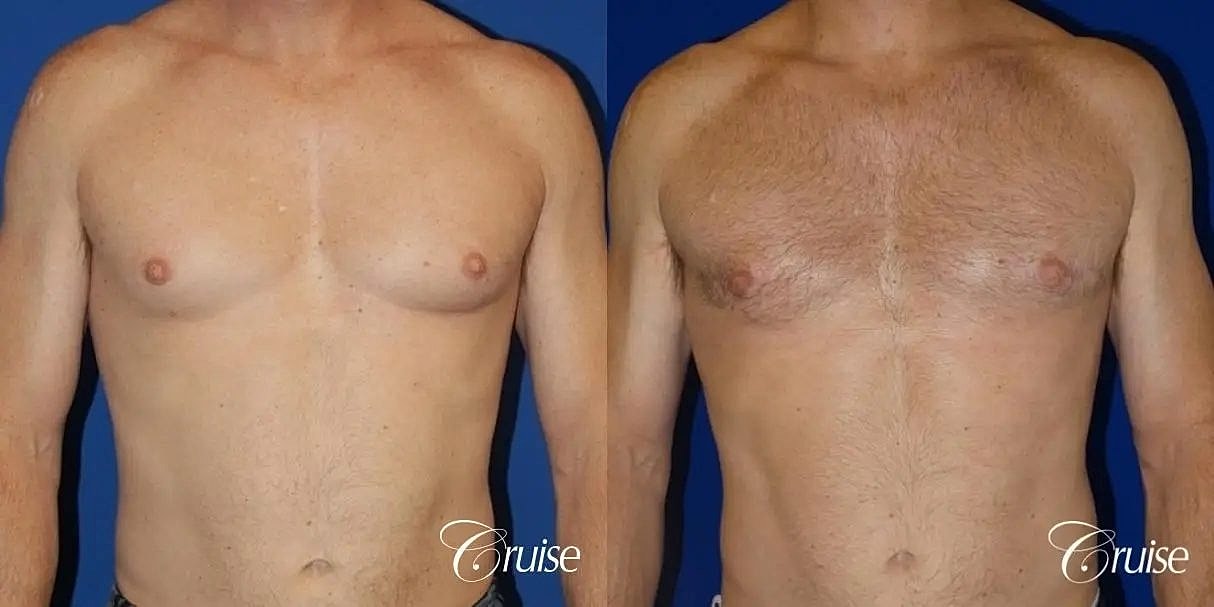
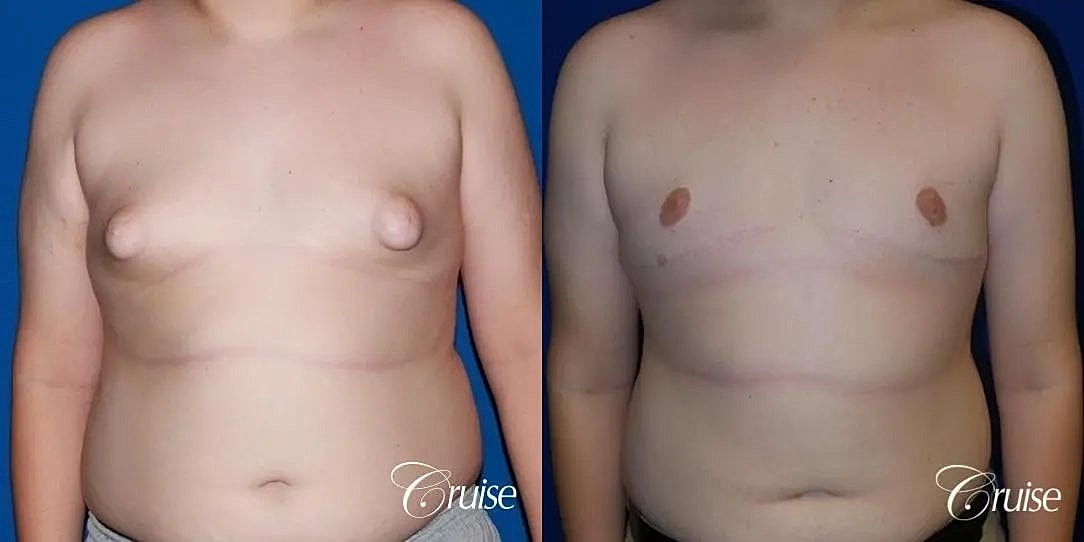
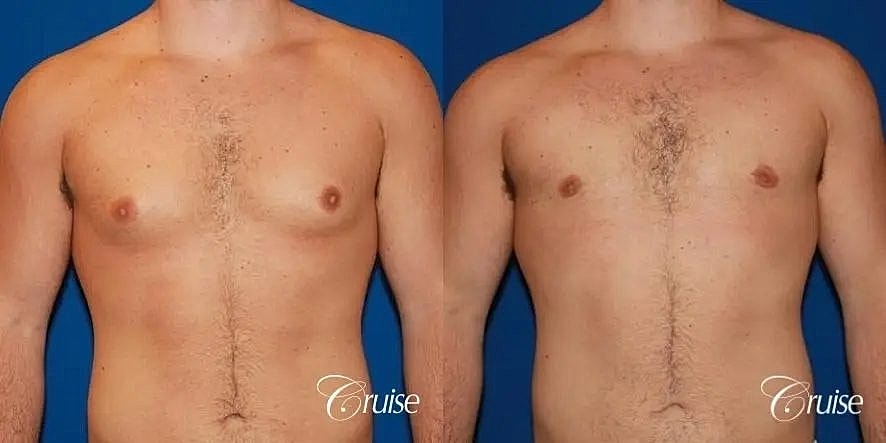
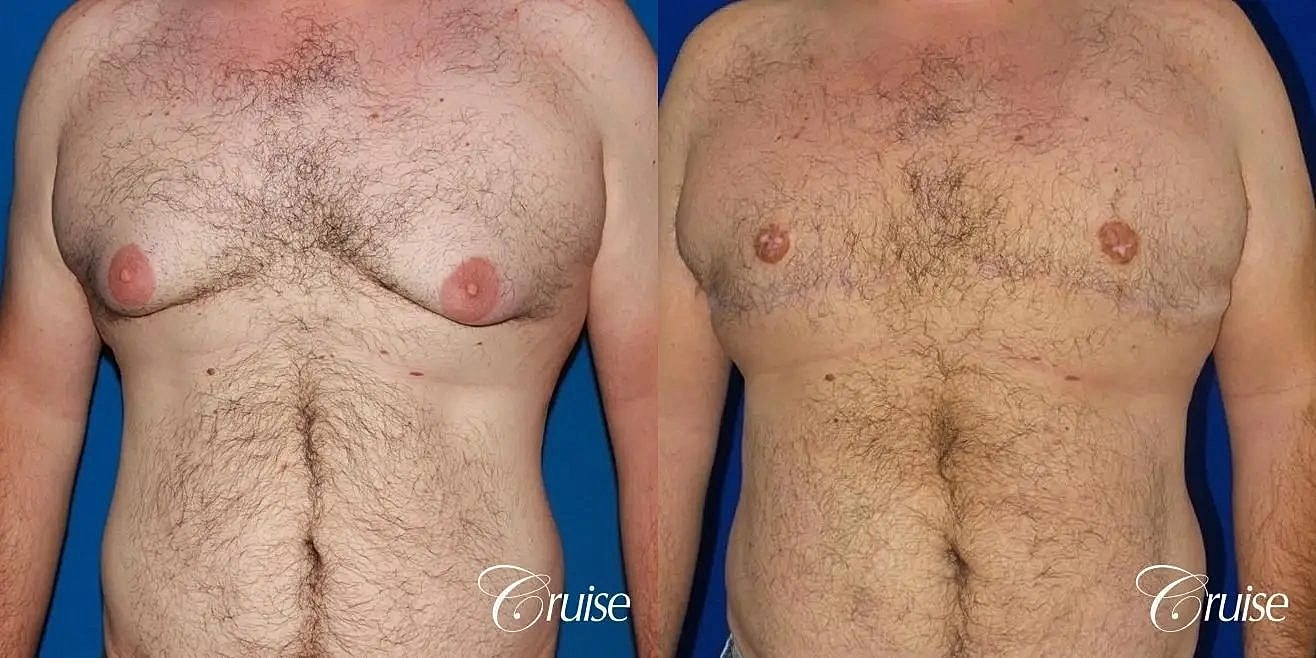
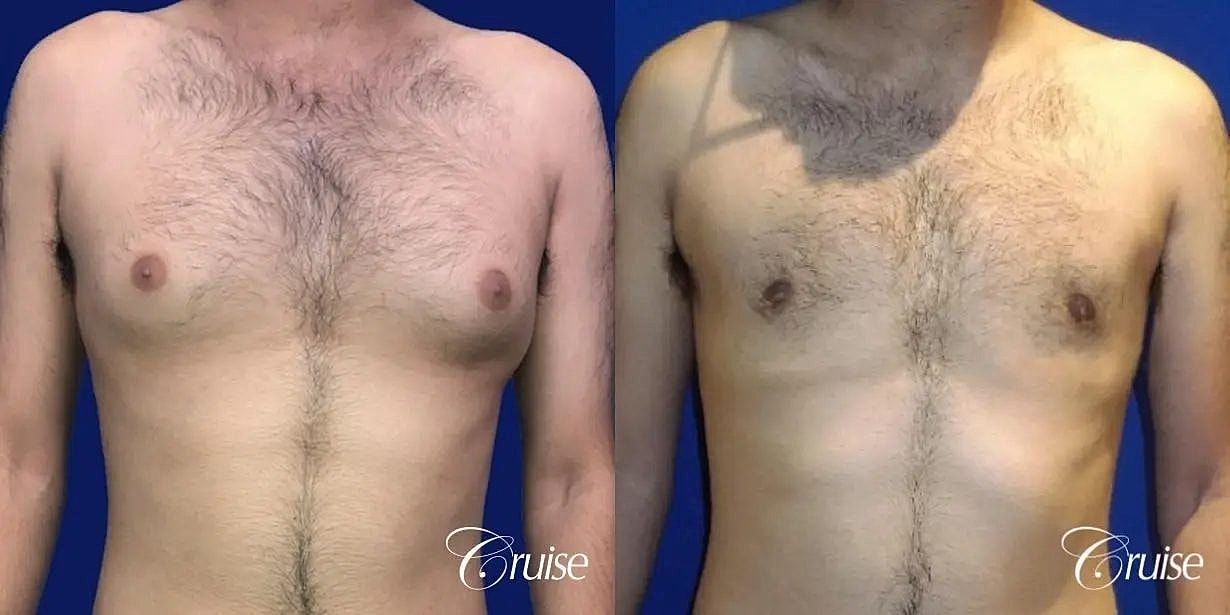
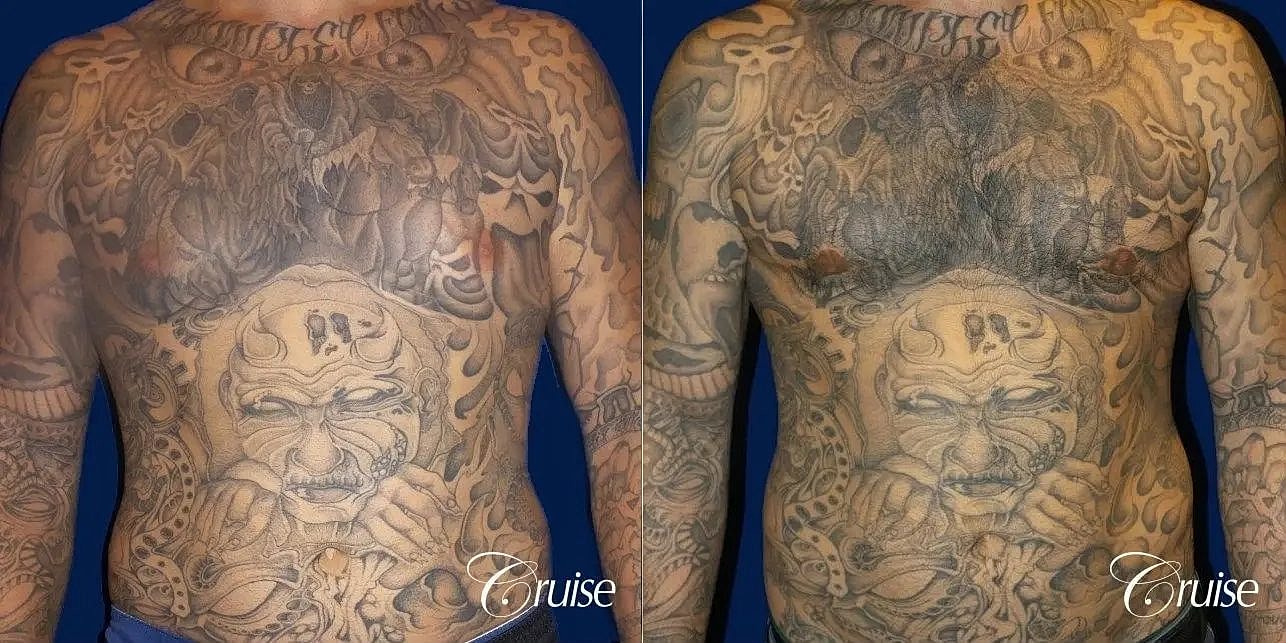
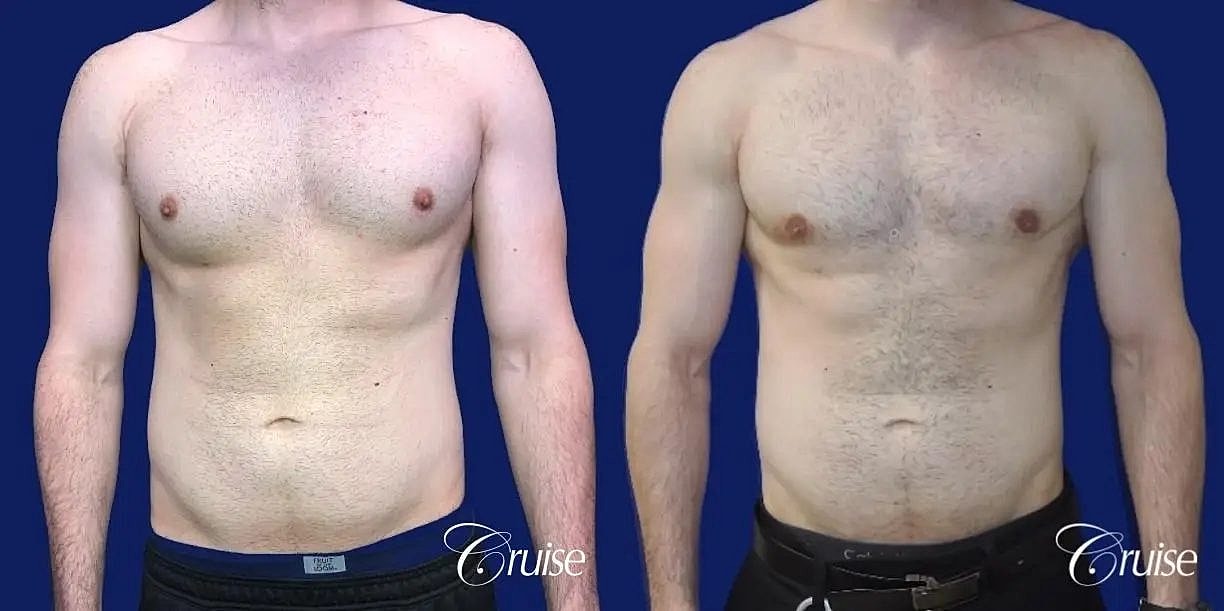
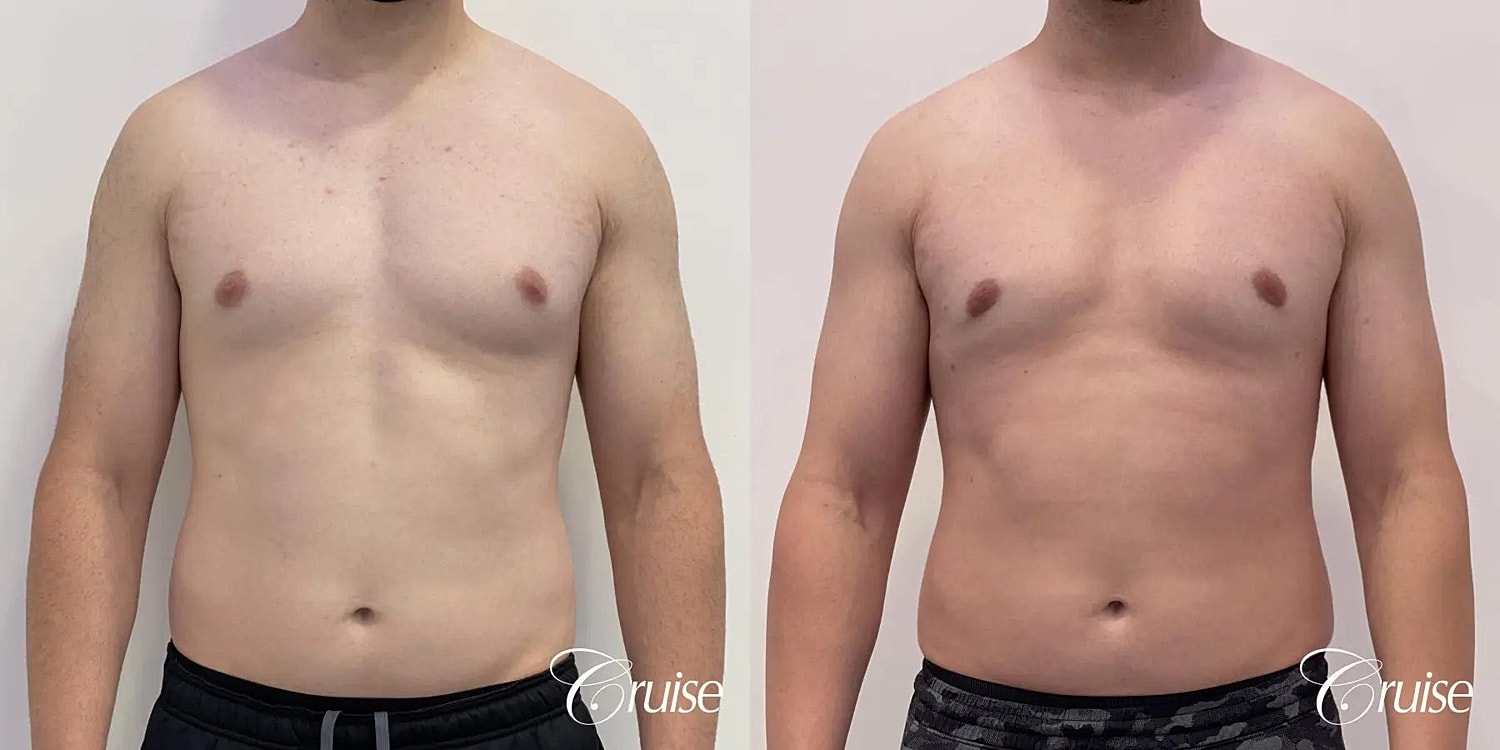
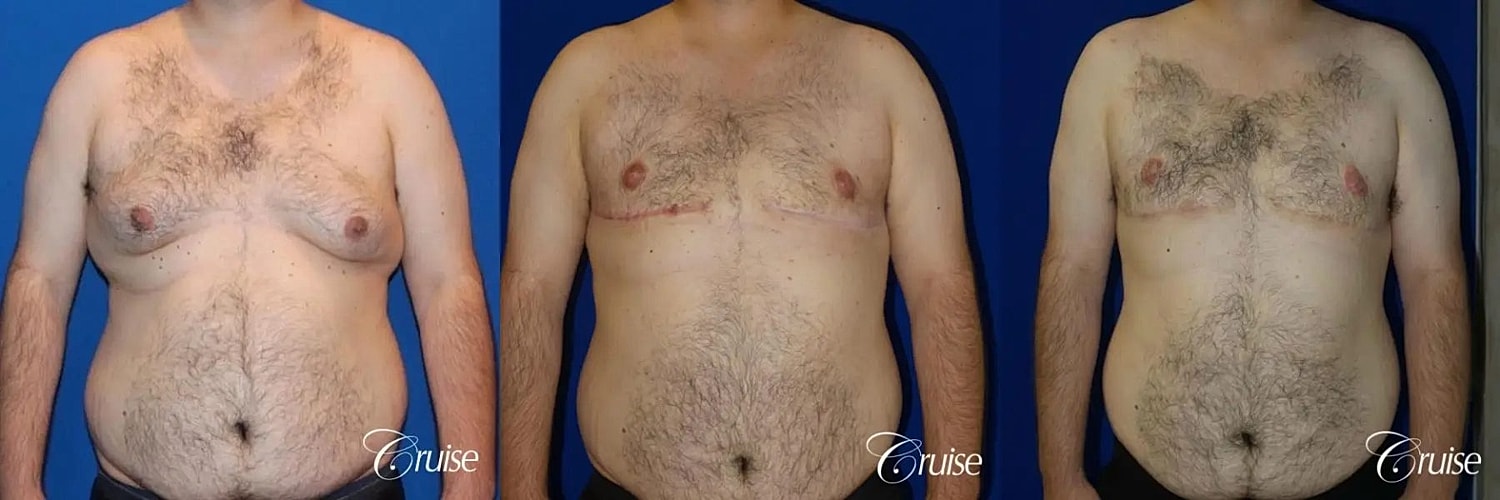
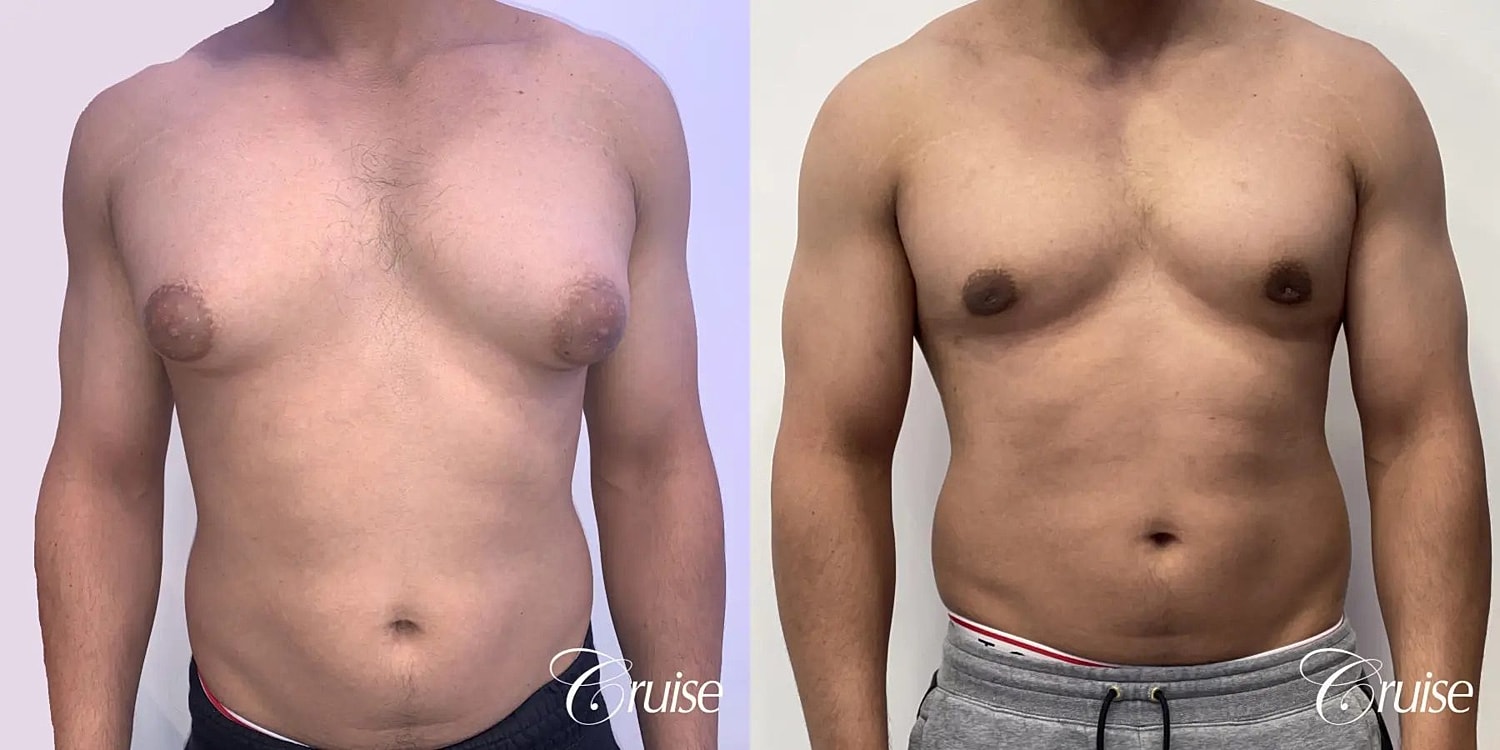
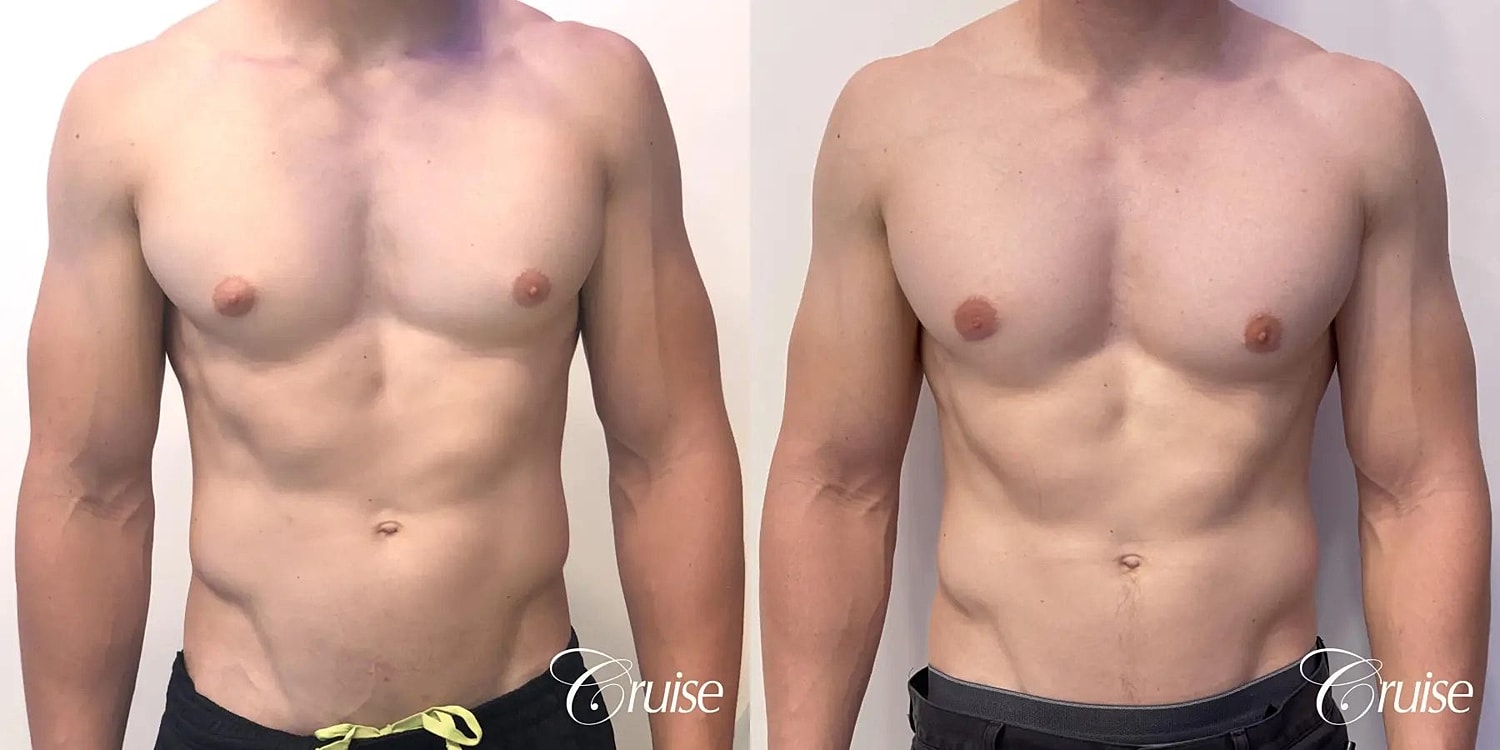
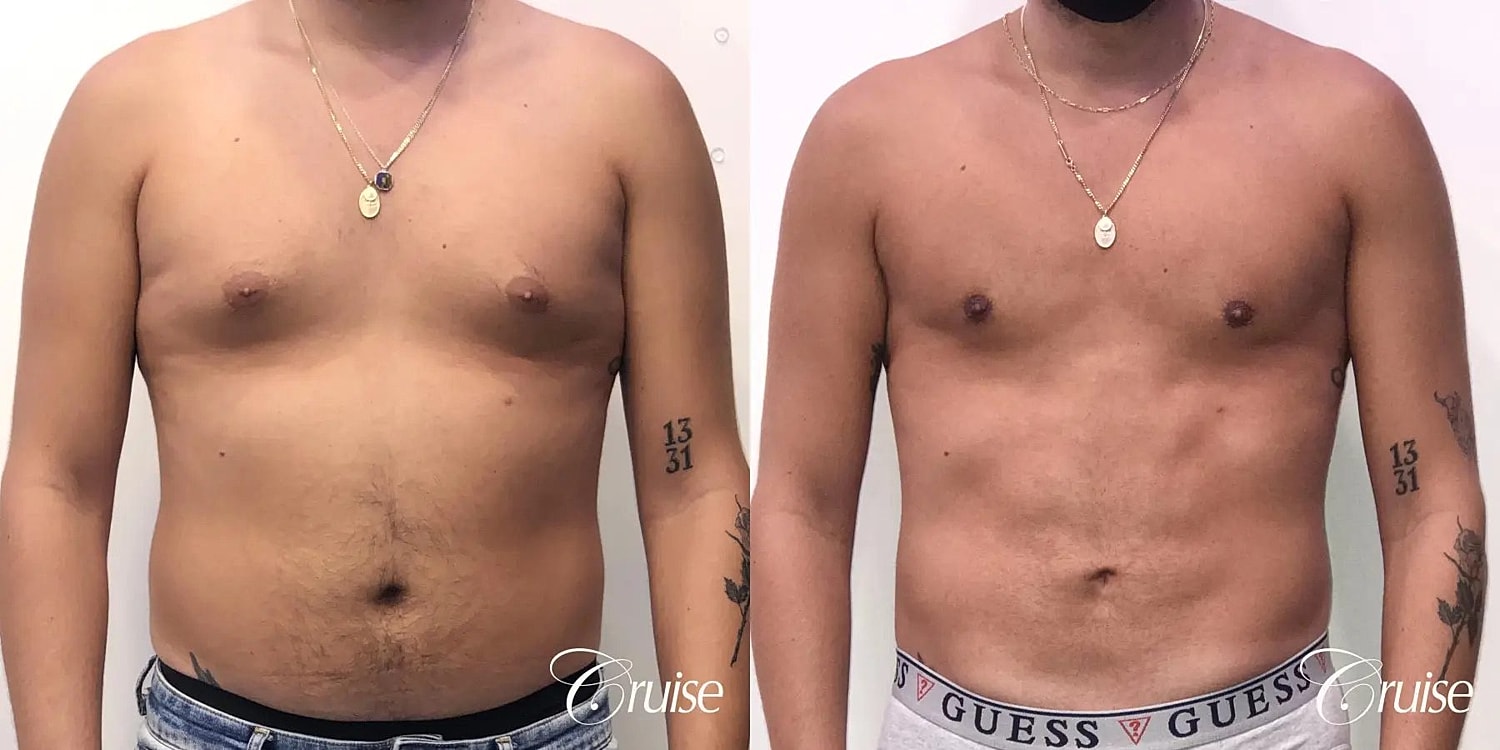
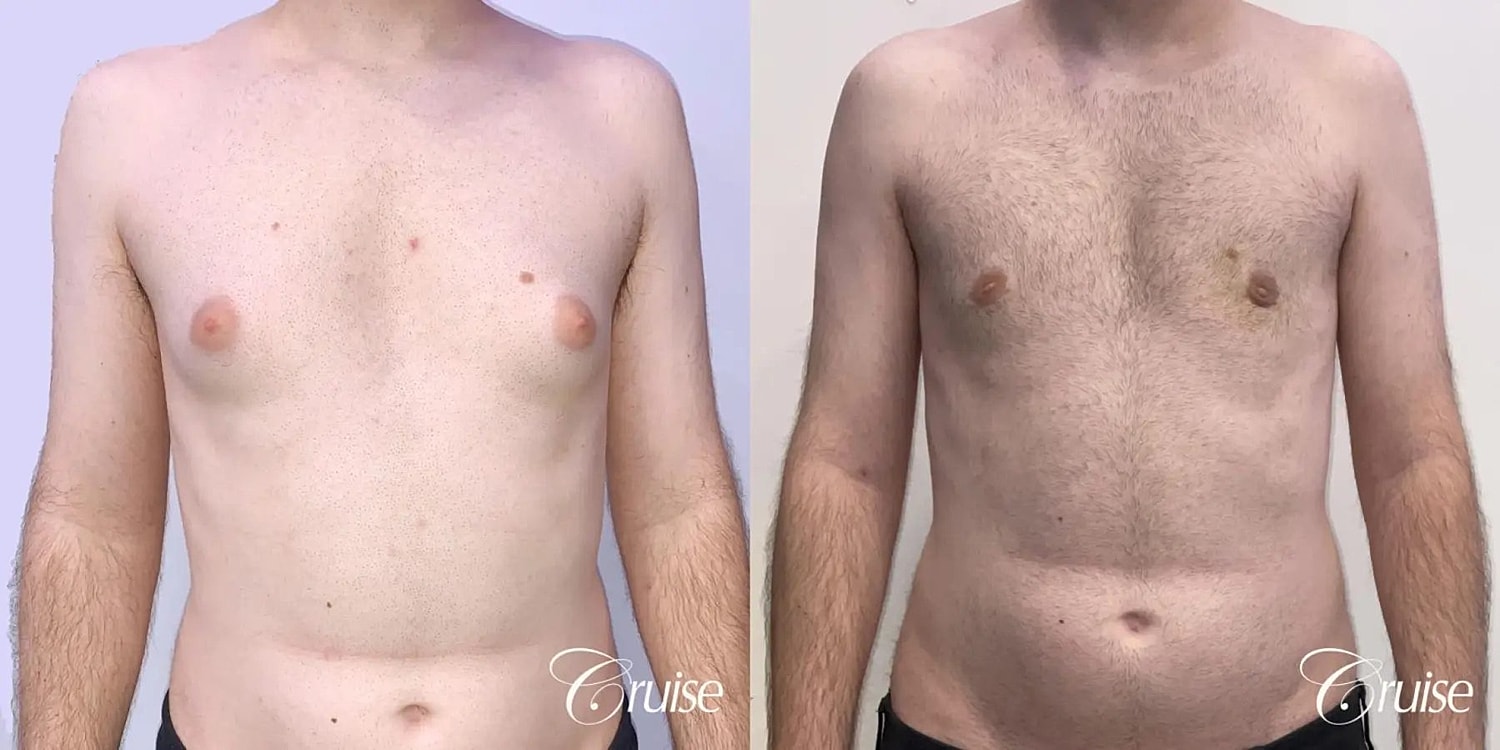
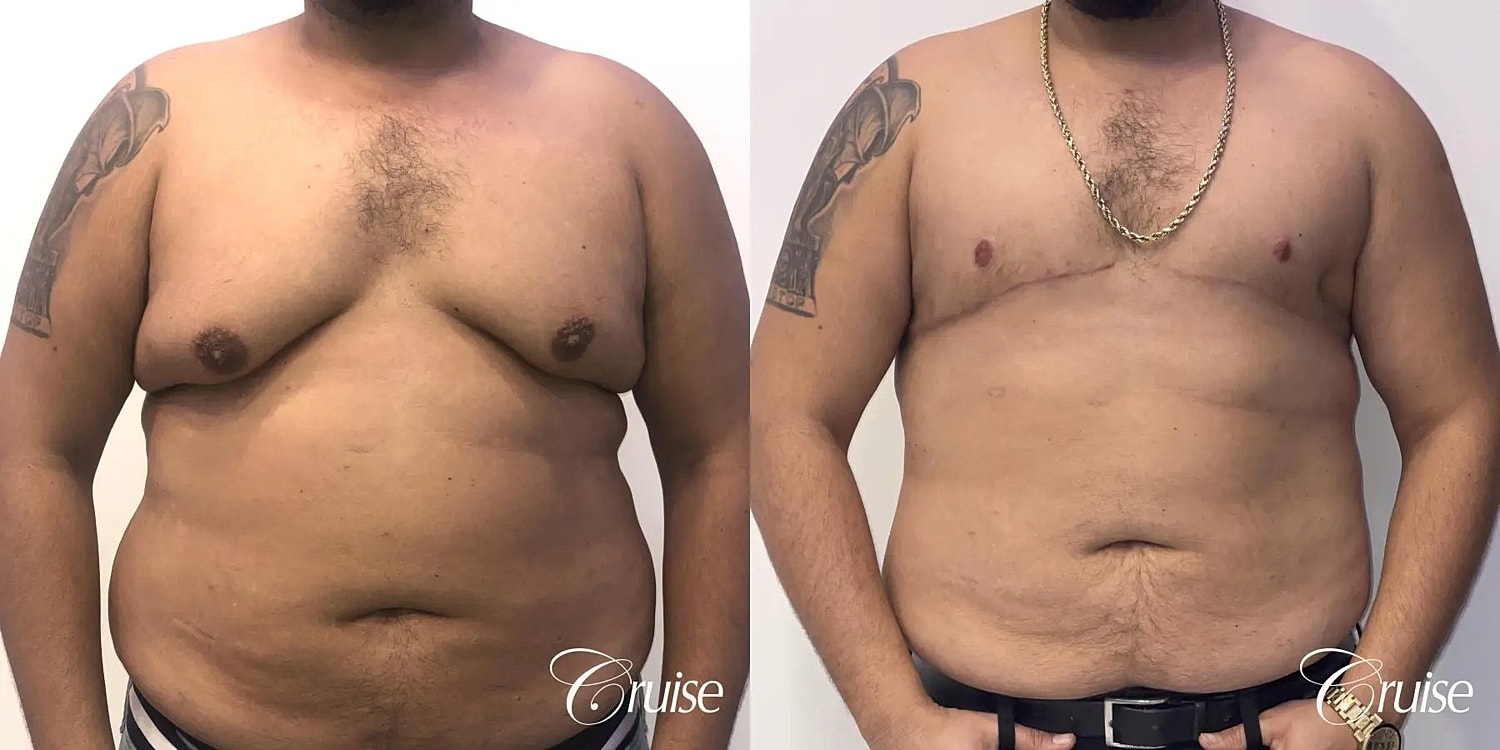
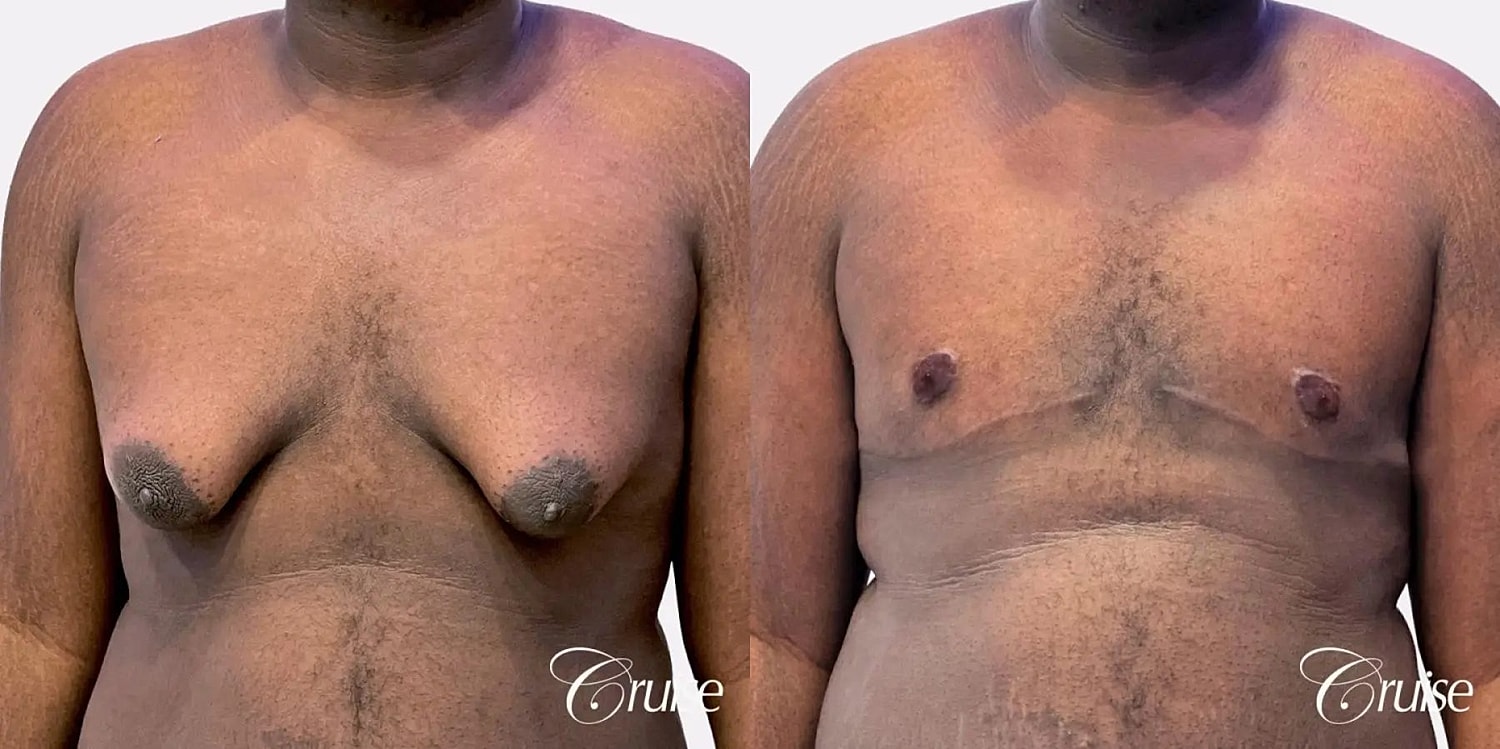
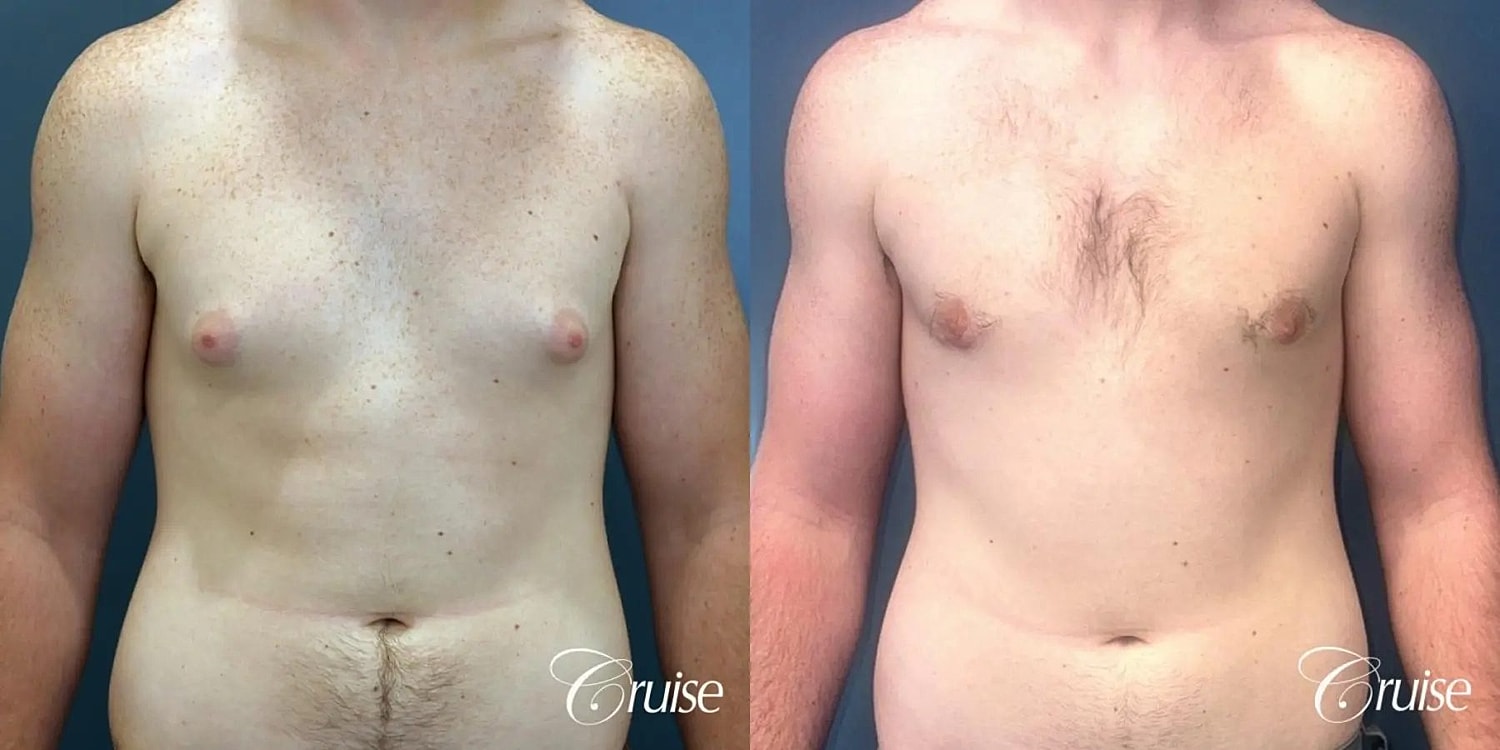
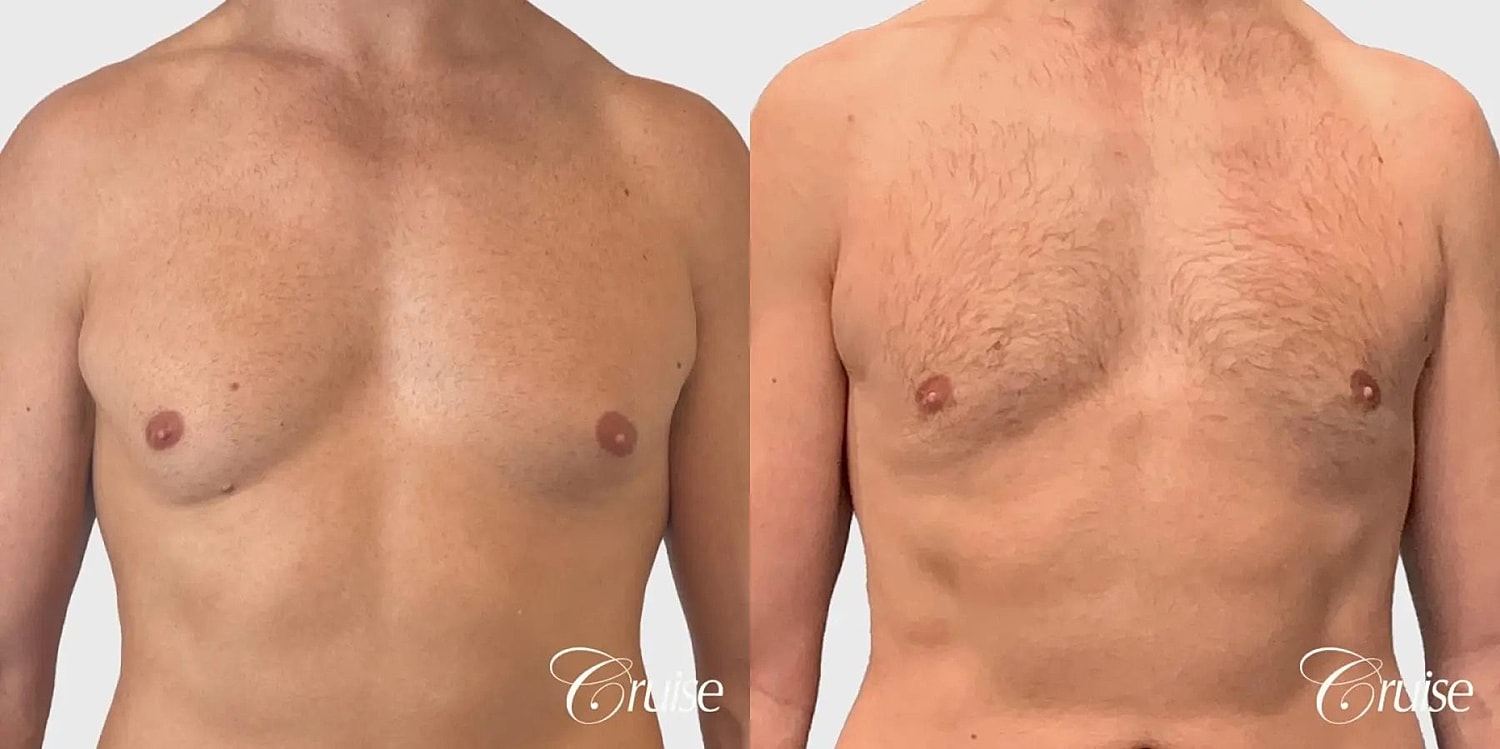
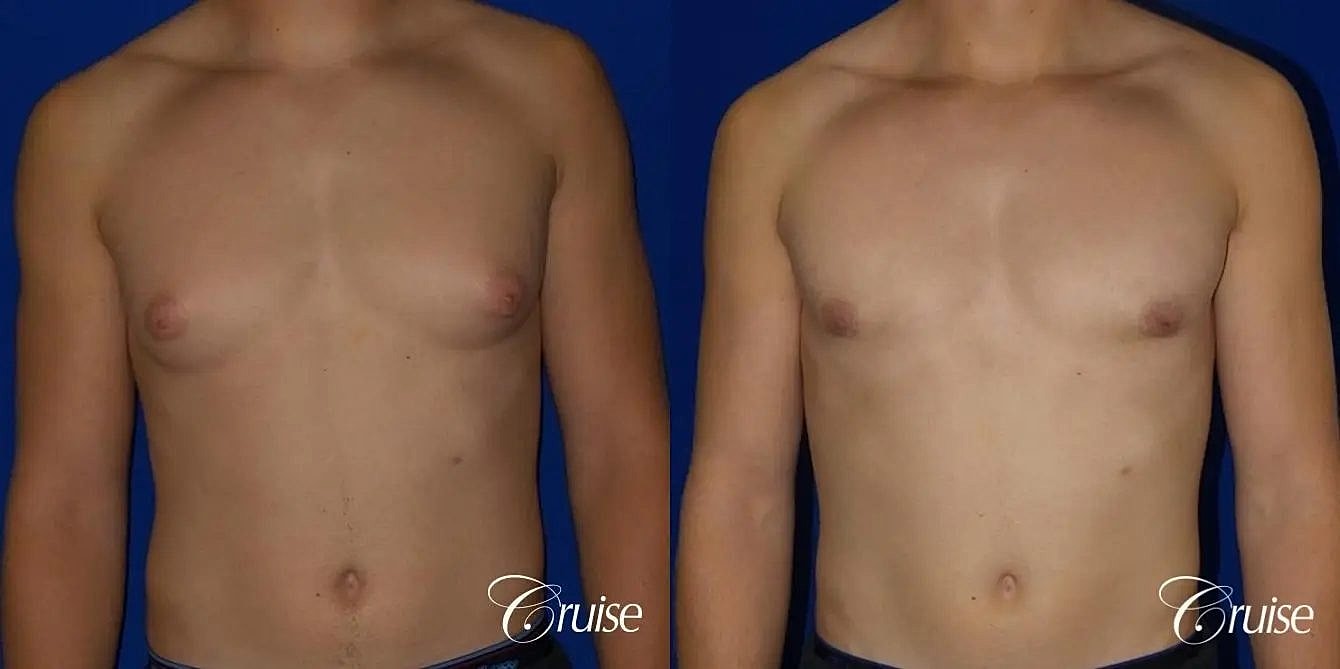
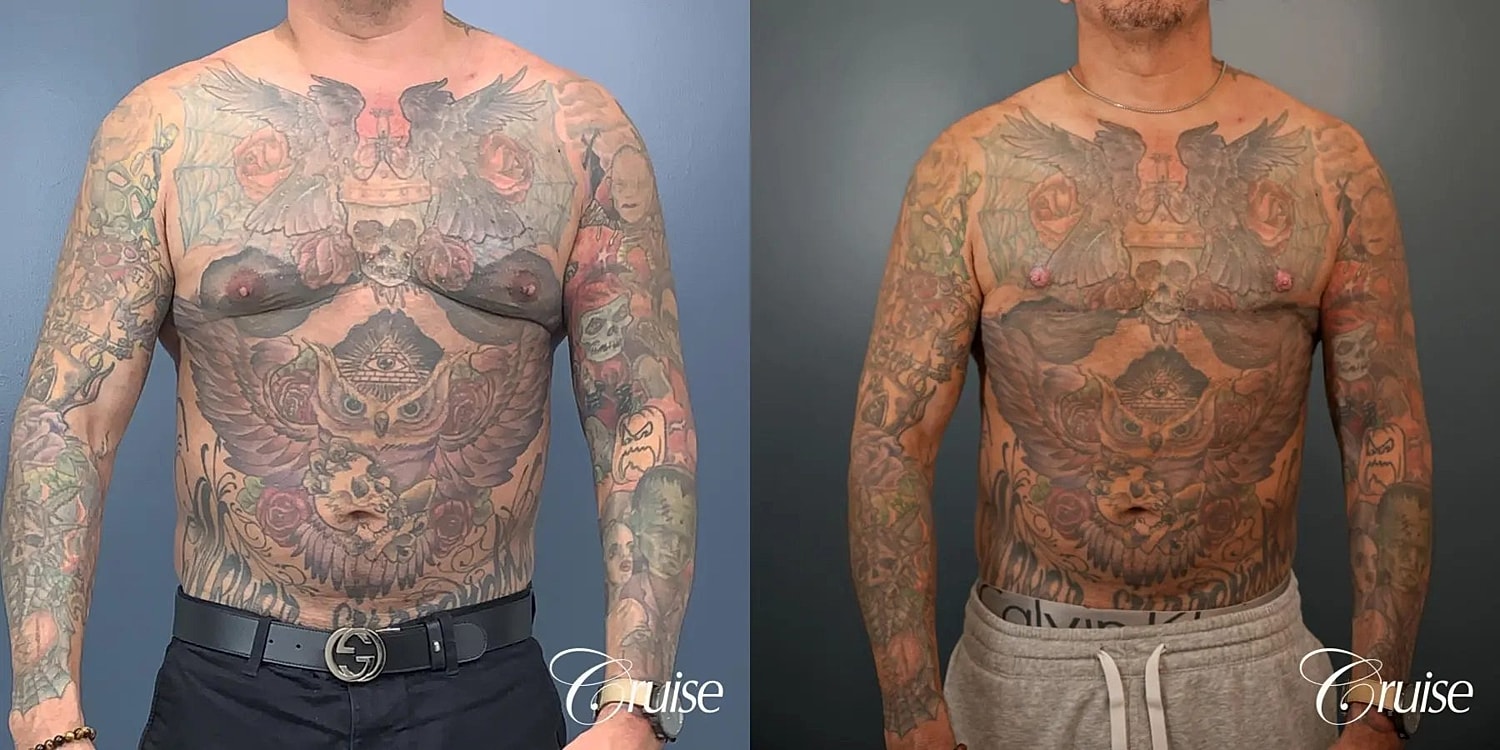
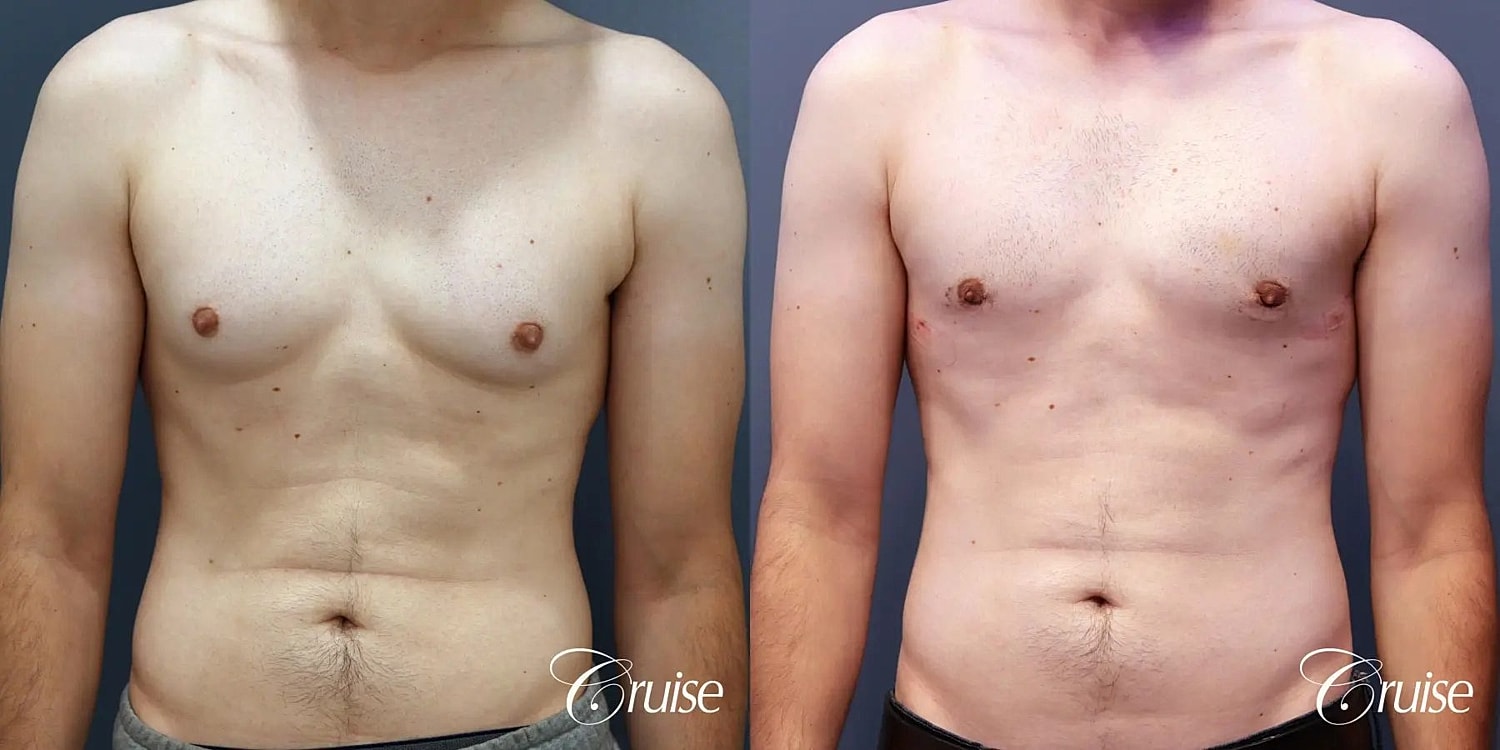
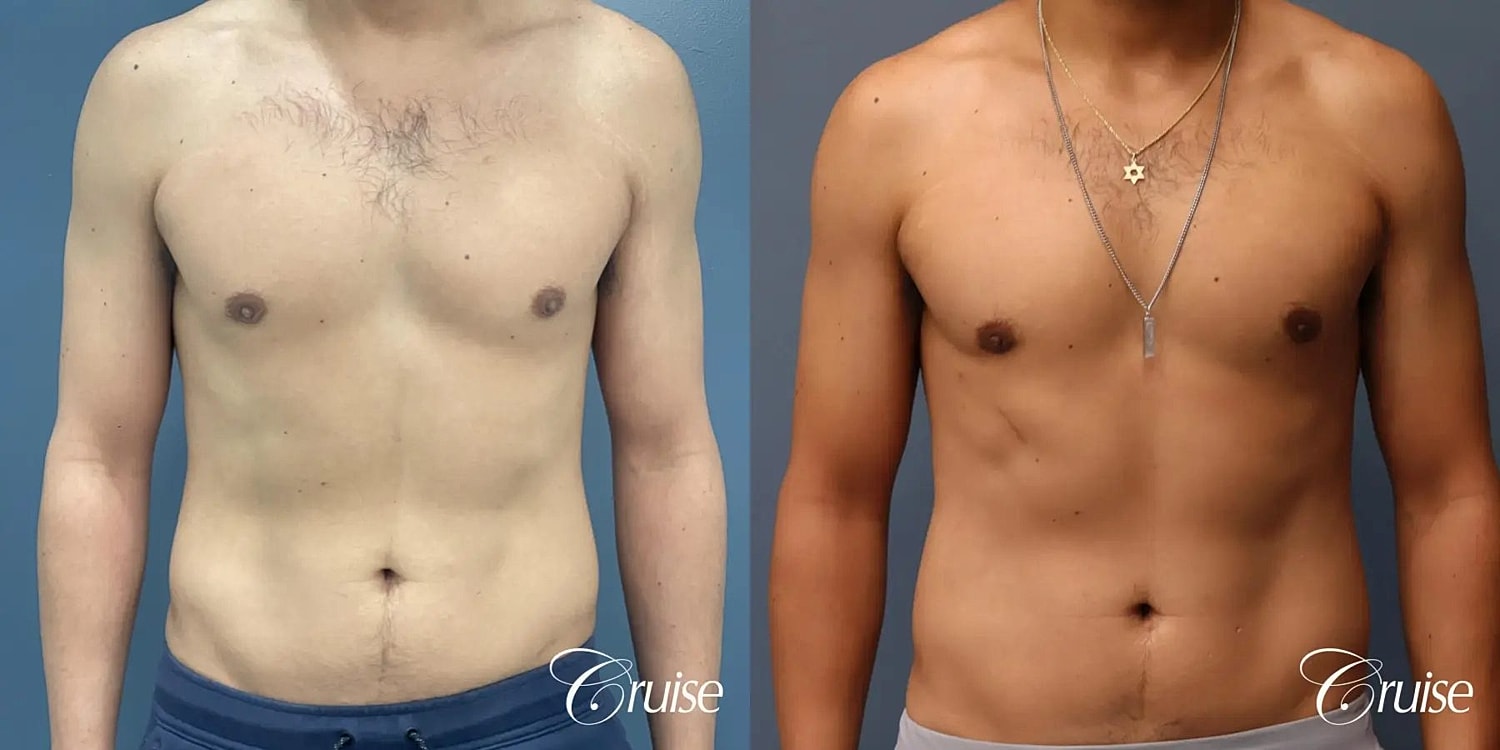
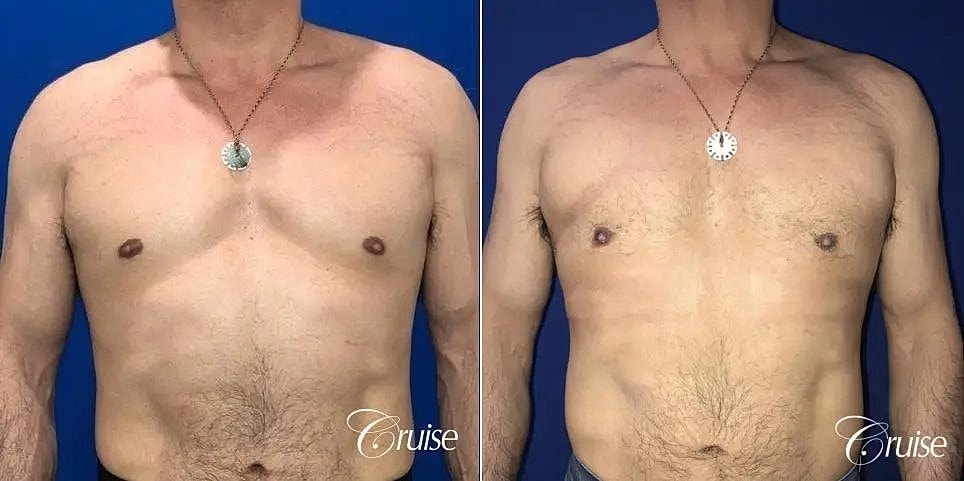
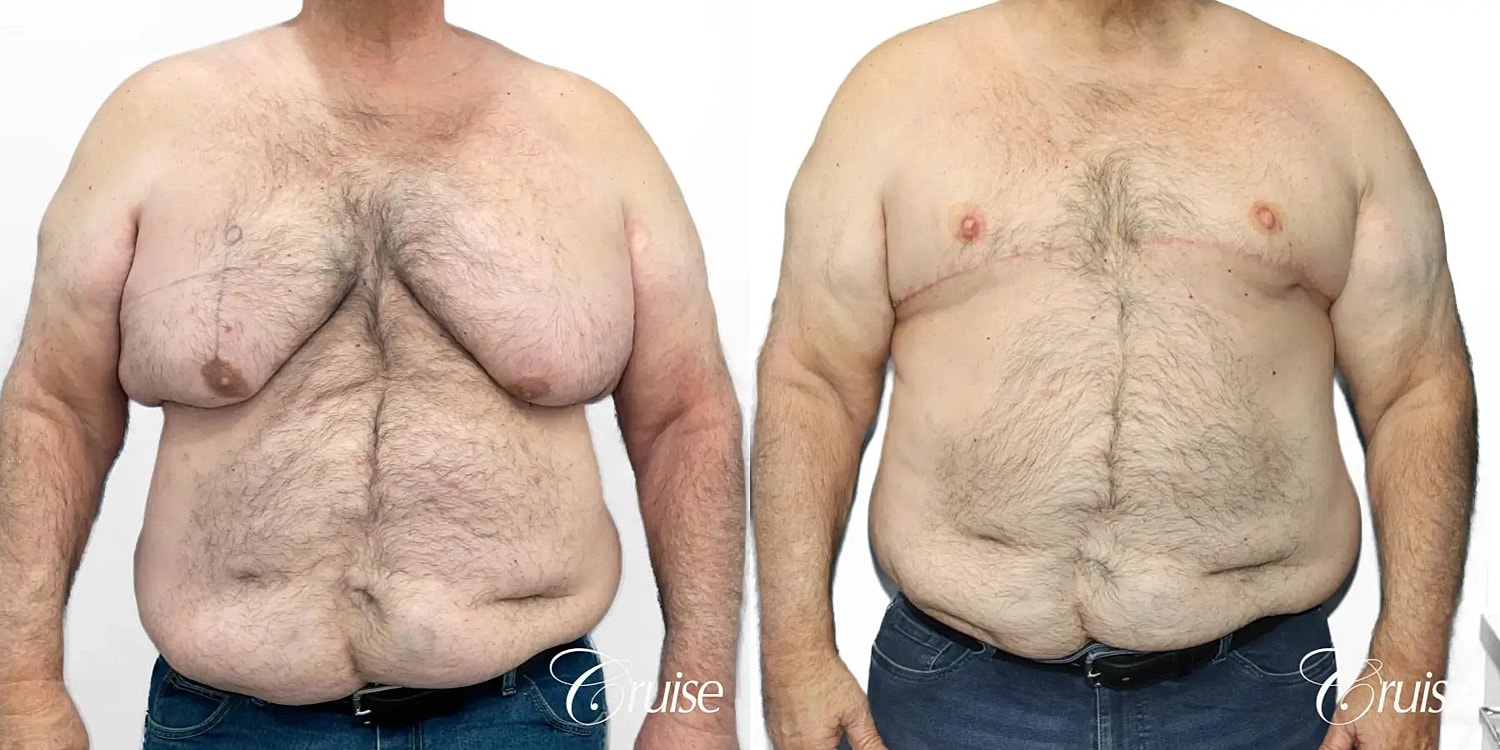
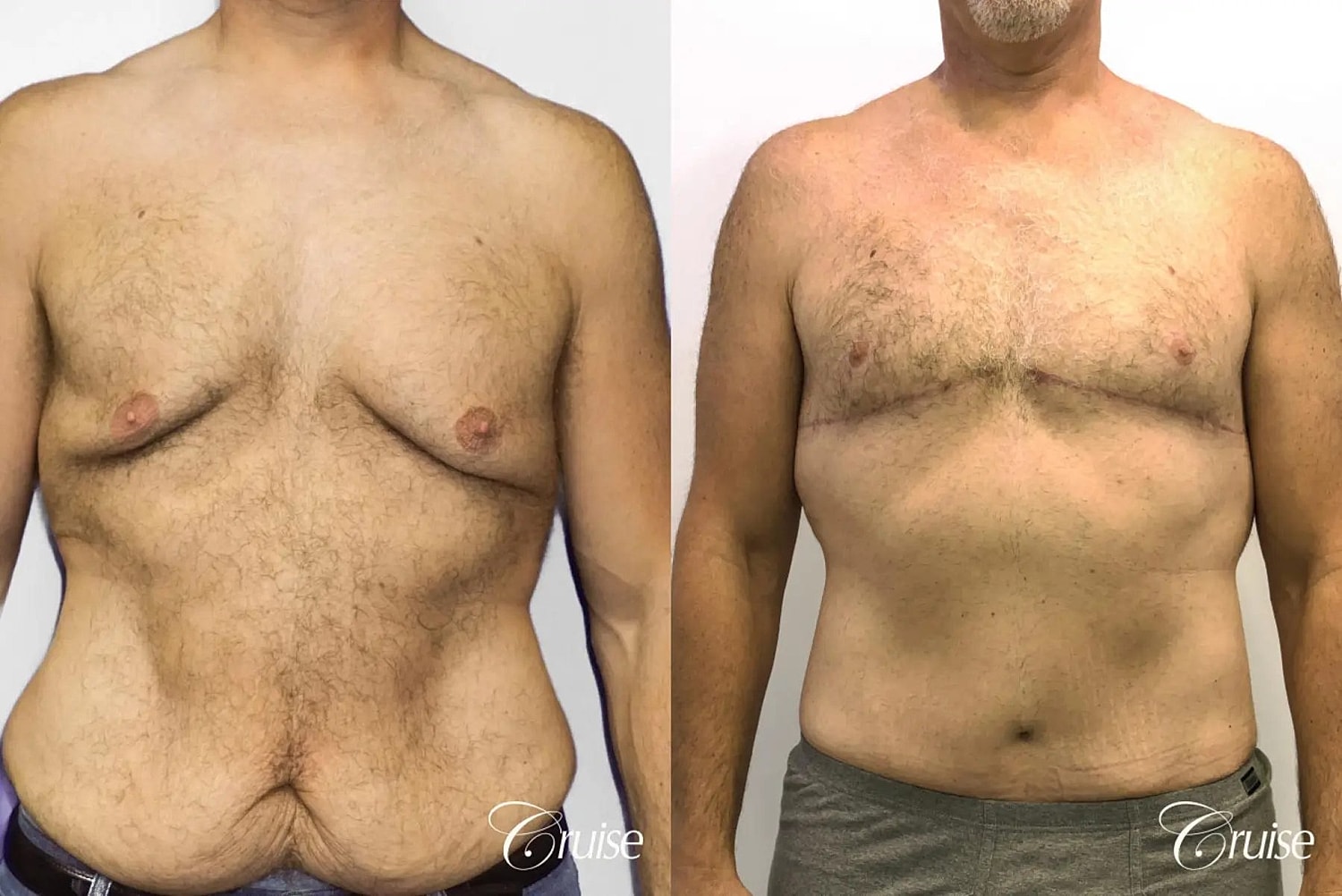
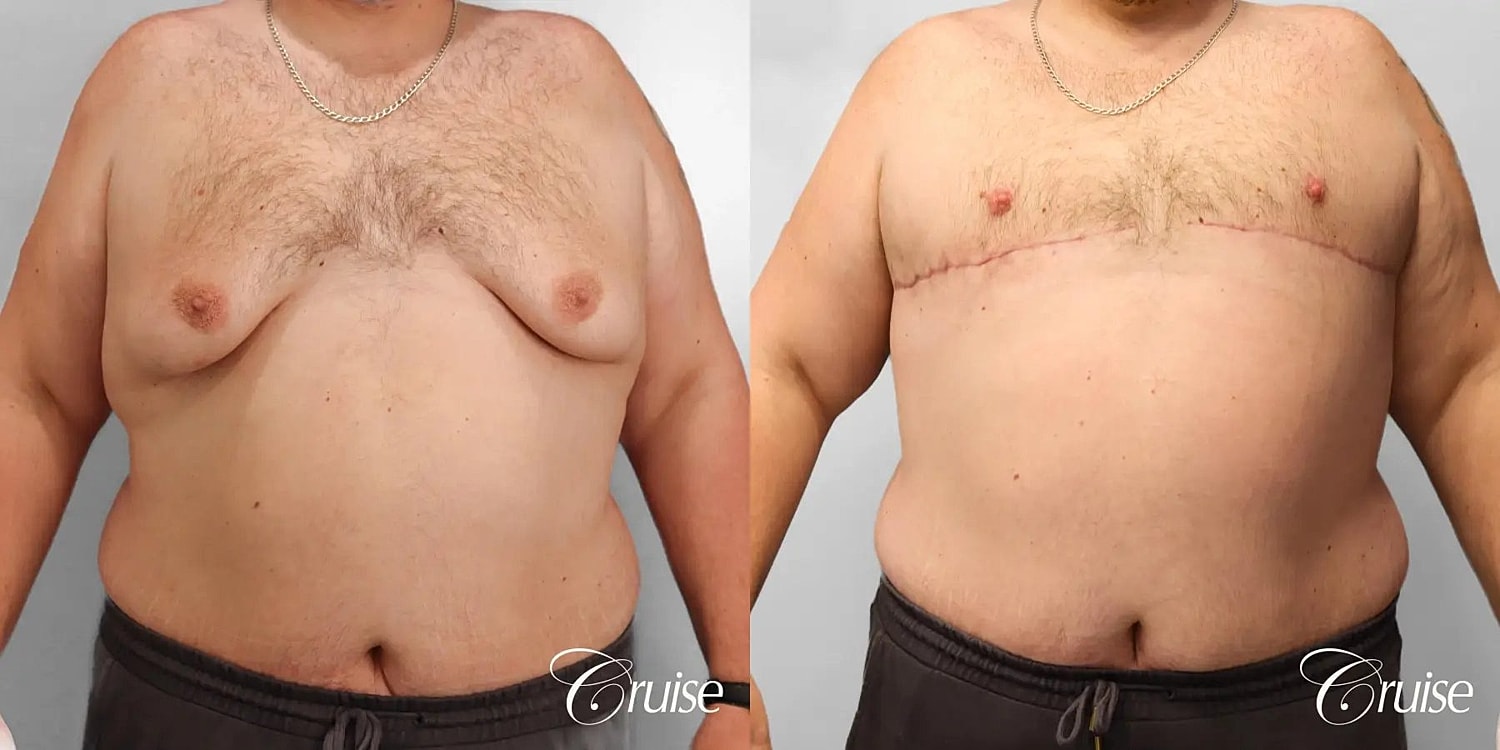
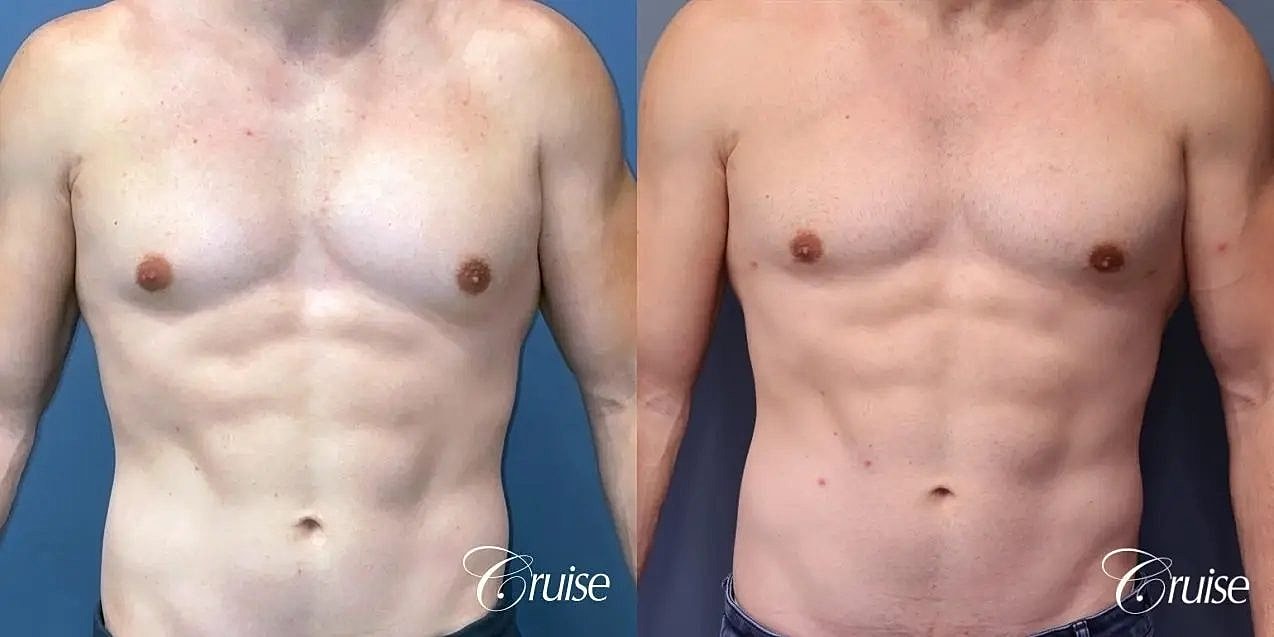
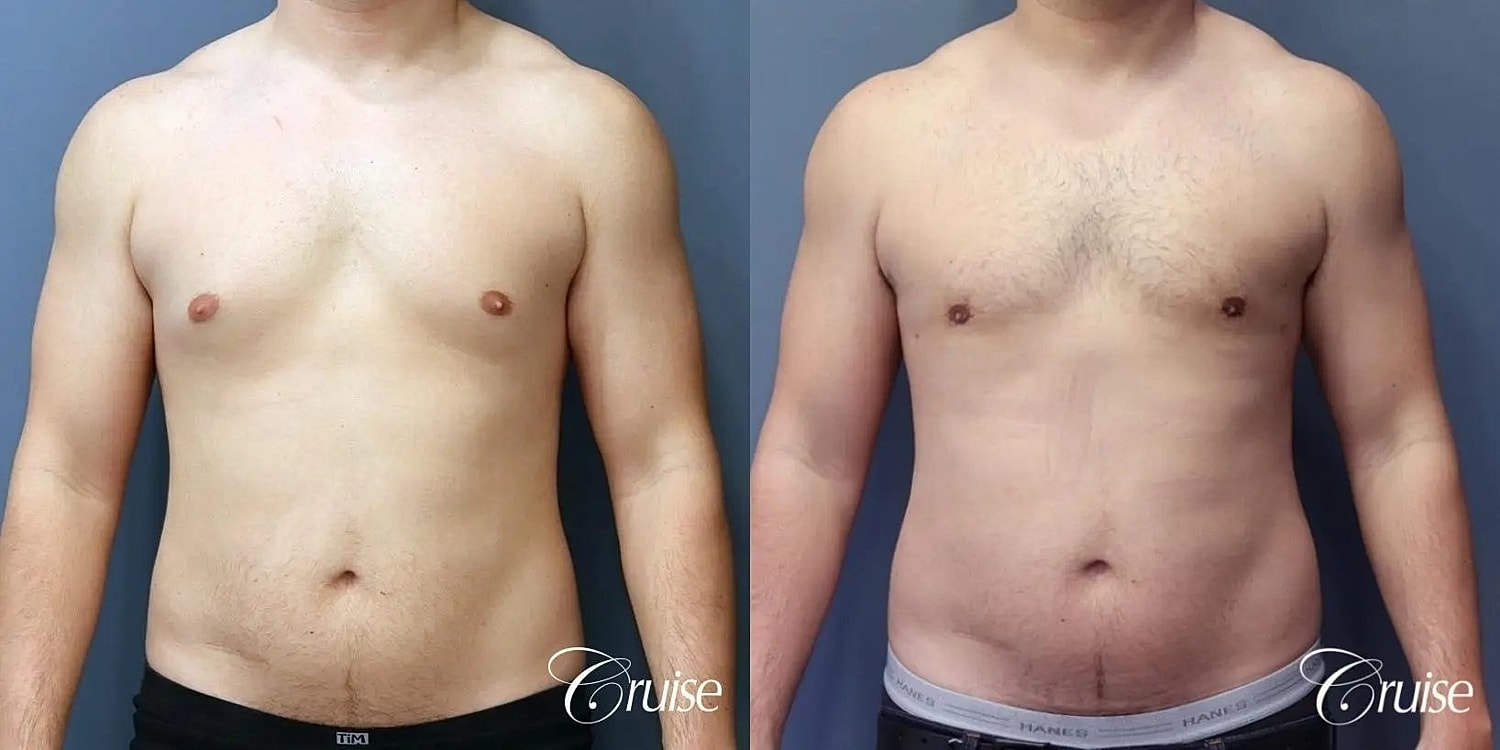
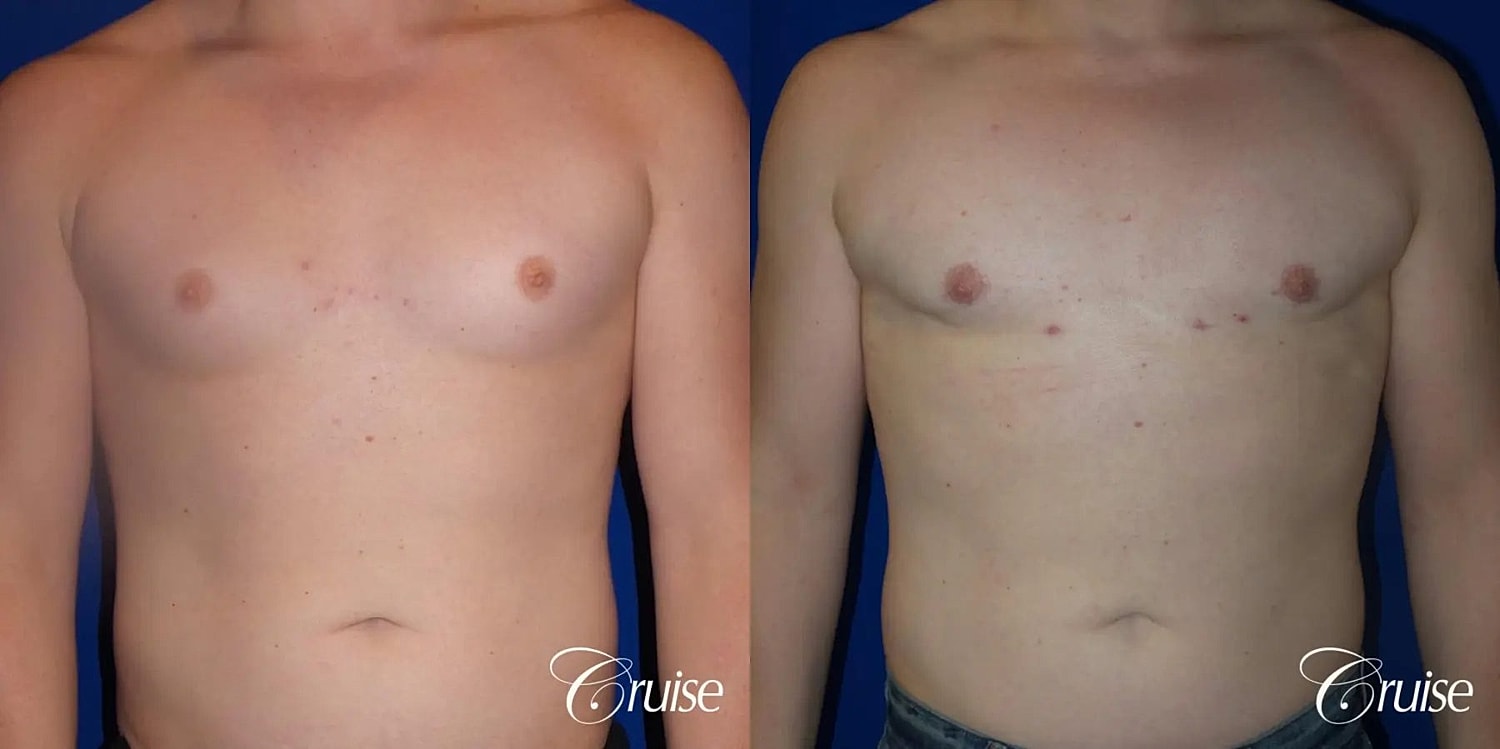
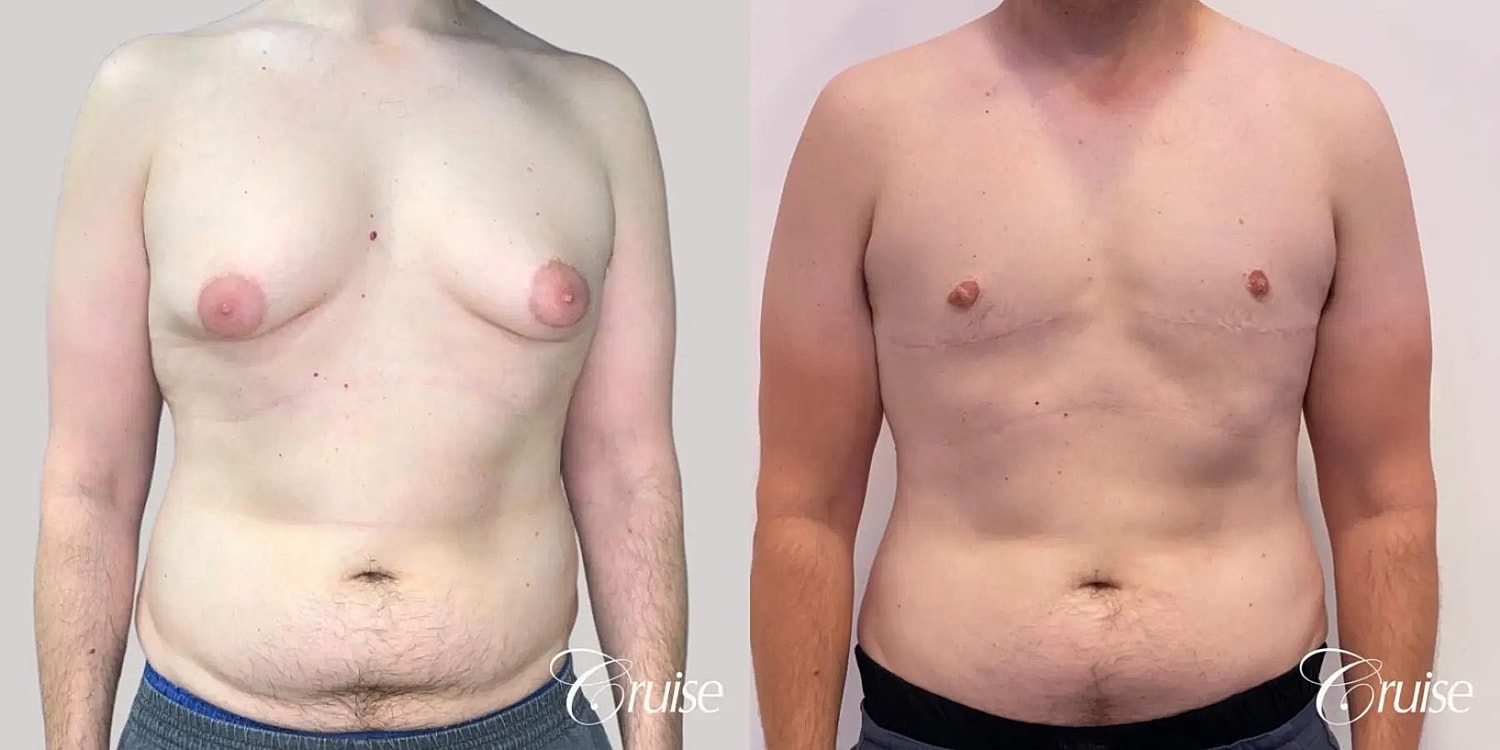
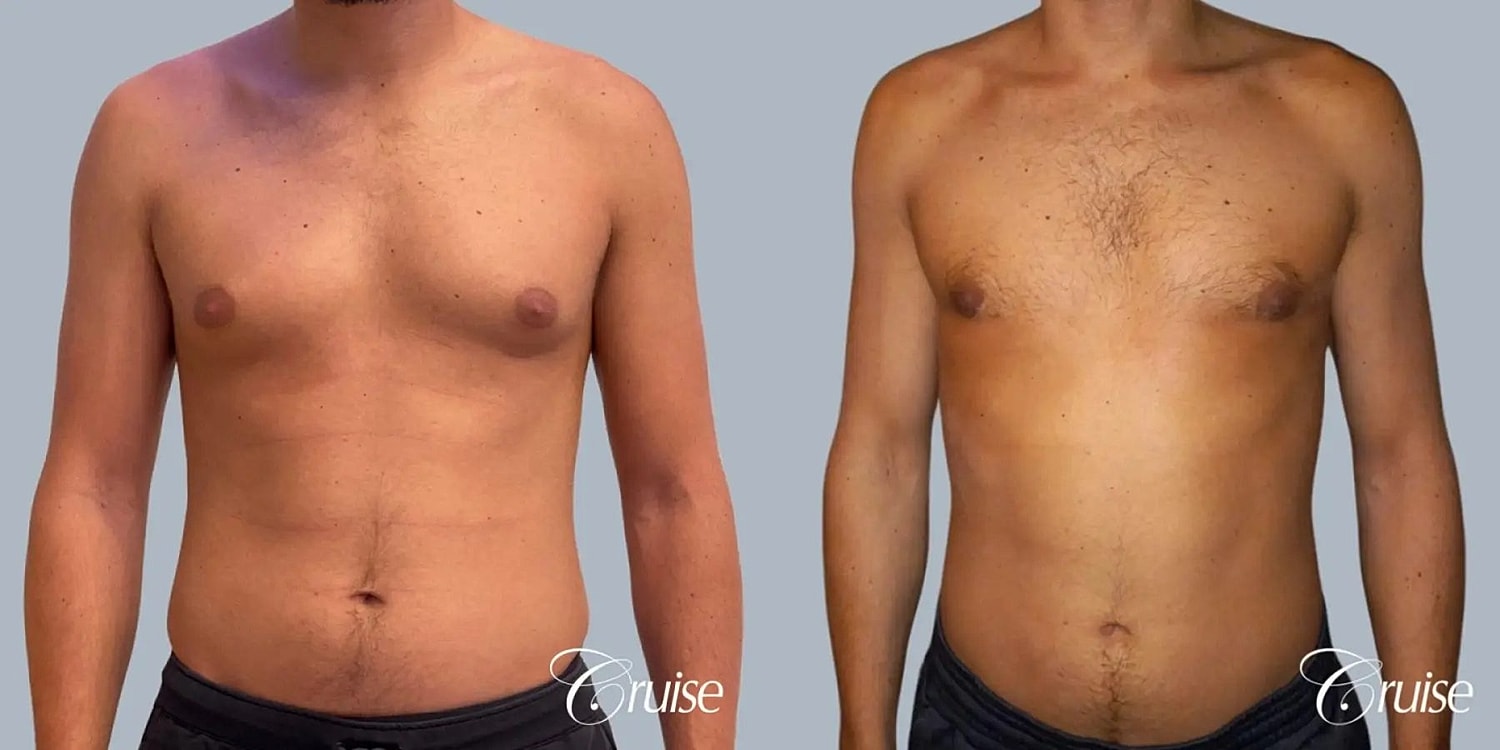
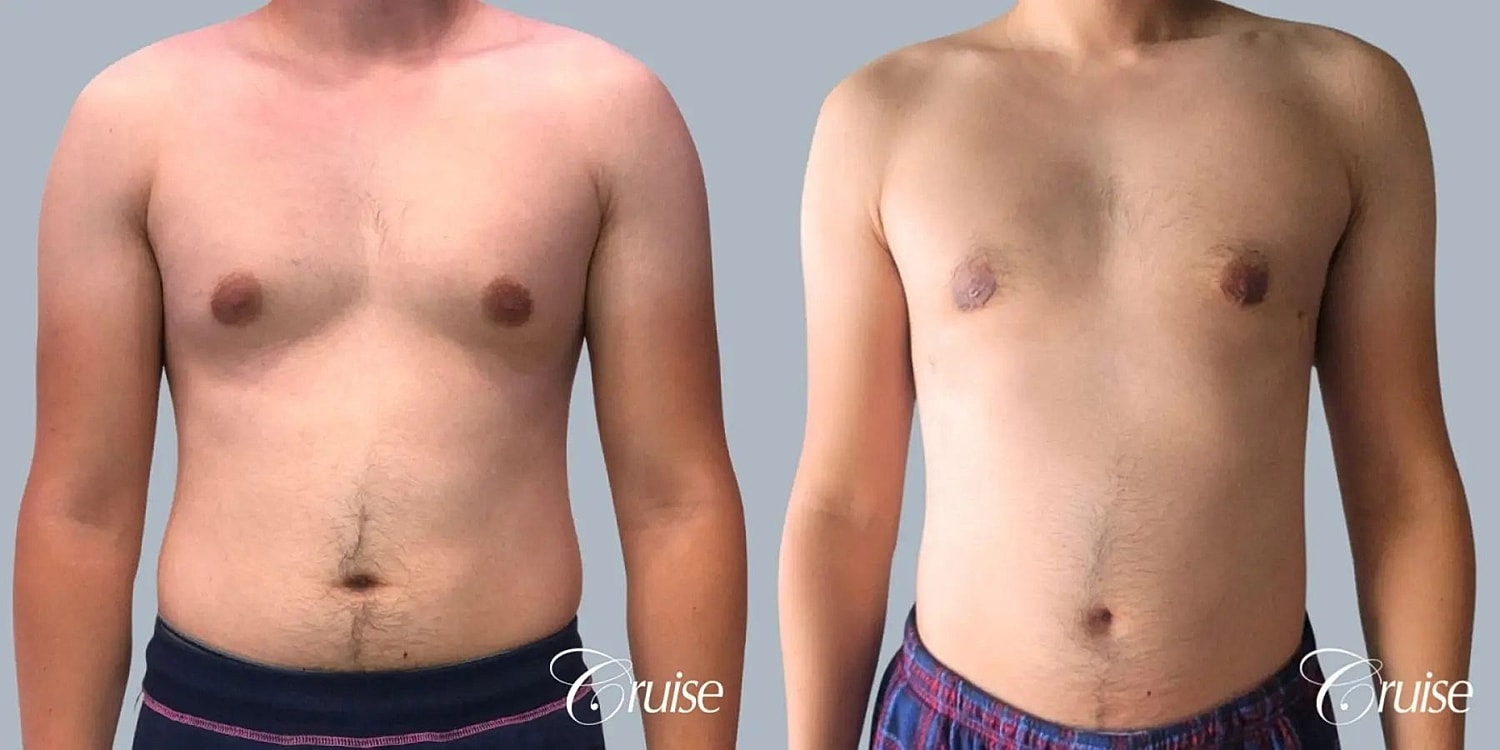
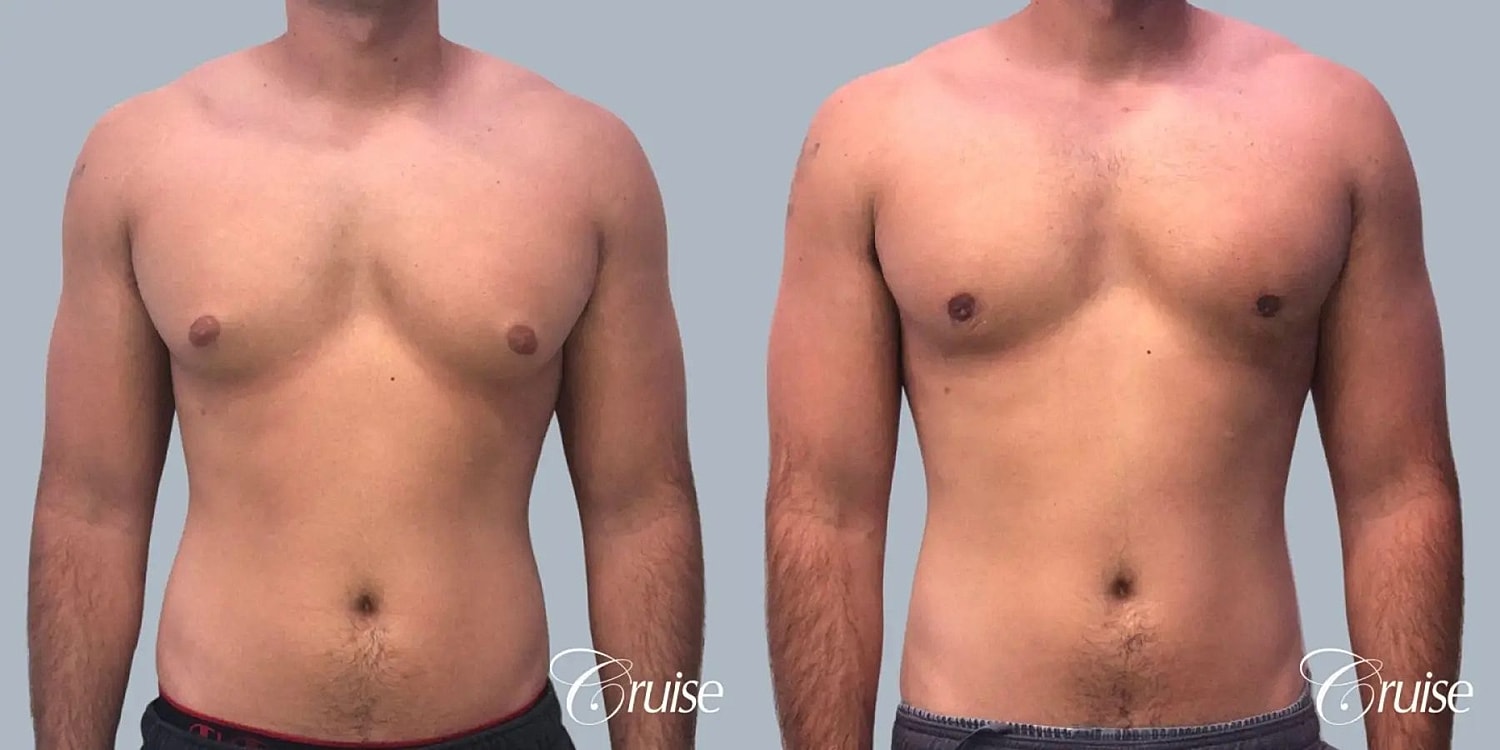
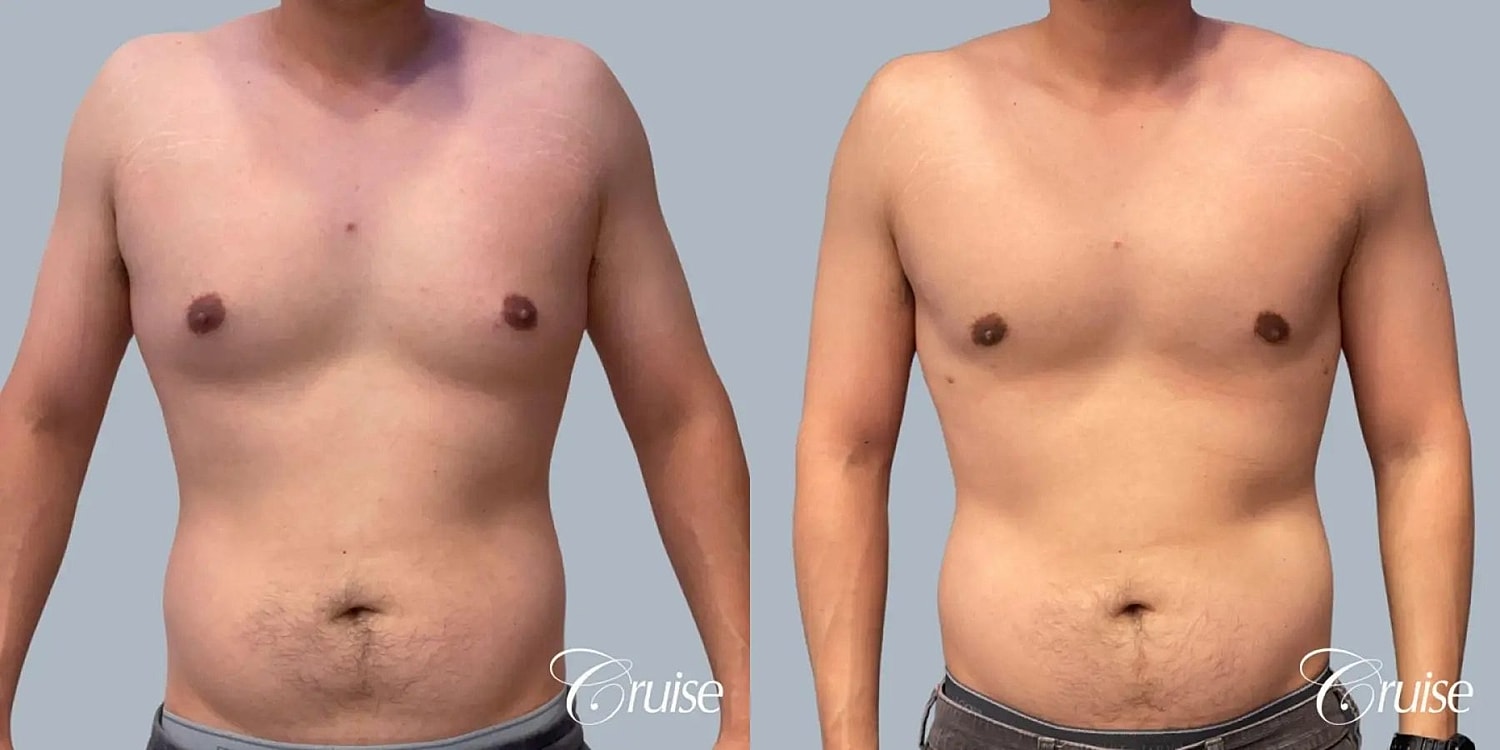
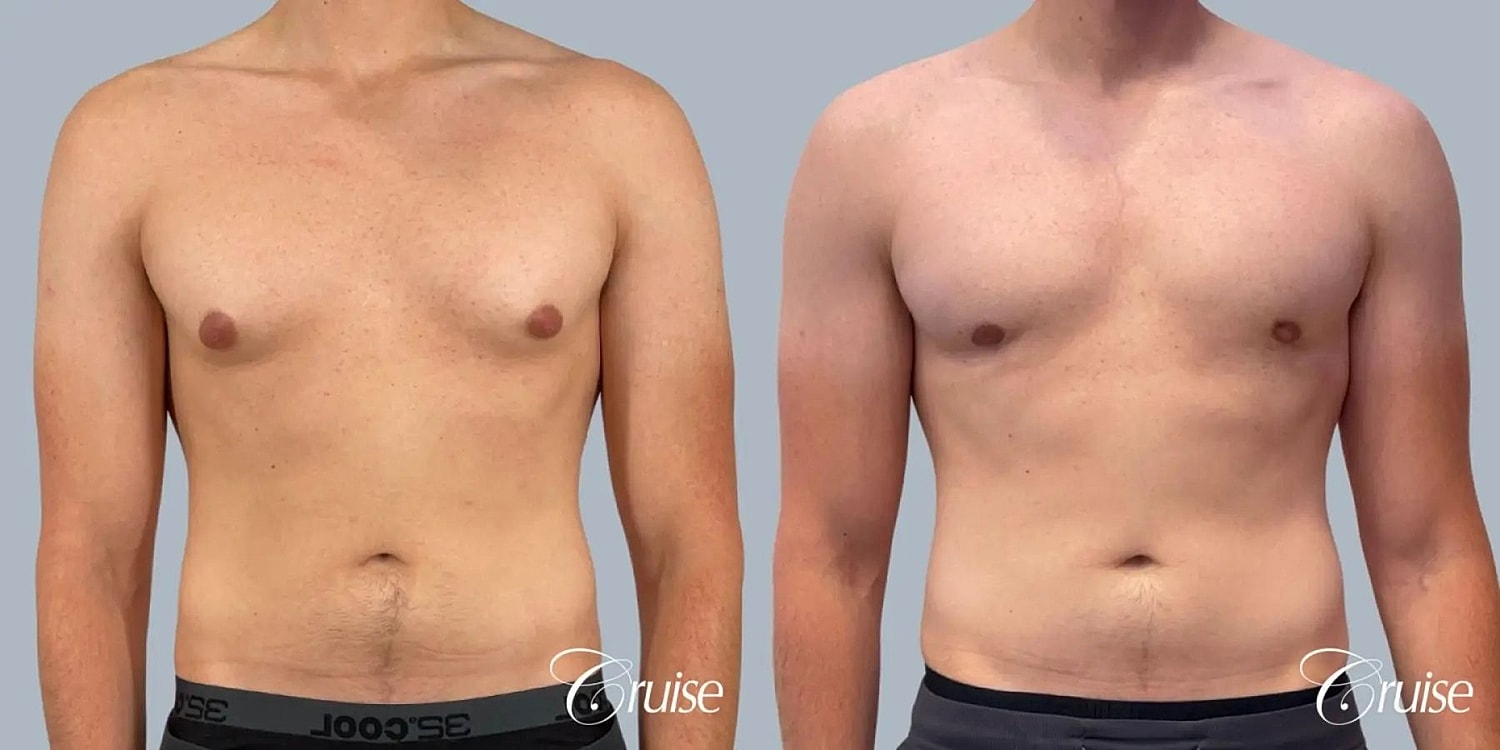
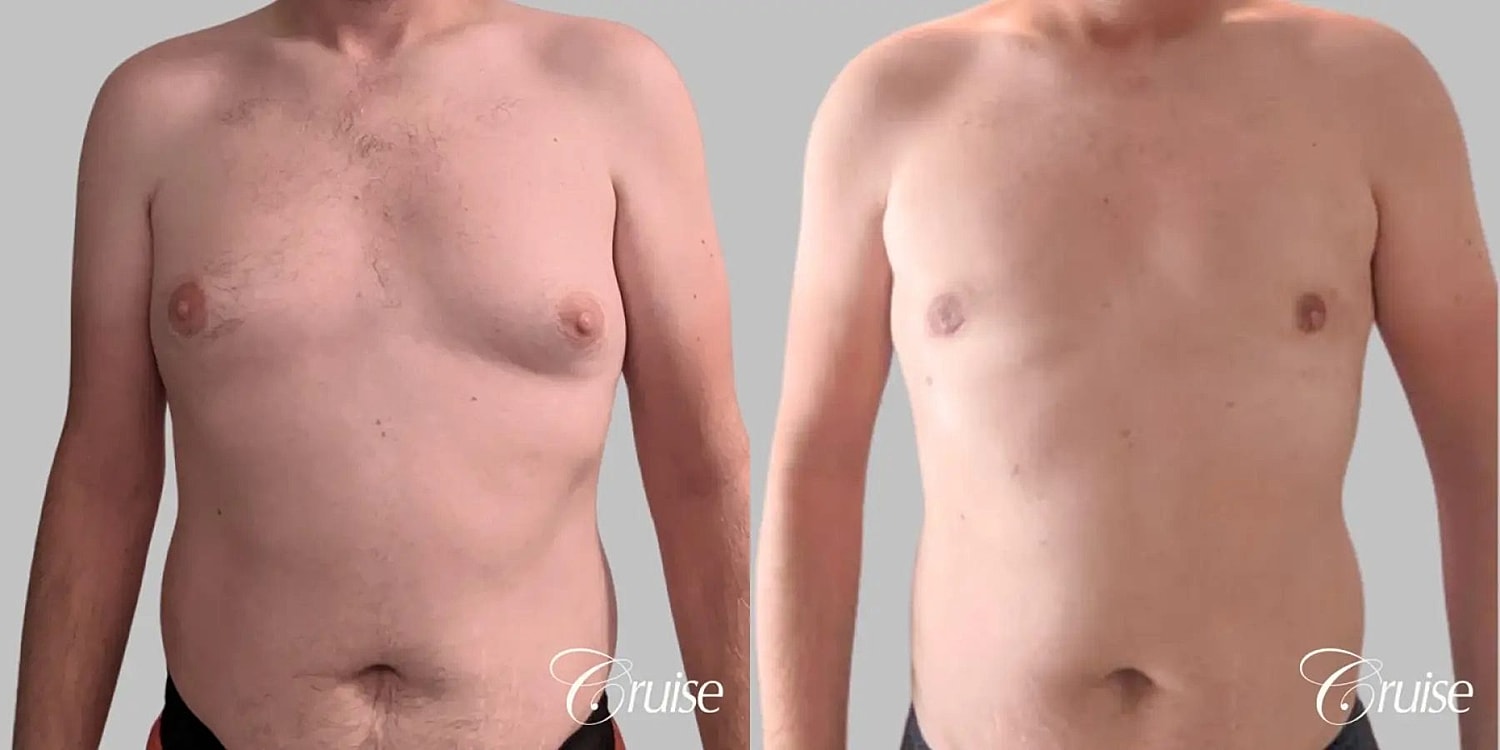
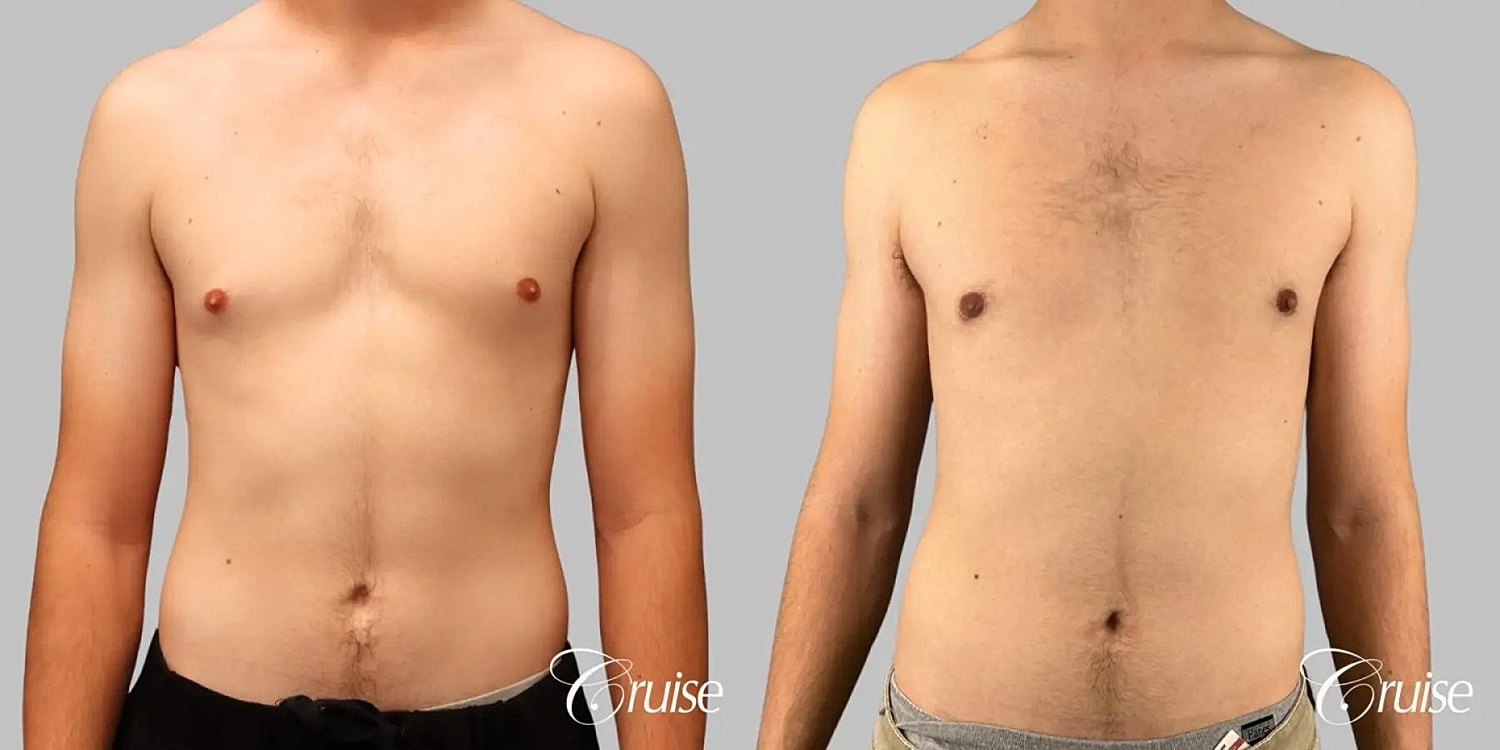

Bodybuilder gynecomastia surgery is designed to treat issues that are resistant to diet and training, including:
These issues can impact self-confidence, anatomical symmetry, and stage presentation—even in otherwise perfectly conditioned athletes.
For bodybuilders, the benefits are both physical and psychological. Most patients report:
The chest finally looks the way it’s meant to—with nothing undermining your work.

The answer to this question can only be determined by you. When there is no medical condition present, gynecomastia poses no health threat. This is why health insurance companies do not reimburse for male breast reduction surgery. You have to decide if your enlarged male breasts are affecting your day-to-day life enough to warrant surgery.
For some, even the mildest case of gynecomastia is unacceptable. Generally speaking, bodybuilders are very particular about their bodies, so surgery is usually the route they choose. The vast majority of bodybuilder gynecomastia Dr. Cruise treats is Type 1 or Type 2. Both procedures are usually performed in-office under local anesthesia. Click to Learn More about the Types of Gynecomastia.
You may be a candidate for surgical correction of gynecomastia if you’re lean and fit and still notice fullness or puffiness in the lower chest. Ideal candidates have:
If you’ve used anabolic steroids, have a history of pubertal gynecomastia, or simply want to correct asymmetry or nipple puffiness, this procedure may be right for you. A physical exam and medical history review will help determine next steps.
Recovery is generally short. Most men return to desk work or light activity within 3–5 days.
A compression garment is worn for 3–4 weeks to help reduce swelling and support the healing contour. While you’ll need to pause chest workouts for about 4 weeks, cardio and leg training can often resume sooner. Dr. Cruise and his team will monitor your progress closely and provide detailed aftercare to ensure smooth healing, minimal scarring, and optimal results.
Results are often visible immediately, especially when the gland is large or dense. As swelling resolves over several weeks, the chest appears more sculpted and balanced, with natural definition around the pectoralis muscle restored. Because the gland is removed entirely, the results of gynecomastia surgery are permanent, provided that hormones remain stable and no new glandular stimulation occurs.
For many men, this small surgery delivers a major impact—finally aligning your appearance with the discipline you’ve shown in the gym.

With over 5,000 gynecomastia surgeries performed and a specialization in male chest aesthetics, Dr. Cruise is one of the few plastic surgeons in the country with a deep understanding of what makes a masculine chest look natural—even under stage lights. His technique is scar-conscious, his outcomes are subtle but transformative, and his standards are uncompromising.
You won’t be offered surgery unless he’s confident it will meet your expectations. And you won’t walk away with a chest that looks overcorrected or unnatural—just a clean, defined result that enhances what you’ve already built.

If bodybuilder gynecomastia may be the health issue you are dealing with, contact our office by filling out our online contact form. Dr. Cruise will be the one to meet with you for an initial consultation. Call us today at 949-644-4808 or request an appointment online.
The cost of bodybuilder gynecomastia surgery varies depending on the procedure being performed and the type of anesthesia being used. Local anesthesia in the office generally costs less than general anesthesia at an outpatient surgery center. Some bodybuilders combine their male breast reduction procedure with liposuction of the abdomen and/or love handles.
Bodybuilders with gynecomastia typically have Type 1 or Type 2 gynecomastia. The average cost when performed under local anesthesia is between $7,500 – $8,500.
Financing is available through third-party companies that specialize in loans for plastic surgery. Visit our Gynecomastia Financing page for more information.
Yes. Anabolic steroid use can disrupt your body’s natural testosterone and estrogen levels, often leading to the development of glandular tissue beneath the nipple.
Unfortunately, estrogen blockers cannot reverse breast gland tissue once it has formed. If the tissue is dense and fibrous, surgical removal is typically required.
Glandular tissue feels firm and rubbery, while fatty tissue is soft and pliable. In bodybuilders with low body fat, the visible puffiness is almost always gland-related.
In most cases, no. Liposuction removes fat, but it does not affect dense glandular tissue. A precise surgical technique is needed to fully remove the gland.
Scars are minimal and typically hidden along the border of the areola. Dr. Cruise takes great care to minimize and camouflage incisions.
Most patients resume lower body training within a week and chest exercises after four weeks, once healing is confirmed by Dr. Cruise.
If the gland is fully removed and testosterone levels remain stable, recurrence is rare. Avoiding future steroid use is key.
Yes, in a good way. With the gland removed, your pectoral muscles will appear more defined and symmetrical—especially under stage lighting.
Yes. Many bodybuilders undergo this procedure to refine their chest appearance and eliminate stubborn “man boobs” that don’t respond to training.
When performed properly, and with no new hormonal imbalances, results are permanent.


