





It’s tough to admit, but for a lot of men, taking your shirt off at the beach or the pool just doesn't seem like an option. It’s stressful. You’re constantly adjusting your posture, or maybe you’re wearing layers even when it’s hot outside in Newport Beach. It’s confusing, too, because it’s often hard to tell the difference between standard weight gain and a medical condition like gynecomastia.
We see patients every day who’ve spent years wondering why their chest area doesn't look the way they want it to. They’ve tried every exercise routine in the book, but the results just aren't there. We get it. It’s incredibly frustrating to feel like you don't have control over your own body, especially when you’re putting in the work.
But here’s the good news: identifying the issue is the first step toward resolving it. Whether you’re dealing with chest fat or actual gynecomastia, there are clear, effective solutions. We’re here to help you understand the anatomy, stop the guessing game, and finally move forward.
If you’re trying to distinguish between gynecomastia vs chest fat, here’s how to tell them apart and exactly what you can do about it.
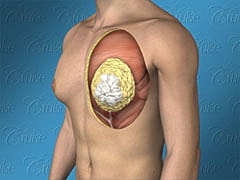
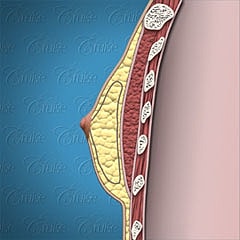
Classic Gynecomastia
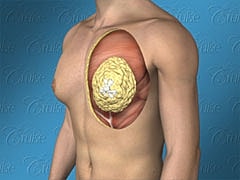
Fatty Gynecomastia
The quickest way to diagnose gynecomastia at home is tactile. It sounds simple, but the "touch test" is actually a reliable way to gauge what’s going on under the skin.
Regular chest fat behaves like fat anywhere else on your body. Chest fat feels soft. It’s squishy and uniform. If you pinch it, there’s no resistance. It’s just excess fat tissue. If you lose weight or dial in your nutrition, you should see at least some reduction in the size of the chest. Generally speaking, chest fat responds to a calorie deficit because that’s just how biology works. If your overall body fat goes down, your chest fat usually follows suit.
Gynecomastia is different. It involves firm glandular tissue. When you press on the nipple or areola, you’ll feel a rubbery, fibrous mass. It might feel like a stiff disc or a small grape sitting directly behind the nipple. This is glandular breast tissue, and it’s stubborn. It doesn't shrink with cardio. Unlike fat cells, this tissue is dense and tough. It’s actually the same type of tissue found in female breasts, composed of ducts and connective tissue that simply won't burn off like fat does.
It’s important to know that gynecomastia development isn't usually something you did wrong. It’s typically the result of a hormonal imbalance that’s often out of your control. It all comes down to the ratio of testosterone levels to estrogen levels. Even men have estrogen, but when that balance shifts, breast glands can swell and harden.
This can happen during puberty, often called breast buds, and for many teens, it goes away. But for a lot of men, that glandular tissue persists right into adulthood.
There are other triggers, too:
In contrast, there’s something called pseudogynecomastia. This is simply excess chest fat caused by weight gain. There’s no hard gland involved, just excess adipose tissue. It looks similar, but the cause—and the fix—is different.
Classic Gynecomastia
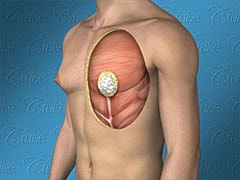
Fatty Gynecomastia
We often see patients who are thin everywhere else but still feel self-conscious about a saggy or droopy appearance in the chest. They assume it's just stubborn excess fat, but it’s actually glandular tissue pushing the nipple outward.
Because they have very little surrounding fat tissue to hide it, the puffy nipple looks even more obvious. It’s a cruel irony: if you’re lean but your nipples are projecting through your shirt, you likely have true gynecomastia. Losing fat won't fix this. In fact, getting leaner often makes the gland look more prominent because the fat tissue around it disappears, leaving the gland exposed.
If your issue is purely excess fat tissue, then yes, you might be able to handle it on your own. A healthy diet and a consistent exercise routine will reduce chest fat. As your body fat percentage drops, your chest will flatten out.
But if you have excess glandular tissue, no amount of clean eating is going to dissolve it. Gynecomastia is fibrous. It’s physically tough. The only real way to remove it is to physically excise it.
This is where male breast reduction surgery helps. It’s the definitive way to treat gynecomastia.
Gynecomastia surgery at Cruise Plastic Surgery isn't just standard liposuction. Liposuction removes excess fat, but it often slides right over the hard gland, leaving the core problem behind.
To create a masculine chest with a well-defined shape, we usually combine two techniques:
Because we specialize in this, we perform male breast reduction under local anesthesia right here in Newport Beach. You don't need general anesthesia. You’re awake (but totally numb), which makes the recovery faster and the safety profile much better. Plastic surgeons who don't specialize in this might put you under, but we find our patients prefer the easier recovery of local.
nipple discharge, rapid breast enlargement in just one or both breasts, or localized breast pain, you need to get checked out. While it’s rare, breast cancer can occur in men. It’s crucial to rule out serious conditions like liver failure, prostate cancer, or testicular issues if the onset is sudden. Also, be aware that hormone therapy can sometimes cause these changes.
If you’ve spent years trying to lose weight to fix your chest without success, stop beating yourself up. You likely have excess tissue that requires a surgical procedure. It’s not a failure of your workout; it’s just anatomy.
You don’t have to live with the frustration of "man boobs." Gynecomastia surgery is one of the most effective male chest contouring procedures available because it finally removes the physical block preventing you from seeing your results. It can improve your mental health and confidence almost overnight.
If you’re in Orange County and want to know for sure if it’s gynecomastia vs. chest fat, come in for an evaluation. We can determine if you’re dealing with excess skin, fat, or gland, and give you a straight answer on how to fix it.


