Adult Gynecomastia







Gynecomastia, or breast development in adult men, is more common than most realize—and more frustrating than many want to admit. Whether it’s puffy nipples, fullness across the chest, or sagging skin after major weight loss, these issues can affect how men feel in their bodies.
For some, it’s a source of daily self-consciousness. For others, it’s the one thing standing between them and the freedom to enjoy their life without hesitation. Dr. Joseph T. Cruise has worked with thousands of men facing this exact problem. His Newport Beach practice is one of the few in the country that specializes in male chest surgery, and over 70% of his patients are men. If you’re tired of hiding under layers of clothing or avoiding situations where you’d have to take your shirt off, you’re not alone. The good news is that treatment is available. Dr. Cruise and his team are here to help you weigh your options and decide the right path forward for you. We will never pressure you in any direction—our goal is to help you understand the medical reasons behind male breast development and your options should you choose to treat it.
1 of 4
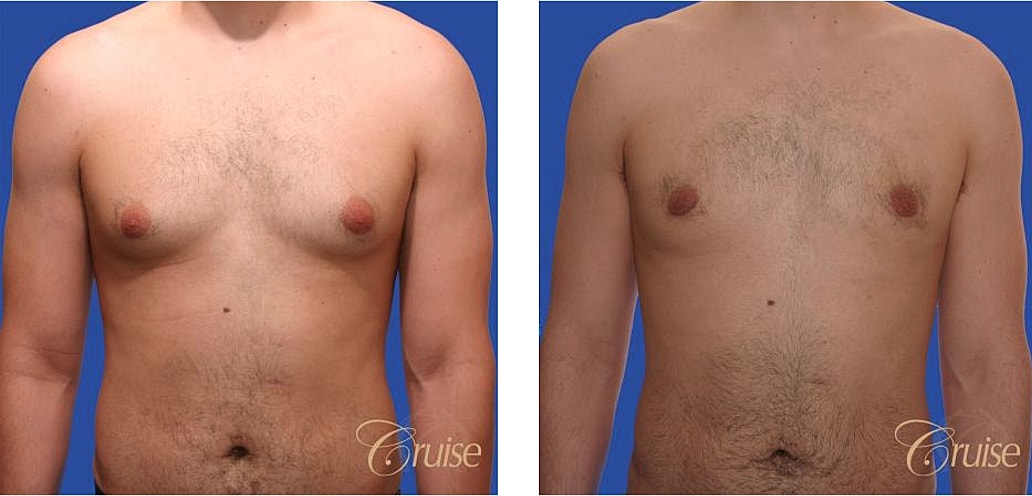
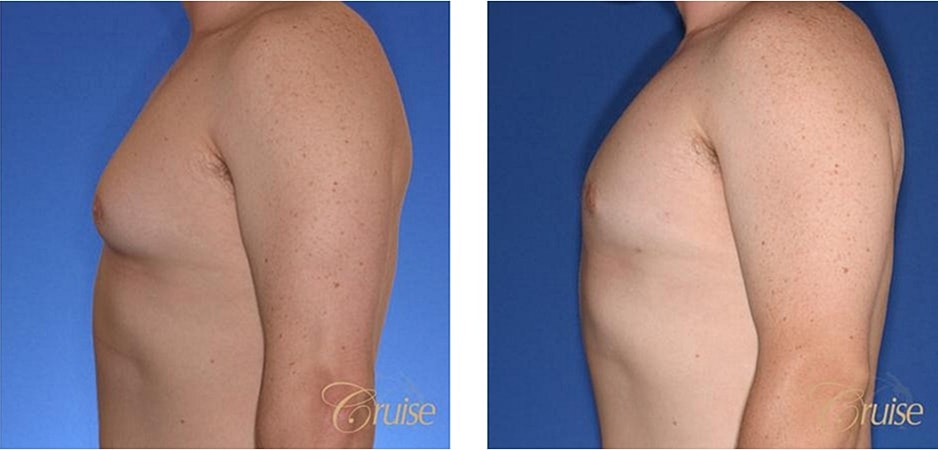
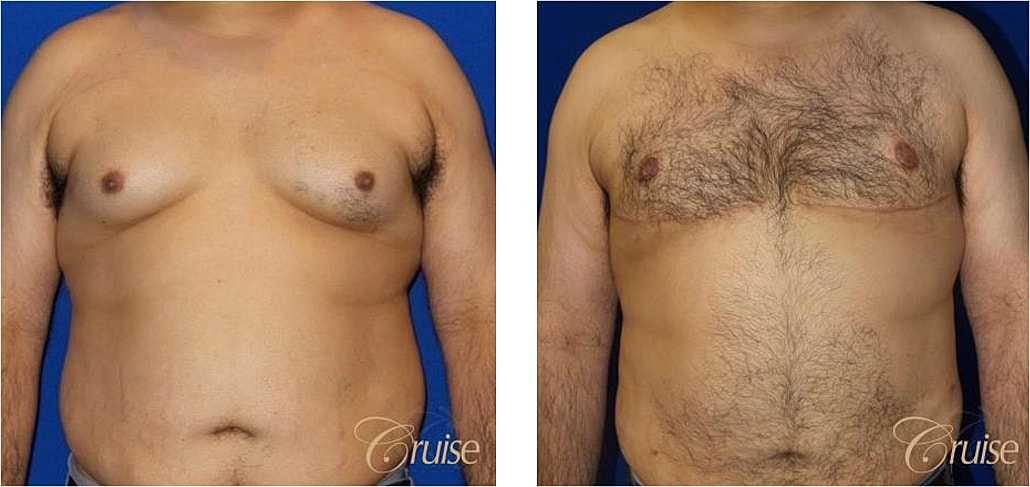
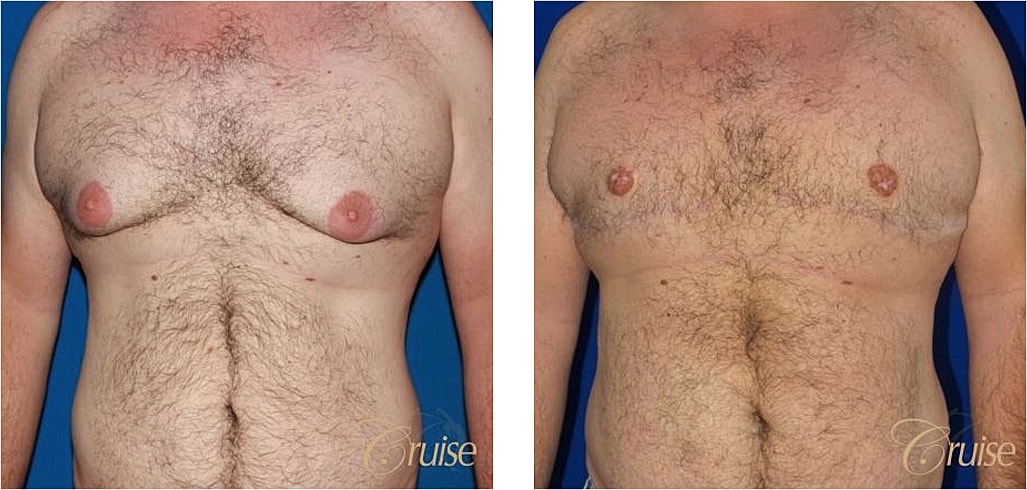


Adult gynecomastia refers to the development of excess breast tissue in men 20 years or older, causing the chest to take on a more feminine appearance than desired.
Gynecomastia can develop for a range of reasons, such as genetics, hormonal imbalances, steroid use, certain medications and herbal remedies, marijuana use, and health conditions. Breast enlargement in adult men ranges in severity from mild to severe. Dr. Cruise created the Cruise Classification System to categorize the types of gynecomastia and help men better understand the underlying issues, along with treatment options for each. Learn more about the Gynecomastia Types here.
While gynecomastia is not usually a cause for medical concern, it can impact the way you feel about yourself, your clothing choices, and your activities. Men whose self-image is impacted by gynecomastia may choose to have surgery to restore a more masculine chest contour. Before seeking surgical correction, we recommend being medically evaluated to ensure there is not an underlying medical condition causing your gynecomastia. Identifying the underlying cause ensures that any health concerns, such as hormonal imbalances, can be addressed and reduces the likelihood of gynecomastia recurring.
Surgery is the only proven option for permanently getting rid of gynecomastia. Do not be fooled by the endless ads and information about non-surgical alternatives for treating gynecomastia. These methods often target fat, not the glandular breast tissue responsible for true gynecomastia—and no amount of diet, exercise, or supplements can eliminate that tissue once it has developed.
“My life has gotten so much better. I’m more confident and happier. I was in Florida at a resort and was finally able to go in the pool without my shirt on in front of my friends. The surgery has been life-changing. It’s unbelievable. I wish I would have done this 15-20 years ago.”
Brandon, 38 years old
Whether or not to pursue surgery is a deeply personal decision and one that only you can make. Dr. Cruise’s role is to provide honest guidance, not pressure. If gynecomastia is interfering with how you see yourself or how you move through the world, surgery may be worth considering.
If you’ve reached the point of researching solutions, it’s likely that your gynecomastia is affecting your quality of life in a meaningful way. Seeking answers is the first step toward reclaiming confidence on your own terms.
Answering the questions below can help you gauge how much gynecomastia is affecting your life:
If you decide that treatment is worth pursuing, Dr. Joseph T. Cruise offers precision surgical care to remove breast tissue, restore a more sculpted chest, and help you put the physical and emotional toll of gynecomastia behind you.

Gynecomastia surgery is a highly specialized procedure that removes excess glandular tissue, fat, and in some cases, loose skin from the chest to create a flatter, more masculine contour.
Unlike treatments that target fat alone, this procedure addresses the root cause of true gynecomastia—dense glandular tissue that does not respond to diet, exercise, or supplements. The surgical approach varies depending on the severity and classification of the condition, with some patients requiring only gland excision while others benefit from a combination of liposuction and skin tightening or repositioning. Gynecomastia surgery is performed on an outpatient procedure and typically takes 1-2 hours to perform. Dr. Cruise tailors each procedure to match the patient’s anatomy and goals. Incisions are carefully placed to minimize visibility, and techniques are selected to create natural-looking results that align with the rest of the body.

Gynecomastia surgery can treat a range of concerns men may have related to gynecomastia, including:
Dr. Cruise uses a six-type classification system to identify the specific pattern of gynecomastia. This guides both surgical planning and patient education—making sure you understand exactly what to expect. For men dealing with sagging skin or larger amounts of tissue, more advanced techniques such as an upper body lift may be recommended. The goal is always the same: a firm, proportionate chest that restores confidence and feels authentic to the patient’s body.
The biggest benefit is often psychological. Men who undergo gynecomastia surgery report improved self-esteem, body image, and freedom in everyday life—no longer avoiding certain shirts, beaches, or locker rooms. Physically, the chest looks flatter, more athletic, and better balanced with the rest of the torso.
Dr. Cruise’s approach avoids overcorrection, which can lead to unnatural or “scooped” results. The goal is always to restore a natural male chest—not to overdo it.
You may be a candidate for surgical treatment if you have persistent breast tissue that doesn’t improve with diet, exercise, or time. Ideal candidates are in good overall health, at or near their ideal weight, and have realistic expectations.
Gynecomastia surgery is not recommended for those whose condition is caused by a reversible drug or hormone imbalance unless that issue is first addressed. A thorough consultation will help determine whether surgery is the right step for you.
Recovery after gynecomastia surgery is generally smooth and manageable. Most men are back to light, everyday activities within just a few days, with full recovery unfolding over the next few weeks. You’ll wear a compression garment during this time to support your chest as it heals and to help minimize swelling. Any discomfort is typically mild and improves quickly—most patients describe it as soreness or tightness rather than pain.
Dr. Cruise and his team are with you every step of the way. You’ll receive clear, personalized aftercare instructions, and regular follow-up appointments will be scheduled to monitor your progress. Their goal is not just a safe recovery but a result that looks and feels right for your body..

You’ll begin to see a flatter, firmer chest shortly after surgery, with results continuing to improve as swelling gradually subsides over the first few weeks.
These changes are long-lasting, especially when body weight remains stable and no new hormonal imbalances develop. For many men, the impact goes beyond the physical. After surgery, patients often describe feeling more comfortable in their bodies—whether that means wearing fitted clothes with confidence, enjoying time at the beach, or simply moving through daily life without the weight of self-consciousness.
When you choose Dr. Joseph T. Cruise for gynecomastia surgery, you’re working with one of the few plastic surgeons in the country who has built a true specialty in male chest procedures.
More than 70% of his patients are men, and his gynecomastia classification system is now widely recognized as a trusted tool for accurately diagnosing and treating this condition. What sets Dr. Cruise apart isn’t just his experience—it’s the way he approaches your care. You’ll never be rushed, overlooked, or offered surgery that doesn’t make sense for your body. Every treatment plan is carefully tailored to your needs, with a focus on creating natural-looking results and restoring your confidence with precision, compassion, and integrity.

The cost for adult male breast reduction surgery varies depending on the type of gynecomastia present and whether or not the procedure is performed under local anesthesia in the office or general anesthesia in an outpatient surgery center.
Type 1 – $7,500
Type 2 – $7,500 – $8,500
Type 3 – $9,000 – $10,000
Type 4 – $10,500 – $13,400
Type 5 – $13,000 – $16,000
Please note: The costs above are provided to give you an idea of what surgery may cost. Your final surgery cost will be determined after having a consultation with Dr. Cruise.
Financing is available for those who would like to pursue this option for paying for surgery. Visit our Gynecomastia Financing page for details about the companies we work with.
In some cases, especially during puberty, gynecomastia may resolve without treatment. However, once the condition has been present for a year or more, surgery is typically the only way to remove the tissue.
Discomfort is usually mild to moderate and well-managed with medication. Most patients describe the sensation as soreness or tightness rather than sharp pain.
Dr. Cruise uses strategic incision placement to minimize scarring. In most cases, scars fade significantly over time and are barely noticeable.
Costs vary based on the severity of the condition and whether additional procedures are needed. Dr. Cruise’s team provides transparent pricing during your consultation.
Light activity can resume after one week, but chest workouts should be avoided for about four weeks to ensure proper healing.
While glandular tissue will not return, significant weight gain can lead to fat accumulation in the chest. Maintaining a stable weight helps preserve your results.
If the underlying cause is addressed and weight remains stable, recurrence is extremely rare. Dr. Cruise’s technique removes both fat and glandular tissue for lasting results.
Gynecomastia is usually harmless, but in some cases, it can be a sign of an underlying medical issue. If the condition appears suddenly, affects only one side, is painful, or includes symptoms like nipple discharge or testicular swelling, a medical evaluation is recommended before considering surgery.
Hormonal imbalances are the most common cause, often due to aging, obesity, or other health conditions. Liver disease (such as cirrhosis), kidney failure, and hyperthyroidism can all disrupt hormone levels and lead to breast tissue growth. Testicular tumors, direct testicular damage, or infection—can also impair testosterone production. Although rare, male breast cancer or hormone-secreting tumors may present with similar symptoms.
Certain medications may contribute as well, including anti-androgens, anabolic steroids, tricyclic antidepressants and anti-anxiety drugs, heart medicines, and herbal products containing tea tree or lavender oil. Dr. Cruise advises ruling out these factors to ensure the condition is properly addressed and does not recur after surgery.